Meredith Conti – författare
661 kr
Skickas inom 10-15 vardagar
388 kr
Skickas inom 5-8 vardagar
2 511 kr
Skickas inom 10-15 vardagar
1 368 kr
Skickas inom 10-15 vardagar
454 kr
Läs direkt efter köp
438 kr
Läs direkt efter köp
437 kr
Skickas inom 10-15 vardagar
1 296 kr
Skickas inom 10-15 vardagar
452 kr
Läs direkt efter köp
452 kr
Läs direkt efter köp
423 kr
Skickas inom 10-15 vardagar
779 kr
Läs direkt efter köp
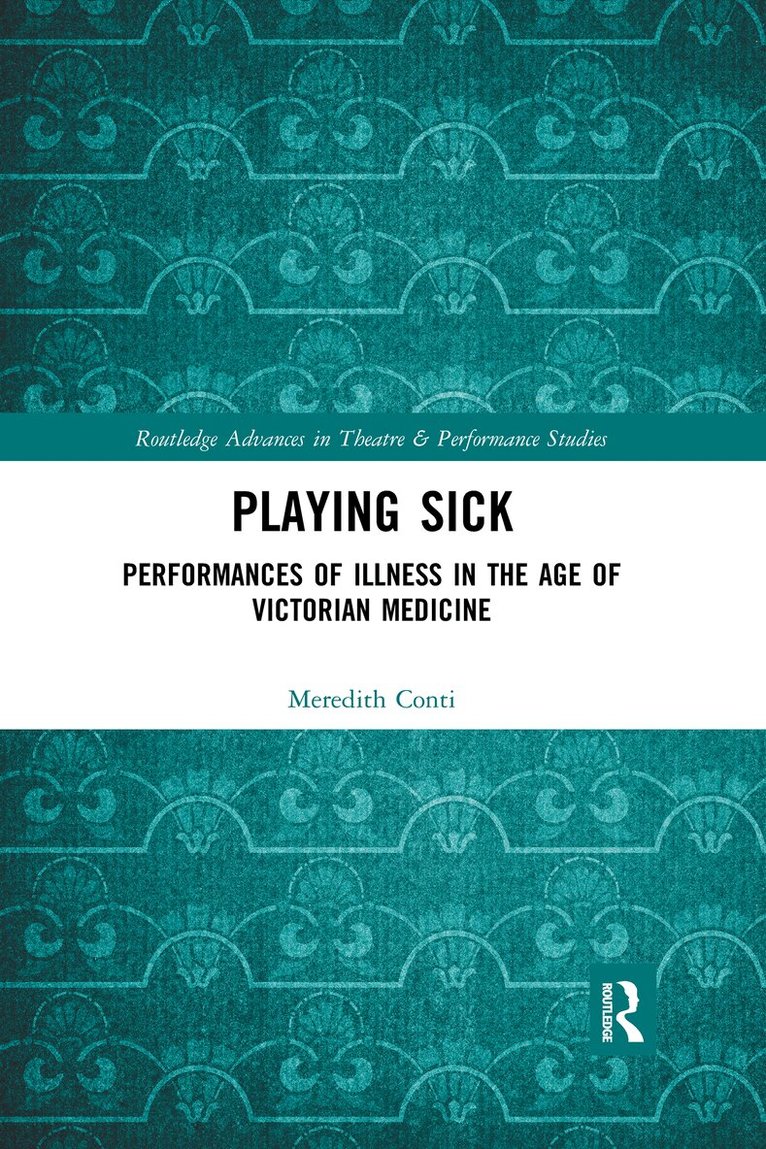
Few life occurrences shaped individual and collective identities within Victorian-era society as critically as witnessing or suffering from illness. The prevalence of illness narratives within late nineteenth-century popular culture was made manifest on the period’s British and American stages, where theatrical embodiments of illness were indisputable staples of actors’ repertoires.
Playing Sick: Performances of Illness in the Age of Victorian Medicine reconstructs how actors embodied three of the era’s most provocative illnesses: tuberculosis, drug addiction, and mental illness. In placing performances of illness within wider medicocultural contexts, Meredith Conti analyzes how such depictions confirmed or resisted salient constructions of diseases and the diseased. Conti’s case studies, which range from Eleonora Duse’s portrayal of the consumptive courtesan Marguerite Gautier to Henry Irving’s performance of senile dementia in King Lear, help to illuminate the interdependence of medical science and theatre in constructing nineteenth-century illness narratives. Through reconstructing these performances, Conti isolates from the period’s acting practices a lexicon of embodied illness: a flexible set of physical and vocal techniques that performers employed to theatricalize the sick body. In an age when medical science encouraged a gradual decentering of the patient from their own diagnosis and treatment, late nineteenth-century performances of illness symbolically restored the sick to positions of visibility and consequence.
779 kr
Läs direkt efter köp
Few life occurrences shaped individual and collective identities within Victorian-era society as critically as witnessing or suffering from illness. The prevalence of illness narratives within late nineteenth-century popular culture was made manifest on the period’s British and American stages, where theatrical embodiments of illness were indisputable staples of actors’ repertoires.
Playing Sick: Performances of Illness in the Age of Victorian Medicine reconstructs how actors embodied three of the era’s most provocative illnesses: tuberculosis, drug addiction, and mental illness. In placing performances of illness within wider medicocultural contexts, Meredith Conti analyzes how such depictions confirmed or resisted salient constructions of diseases and the diseased. Conti’s case studies, which range from Eleonora Duse’s portrayal of the consumptive courtesan Marguerite Gautier to Henry Irving’s performance of senile dementia in King Lear, help to illuminate the interdependence of medical science and theatre in constructing nineteenth-century illness narratives. Through reconstructing these performances, Conti isolates from the period’s acting practices a lexicon of embodied illness: a flexible set of physical and vocal techniques that performers employed to theatricalize the sick body. In an age when medical science encouraged a gradual decentering of the patient from their own diagnosis and treatment, late nineteenth-century performances of illness symbolically restored the sick to positions of visibility and consequence.
367 kr
Skickas inom 5-8 vardagar
1 146 kr
Läs direkt efter köp
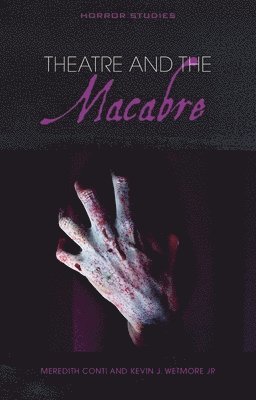
The ‘macabre’, as a process and product, has been haunting the theatre – and more broadly, performance – for thousands of years. In its embodied meditations on death and dying, its thematic and aesthetic grotesquerie, and its sensory-rich environments, macabre theatre invites artists and audiences to trace the stranger, darker contours of human existence. In this volume, numerous scholars explore the morbid and gruesome onstage, from freak shows to the French Grand Guignol; from Hell Houses to German Trauerspiel; from immersive theatre to dark tourism, stopping along the way to look at phantoms, severed heads, dark rides, haunted mothers and haunting children, dances of death and dismembered bodies. From Japan to Australia to England to the United States, the global macabre is framed and juxtaposed to understand how the theatre brings us face to face with the deathly and the horrific.
382 kr
Läs direkt efter köp
The ‘macabre’, as a process and product, has been haunting the theatre – and more broadly, performance – for thousands of years. In its embodied meditations on death and dying, its thematic and aesthetic grotesquerie, and its sensory-rich environments, macabre theatre invites artists and audiences to trace the stranger, darker contours of human existence. In this volume, numerous scholars explore the morbid and gruesome onstage, from freak shows to the French Grand Guignol; from Hell Houses to German Trauerspiel; from immersive theatre to dark tourism, stopping along the way to look at phantoms, severed heads, dark rides, haunted mothers and haunting children, dances of death and dismembered bodies. From Japan to Australia to England to the United States, the global macabre is framed and juxtaposed to understand how the theatre brings us face to face with the deathly and the horrific.