Merel Visse - Böcker
Visar alla böcker från författaren Merel Visse. Handla med fri frakt och snabb leverans.
6 produkter
6 produkter
2 151 kr
Skickas inom 10-15 vardagar
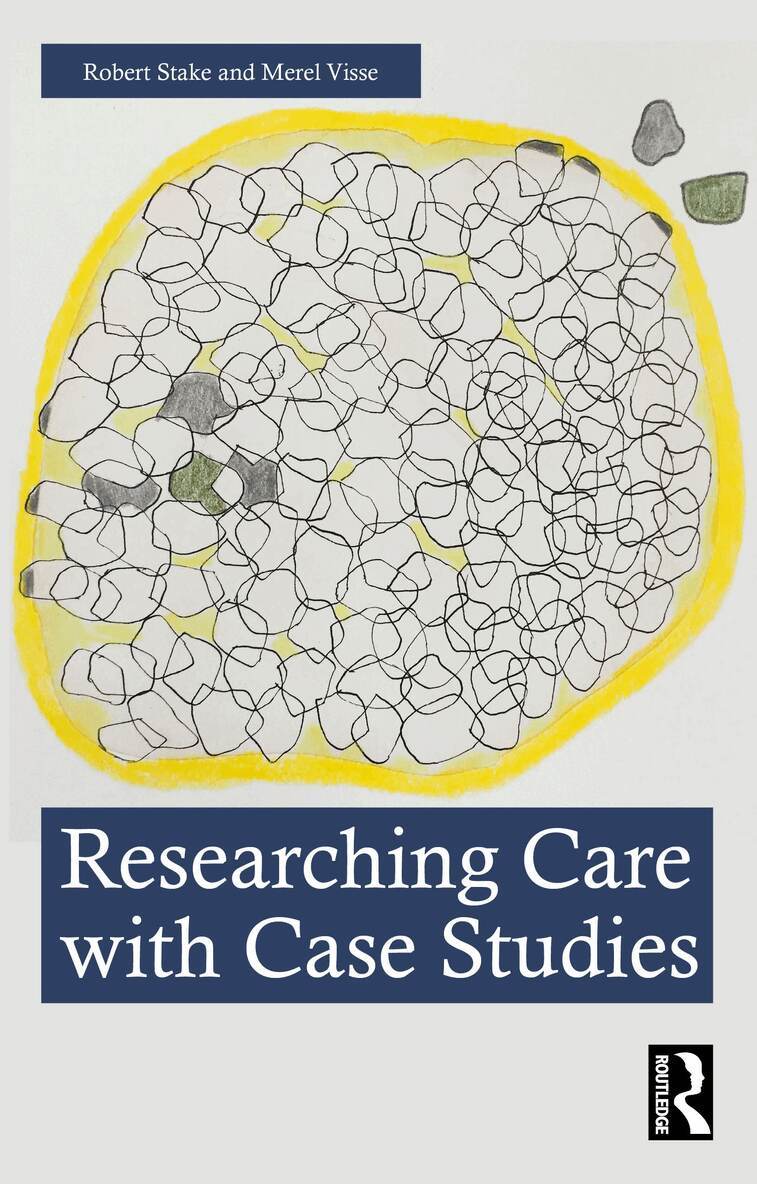
Researching Care with Case Studies offers a fresh perspective on the universe of care practices, using case studies to illuminate their stretch and complexities.Building on Robert Stake’s foundational work with qualitative methods and Merel Visse’s integrating insights from care studies, this book offers a comprehensive approach to understanding care across various fields. It bridges the gap between research methodology and professional and personal realities and concerns of care. Readers will benefit from insights derived from care ethics and theory, which highlight relationality, shared responsibility, intersubjectivity, and vulnerability in dynamic interactions within care settings, extending beyond healthcare altogether. This practical approach offers an inclusive and adaptable understanding of care case studies. Here, ‘care’ is broadly defined as encompassing all that is done to enhance personal and other well-being, including shared responsibilities, responsiveness to evolving needs, and the ongoing negotiation of optimal solutions.Step by step, this book guides both novice and experienced researchers in prioritizing issues and concerns, context, specific details, relationships, the richness of lived experiences, and personal narratives when studying and advancing care. It provides insights into the strengths of case studies in learning about care and supports a more nuanced, responsive approach to research in everyday, ordinary practices.
594 kr
Skickas inom 10-15 vardagar
Researching Care with Case Studies offers a fresh perspective on the universe of care practices, using case studies to illuminate their stretch and complexities.Building on Robert Stake’s foundational work with qualitative methods and Merel Visse’s integrating insights from care studies, this book offers a comprehensive approach to understanding care across various fields. It bridges the gap between research methodology and professional and personal realities and concerns of care. Readers will benefit from insights derived from care ethics and theory, which highlight relationality, shared responsibility, intersubjectivity, and vulnerability in dynamic interactions within care settings, extending beyond healthcare altogether. This practical approach offers an inclusive and adaptable understanding of care case studies. Here, ‘care’ is broadly defined as encompassing all that is done to enhance personal and other well-being, including shared responsibilities, responsiveness to evolving needs, and the ongoing negotiation of optimal solutions.Step by step, this book guides both novice and experienced researchers in prioritizing issues and concerns, context, specific details, relationships, the richness of lived experiences, and personal narratives when studying and advancing care. It provides insights into the strengths of case studies in learning about care and supports a more nuanced, responsive approach to research in everyday, ordinary practices.
617 kr
Skickas inom 7-10 vardagar
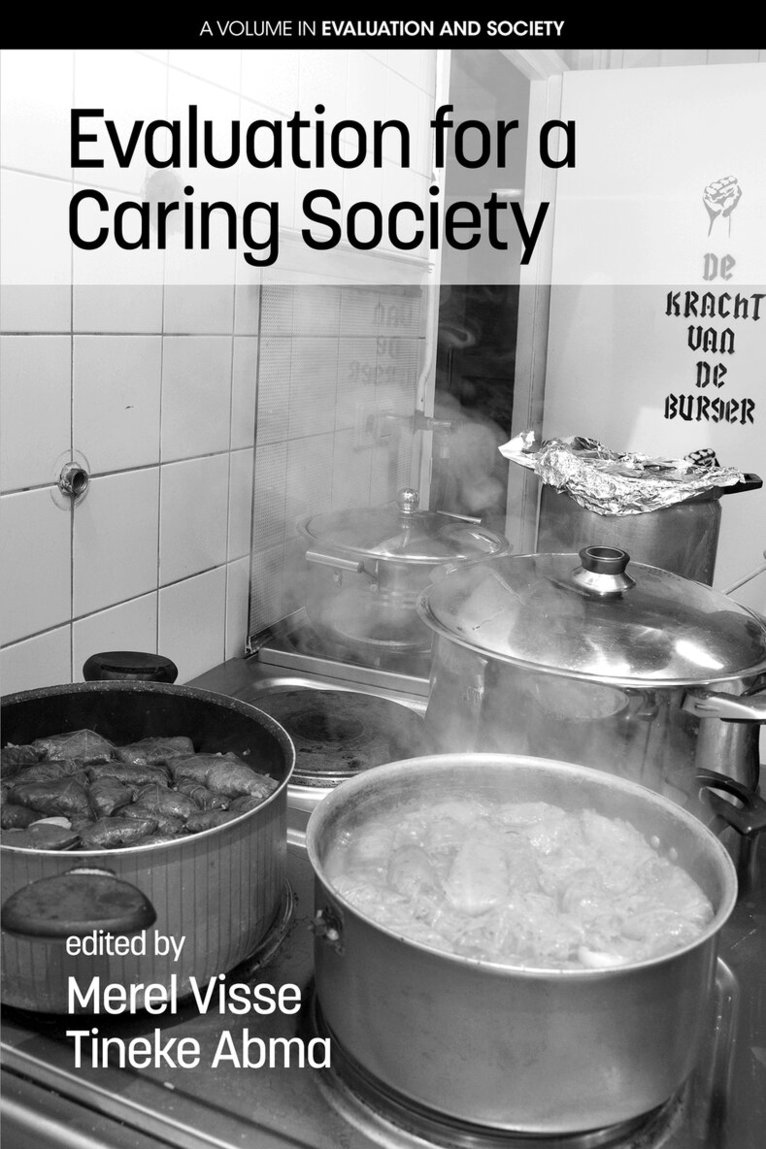
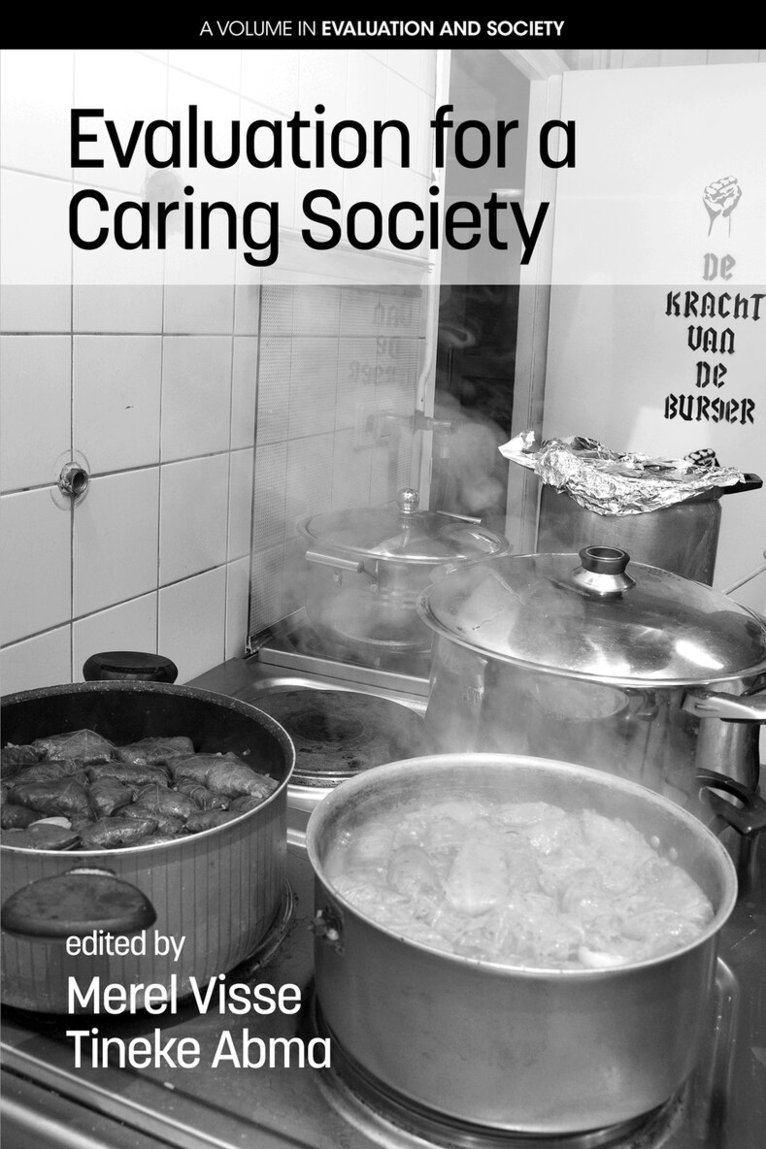
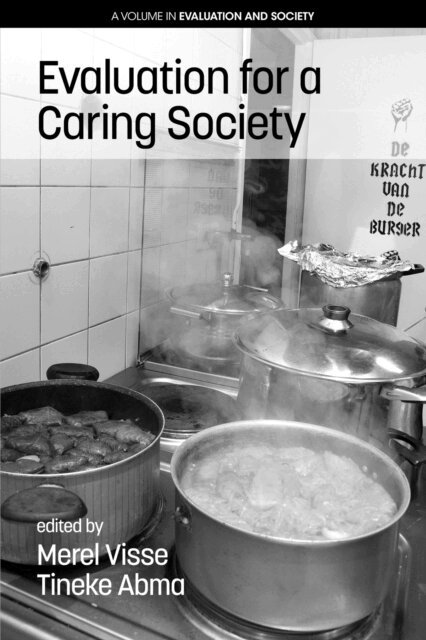
This book highlights views on responsive, participatory and democratic approaches to evaluation from an ethos of care. It critically scrutinizes and discusses the invisibility of care in our contemporary Western societies and evaluation practices that aim to measure practices by external standards. Alternatively, the book proposes several foci for evaluators who work from a care perspective or wish to encourage a caring society. This is a society that sees evaluation and care as a continuously unfolding relational practice of moral-political learning contributing to life-sustaining webs.‘At one level is the evaluator’s immediately responsive and interpersonal encounter with the personal troubles of social actors, most visible, as Mills originally pointed out, in an individual’s biography and in those social settings directly open to the individual’s lived experience. (...) At another level, the sociological and political level, the evaluator operates at what Mills called the arena of public issues where immediate personal troubles are seen not only as problems encountered by individuals but as the result of structural and political arrangements in society (...) evaluation for a caring society is thought to operate at both levels’ (Thomas A. Schwandt, Professor Emeritus, University of Illinois at Urbana-Champaign).‘The intricate relationship between evaluation and care is hardly addressed by evaluators or caregivers. This book fills a gap, as it focuses on the relationship between evaluation and care and provides a multitude of examples of evaluation as a caring practice (...) the book can serve as an antidote to the present-day haste in social practices, and contribute, in form and content, to developing an evaluation practice which may foster a caring society’ (Guy Widdershoven, Professor of Philosophy and Ethics of Medicine and head of the Department of Medical Humanities at VU University Medical Center, VU University Amsterdam).
1 091 kr
Skickas inom 7-10 vardagar
This book highlights views on responsive, participatory and democratic approaches to evaluation from an ethos of care. It critically scrutinizes and discusses the invisibility of care in our contemporary Western societies and evaluation practices that aim to measure practices by external standards. Alternatively, the book proposes several foci for evaluators who work from a care perspective or wish to encourage a caring society. This is a society that sees evaluation and care as a continuously unfolding relational practice of moral-political learning contributing to life-sustaining webs.‘At one level is the evaluator’s immediately responsive and interpersonal encounter with the personal troubles of social actors, most visible, as Mills originally pointed out, in an individual’s biography and in those social settings directly open to the individual’s lived experience. (...) At another level, the sociological and political level, the evaluator operates at what Mills called the arena of public issues where immediate personal troubles are seen not only as problems encountered by individuals but as the result of structural and political arrangements in society (...) evaluation for a caring society is thought to operate at both levels’ (Thomas A. Schwandt, Professor Emeritus, University of Illinois at Urbana-Champaign).‘The intricate relationship between evaluation and care is hardly addressed by evaluators or caregivers. This book fills a gap, as it focuses on the relationship between evaluation and care and provides a multitude of examples of evaluation as a caring practice (...) the book can serve as an antidote to the present-day haste in social practices, and contribute, in form and content, to developing an evaluation practice which may foster a caring society’ (Guy Widdershoven, Professor of Philosophy and Ethics of Medicine and head of the Department of Medical Humanities at VU University Medical Center, VU University Amsterdam).
533 kr
Skickas inom 7-10 vardagar
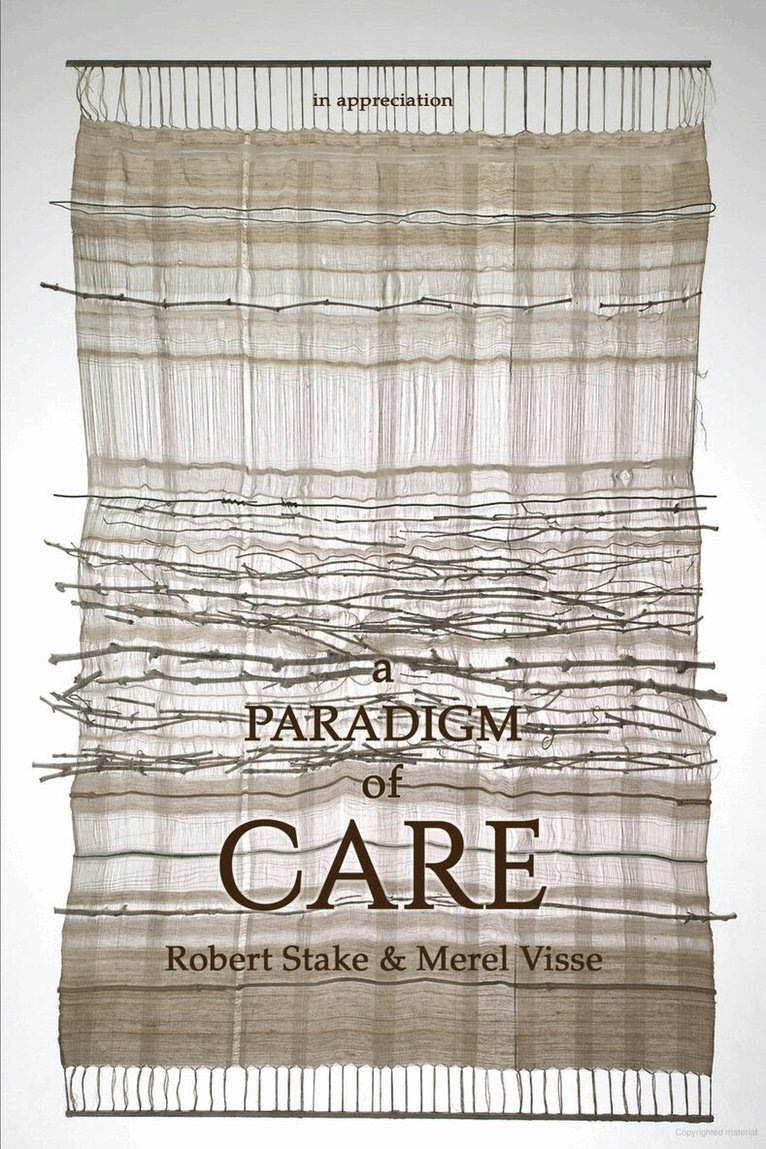
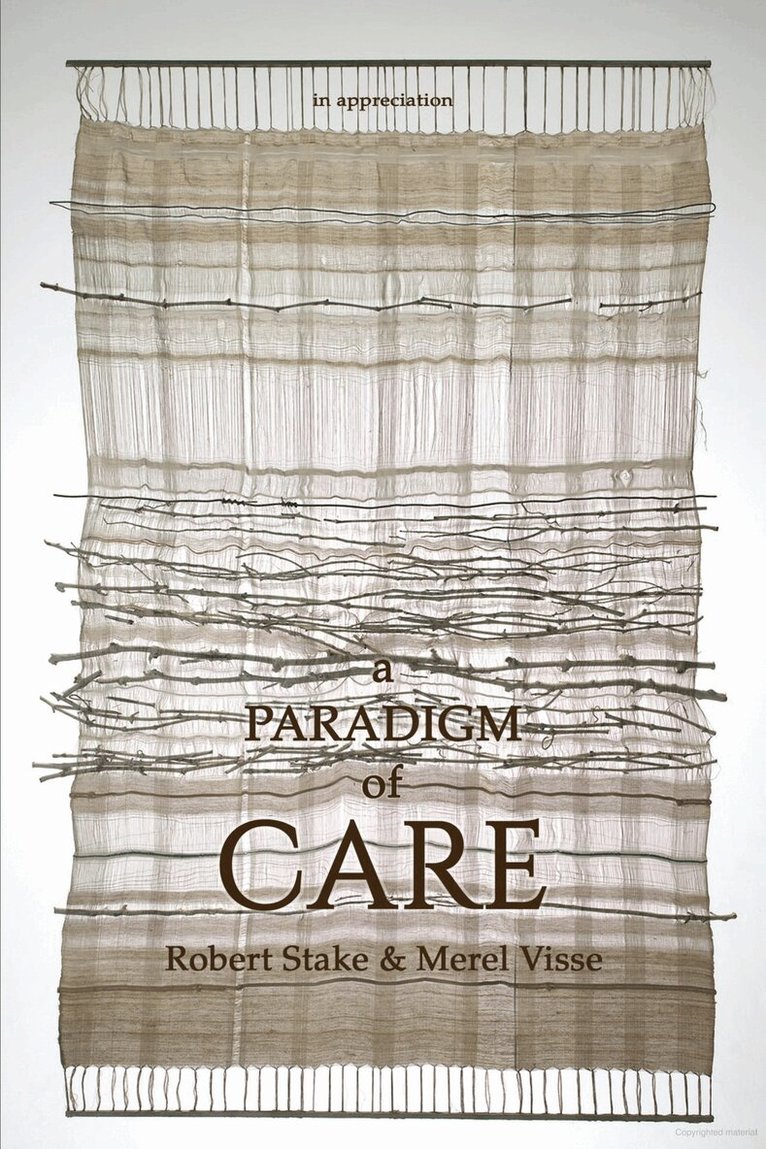
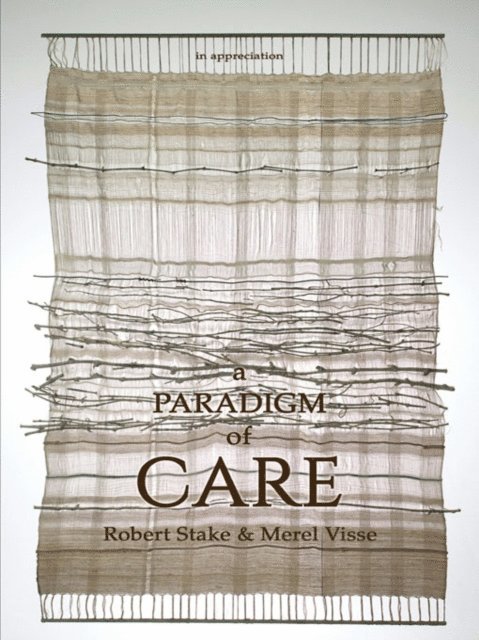
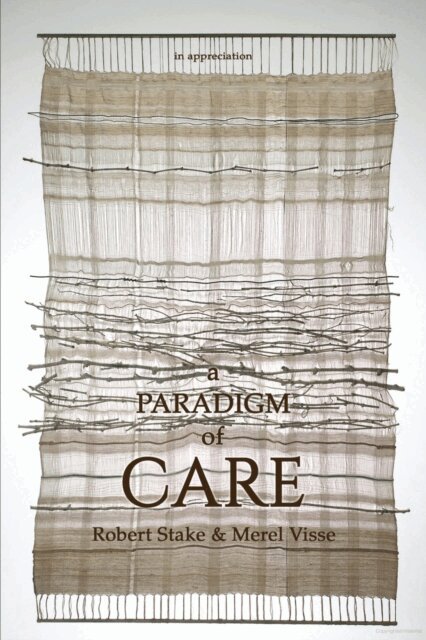
Remember the pots hammered by spoons from high Manhattan windows, and parades of cars and pick-up trucks holding dear the medical professionals responding to covid-19. This book is part of that chorus, that march, to express appreciation for the giving of care. And beyond doctors and nurses, bless their hearts, to mothers caring for their babies, for captains for their teams, for the soon-to-be widowers for their wives and teachers for their students, but also for the ranchers for their cattle and the contemplative world for our environment. This is a book to think more closely of the support for care, individual as it so often will be, to be woven more closely together in a paradigm of care.Care is always prominent. Care for others, of the family, care for those of the tribe, care for animals and homes and gardens and properties, self-care. And the purse. Even without teaching, compensation, or legislation, care survives, but even with these helpings, it falls short of the need. We live in a crisis of care. Thinking explicitly and beyond health care. There is no mechanism of state and conscience that delivers care to all the venues of need, and seldom in the amounts needed. The reservoirs of care are far from empty, but at a mark that needs topping up. There is need for care advocacy, a care ethic, a paradigm. This book is about that paradigm.A care paradigm may bring comfort and recovery more fully to the people and organic creations of the world. The paradigm hears the moan of indifference. It draws upon the eyes of the heart. The paradigm is about how we see the need for care. The care paradigm, the grand beholding, is manifest in how we provide for others, how we nurture them, give succor, how we are disposed, and are not, to sacrifice to relieve their hurt. It is not only caring for those visibly needing care, unable to care for themselves, but caring for all. It is having a disposition that the hurts, large and small, that all of us carry, arouse concern and appreciation from and for each individual, the community and the world.
980 kr
Skickas inom 7-10 vardagar
Remember the pots hammered by spoons from high Manhattan windows, and parades of cars and pick-up trucks holding dear the medical professionals responding to covid-19. This book is part of that chorus, that march, to express appreciation for the giving of care. And beyond doctors and nurses, bless their hearts, to mothers caring for their babies, for captains for their teams, for the soon-to-be widowers for their wives and teachers for their students, but also for the ranchers for their cattle and the contemplative world for our environment. This is a book to think more closely of the support for care, individual as it so often will be, to be woven more closely together in a paradigm of care.Care is always prominent. Care for others, of the family, care for those of the tribe, care for animals and homes and gardens and properties, self-care. And the purse. Even without teaching, compensation, or legislation, care survives, but even with these helpings, it falls short of the need. We live in a crisis of care. Thinking explicitly and beyond health care. There is no mechanism of state and conscience that delivers care to all the venues of need, and seldom in the amounts needed. The reservoirs of care are far from empty, but at a mark that needs topping up. There is need for care advocacy, a care ethic, a paradigm. This book is about that paradigm.A care paradigm may bring comfort and recovery more fully to the people and organic creations of the world. The paradigm hears the moan of indifference. It draws upon the eyes of the heart. The paradigm is about how we see the need for care. The care paradigm, the grand beholding, is manifest in how we provide for others, how we nurture them, give succor, how we are disposed, and are not, to sacrifice to relieve their hurt. It is not only caring for those visibly needing care, unable to care for themselves, but caring for all. It is having a disposition that the hurts, large and small, that all of us carry, arouse concern and appreciation from and for each individual, the community and the world.