678 kr
Skickas inom 10-15 vardagar
678 kr
Skickas inom 10-15 vardagar
2 467 kr
Skickas inom 10-15 vardagar
796 kr
Läs direkt efter köp
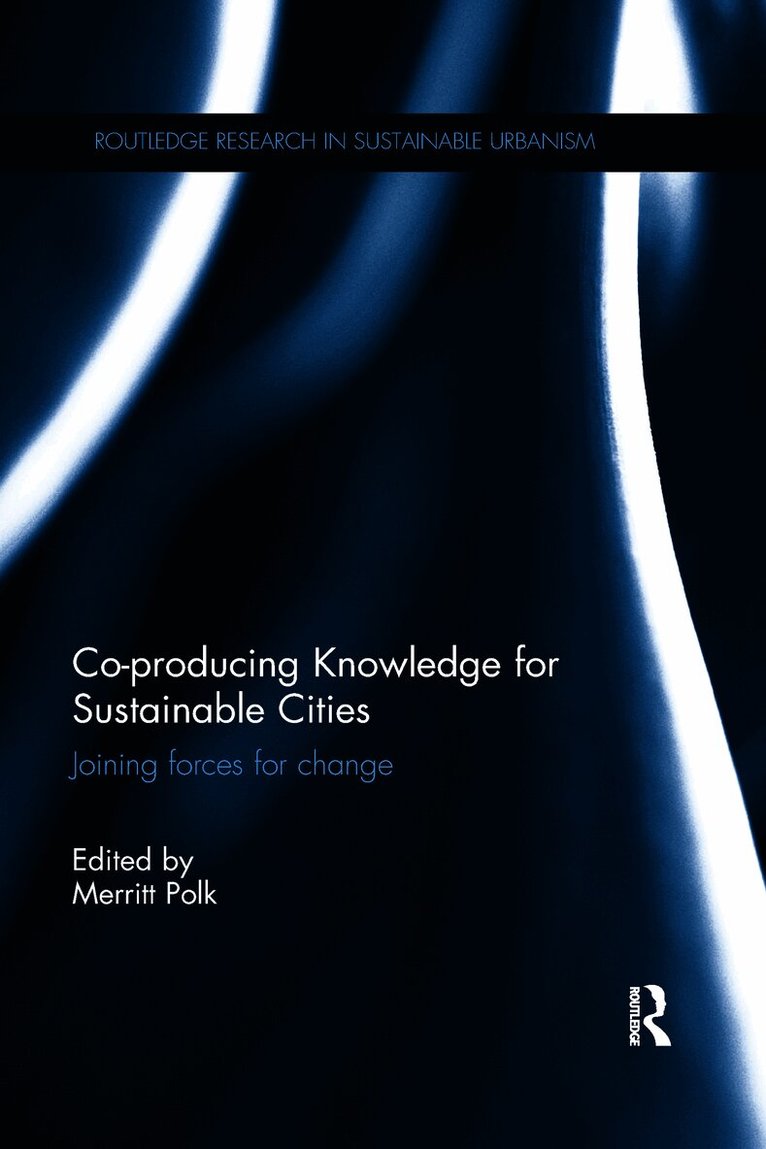
At the current time, many issues and problems within sustainable urban development are managed within traditional disciplinary and organizational structures. However, problems such as, climate change, resource constraints, poverty and social tensions all exceed current compartmentalization of policy-making, administration and knowledge production. This book provides a better understanding of how researchers and practitioners together can co-produce knowledge to better contribute to solving the complex challenges of reaching sustainable urban futures. It is written for academic and professional audiences working with urban planning and sustainable cities around the world.
Co-producing Knowledge is presented, by way of introduction, as a non-linear, collaborative approach to knowledge production which combines interdisciplinary, transdisciplinary, cross sector and policy approaches to societal problem solving. Examples are taken from Cape Town, Gothenburg, Kisumu, Manchester, Melbourne and a selection of cities in Southeast Asia. Each city chapter discusses the drivers and motivations behind knowledge co-production and gives concrete examples of activities and approaches that have been used to promote sustainable urban futures. Each chapter is written to promote mutual learning from the approaches that are already in use. Building upon these city cases, the conclusions outline an international practice and research agenda aimed at strengthening the promotion and implementation of the knowledge co-production for sustainability across diverse urban development contexts.
This book provides an overview of the diverse driving forces behind co-production, and their specific contexts and constraints in a variety of cosmopolitan urban contexts. Some of these include institutional and cross-sector barriers to co-production, the need for learning across diverse levels and contexts, and strategies for balancing scientific excellence with the needs of societal change. This book offers valuable lessons regarding the concrete implications and potential impact that co-production processes can have for different user groups, such as planners, politicians, researchers, business interests and NGOs in different urban development contexts.
796 kr
Läs direkt efter köp
At the current time, many issues and problems within sustainable urban development are managed within traditional disciplinary and organizational structures. However, problems such as, climate change, resource constraints, poverty and social tensions all exceed current compartmentalization of policy-making, administration and knowledge production. This book provides a better understanding of how researchers and practitioners together can co-produce knowledge to better contribute to solving the complex challenges of reaching sustainable urban futures. It is written for academic and professional audiences working with urban planning and sustainable cities around the world.
Co-producing Knowledge is presented, by way of introduction, as a non-linear, collaborative approach to knowledge production which combines interdisciplinary, transdisciplinary, cross sector and policy approaches to societal problem solving. Examples are taken from Cape Town, Gothenburg, Kisumu, Manchester, Melbourne and a selection of cities in Southeast Asia. Each city chapter discusses the drivers and motivations behind knowledge co-production and gives concrete examples of activities and approaches that have been used to promote sustainable urban futures. Each chapter is written to promote mutual learning from the approaches that are already in use. Building upon these city cases, the conclusions outline an international practice and research agenda aimed at strengthening the promotion and implementation of the knowledge co-production for sustainability across diverse urban development contexts.
This book provides an overview of the diverse driving forces behind co-production, and their specific contexts and constraints in a variety of cosmopolitan urban contexts. Some of these include institutional and cross-sector barriers to co-production, the need for learning across diverse levels and contexts, and strategies for balancing scientific excellence with the needs of societal change. This book offers valuable lessons regarding the concrete implications and potential impact that co-production processes can have for different user groups, such as planners, politicians, researchers, business interests and NGOs in different urban development contexts.
300 kr
Skickas inom 5-8 vardagar
735 kr
Skickas inom 5-8 vardagar
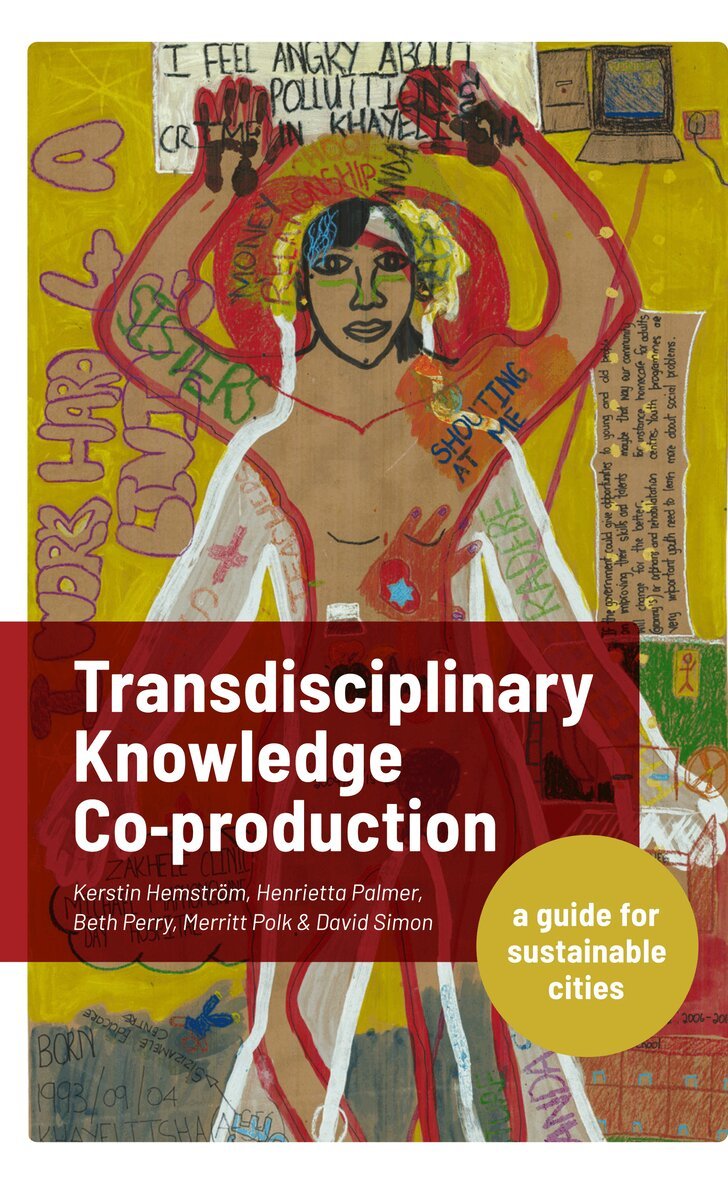
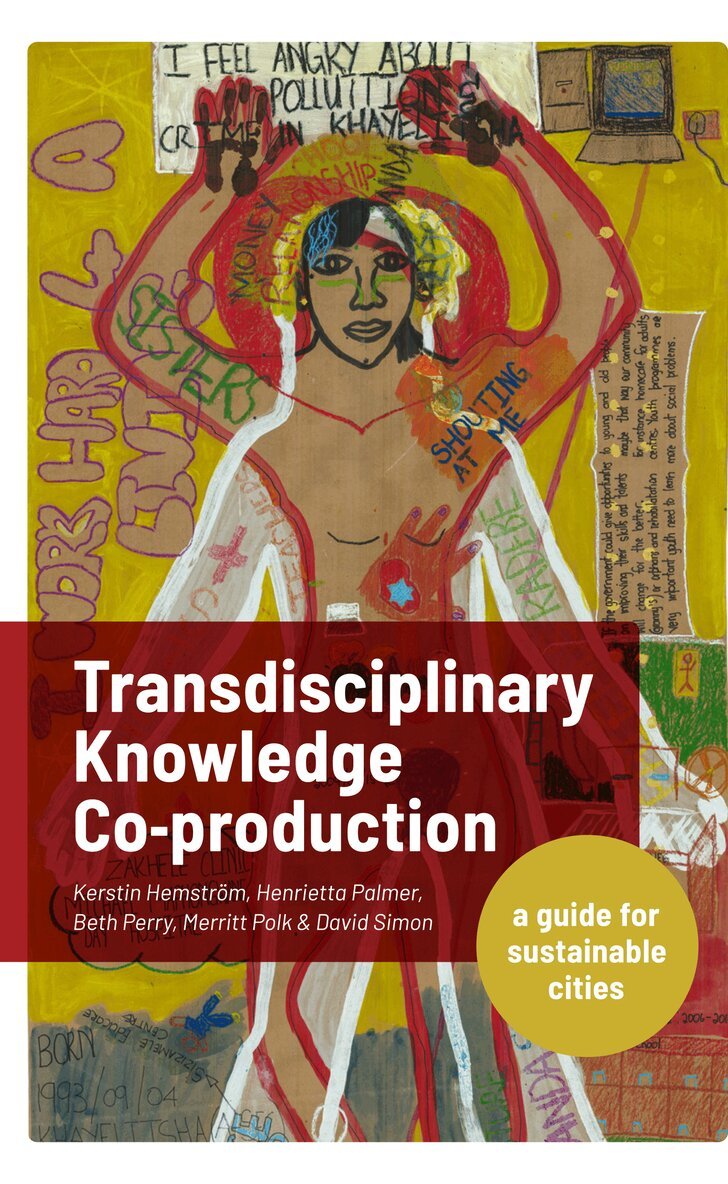
How can we create new practices for research collaboration that mirror the complexities we are facing around the world, including the impacts of climate change, widening inequalities, decreasing biodiversity and untenable consumption levels? Transdisciplinary co-production aims to address this issue, by focusing on real-world problems through collaborative processes that include a wide variety of knowledge and expertise.
Transdisciplinary co-production brings together diverse actors from, for example, universities, citizen organizations, local authorities and official agencies. Together they reflect collectively on, and propose robust solutions to, often 'wicked' challenges involved in realizing sustainable development, especially in cities. But further practical guidance that supports academic researchers and other participants or funders when they seek knowledge on how to go about it is needed.
In addition, there is no ideal or universal method for how to cross-fertilise different worlds of knowing. In each case, the broad principles and methods need to be locally contextualised and tailored to fit each specific local context. This is methodologically challenging.
This book sets out to address these challenges, with practical examples of methods in action, underpinned by a reflexive approach to learning about limitations and opportunities for advancing urban sustainability. Based on extensive experience from research projects enabled under the umbrella of Mistra Urban Futures - an international centre for sustainable urban development, the authors identify how transdisciplinary co-production can generate usable knowledge for sustainable urban futures.
678 kr
Skickas inom 10-15 vardagar
2 467 kr
Skickas inom 10-15 vardagar
796 kr
Läs direkt efter köp
At the current time, many issues and problems within sustainable urban development are managed within traditional disciplinary and organizational structures. However, problems such as, climate change, resource constraints, poverty and social tensions all exceed current compartmentalization of policy-making, administration and knowledge production. This book provides a better understanding of how researchers and practitioners together can co-produce knowledge to better contribute to solving the complex challenges of reaching sustainable urban futures. It is written for academic and professional audiences working with urban planning and sustainable cities around the world.
Co-producing Knowledge is presented, by way of introduction, as a non-linear, collaborative approach to knowledge production which combines interdisciplinary, transdisciplinary, cross sector and policy approaches to societal problem solving. Examples are taken from Cape Town, Gothenburg, Kisumu, Manchester, Melbourne and a selection of cities in Southeast Asia. Each city chapter discusses the drivers and motivations behind knowledge co-production and gives concrete examples of activities and approaches that have been used to promote sustainable urban futures. Each chapter is written to promote mutual learning from the approaches that are already in use. Building upon these city cases, the conclusions outline an international practice and research agenda aimed at strengthening the promotion and implementation of the knowledge co-production for sustainability across diverse urban development contexts.
This book provides an overview of the diverse driving forces behind co-production, and their specific contexts and constraints in a variety of cosmopolitan urban contexts. Some of these include institutional and cross-sector barriers to co-production, the need for learning across diverse levels and contexts, and strategies for balancing scientific excellence with the needs of societal change. This book offers valuable lessons regarding the concrete implications and potential impact that co-production processes can have for different user groups, such as planners, politicians, researchers, business interests and NGOs in different urban development contexts.
796 kr
Läs direkt efter köp
At the current time, many issues and problems within sustainable urban development are managed within traditional disciplinary and organizational structures. However, problems such as, climate change, resource constraints, poverty and social tensions all exceed current compartmentalization of policy-making, administration and knowledge production. This book provides a better understanding of how researchers and practitioners together can co-produce knowledge to better contribute to solving the complex challenges of reaching sustainable urban futures. It is written for academic and professional audiences working with urban planning and sustainable cities around the world.
Co-producing Knowledge is presented, by way of introduction, as a non-linear, collaborative approach to knowledge production which combines interdisciplinary, transdisciplinary, cross sector and policy approaches to societal problem solving. Examples are taken from Cape Town, Gothenburg, Kisumu, Manchester, Melbourne and a selection of cities in Southeast Asia. Each city chapter discusses the drivers and motivations behind knowledge co-production and gives concrete examples of activities and approaches that have been used to promote sustainable urban futures. Each chapter is written to promote mutual learning from the approaches that are already in use. Building upon these city cases, the conclusions outline an international practice and research agenda aimed at strengthening the promotion and implementation of the knowledge co-production for sustainability across diverse urban development contexts.
This book provides an overview of the diverse driving forces behind co-production, and their specific contexts and constraints in a variety of cosmopolitan urban contexts. Some of these include institutional and cross-sector barriers to co-production, the need for learning across diverse levels and contexts, and strategies for balancing scientific excellence with the needs of societal change. This book offers valuable lessons regarding the concrete implications and potential impact that co-production processes can have for different user groups, such as planners, politicians, researchers, business interests and NGOs in different urban development contexts.
300 kr
Skickas inom 5-8 vardagar
735 kr
Skickas inom 5-8 vardagar
How can we create new practices for research collaboration that mirror the complexities we are facing around the world, including the impacts of climate change, widening inequalities, decreasing biodiversity and untenable consumption levels? Transdisciplinary co-production aims to address this issue, by focusing on real-world problems through collaborative processes that include a wide variety of knowledge and expertise.
Transdisciplinary co-production brings together diverse actors from, for example, universities, citizen organizations, local authorities and official agencies. Together they reflect collectively on, and propose robust solutions to, often 'wicked' challenges involved in realizing sustainable development, especially in cities. But further practical guidance that supports academic researchers and other participants or funders when they seek knowledge on how to go about it is needed.
In addition, there is no ideal or universal method for how to cross-fertilise different worlds of knowing. In each case, the broad principles and methods need to be locally contextualised and tailored to fit each specific local context. This is methodologically challenging.
This book sets out to address these challenges, with practical examples of methods in action, underpinned by a reflexive approach to learning about limitations and opportunities for advancing urban sustainability. Based on extensive experience from research projects enabled under the umbrella of Mistra Urban Futures - an international centre for sustainable urban development, the authors identify how transdisciplinary co-production can generate usable knowledge for sustainable urban futures.