
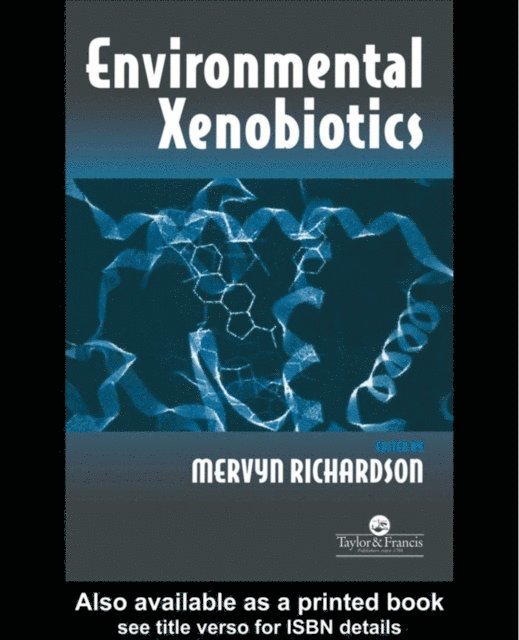
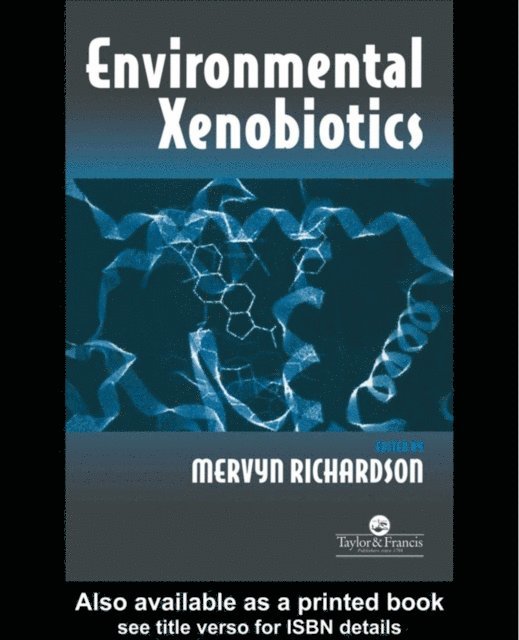
The effects of man-made substances (xenobiotics) on the natural environment are described in this volume. It explains why these effects need to be understood, monitored and curtailed, especially in developing countries.
How safe is safe enough? We live in a world that is totally dependent on chemicals, be they agrochemicals, pharmaceuticals, colorants - it is vitally important that we adopt a sustainable strategy for an environment containing some 11 million chemicals. This book provides a pragmatic guide to the basic tools of chemical safety assessment, from information retrieval, through hazard and risk assessment to safety evaluation and legal aspects. It is truly global in coverage with contributors drawn from East and West, North and South. It covers natural and artificial hazards to the environment, including the potentially catastrophic effects of modern warfare, and encompasses pollution of air, water and soil as well as occupational exposure to chemicals. Everyone with a professional interest in pollution control will find this an invaluable source of information - chemists, environmental scientists, chemical engineers, political scientists, toxicologists, ecotoxicologists, in industry, academia, government departments and international agencies - all will be guided and challenged by the wealth of knowledge it contains.
The effects of man-made substances (xenobiotics) on the natural environment are described in this volume. It explains why these effects need to be understood, monitored and curtailed, especially in developing countries.
How safe is safe enough? We live in a world that is totally dependent on chemicals, be they agrochemicals, pharmaceuticals, colorants - it is vitally important that we adopt a sustainable strategy for an environment containing some 11 million chemicals. This book provides a pragmatic guide to the basic tools of chemical safety assessment, from information retrieval, through hazard and risk assessment to safety evaluation and legal aspects. It is truly global in coverage with contributors drawn from East and West, North and South. It covers natural and artificial hazards to the environment, including the potentially catastrophic effects of modern warfare, and encompasses pollution of air, water and soil as well as occupational exposure to chemicals. Everyone with a professional interest in pollution control will find this an invaluable source of information - chemists, environmental scientists, chemical engineers, political scientists, toxicologists, ecotoxicologists, in industry, academia, government departments and international agencies - all will be guided and challenged by the wealth of knowledge it contains.