Meyer Weinberg – författare
Visar alla böcker från författaren Meyer Weinberg. Handla med fri frakt och snabb leverans.
20 produkter
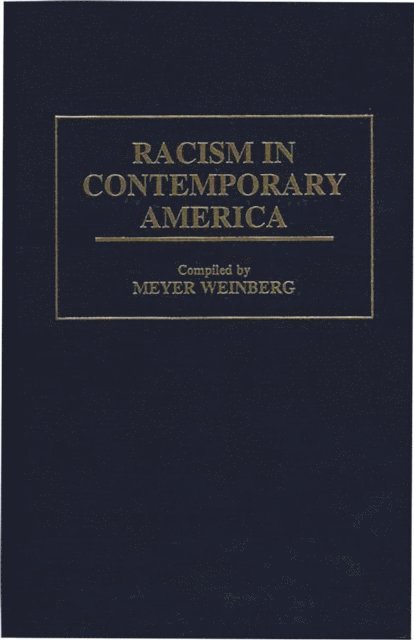
Racism in Contemporary America
E-bok, 1996
999 kr
Lägg i varukorg
Racism in Contemporary America is the largest and most up-to-date bibliography available on current research on the topic. It has been compiled by award-winning researcher Meyer Weinberg, who has spent many years writing and researching contemporary and historical aspects of racism. Almost 15,000 …
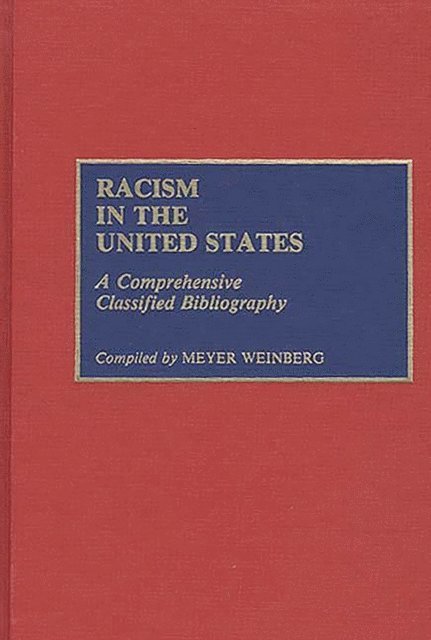
Racism in the United States
A Comprehensive Classified Bibliography
E-bok, 1990
999 kr
Lägg i varukorg
This volume represents the most comprehensive book-length bibliography on the subject of racism available in the United States. Compiler Meyer Weinberg has surveyed a wide-ranging group of material and classified it under 87 subject headings, drawing on articles, books, congressional hearings and …
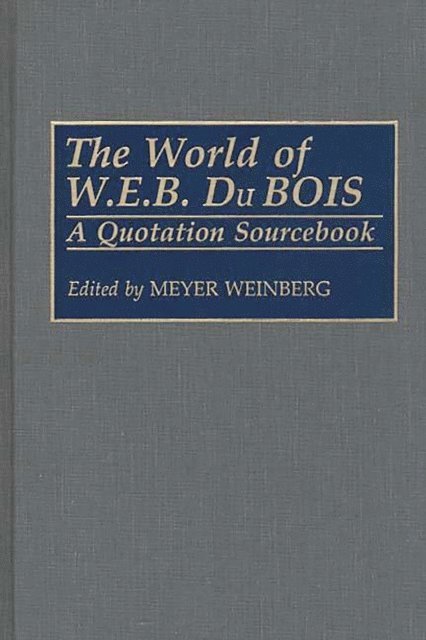
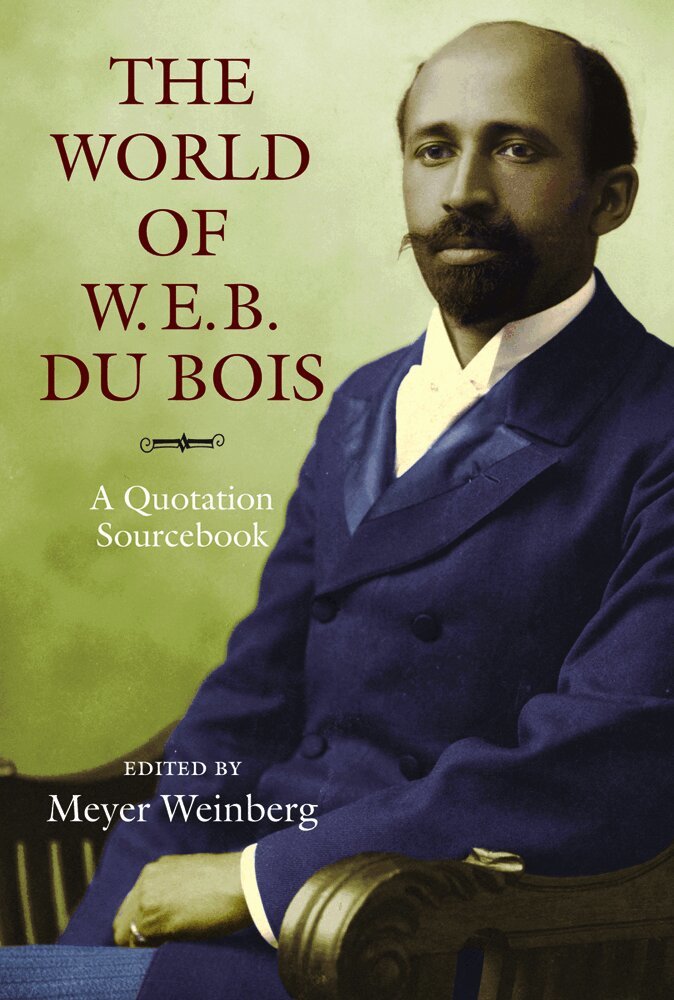
World of W.E.B. Du Bois
A Quotation Sourcebook
E-bok, 1992
833 kr
Lägg i varukorg
W.E.B. Du Bois was one of the leading activist men of letters in 20th-century America. Du Bois organized, protested, laid out programs, petitioned, and raised questions of long-term strategy and short-term tactics. He wrote detailed scholarly investigations, Souls of Black Folk and Black …
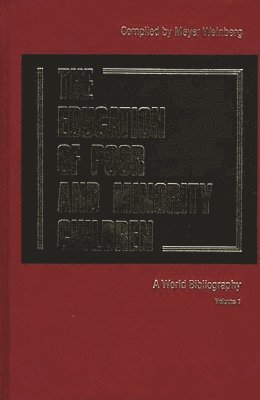
Education of the Poor and Minority Children
A World Bibliography Vol. 1
Inbunden, 1981
925 kr
Lägg i varukorg
Product information not available.
Education of Poor and Minority Children
A World Bibliography Vol. 2
Av Meyer Weinberg, Unknown m. fl.
Inbunden, 1981
925 kr
Lägg i varukorg
Product information not available.
Search for Quality Integrated Education
Policy and Research on Minority Students in School and College
Inbunden, 1983
1036 kr
Lägg i varukorg
Education of Poor and Minority Children
A World Bibliography; Supplement, 1979-1985
Inbunden, 1986
1105 kr
Lägg i varukorg
With this first supplement to his world bibliography, which was published in 1981, Weinberg continues his efforts to retrieve and provide access to the many invaluable contributions on the subject of educating the world's poor and minority children that are frequently overlooked in the prevailing …
Because They Were Jews
A History of Antisemitism
Inbunden, 1986
1098 kr
Lägg i varukorg
In Because They Were Jews, Meyer Weinberg examines the history of antisemitism in twelve representative countries from ancient times to the present. His selection includes the eight European countries with the largest number of Jews, as well as countries where Jews amounted to less than one percent …
Racism in the United States
A Comprehensive Classified Bibliography
Inbunden, 1990
925 kr
Lägg i varukorg
This volume represents the most comprehensive book-length bibliography on the subject of racism available in the United States. Compiler Meyer Weinberg has surveyed a wide-ranging group of material and classified it under 87 subject headings, drawing on articles, books, congressional hearings and …
World Racism and Related Inhumanities
A Country-By-Country Bibliography
Inbunden, 1992
925 kr
Lägg i varukorg
This is the first comprehensive, worldwide bibliography of racism. It contains references on some 135 countries and extends from ancient times to the present. The first part of the work consists of references dealing with single countries. More than 10,000 citations are organized according to …
World of W.E.B. Du Bois
A Quotation Sourcebook
Av Meyer Weinberg, Meyer Weinberg
Inbunden, 1992
784 kr
Lägg i varukorg
W.E.B. Du Bois was one of the leading activist men of letters in 20th-century America. Du Bois organized, protested, laid out programs, petitioned, and raised questions of long-term strategy and short-term tactics. He wrote detailed scholarly investigations, Souls of Black Folk and Black …
Racism in Contemporary America
Inbunden, 1996
925 kr
Lägg i varukorg
Racism in Contemporary America is the largest and most up-to-date bibliography available on current research on the topic. It has been compiled by award-winning researcher Meyer Weinberg, who has spent many years writing and researching contemporary and historical aspects of racism. Almost 15,000 …
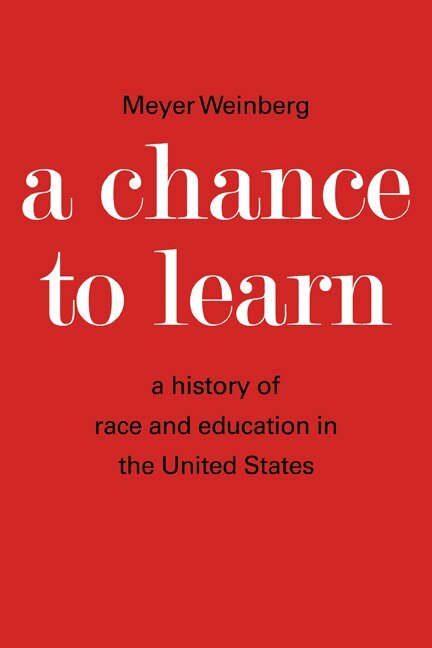
A Chance to Learn
The History of Race and Education in the United States
Häftad, 1977
870 kr
Lägg i varukorg
How - and why - have children of blacks, American Indians, Mexican-Americans, and Puerto Ricans been deprived by and often excluded from the so-called American educational system? In this classic 1977 study of a problem neglected or undervalued in most standard histories of American education, …
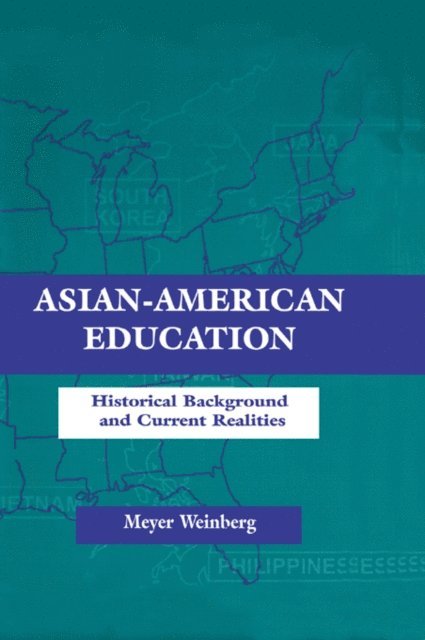
Asian-american Education
Historical Background and Current Realities
Inbunden, 1997
2439 kr
Lägg i varukorg
Asian-American Education: Historical Background and Current Realities fills a gap in the study of the social and historical experiences of Asians in U.S. schools. It is the first historical work to provide American readers with information about highly individual ethnic groups rather than viewing …
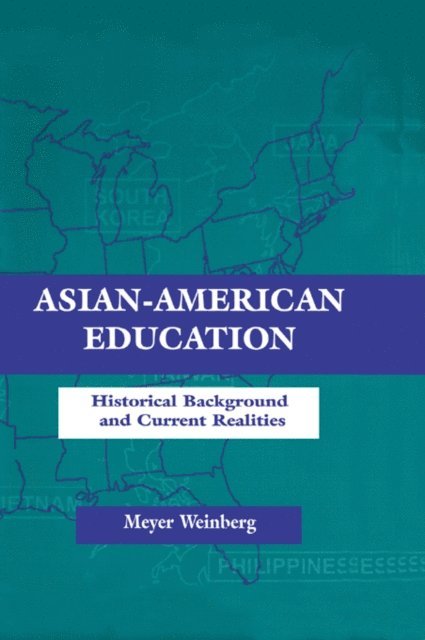
Asian-american Education
Historical Background and Current Realities
Häftad, 1997
714 kr
Lägg i varukorg
Asian-American Education: Historical Background and Current Realities fills a gap in the study of the social and historical experiences of Asians in U.S. schools. It is the first historical work to provide American readers with information about highly individual ethnic groups rather than viewing …
Asian-american Education
Historical Background and Current Realities
E-bok, 2012
873 kr
Lägg i varukorg
Asian-American Education: Historical Background and Current Realities fills a gap in the study of the social and historical experiences of Asians in U.S. schools. It is the first historical work to provide American readers with information about highly individual ethnic groups rather than viewing …
Asian-american Education
Historical Background and Current Realities
E-bok, 2012
892 kr
Lägg i varukorg
Asian-American Education: Historical Background and Current Realities fills a gap in the study of the social and historical experiences of Asians in U.S. schools. It is the first historical work to provide American readers with information about highly individual ethnic groups rather than viewing …
World of W.E.B. Du Bois
A Quotation Sourcebook
Häftad, 2013
357 kr
Tillfälligt slut
W.E.B. Du Bois (1868–1963) was one of the leading public figures of his time—an African American sociologist, historian, civil rights activist, author, and editor. He organised, protested, laid out programs, petitioned, and raised questions of long-term strategy and short-term tactics. He also …