Michael B. Kane – författare
2 338 kr
Skickas inom 10-15 vardagar
576 kr
Skickas inom 10-15 vardagar
711 kr
Skickas inom 10-15 vardagar
278 kr
Skickas inom 10-15 vardagar
654 kr
Läs direkt efter köp
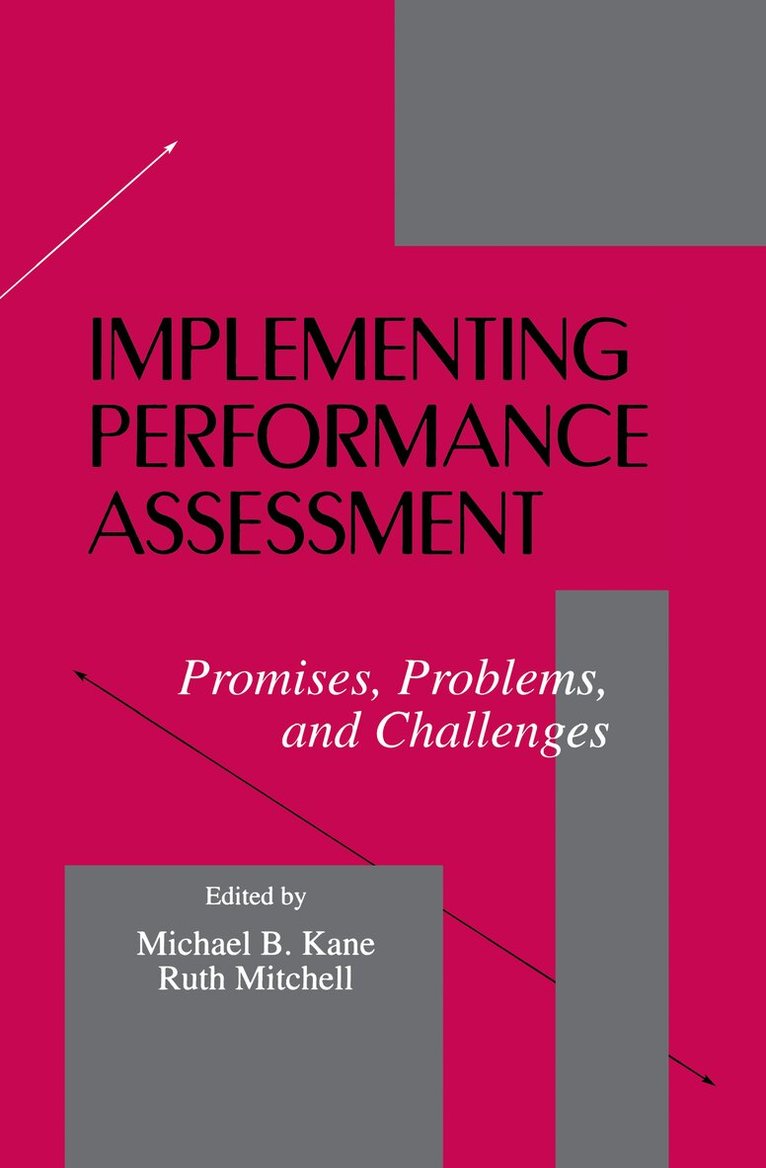
As the commitment to performance assessments as a strategy of reform has increased across the nation, so has the controversy surrounding the purposes, development, implementation, and effects of alternative forms of assessment. One of the first of its kind, this edited volume provides an incisive and comprehensive account of the issues pertaining to performance assessments. The 10 papers comprising the volume were originally written to establish a conceptual framework for a three-year U.S. Department of Education, Office of Educational Research and Improvement sponsored national study of performance assessments. Written by leading experts in the field, the papers explicate the central issues regarding the development, implementation, and utility of performance assessments. The topics covered by the papers include: * a discussion of contemporary as well as historical events in the performance assessment movement; * technical characteristics of performance assessments, including reliability, validity, generalizability, and calibration; * conceptualization and calculation of the costs of performance assessments; * the implications of performance assessments on students who have traditionally done less well in American schools, including racial and linguistic minorities; * the fit between performance assessments and organizational change in education; and * the utilization of performance assessment as an instrument of state policy. Readers will find the policy and technical issues covered in this volume to be useful from a variety of academic, research, and policy perspectives including conceptualizing and implementing performance assessments.
654 kr
Läs direkt efter köp
As the commitment to performance assessments as a strategy of reform has increased across the nation, so has the controversy surrounding the purposes, development, implementation, and effects of alternative forms of assessment. One of the first of its kind, this edited volume provides an incisive and comprehensive account of the issues pertaining to performance assessments. The 10 papers comprising the volume were originally written to establish a conceptual framework for a three-year U.S. Department of Education, Office of Educational Research and Improvement sponsored national study of performance assessments. Written by leading experts in the field, the papers explicate the central issues regarding the development, implementation, and utility of performance assessments. The topics covered by the papers include: * a discussion of contemporary as well as historical events in the performance assessment movement; * technical characteristics of performance assessments, including reliability, validity, generalizability, and calibration; * conceptualization and calculation of the costs of performance assessments; * the implications of performance assessments on students who have traditionally done less well in American schools, including racial and linguistic minorities; * the fit between performance assessments and organizational change in education; and * the utilization of performance assessment as an instrument of state policy. Readers will find the policy and technical issues covered in this volume to be useful from a variety of academic, research, and policy perspectives including conceptualizing and implementing performance assessments.
294 kr
Läs direkt efter köp
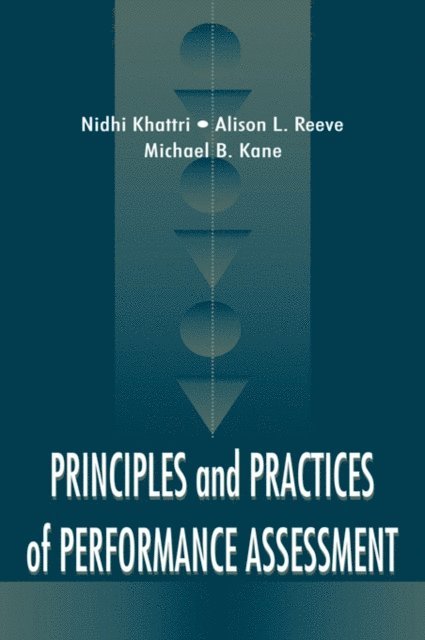
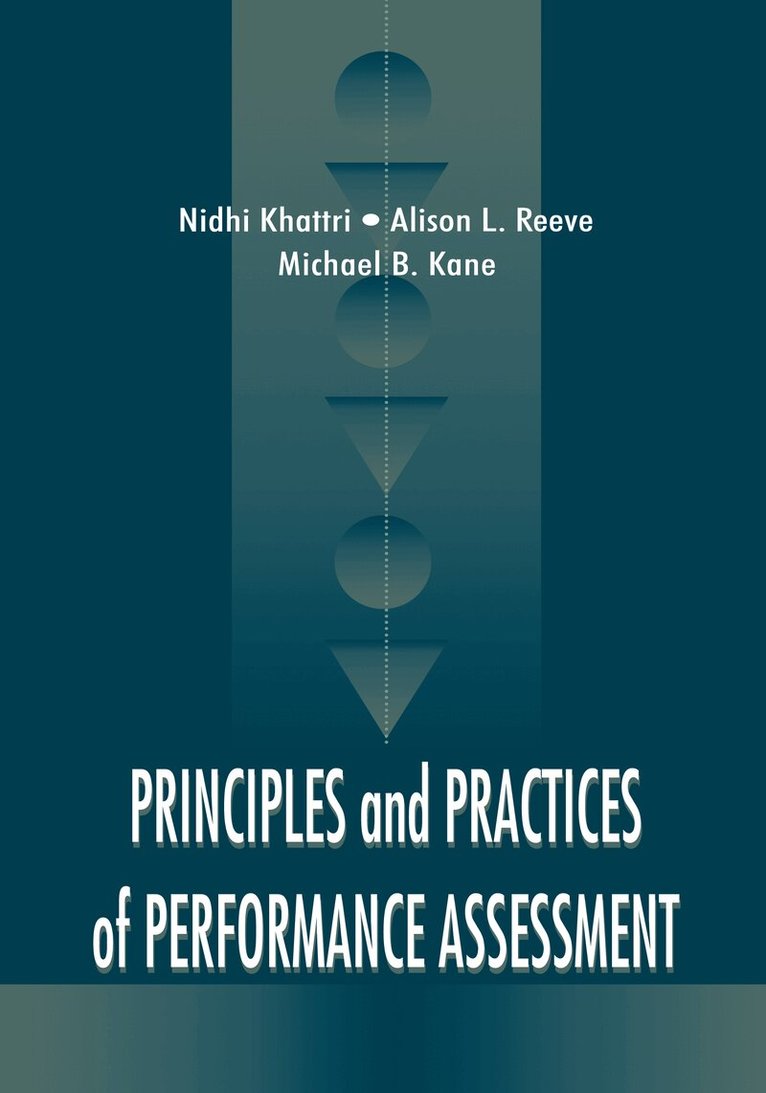
This volume explores the recent national trend toward adoption of performance assessments. Embraced at all levels of educational decision-making--state, district, school, and teacher--the shapes these assessments take and the affects they have at the classroom level can differ significantly from one setting to another. Based on case studies of 16 schools, this study describes what performance assessments actually look like--the types of tasks they pose to children, the scoring methods used, the purposes to which they are put, and how they fit in with other components of assessment systems. It also shows how they differ when they are introduced by state departments of education, districts, and schools themselves. Factors that affect policymakers'' and educators'' abilities to successfully design and introduce performance assessments are also explored. These include the purposeful coordination of performance assessment with related education reforms, such as the adoption of content and student performance standards, and the professional development for teachers necessary to the successful implementation of performance assessments. Barriers to adoption, most notably the challenges of developing a technically sound performance assessment, are discussed as well. Crucial to teachers'' ability to appropriate performance assessments for use in their own classrooms is their invovlement in designing and implementing them. Although it would be impossible for a state or school district to involve all teachers in the design of a performance assessment, they can take steps to foster teachers'' understanding of the purposes and methods of the assessment, thereby supporting their ability to use similar methods in their daily teaching. Toward that end, this book describes the experiences of teachers and students with a range of assessments that all fall under the umbrella of performance assessment. In addition, it provides: *rich illustrations of those experiences across a diverse group of schools; *descriptions of the trade-offs inherent in developing a student assessment system; *demonstrations of why no single assessment can be "all things to all people;" and *valuable insights for teachers, administrators, policymakers, and researchers who want to improve their understanding of how performance assessments work in practice and how they may best serve to improve teaching and learning.
294 kr
Läs direkt efter köp
This volume explores the recent national trend toward adoption of performance assessments. Embraced at all levels of educational decision-making--state, district, school, and teacher--the shapes these assessments take and the affects they have at the classroom level can differ significantly from one setting to another. Based on case studies of 16 schools, this study describes what performance assessments actually look like--the types of tasks they pose to children, the scoring methods used, the purposes to which they are put, and how they fit in with other components of assessment systems. It also shows how they differ when they are introduced by state departments of education, districts, and schools themselves. Factors that affect policymakers'' and educators'' abilities to successfully design and introduce performance assessments are also explored. These include the purposeful coordination of performance assessment with related education reforms, such as the adoption of content and student performance standards, and the professional development for teachers necessary to the successful implementation of performance assessments. Barriers to adoption, most notably the challenges of developing a technically sound performance assessment, are discussed as well. Crucial to teachers'' ability to appropriate performance assessments for use in their own classrooms is their invovlement in designing and implementing them. Although it would be impossible for a state or school district to involve all teachers in the design of a performance assessment, they can take steps to foster teachers'' understanding of the purposes and methods of the assessment, thereby supporting their ability to use similar methods in their daily teaching. Toward that end, this book describes the experiences of teachers and students with a range of assessments that all fall under the umbrella of performance assessment. In addition, it provides: *rich illustrations of those experiences across a diverse group of schools; *descriptions of the trade-offs inherent in developing a student assessment system; *demonstrations of why no single assessment can be "all things to all people;" and *valuable insights for teachers, administrators, policymakers, and researchers who want to improve their understanding of how performance assessments work in practice and how they may best serve to improve teaching and learning.