Michael C. Abraham – författare
Visar alla böcker från författaren Michael C. Abraham. Handla med fri frakt och snabb leverans.
3 produkter
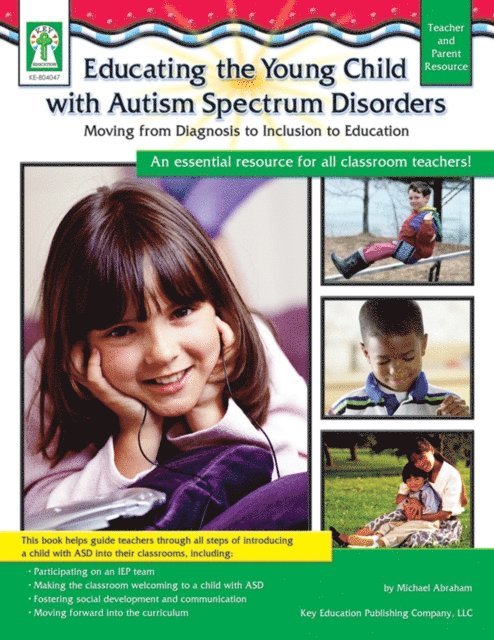
Educating the Young Child with Autism Spectrum Disorders, Grades PK - 3
Moving from Diagnosis to Inclusion to Education
Av Sherrill B. Flora, Michael C. Abraham
E-bok, 2010
151 kr
Lägg i varukorg
Move from diagnosis to inclusion to education using Educating the Young Child with Autism Spectrum Disorders for all grades. Due to a trend toward inclusion, increased incidence, and increased and broadening diagnosis, many teachers expect to encounter students with Autism Spectrum Disorders (ASD). …
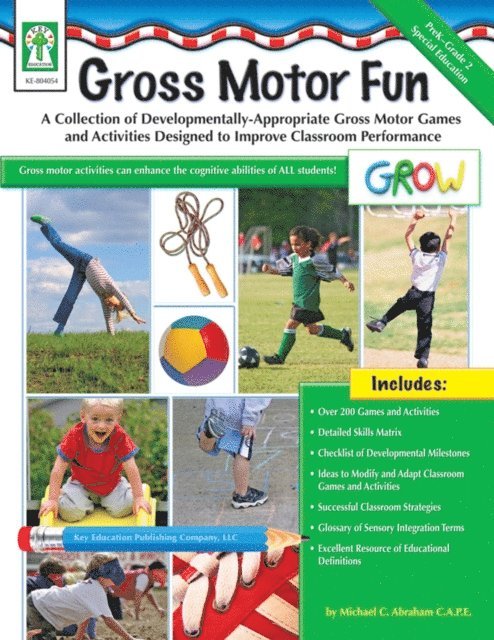
Gross Motor Fun, Grades PK - 2
A Collection of Developmentally-Appropriate Gross Motor Games and Activities Designed to Improve Classroom Performance
E-bok, 2010
258 kr
Lägg i varukorg
Engage the minds and bodies of students in grades PK–2 in learning fun with Gross Motor Fun! This 160-page book helps students improve academic skills, fitness, motor skills, and confidence with more than 200 games and activities. It also explores the connection between learning and movement. …
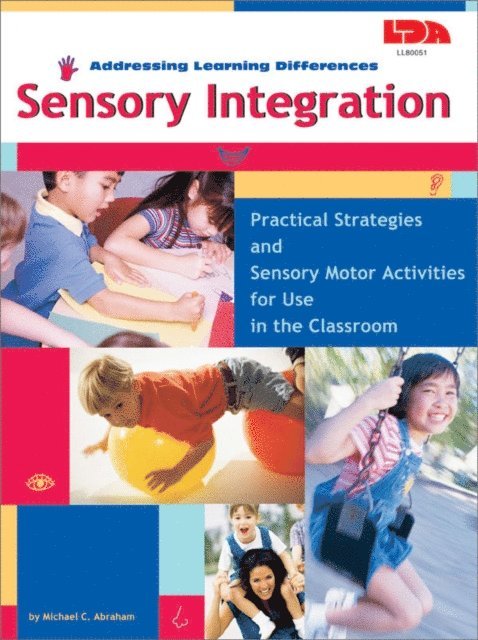
Sensory Integration, Grades PK - 2
E-bok, 2012
180 kr
Lägg i varukorg
Addressing the needs of children with sensory integration dysfunction, this handbook offers practical, detailed information. Using the tools provided, teachers can make careful observations to understand sensory problems. By recognizing a child''s underlying difficulties, such as hypersensitivity …