658 kr
Skickas inom 5-8 vardagar
658 kr
Skickas inom 5-8 vardagar
359 kr
Läs direkt efter köp
Click here to read the new Afterword.
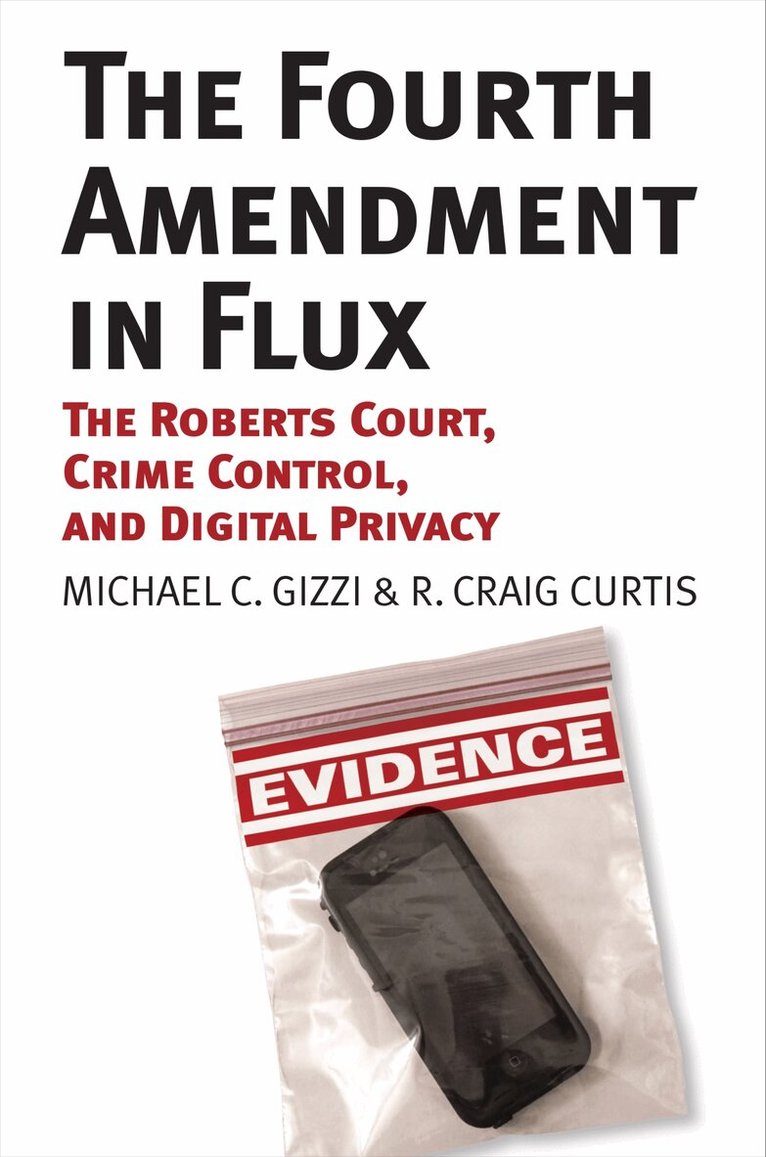
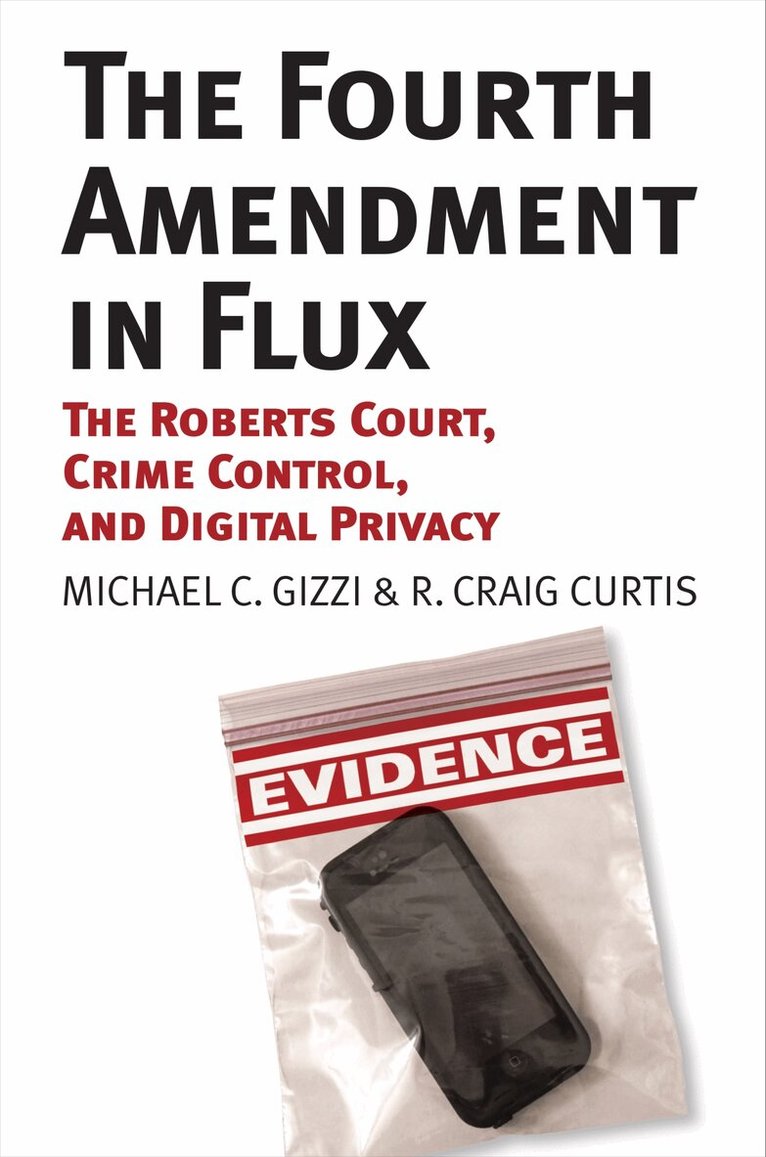
When the Founders penned the Fourth Amendment to the Constitution, it was not difficult to identify the “persons, houses, papers, and effects” they meant to protect; nor was it hard to understand what “unreasonable searches and seizures” were. The Fourth Amendment was intended to stop the use of general warrants and writs of assistance and applied primarily to protect the home. Flash forward to a time of digital devices, automobiles, the war on drugs, and a Supreme Court dominated by several decades of the jurisprudence of crime control, and the legal meaning of everything from “effects” to “seizures” has dramatically changed. Michael C. Gizzi and R. Craig Curtis make sense of these changes in The Fourth Amendment in Flux. The book traces the development and application of search and seizure law and jurisprudence over time, with particular emphasis on decisions of the Roberts Court.
Cell phones, GPS tracking devices, drones, wiretaps, the Patriot Act, constantly changing technology, and a political culture that emphasizes crime control create new challenges for Fourth Amendment interpretation and jurisprudence. This work exposes the tensions caused by attempts to apply pretechnological legal doctrine to modern problems of digital privacy. In their analysis of the Roberts Court’s relevant decisions, Gizzi and Curtis document the different approaches to the law that have been applied by the justices since the Obama nominees took their seats on the court. Their account, combining law, political science, and history, provides insight into the court’s small group dynamics, and traces changes regarding search and seizure law in the opinions of one of its longest serving members, Justice Antonin Scalia.
At a time when issues of privacy are increasingly complicated by technological advances, this overview and analysis of Fourth Amendment law is especially welcome—an invaluable resource as we address the enduring question of how to balance freedom against security in the context of the challenges of the twenty-first century.
390 kr
Skickas inom 11-20 vardagar
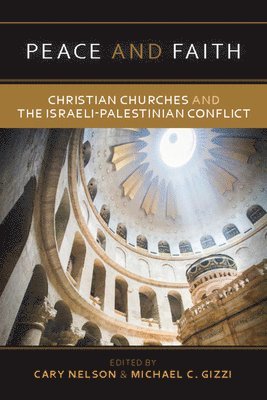
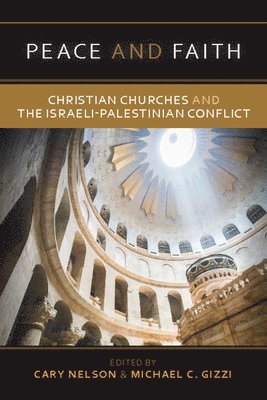
PEACEAND FAITH: Christian Churches and the Israeli-Palestinian Conflict, composedof new essays, is the first collection to bring together writers from differentfaith communities to discuss the Boycott, Divestment, and Sanctions movementsimpact on one of the more fractious topics addressed by Christiandenominations: the Israeli-Palestinian conflict. In so doing, it builds oninterfaith projects under way for decades. Theology and politics intermingle indebates taking place in local churches, Christian NGOs, and national church meetingsthat define official policy. The debates revive and reframe the most basicvalues of Christianity and the questions church members seek to resolve: How doChristians today hew to the principles Jesus articulated? How can justice bepursued in the context of competing national narratives and historicalunderstandings? What bearing do or should centuries of Christian violenceagainst Jews and Muslims have on contemporary theology and ethics? Is itethical, or even possible, to set aside millennia of Christian anti-Semitism injudging Israels conduct? What Christian values should be honored in pursuingJesuss mission of reconciliation today? How may the pursuit of truth becorrupted by passionate social witness? Can advocacy cross the line into hatred?These are among the critical questions this collection poses and attempts toaddress.
275 kr
Skickas inom 5-8 vardagar
179 kr
Skickas inom 3-6 vardagar
315 kr
Tillfälligt slut
658 kr
Skickas inom 5-8 vardagar
359 kr
Läs direkt efter köp
Click here to read the new Afterword.
When the Founders penned the Fourth Amendment to the Constitution, it was not difficult to identify the “persons, houses, papers, and effects” they meant to protect; nor was it hard to understand what “unreasonable searches and seizures” were. The Fourth Amendment was intended to stop the use of general warrants and writs of assistance and applied primarily to protect the home. Flash forward to a time of digital devices, automobiles, the war on drugs, and a Supreme Court dominated by several decades of the jurisprudence of crime control, and the legal meaning of everything from “effects” to “seizures” has dramatically changed. Michael C. Gizzi and R. Craig Curtis make sense of these changes in The Fourth Amendment in Flux. The book traces the development and application of search and seizure law and jurisprudence over time, with particular emphasis on decisions of the Roberts Court.
Cell phones, GPS tracking devices, drones, wiretaps, the Patriot Act, constantly changing technology, and a political culture that emphasizes crime control create new challenges for Fourth Amendment interpretation and jurisprudence. This work exposes the tensions caused by attempts to apply pretechnological legal doctrine to modern problems of digital privacy. In their analysis of the Roberts Court’s relevant decisions, Gizzi and Curtis document the different approaches to the law that have been applied by the justices since the Obama nominees took their seats on the court. Their account, combining law, political science, and history, provides insight into the court’s small group dynamics, and traces changes regarding search and seizure law in the opinions of one of its longest serving members, Justice Antonin Scalia.
At a time when issues of privacy are increasingly complicated by technological advances, this overview and analysis of Fourth Amendment law is especially welcome—an invaluable resource as we address the enduring question of how to balance freedom against security in the context of the challenges of the twenty-first century.
390 kr
Skickas inom 11-20 vardagar
PEACEAND FAITH: Christian Churches and the Israeli-Palestinian Conflict, composedof new essays, is the first collection to bring together writers from differentfaith communities to discuss the Boycott, Divestment, and Sanctions movementsimpact on one of the more fractious topics addressed by Christiandenominations: the Israeli-Palestinian conflict. In so doing, it builds oninterfaith projects under way for decades. Theology and politics intermingle indebates taking place in local churches, Christian NGOs, and national church meetingsthat define official policy. The debates revive and reframe the most basicvalues of Christianity and the questions church members seek to resolve: How doChristians today hew to the principles Jesus articulated? How can justice bepursued in the context of competing national narratives and historicalunderstandings? What bearing do or should centuries of Christian violenceagainst Jews and Muslims have on contemporary theology and ethics? Is itethical, or even possible, to set aside millennia of Christian anti-Semitism injudging Israels conduct? What Christian values should be honored in pursuingJesuss mission of reconciliation today? How may the pursuit of truth becorrupted by passionate social witness? Can advocacy cross the line into hatred?These are among the critical questions this collection poses and attempts toaddress.
275 kr
Skickas inom 5-8 vardagar
179 kr
Skickas inom 3-6 vardagar
315 kr
Tillfälligt slut