
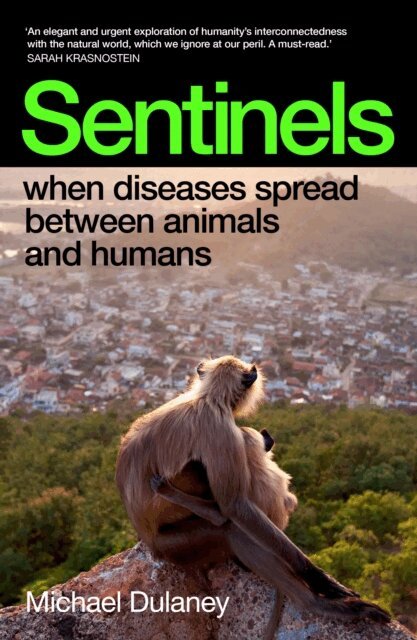
Humans have long observed animals for advanced warnings of danger. What can they tell us about the growing threat of contagion in the age of climate change?Diseases today reveal our close ties to animals. Viruses leap from bats to camels to humans. Cats catch the flu, and tourists pass tuberculosis to elephants. In recent years, however, something has changed. Exploitation of the environment is causing more diseases to jump species than ever before a threat to life that rivals climate change. The science is clear: the cause of this great acceleration is us.In Sentinels, Michael Dulaney takes readers from southern China to the Andes, from the Arctic to Australia, to tell the gripping stories of the people and animals at the forefront of this enormous change. Dulaney joins ecologists tracking flying foxes through Australia s eastern forests, and frog hunters netting endangered species on Indonesian mountains. Along the way, we meet lemmings that resist global warming, coastal seals with bird flu, and genetically engineered disease-proof pigs.Combining vivid field reporting with natural history, these stories move beyond the fear of contagion to explore the beauty and resilience of life, and the human capacity to regenerate as much as to destroy. Urgent, moving, and deeply informed, Sentinels is an essential reckoning with our intimate connection to nature, and a call to build a fairer world for all.
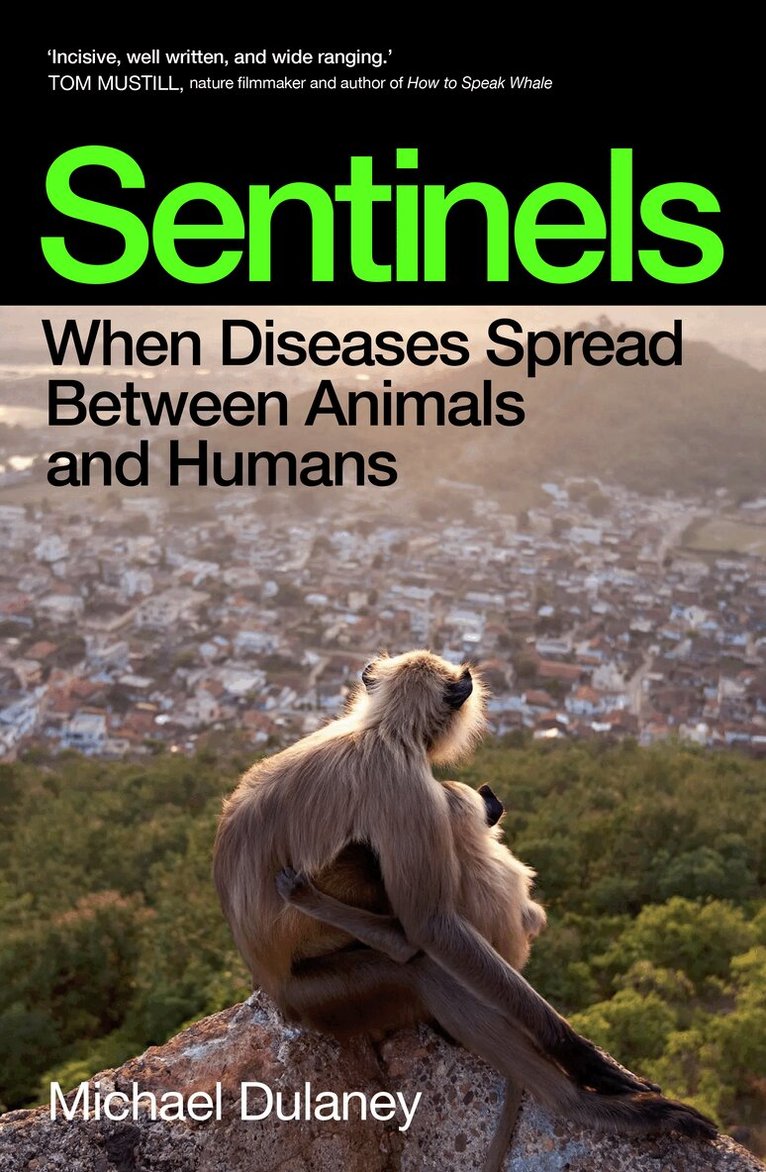
Humans have long observed animals for advanced warnings of danger. What can they tell us about the growing threat of viruses and other infectious organisms in the age of climate change?Coronaviruses jump from bats to chimpanzees to humans. You can give your cat the flu, and pass tuberculosis to an elephant. The scientific term for this — zoonosis — is a word of the future, one that reveals how human and animal lives are inextricably linked. For scientists now warn that human destruction of the environment is responsible for the accelerating spillover of animal diseases, posing a global health threat.In a journey that will takes readers from southern China to West Africa, from Antarctica to Australia, journalist Michael Dulaney tracks the surprising ways that people and animals are navigating our shared future — along the way meeting camels in Saudi Arabian beauty pageants, coastal seals with bird flu, and genetically engineered disease-proof pigs. In prose that is entertaining, moving, and deeply informed, Sentinels is not just about fears of contagion, but about the wonder of nature, and understanding our species’ capacity to regenerate and revitalise as much as to destroy.
Humans have long observed animals for advanced warnings of danger. What can they tell us about the growing threat of contagion in the age of climate change?Diseases today reveal our close ties to animals. Viruses leap from bats to camels to humans. Cats catch the flu, and tourists pass tuberculosis to elephants. In recent years, however, something has changed. Exploitation of the environment is causing more diseases to jump species than ever before a threat to life that rivals climate change. The science is clear: the cause of this great acceleration is us.In Sentinels, Michael Dulaney takes readers from southern China to the Andes, from the Arctic to Australia, to tell the gripping stories of the people and animals at the forefront of this enormous change. Dulaney joins ecologists tracking flying foxes through Australia s eastern forests, and frog hunters netting endangered species on Indonesian mountains. Along the way, we meet lemmings that resist global warming, coastal seals with bird flu, and genetically engineered disease-proof pigs.Combining vivid field reporting with natural history, these stories move beyond the fear of contagion to explore the beauty and resilience of life, and the human capacity to regenerate as much as to destroy. Urgent, moving, and deeply informed, Sentinels is an essential reckoning with our intimate connection to nature, and a call to build a fairer world for all.
Humans have long observed animals for advanced warnings of danger. What can they tell us about the growing threat of viruses and other infectious organisms in the age of climate change?Coronaviruses jump from bats to chimpanzees to humans. You can give your cat the flu, and pass tuberculosis to an elephant. The scientific term for this — zoonosis — is a word of the future, one that reveals how human and animal lives are inextricably linked. For scientists now warn that human destruction of the environment is responsible for the accelerating spillover of animal diseases, posing a global health threat.In a journey that will takes readers from southern China to West Africa, from Antarctica to Australia, journalist Michael Dulaney tracks the surprising ways that people and animals are navigating our shared future — along the way meeting camels in Saudi Arabian beauty pageants, coastal seals with bird flu, and genetically engineered disease-proof pigs. In prose that is entertaining, moving, and deeply informed, Sentinels is not just about fears of contagion, but about the wonder of nature, and understanding our species’ capacity to regenerate and revitalise as much as to destroy.