Michael F. Land – författare
Visar alla böcker från författaren Michael F. Land. Handla med fri frakt och snabb leverans.
5 produkter
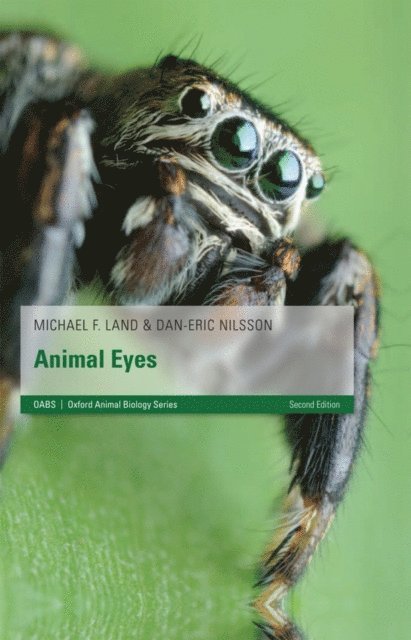
Animal Eyes
Av Dan-Eric Nilsson, Michael F. Land
E-bok, 2012
831 kr
Lägg i varukorg
Animal Eyes provides a comparative account of all known types of eye in the animal kingdom, outlining their structure and function with an emphasis on the nature of the optical systems and the physical principles involved in image formation. A universal theme throughout the book is the evolution …
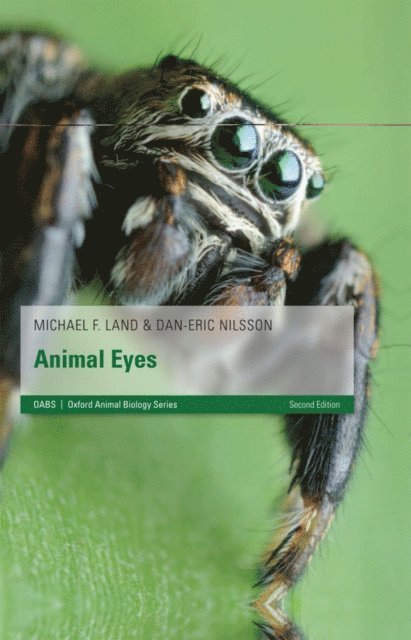
Animal Eyes
Av Dan-Eric Nilsson, Michael F. Land
E-bok, 2012
831 kr
Lägg i varukorg
Animal Eyes provides a comparative account of all known types of eye in the animal kingdom, outlining their structure and function with an emphasis on the nature of the optical systems and the physical principles involved in image formation. A universal theme throughout the book is the evolution …
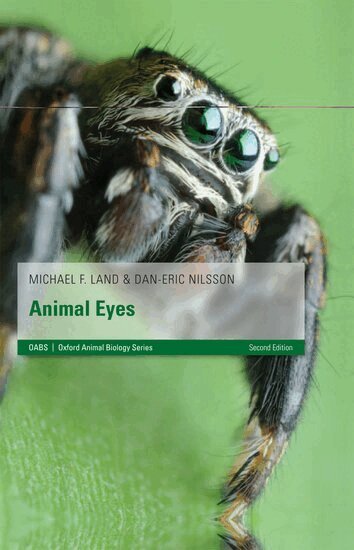
Animal Eyes
Av Michael F. Land, Dan-Eric Nilsson
Inbunden, 2012
2655 kr
Lägg i varukorg
Animal Eyes provides a comparative account of all known types of eye in the animal kingdom, outlining their structure and function with an emphasis on the nature of the optical systems and the physical principles involved in image formation. A universal theme throughout the book is the evolution …
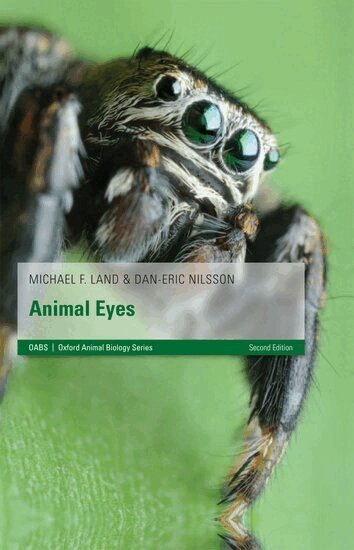
Animal Eyes
Av Michael F. Land, Dan-Eric Nilsson
Häftad, 2012
1122 kr
Lägg i varukorg
Animal Eyes provides a comparative account of all known types of eye in the animal kingdom, outlining their structure and function with an emphasis on the nature of the optical systems and the physical principles involved in image formation. A universal theme throughout the book is the evolution …
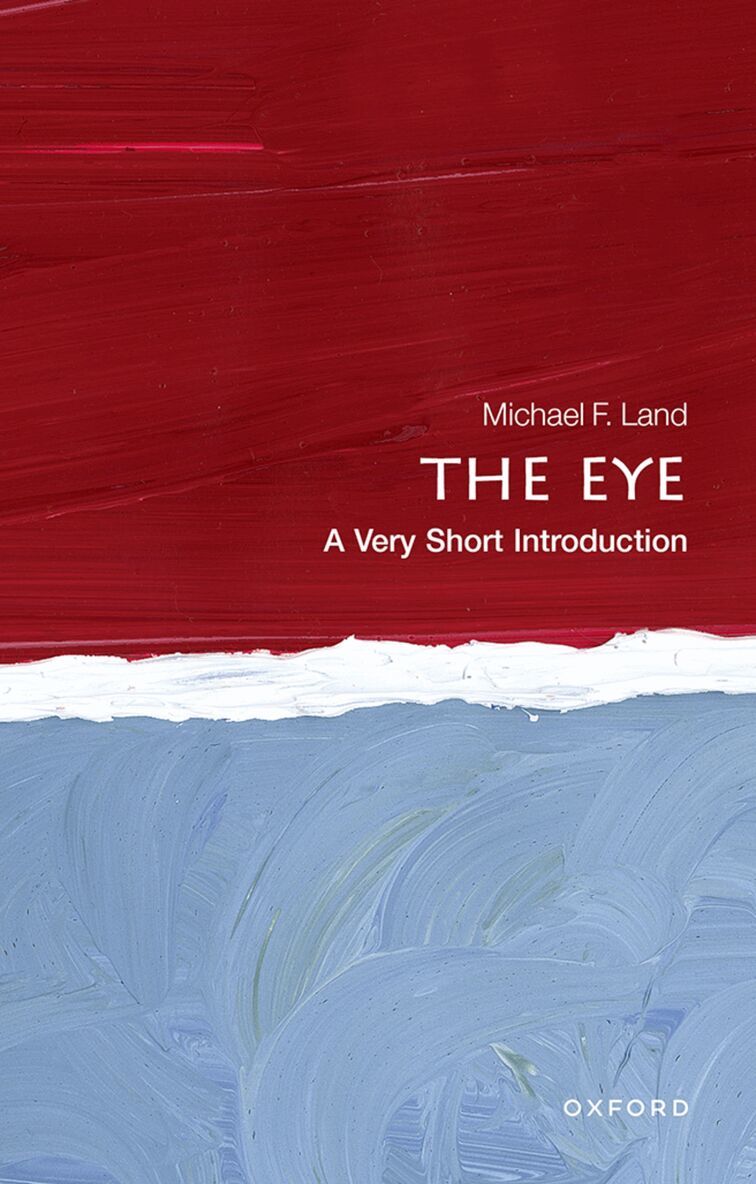
The Eye
A Very Short Introduction
Häftad, 2014
109 kr
Lägg i varukorg
The eye is one of the most remarkable achievements of evolution, and has evolved up to 40 times in different parts of the animal kingdom. In humans, vision is the most important sense, and much of the brain is given over to the processing of visual information. In this Very Short Introduction, …