Michael Gänzle - Böcker
Visar alla böcker från författaren Michael Gänzle. Handla med fri frakt och snabb leverans.
5 produkter
5 produkter
2 183 kr
Skickas inom 5-8 vardagar
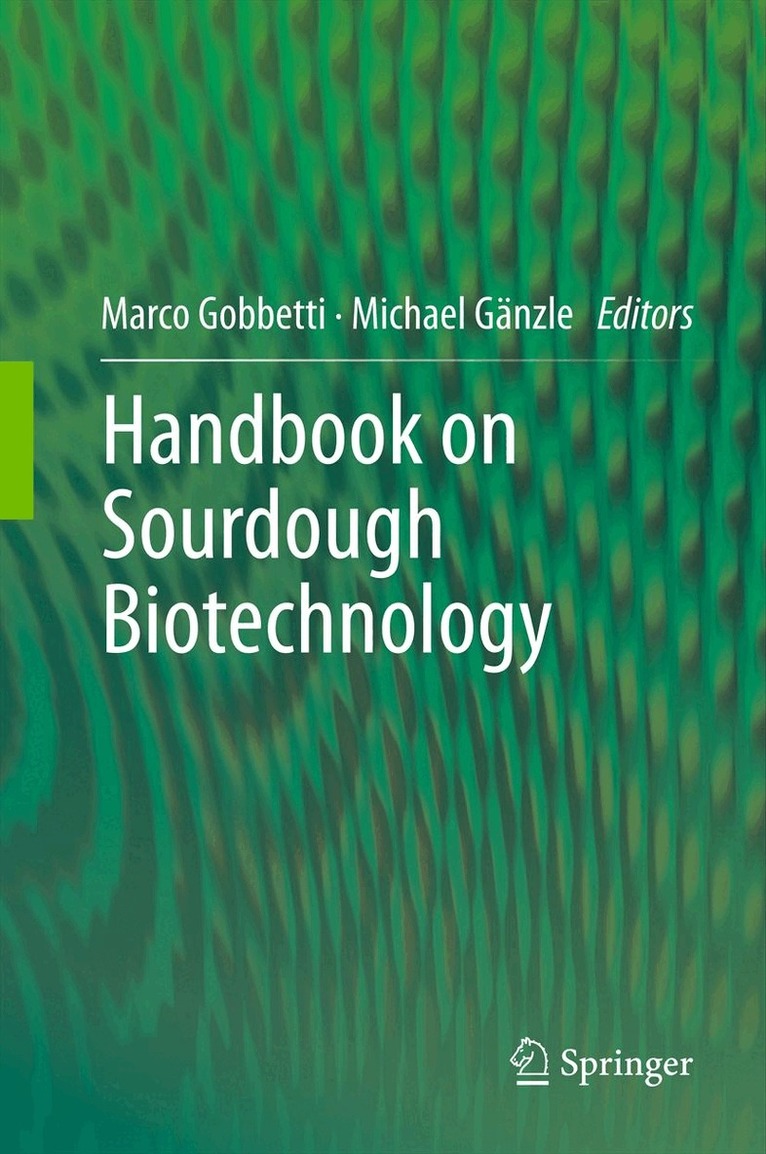
To the best of our knowledge, there has been no single book dedicated to sourdough biotechnology, and which clearly demonstrate its potential. This book aims at defining and highlighting the microbiological, technological, nutritional, and chemical aspects of sourdough biotechnology.
Del 71 - Burleigh Dodds Science: Instant Insights
Instant Insights: Nutritional Benefits of Milk
Häftad, Engelska, 2023
677 kr
Skickas inom 5-8 vardagar
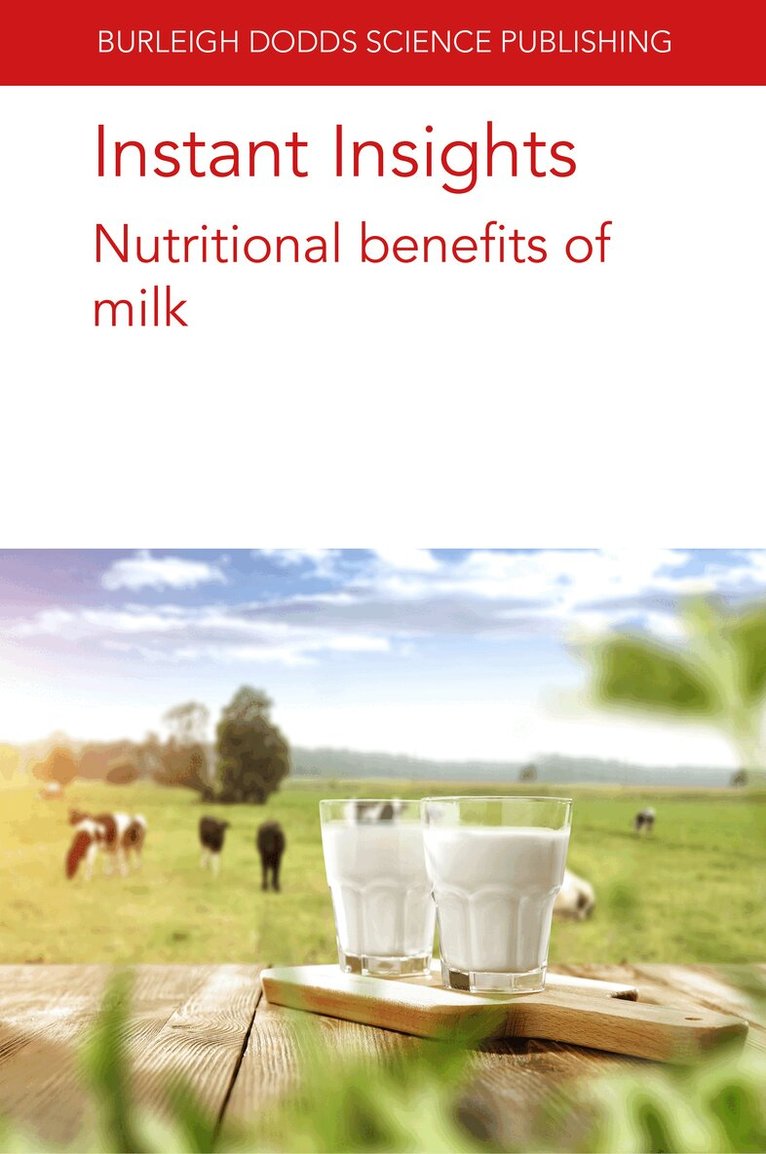
This collection features four peer-reviewed reviews on the nutritional benefits of milk.The first chapter highlights the important role of milk and dairy products in human diets due to the amount of energy (calories) they provide and their ability to compensate for foods in the diet with lesser nutritional value. The chapter also reviews the dairy matrix concept and how this matrix can influence human physiology.The second chapter provides an overview of major and minor milk proteins, including caseins, whey proteins and indigenous milk enzymes. The chapter discusses a selection of milk protein products which are produced on an industrial scale to support human health and growth, such as the use of whey protein in infant formula and dietary supplements. The third chapter reviews current knowledge on bioactive components existing in cow’s milk and colostrum, their biological and nutritional functionalities, as well as how these components can be exploited for the benefit of human health and physiological metabolism function.The final chapter provides an overview of the nutritional properties of dairy carbohydrates and major glycoproteins in cow’s milk. The chapter considers the contribution of lactose as a substrate for beneficial colonic fermentation to short-chain fatty acids, as well as the importance of glycoproteins in infant diets.
2 327 kr
Skickas inom 10-15 vardagar
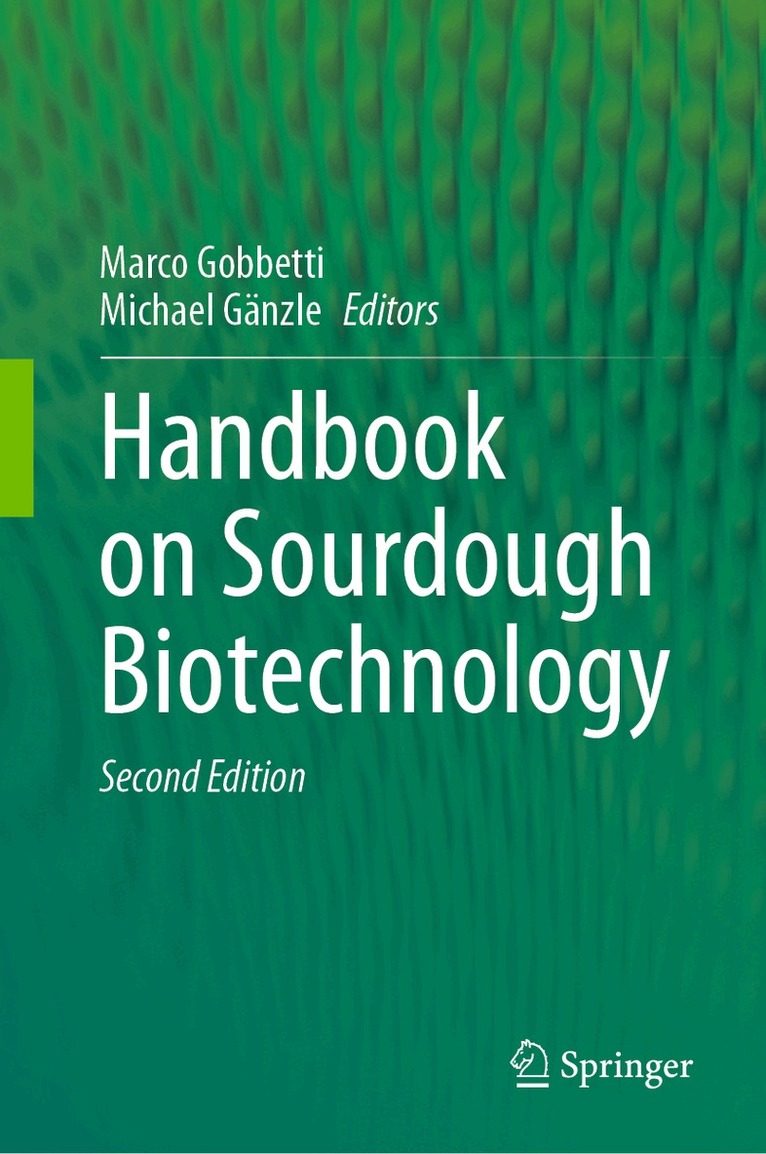
Bread and leavened bakery products have been essential to human nourishment for millennia. Traditionally, bread production has relied on the use of sourdough as a leavening agent and to impart a characteristic quality to baked goods. In recent years, improved understanding of the biodiversity and microbial ecology of sourdough microbiota, the discovery of new species, the improved management and monitoring of its meta-community and the commercialization of innovative products have vastly expanded the potential of sourdough fermentation for making baked goods. For example, raw materials such as cereals, pseudo-cereals, ancient grains, and gluten-free substrates, as well as a large number of baked good varieties (e.g., typical and industrial breads, sweet baked goods, gluten-free products) may benefit from advances in sourdough fermentation. In addition, biotechnological tools and culture properties have been discovered to improve both the shelf life and the sensory and textural qualities of baked goods, as well as their nutritional and health-promoting properties.Now in its second edition, the Handbook on Sourdough Biotechnology remains the only book dedicated completely to sourdough biotechnology with the contribution of the most experienced researchers from the field. It reviews the history of sourdough and the potential of sourdough fermentation in the production of bread and baked goods. A thorough discussion of the various processing steps includes the chemical properties of the raw matter, the taxonomy, diversity, and metabolic properties of starter yeasts and lactic acid bacteria, and the effects of sourdough fermentation on the shelf life and the sensory, textural, nutritional, and health-promoting properties of baked goods.
634 kr
Skickas inom 5-8 vardagar
1 694 kr
Skickas inom 10-15 vardagar
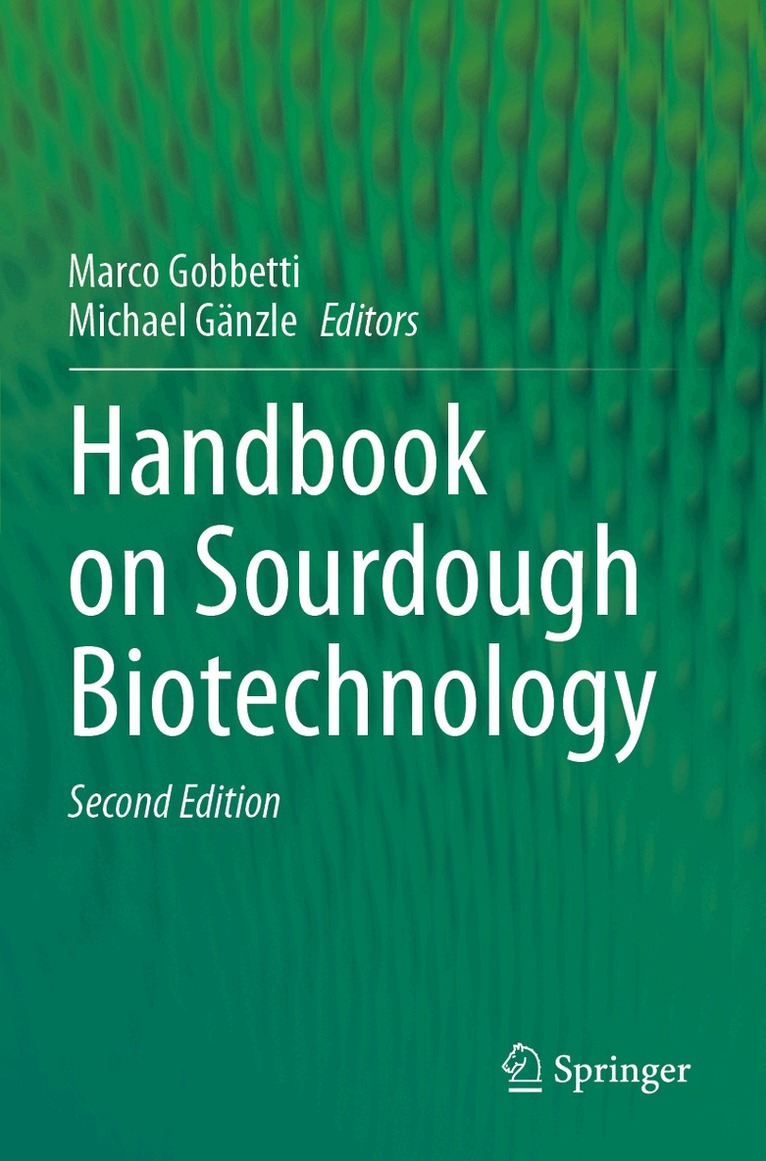
Bread and leavened bakery products have been essential to human nourishment for millennia. Traditionally, bread production has relied on the use of sourdough as a leavening agent and to impart a characteristic quality to baked goods. In recent years, improved understanding of the biodiversity and microbial ecology of sourdough microbiota, the discovery of new species, the improved management and monitoring of its meta-community and the commercialization of innovative products have vastly expanded the potential of sourdough fermentation for making baked goods. For example, raw materials such as cereals, pseudo-cereals, ancient grains, and gluten-free substrates, as well as a large number of baked good varieties (e.g., typical and industrial breads, sweet baked goods, gluten-free products) may benefit from advances in sourdough fermentation. In addition, biotechnological tools and culture properties have been discovered to improve both the shelf life and the sensory and textural qualities of baked goods, as well as their nutritional and health-promoting properties.Now in its second edition, the Handbook on Sourdough Biotechnology remains the only book dedicated completely to sourdough biotechnology with the contribution of the most experienced researchers from the field. It reviews the history of sourdough and the potential of sourdough fermentation in the production of bread and baked goods. A thorough discussion of the various processing steps includes the chemical properties of the raw matter, the taxonomy, diversity, and metabolic properties of starter yeasts and lactic acid bacteria, and the effects of sourdough fermentation on the shelf life and the sensory, textural, nutritional, and health-promoting properties of baked goods.