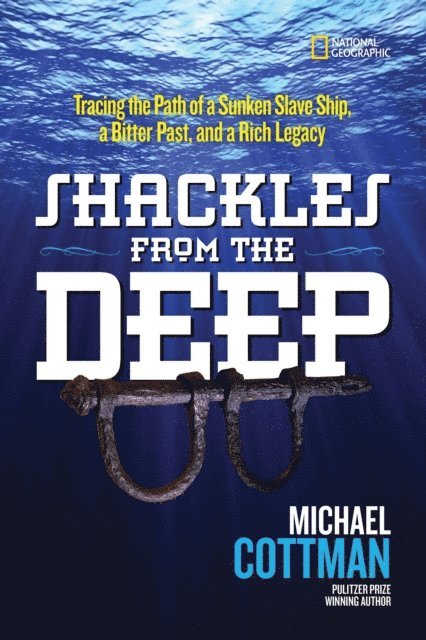
A pile of lime-encrusted shackles discovered on the seafloor in the remains of a ship called the Henrietta Marie, lands Michael Cottman, a Washington, D.C.-based journalist and avid scuba diver, in the middle of an amazing journey that stretches across three continents, from foundries and tombs in England, to slave ports on the shores of West Africa, to present-day Caribbean plantations. This is more than just the story of one ship – it''s the untold story of millions of people taken as captives to the New World. Told from the author''s perspective, this book introduces young readers to the wonders of diving, detective work, and discovery, while shedding light on the history of slavery.From the Hardcover edition.
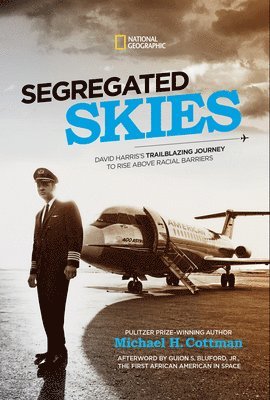
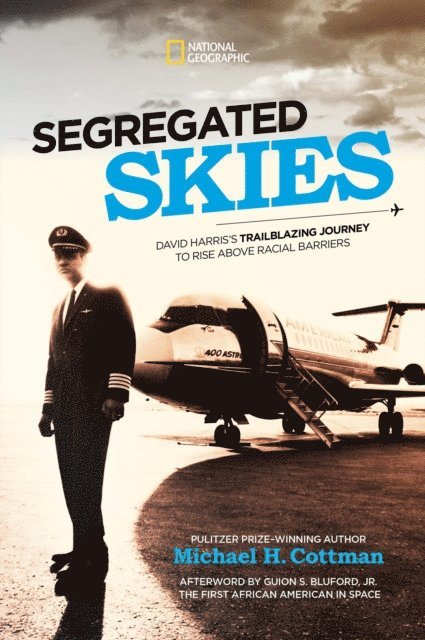
It was 1964 and black men didn''t fly commercial jets. But David Harris was about to change that…After years of flying B-52 bombers in the United States Air Force, David Harris applied to be a pilot for commercial airliners, an opportunity no other African American before him–not even the famed Tuskegee Airmen–had ever been afforded. After receiving rejection after rejection, he finally signed on with American Airlines in 1964. But this success was just the beginning of another uphill battle for equal treatment.It was the height of the civil rights movement, a time of massive protests as people struggled to end racial segregation and give Black people equal rights. As a light-skinned, light-eyed Black man, David was told by many people he could have ‘passed’ for white. But he didn''t do that. Instead, he made the bold decision to disclose his race to his employers and fellow airmen. He had experienced discrimination throughout his life, but this was different. He now carried the pride of his family and the hopes of future Black aviators on his shoulders.This gripping narrative, perfect for young readers and Black History Month, follows Harris''s turbulent path to become the first African-American commercial airline pilot in the U.S., presented against the backdrop of racial tensions, protests, and the landmark civil rights legislation of the 1960s. It''s the story of a man who fought social injustice the only way he knew how–by succeeding.Don’t miss Michael H. Cottman’s other fan favourite, Shackles From the Deep.
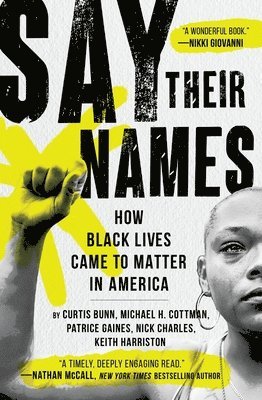
For many, the story of the weeks of protests in the summer of 2020 began with the horrific nine minutes and twenty-nine seconds when Police Officer Derek Chauvin killed George Floyd on camera, and it ended with the sweeping federal, state, and intrapersonal changes that followed. It is a simple story, wherein white America finally witnessed enough brutality to move their collective consciousness. The only problem is that it isn't true. George Floyd was not the first Black man to be killed by police-he wasn't even the first to inspire nation-wide protests-yet his death came at a time when America was already at a tipping point.In Say Their Names, five seasoned journalists probe this critical shift. With a piercing examination of how inequality has been propagated throughout history, from Black imprisonment and the Convict Leasing program to long-standing predatory medical practices to over-policing, the authors highlight the disparities that have long characterized the dangers of being Black in America. They examine the many moderate attempts to counteract these inequalities, from the modern Civil Rights movement to Ferguson, and how the killings of George Floyd, Breonna Taylor and others pushed compliance with an unjust system to its breaking point. Finally, they outline the momentous changes that have resulted from this movement, while at the same time proposing necessary next steps to move forward.With a combination of penetrating, focused journalism and affecting personal insight, the authors bring together their collective years of reporting, creating a cohesive and comprehensive understanding of racial inequality in America.
A pile of lime-encrusted shackles discovered on the seafloor in the remains of a ship called the Henrietta Marie, lands Michael Cottman, a Washington, D.C.-based journalist and avid scuba diver, in the middle of an amazing journey that stretches across three continents, from foundries and tombs in England, to slave ports on the shores of West Africa, to present-day Caribbean plantations. This is more than just the story of one ship – it''s the untold story of millions of people taken as captives to the New World. Told from the author''s perspective, this book introduces young readers to the wonders of diving, detective work, and discovery, while shedding light on the history of slavery.From the Hardcover edition.
It was 1964 and black men didn''t fly commercial jets. But David Harris was about to change that…After years of flying B-52 bombers in the United States Air Force, David Harris applied to be a pilot for commercial airliners, an opportunity no other African American before him–not even the famed Tuskegee Airmen–had ever been afforded. After receiving rejection after rejection, he finally signed on with American Airlines in 1964. But this success was just the beginning of another uphill battle for equal treatment.It was the height of the civil rights movement, a time of massive protests as people struggled to end racial segregation and give Black people equal rights. As a light-skinned, light-eyed Black man, David was told by many people he could have ‘passed’ for white. But he didn''t do that. Instead, he made the bold decision to disclose his race to his employers and fellow airmen. He had experienced discrimination throughout his life, but this was different. He now carried the pride of his family and the hopes of future Black aviators on his shoulders.This gripping narrative, perfect for young readers and Black History Month, follows Harris''s turbulent path to become the first African-American commercial airline pilot in the U.S., presented against the backdrop of racial tensions, protests, and the landmark civil rights legislation of the 1960s. It''s the story of a man who fought social injustice the only way he knew how–by succeeding.Don’t miss Michael H. Cottman’s other fan favourite, Shackles From the Deep.
For many, the story of the weeks of protests in the summer of 2020 began with the horrific nine minutes and twenty-nine seconds when Police Officer Derek Chauvin killed George Floyd on camera, and it ended with the sweeping federal, state, and intrapersonal changes that followed. It is a simple story, wherein white America finally witnessed enough brutality to move their collective consciousness. The only problem is that it isn't true. George Floyd was not the first Black man to be killed by police-he wasn't even the first to inspire nation-wide protests-yet his death came at a time when America was already at a tipping point.In Say Their Names, five seasoned journalists probe this critical shift. With a piercing examination of how inequality has been propagated throughout history, from Black imprisonment and the Convict Leasing program to long-standing predatory medical practices to over-policing, the authors highlight the disparities that have long characterized the dangers of being Black in America. They examine the many moderate attempts to counteract these inequalities, from the modern Civil Rights movement to Ferguson, and how the killings of George Floyd, Breonna Taylor and others pushed compliance with an unjust system to its breaking point. Finally, they outline the momentous changes that have resulted from this movement, while at the same time proposing necessary next steps to move forward.With a combination of penetrating, focused journalism and affecting personal insight, the authors bring together their collective years of reporting, creating a cohesive and comprehensive understanding of racial inequality in America.