The scientific study of consciousness features a vast array of conflicting theories, but cross-disciplinary exchange between researchers from different camps is not always prevalent. This book seeks to address these complexities by providing a thorough introduction to the field while remaining accessible to those new to the topic. By exploring empirical methods, surveying a variety of competing theories, and outlining challenges for current approaches, it equips readers with the tools to evaluate existing theories. It also showcases contributions from the originators and leading proponents of today's most influential theories, providing unparalleled depth and clarity into diverse theoretical perspectives. Offering a thorough overview of scientific consciousness studies, this book presents new perspectives on a topic that has long puzzled scientists and philosophers alike.
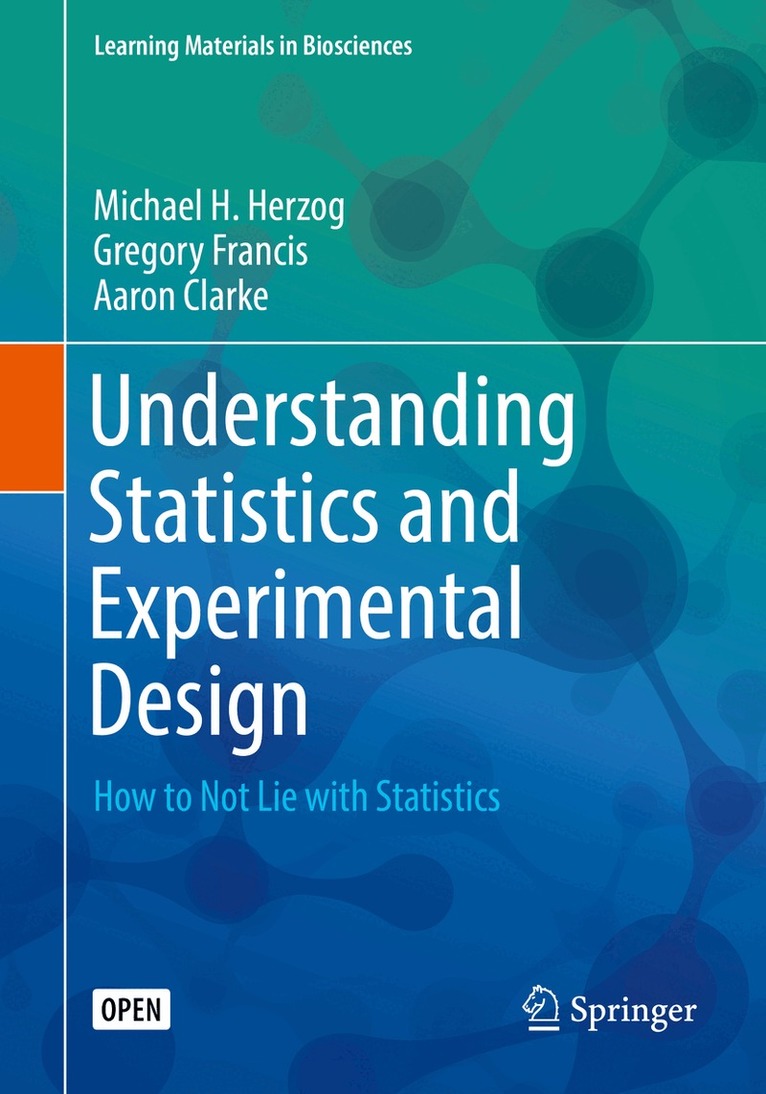
This open access textbook provides the background needed to correctly use, interpret and understand statistics and statistical data in diverse settings. Part I makes key concepts in statistics readily clear. Parts I and II give an overview of the most common tests (t-test, ANOVA, correlations) and work out their statistical principles. Part III provides insight into meta-statistics (statistics of statistics) and demonstrates why experiments often do not replicate. Finally, the textbook shows how complex statistics can be avoided by using clever experimental design. Both non-scientists and students in Biology, Biomedicine and Engineering will benefit from the book by learning the statistical basis of scientific claims and by discovering ways to evaluate the quality of scientific reports in academic journals and news outlets.