Michael J Cohen – författare
Visar alla böcker från författaren Michael J Cohen. Handla med fri frakt och snabb leverans.
33 produkter
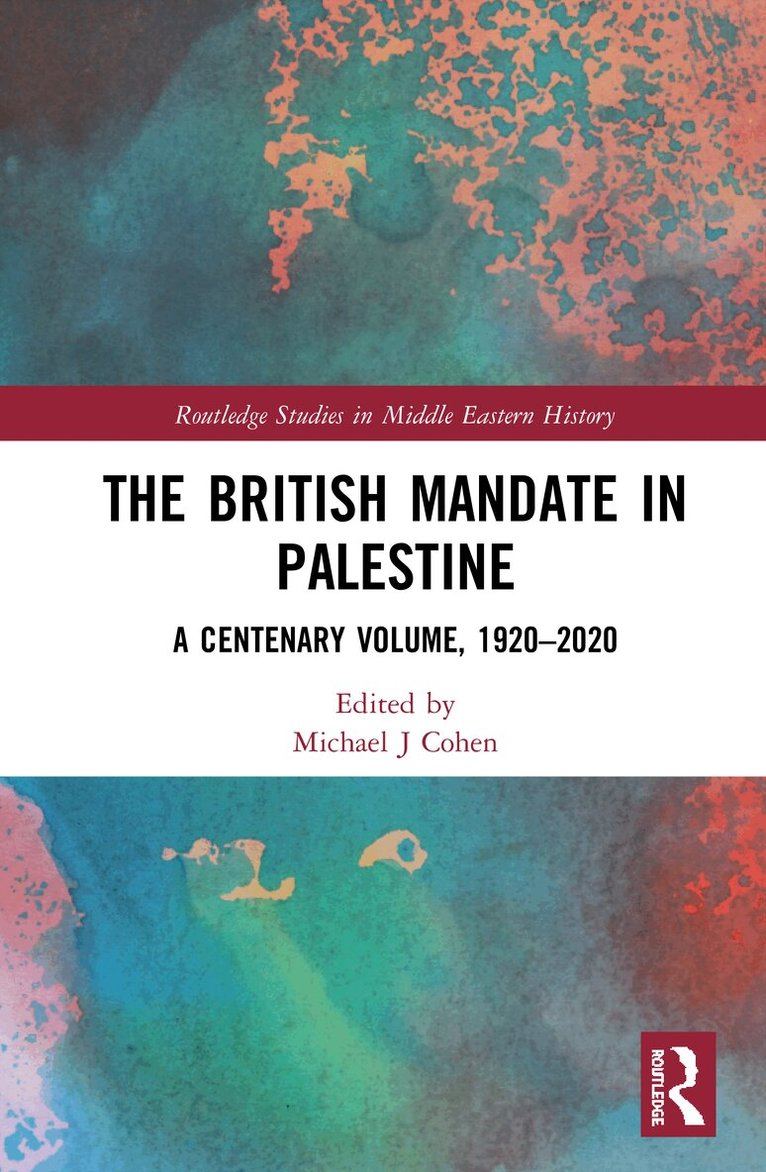
British Mandate in Palestine
A Centenary Volume, 1920–2020
Inbunden, 2020
2586 kr
Lägg i varukorg
The British Mandate over Palestine began just 100 years ago, in July 1920, when Sir Herbert Samuel, the first British High Commissioner to Palestine, took his seat at Government House, Jerusalem. The chapters here analyse a wide cross-section of the conflicting issues --social, political and …
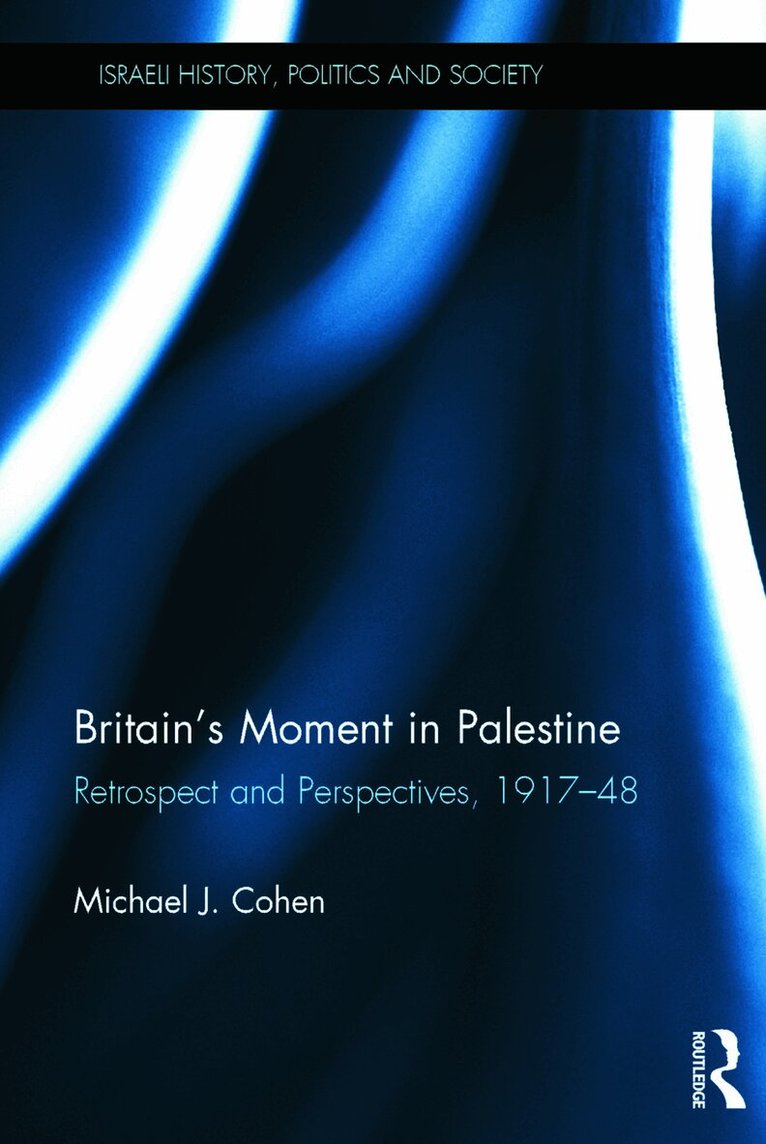
Britain's Moment in Palestine
Retrospect and Perspectives, 1917-1948
Inbunden, 2014
2818 kr
Lägg i varukorg
In 1917, the British issued the Balfour Declaration for military and strategic reasons. This book analyses why and how the British took on the Palestine Mandate. It explores how their interests and policies changed during its course and why they evacuated the country in 1948.During the first decade …
British Mandate in Palestine
A Centenary Volume, 1920–2020
E-bok, 2020
838 kr
Lägg i varukorg
The British Mandate over Palestine began just 100 years ago, in July 1920, when Sir Herbert Samuel, the first British High Commissioner to Palestine, took his seat at Government House, Jerusalem. The chapters here analyse a wide cross-section of the conflicting issues --social, political and …
British Mandate in Palestine
A Centenary Volume, 1920–2020
E-bok, 2020
838 kr
Lägg i varukorg
The British Mandate over Palestine began just 100 years ago, in July 1920, when Sir Herbert Samuel, the first British High Commissioner to Palestine, took his seat at Government House, Jerusalem. The chapters here analyse a wide cross-section of the conflicting issues --social, political and …
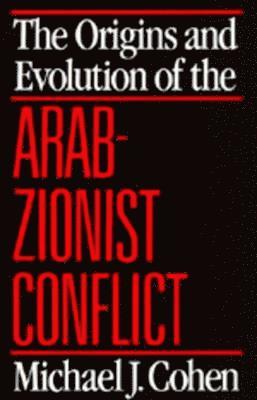
Origins and Evolution of the Arab-Zionist Conflict
Häftad, 1989
263 kr
Lägg i varukorg
Here is a brief, intelligent, even-handed analytical account of the origins of the Arab-Zionist conflict and its development from early in the twentieth century until 1948, focusing particularly on the period when Britain ruled Palestine under mandate from the League of Nations.
Truman and Israel
Häftad, 1990
632 kr
Lägg i varukorg
Michael J. Cohen’s Truman and Israel offers a penetrating examination of one of the twentieth century’s pivotal moments: the American president’s role in the founding of the State of Israel. Between 1947 and 1948, Harry S. Truman’s decisions carried extraordinary weight in shaping Israel’s …
Truman and Israel
E-bok, 1990
446 kr
Lägg i varukorg
This title is part of UC Press's Voices Revived program, which commemorates University of California Press’s mission to seek out and cultivate the brightest minds and give them voice, reach, and impact. Drawing on a backlist dating to 1893, Voices Revived makes high-quality, peer-reviewed …
Truman and Israel
Inbunden, 1990
1165 kr
Lägg i varukorg
Michael J. Cohen’s Truman and Israel offers a penetrating examination of one of the twentieth century’s pivotal moments: the American president’s role in the founding of the State of Israel. Between 1947 and 1948, Harry S. Truman’s decisions carried extraordinary weight in shaping Israel’s …
Palestine and the Great Powers, 1945-1948
Häftad, 2014
688 kr
Lägg i varukorg
Cohen examines the struggle leading to the creation of the state of Israel, placing British evacuation of Palestine in the context of Britain's postwar weakness. The author describes the policies and character of each of the major actors in his story--Bevin. Truman. Ben-Gurion, and the Mufti of …
Palestine and the Great Powers, 1945-1948
Inbunden, 2016
3007 kr
Lägg i varukorg
Cohen examines the struggle leading to the creation of the state of Israel, placing British evacuation of Palestine in the context of Britain's postwar weakness. The author describes the policies and character of each of the major actors in his story--Bevin. Truman. Ben-Gurion, and the Mufti of …
Palestine to Israel
From Mandate to Independence
Häftad, 1988
665 kr
Lägg i varukorg
This collection of articles analyzes the underlying motivation, strategy and interests which lay behind "Great Power" (British and post-World War II American) involvement in Palestine and the Middle East, from 1917 to 1948.
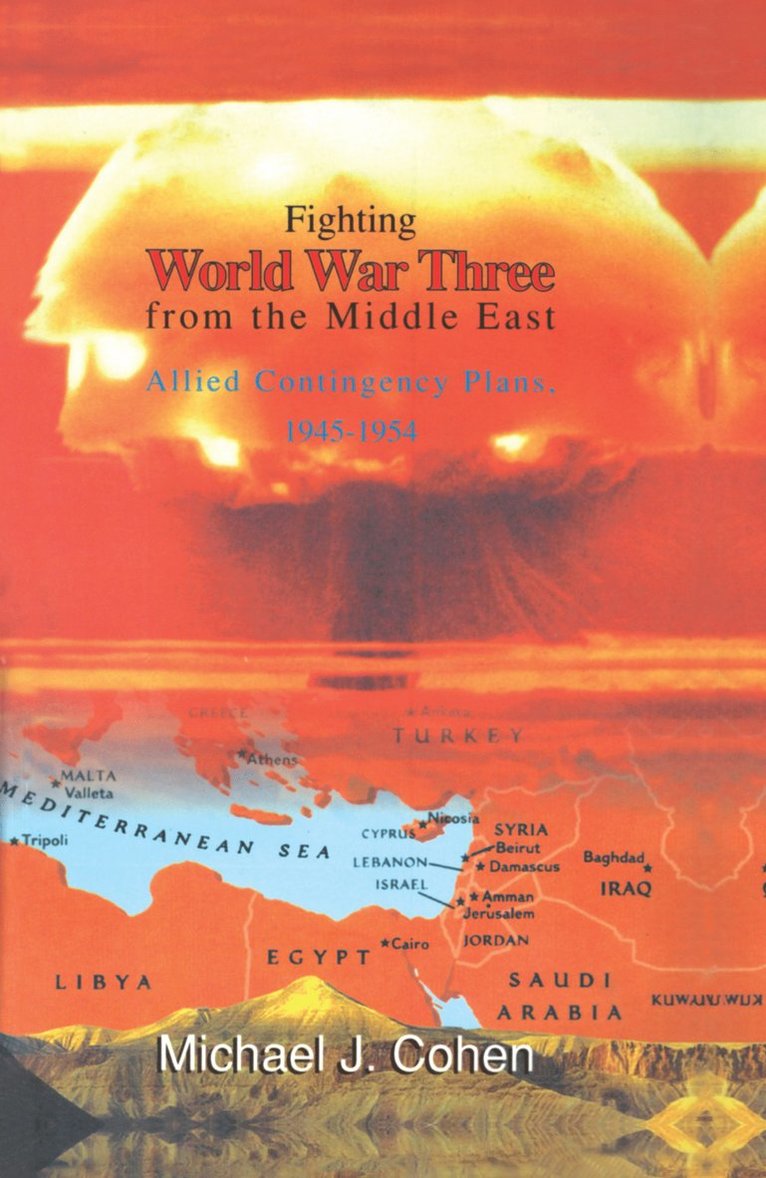
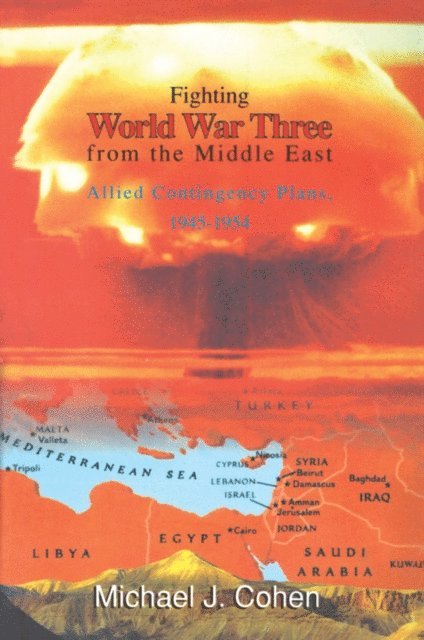
Fighting World War Three from the Middle East
Allied Contingency Plans, 1945-1954
Inbunden, 1997
2578 kr
Lägg i varukorg
This description of Allied contingency plans for military operations in the Middle East - in the event of conflict with the Soviet Union - argues that diplomatic events and crises in the Middle East in 1945-55 are understandable only in the context of assets sought by the Allies in that region.
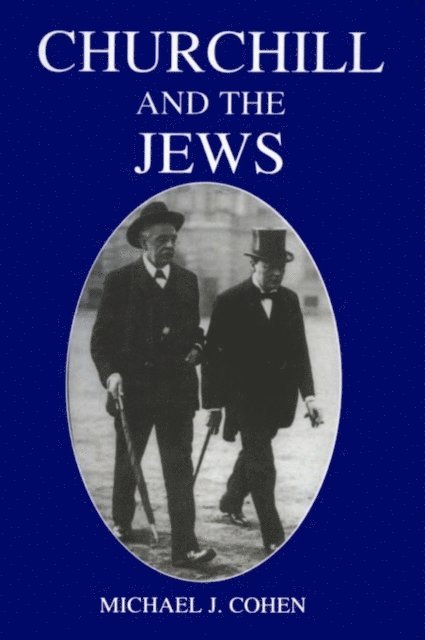
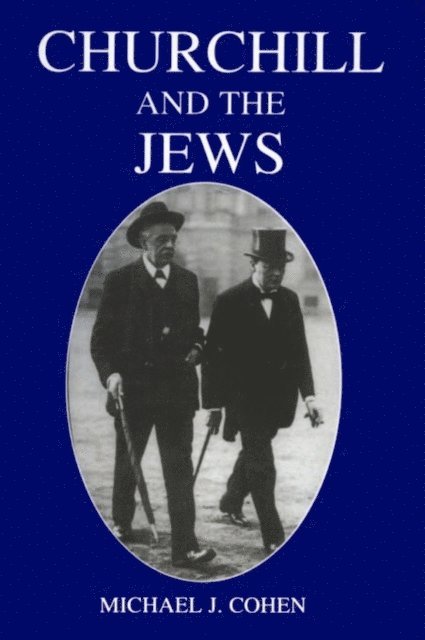
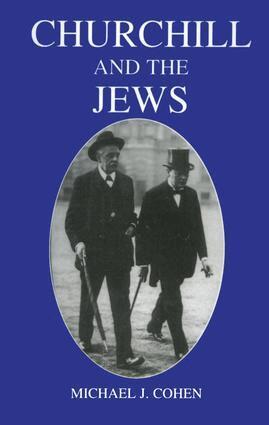
Churchill and the Jews, 1900-1948
Häftad, 2003
755 kr
Lägg i varukorg
Churchill's exalted position in the pantheon of Jewish and Zionist heroes has been almost taken for granted. This book looks beyond the myth and makes a sober reappraisal of the British statesman's attitudes and policies towards the Jews and to Zionism.
British Mandate in Palestine
A Centenary Volume, 1920–2020
Häftad, 2021
712 kr
Lägg i varukorg
The British Mandate over Palestine began just 100 years ago, in July 1920, when Sir Herbert Samuel, the first British High Commissioner to Palestine, took his seat at Government House, Jerusalem. The chapters here analyse a wide cross-section of the conflicting issues --social, political and …
Churchill and the Jews, 1900-1948
E-bok, 2013
919 kr
Lägg i varukorg
Churchill''s exalted position in the pantheon of Jewish and Zionist heroes has been almost taken for granted. This book looks beyond the myth and makes a sober reappraisal of the British statesman''s attitudes and policies towards the Jews and to Zionism.
Churchill and the Jews, 1900-1948
E-bok, 2013
899 kr
Lägg i varukorg
Churchill''s exalted position in the pantheon of Jewish and Zionist heroes has been almost taken for granted. This book looks beyond the myth and makes a sober reappraisal of the British statesman''s attitudes and policies towards the Jews and to Zionism.
Fighting World War Three from the Middle East
Allied Contingency Plans, 1945-1954
E-bok, 2018
3001 kr
Lägg i varukorg
This description of Allied contingency plans for military operations in the Middle East - in the event of conflict with the Soviet Union - argues that diplomatic events and crises in the Middle East in 1945-55 are understandable only in the context of assets sought by the Allies in that region.
Fighting World War Three from the Middle East
Allied Contingency Plans, 1945-1954
E-bok, 2018
3067 kr
Lägg i varukorg
This description of Allied contingency plans for military operations in the Middle East - in the event of conflict with the Soviet Union - argues that diplomatic events and crises in the Middle East in 1945-55 are understandable only in the context of assets sought by the Allies in that region.
Palestine to Israel
From Mandate to Independence
E-bok, 2012
785 kr
Lägg i varukorg
This collection of articles analyzes the underlying motivation, strategy and interests which lay behind "Great Power" (British and post-World War II American) involvement in Palestine and the Middle East, from 1917 to 1948.
Palestine to Israel
From Mandate to Independence
E-bok, 2012
785 kr
Lägg i varukorg
This collection of articles analyzes the underlying motivation, strategy and interests which lay behind "Great Power" (British and post-World War II American) involvement in Palestine and the Middle East, from 1917 to 1948.
Churchill and the Jews, 1900-1948
Inbunden, 2016
2658 kr
Lägg i varukorg
Churchill's exalted position in the pantheon of Jewish and Zionist heroes has been almost taken for granted. This book looks beyond the myth and makes a sober reappraisal of the British statesman's attitudes and policies towards the Jews and to Zionism.
Palestine to Israel
From Mandate to Independence
Inbunden, 2017
2578 kr
Lägg i varukorg
This collection of articles analyzes the underlying motivation, strategy and interests which lay behind "Great Power" (British and post-World War II American) involvement in Palestine and the Middle East, from 1917 to 1948.
Britain's Moment in Palestine
Retrospect and Perspectives, 1917-1948
Häftad, 2015
770 kr
Lägg i varukorg
In 1917, the British issued the Balfour Declaration for military and strategic reasons. This book analyses why and how the British took on the Palestine Mandate. It explores how their interests and policies changed during its course and why they evacuated the country in 1948.During the first decade …
Britain's Moment in Palestine
Retrospect and Perspectives, 1917-1948
E-bok, 2014
910 kr
Lägg i varukorg
In 1917, the British issued the Balfour Declaration for military and strategic reasons. This book analyses why and how the British took on the Palestine Mandate. It explores how their interests and policies changed during its course and why they evacuated the country in 1948. During the first …
Britain's Moment in Palestine
Retrospect and Perspectives, 1917-1948
E-bok, 2014
910 kr
Lägg i varukorg
In 1917, the British issued the Balfour Declaration for military and strategic reasons. This book analyses why and how the British took on the Palestine Mandate. It explores how their interests and policies changed during its course and why they evacuated the country in 1948. During the first …
Britain and the Middle East in the 1930's
Security Problems, 1935-39
E-bok, 1992
698 kr
Lägg i varukorg
The chapters in this book focus on the security of the British position in the Middle East between 1935 and 1939. In 1935 Britain was still able to rush reinforcements to the Middle East to forestall hostilities towards Egypt. However, by 1939 the international situation had changed irrevocably.
Palestine and the Great Powers, 1945-1948
E-bok, 2014
955 kr
Lägg i varukorg
Cohen examines the struggle leading to the creation of the state of Israel, placing British evacuation of Palestine in the context of Britain's postwar weakness. The author describes the policies and character of each of the major actors in his story--Bevin. Truman. Ben-Gurion, and the Mufti of …
Reconnecting With Nature
Finding wellness through restoring your bond with the Earth
Häftad, 2007
223 kr
Lägg i varukorg