Michael J. Conroy – författare
Visar alla böcker från författaren Michael J. Conroy. Handla med fri frakt och snabb leverans.
13 produkter
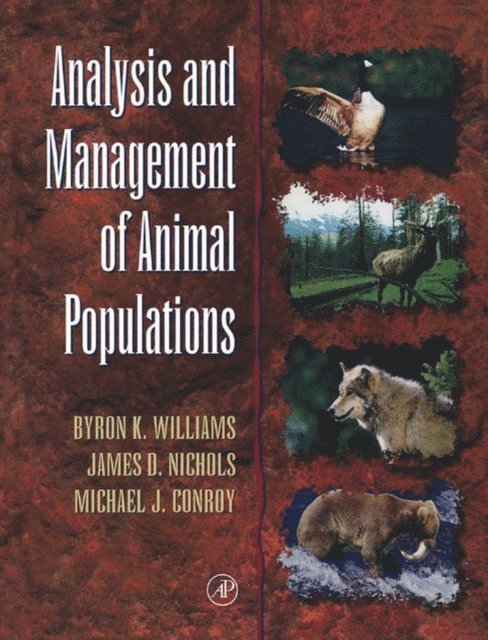
Analysis and Management of Animal Populations
Av Michael J. Conroy, James D. Nichols m. fl.
E-bok, 2002
2200 kr
Lägg i varukorg
Analysis and Management of Animal Populations deals with the processes involved in making informed decisions about the management of animal populations. It covers the modeling of population responses to management actions, the estimation of quantities needed in the modeling effort, and the …
Analysis and Management of Animal Populations
Av Byron K. Williams, James D. Nichols m. fl.
Inbunden, 2002
1932 kr
Lägg i varukorg
Analysis and Management of Animal Populations deals with the processes involved in making informed decisions about the management of animal populations. It covers the modeling of population responses to management actions, the estimation of quantities needed in the modeling effort, and the …
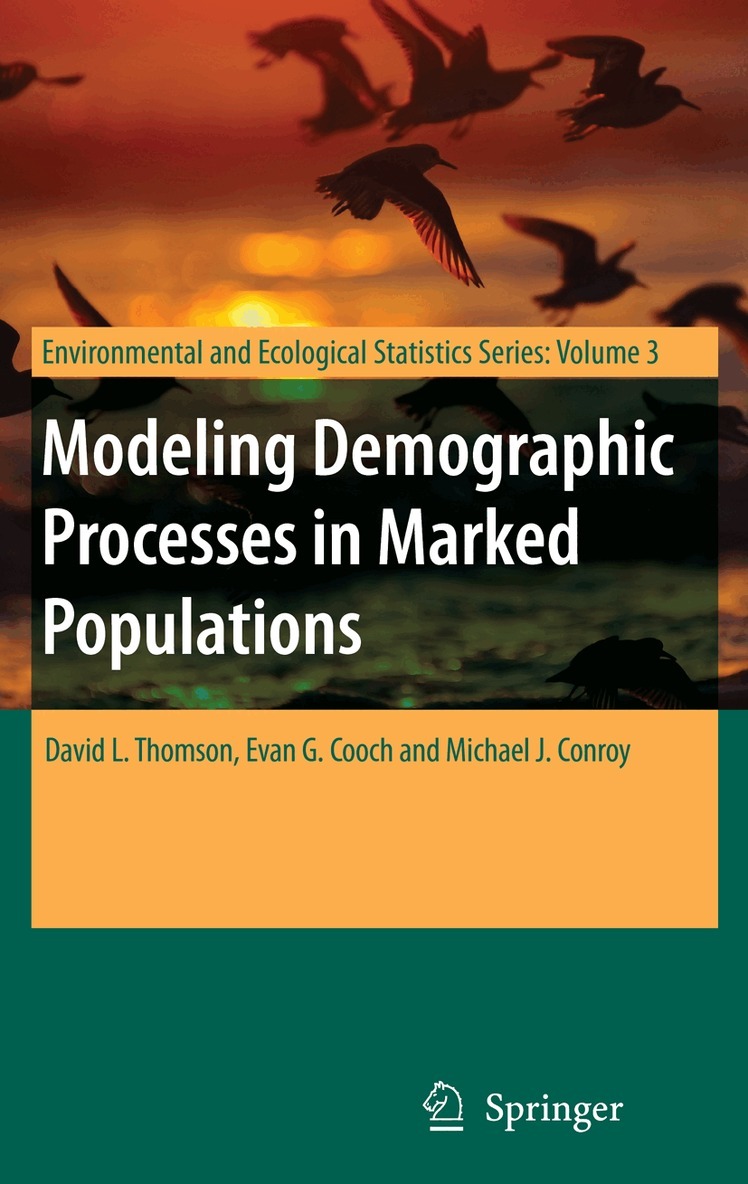
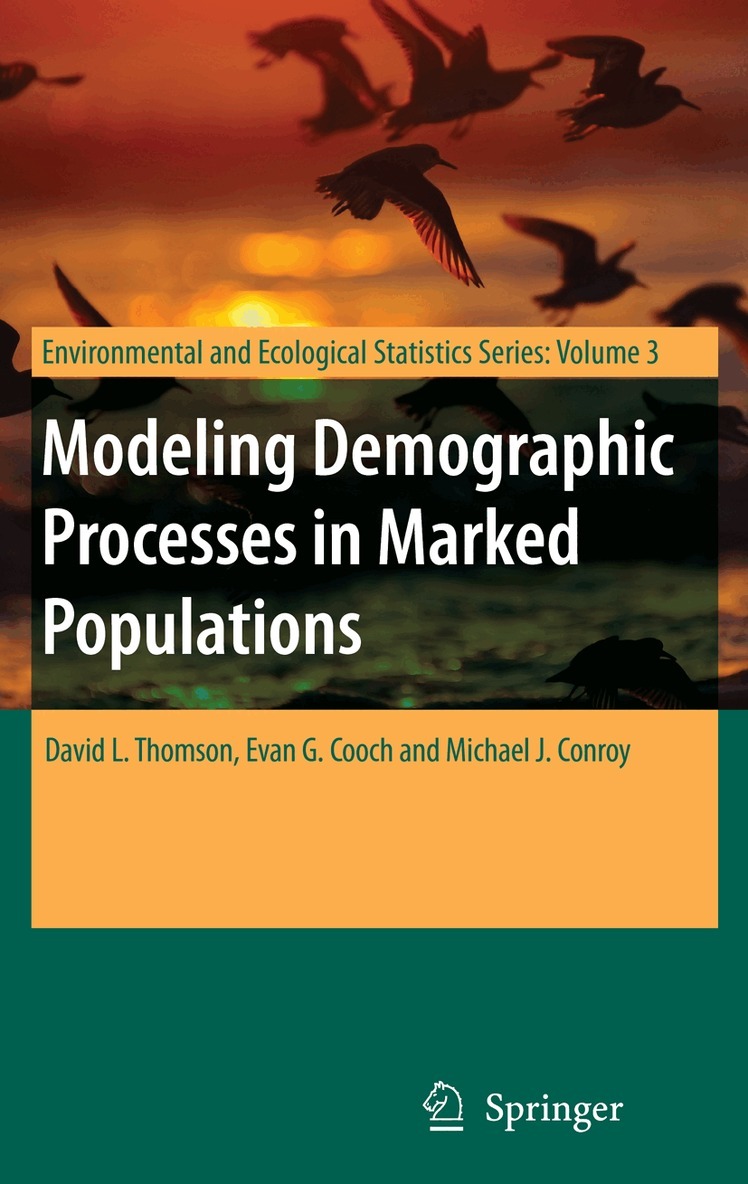
Modeling Demographic Processes in Marked Populations
Av David L. Thomson, Evan G. Cooch m. fl.
Inbunden, 2008
2183 kr
Lägg i varukorg
Demography can be considered the key to understanding much of biology. It is the demographic processes of birth and death which govern the spread of populations through environmentsand the spread of genes through populations. An understa- ing of demographycan yield not only an understanding of …
Modeling Demographic Processes in Marked Populations
Av Michael J. Conroy, Evan G. Cooch m. fl.
E-bok, 2008
2925 kr
Lägg i varukorg
Decision Making in Natural Resource Management
A Structured, Adaptive Approach
Av Michael J. Conroy, James T. Peterson
Häftad, 2013
843 kr
Lägg i varukorg
This book is intended for use by natural resource managers and scientists, and students in the fields of natural resource management, ecology, and conservation biology, who are confronted with complex and difficult decision making problems. The book takes readers through the process of developing a …
Decision Making in Natural Resource Management
A Structured, Adaptive Approach
Av Michael J. Conroy, James T. Peterson
Inbunden, 2013
1666 kr
Lägg i varukorg
This book is intended for use by natural resource managers and scientists, and students in the fields of natural resource management, ecology, and conservation biology, who are confronted with complex and difficult decision making problems. The book takes readers through the process of developing a …
Decision Making in Natural Resource Management
A Structured, Adaptive Approach
Av James T. Peterson, Michael J. Conroy
E-bok, 2012
1939 kr
Lägg i varukorg
This book is intended for use by natural resource managers and scientists, and students in the fields of natural resource management, ecology, and conservation biology, who are confronted with complex and difficult decision making problems. The book takes readers through the process of developing a …
Decision Making in Natural Resource Management
A Structured, Adaptive Approach
Av James T. Peterson, Michael J. Conroy
E-bok, 2013
977 kr
Lägg i varukorg
This book is intended for use by natural resource managers and scientists, and students in the fields of natural resource management, ecology, and conservation biology, who are confronted with complex and difficult decision making problems. The book takes readers through the process of developing a …
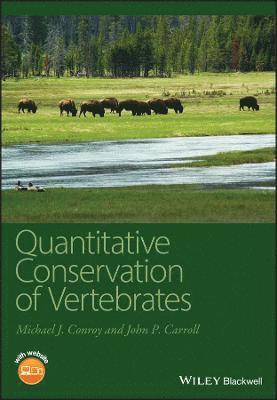
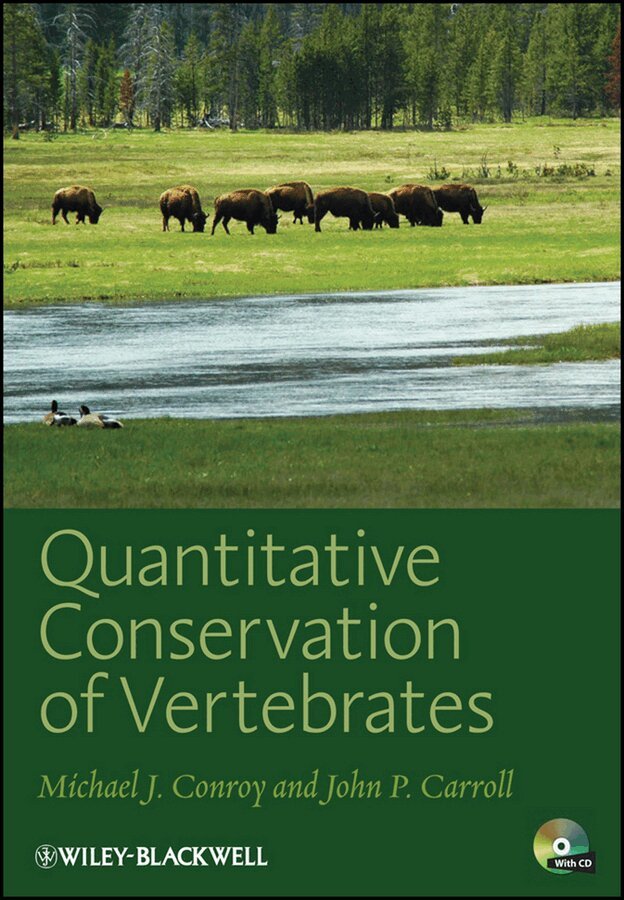
Quantitative Conservation of Vertebrates
Av Michael J. Conroy, John P. Carroll
Häftad, 2009
955 kr
Lägg i varukorg
This book provides a hands-on introduction to the construction and application of models to studies of vertebrate distribution, abundance, and habitat. The book is aimed at field biologists, conservation planners, and advanced undergraduate and postgraduate students who are involved with planning …
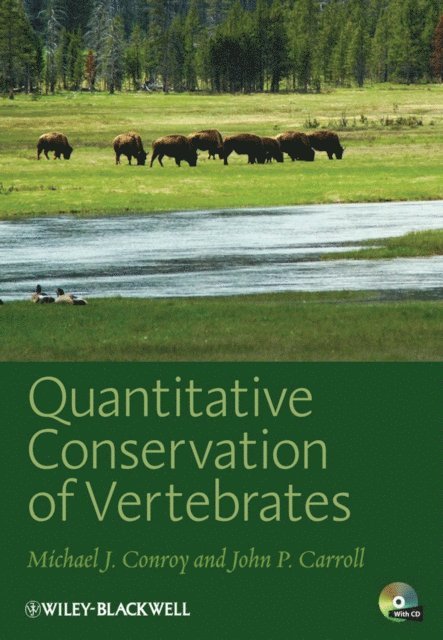
Quantitative Conservation of Vertebrates
Av John P. Carroll, Michael J. Conroy
E-bok, 2009
2351 kr
Lägg i varukorg
This book provides a hands-on introduction to the construction and application of models to studies of vertebrate distribution, abundance, and habitat. The book is aimed at field biologists, conservation planners, and advanced undergraduate and postgraduate students who are involved with planning …
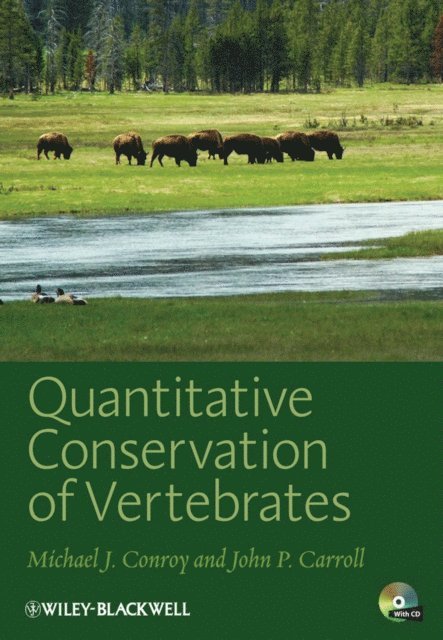
Quantitative Conservation of Vertebrates
Av John P. Carroll, Michael J. Conroy
E-bok, 2011
1108 kr
Lägg i varukorg
This book provides a hands-on introduction to the construction and application of models to studies of vertebrate distribution, abundance, and habitat. The book is aimed at field biologists, conservation planners, and advanced undergraduate and postgraduate students who are involved with planning …
Modeling Demographic Processes in Marked Populations
Av David L. Thomson, Evan G. Cooch m. fl.
Häftad, 2016
2183 kr
Lägg i varukorg
Quantitative Conservation of Vertebrates
Av Michael J. Conroy, John P. Carroll
2009
1356 kr
Tillfälligt slut
This book provides a hands-on introduction to the construction and application of models to studies of vertebrate distribution, abundance, and habitat. The book is aimed at field biologists, conservation planners, and advanced undergraduate and postgraduate students who are involved with planning …