Michael J. Denham – författare
Visar alla böcker från författaren Michael J. Denham. Handla med fri frakt och snabb leverans.
4 produkter
4 produkter
Häftad, Engelska, 1991
561 kr
Skickas inom 10-15 vardagar
E-bok
PDF, Engelska, 2013708 kr
Läs direkt efter köp
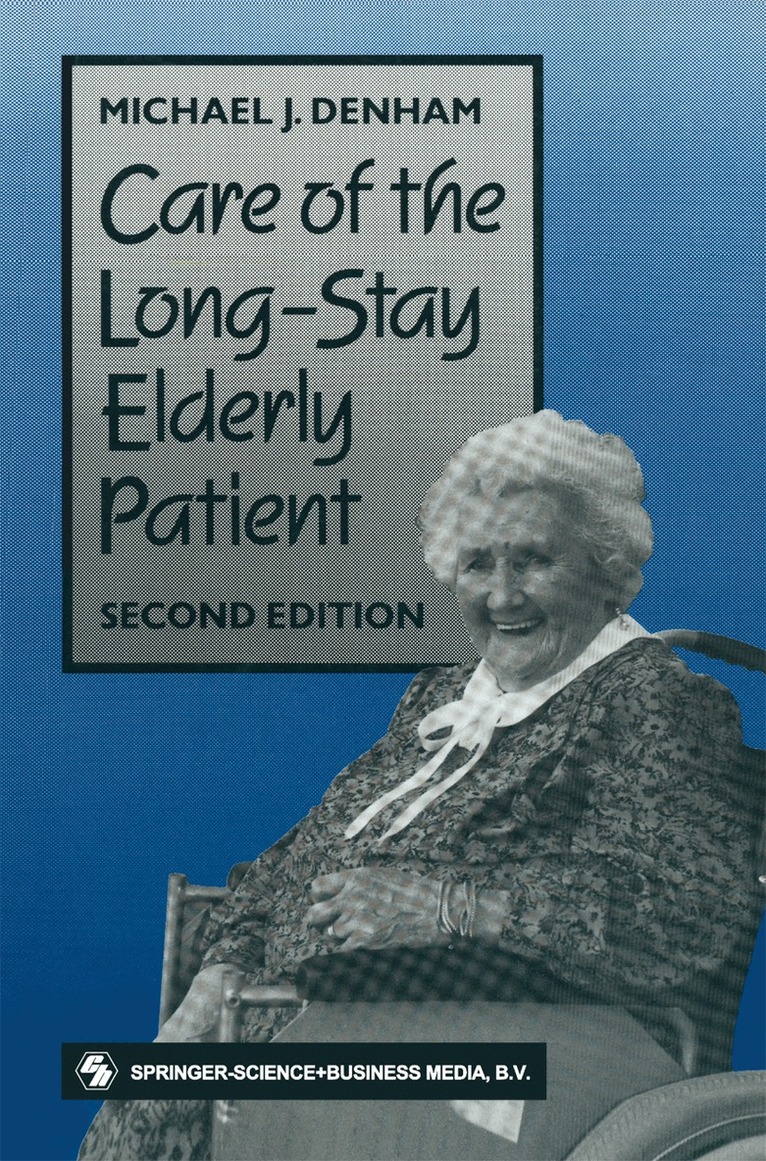
Since the first edition of this book was published there have been considerable changes in continuing care. NHS nursing homes have been created, enthusiasts have developed new initiatives, and attempts have been made to improve attitudes. The recent White Paper on Community Care is likely to accelerate the transfer of large numbers of elderly patients from long-stay hospital beds to private-sector accommodation: a move often accompanied by much anxiety about standards of care. Although Health Authorities visit private nursing homes and apply the National Association of Health Authorities'' standards to them, anxieties continue. Unfortunately for the patients who remain in hospital, many Health Authorities seem reluctant to apply these same standards to their own long-stay departments, since many would fail abysmally. The 1987 annual report of the Health Advisory Service (see Chapter 3) presents a damning indictment of the care given to old people: A recent review of twelve consecutive HAS Reports on services for older people in hospitals shows that long-stay wards consistently offered environments which were unable to offer privacy, homely surroundings, personal space and possessions or adequate furniture. In the twelve districts there was not one comprehensive personalised clothing service. Half of the reports commented on the lack of effec tive management of continence. Catering was often provided according to the needs of the institution rather than those of the resident patients.
E-bok
PDF, Engelska, 2013708 kr
Läs direkt efter köp
Computational concepts and techniques have always played a major role in control engineering since the first computer-based control systems were put into operation over twenty years ago. This role has in fact been accelerating over the intervening years as the sophistication of the computing methods and tools available, as well as the complexity of the control problems they have been used to solve, have also increased. In particular, the introduction of the microprocessor and its use as a low-cost computing element in a distributed computer control system has had a profound effect on the way in which the design and implementation of a control system is carried out and, to some extent, on the theory which underlies the basic design strategies. The development of interactive computing has encouraged a substantial growth in the use of computer aided design methods and robust and efficient numerical algorithms have been produced to support these methods. Major advances have also taken place in the languages used for control system implementation, notably the recent introduction of Ada''", a language whose design is based on some very fundamental computer science concepts derived and developed over the past decade. With the extremely high rate of change in the field of computer science, the more recent developments have outpaced their incorporation into new control system design and implementation techniques.
Häftad, Engelska, 2013
561 kr
Skickas inom 10-15 vardagar
Computational concepts and techniques have always played a major role in control engineering since the first computer-based control systems were put into operation over twenty years ago. This role has in fact been accelerating over the intervening years as the sophistication of the computing methods and tools available, as well as the complexity of the control problems they have been used to solve, have also increased. In particular, the introduction of the microprocessor and its use as a low-cost computing element in a distributed computer control system has had a profound effect on the way in which the design and implementation of a control system is carried out and, to some extent, on the theory which underlies the basic design strategies. The development of interactive computing has encouraged a substantial growth in the use of computer aided design methods and robust and efficient numerical algorithms have been produced to support these methods. Major advances have also taken place in the languages used for control system implementation, notably the recent introduction of Ada'", a language whose design is based on some very fundamental computer science concepts derived and developed over the past decade. With the extremely high rate of change in the field of computer science, the more recent developments have outpaced their incorporation into new control system design and implementation techniques.