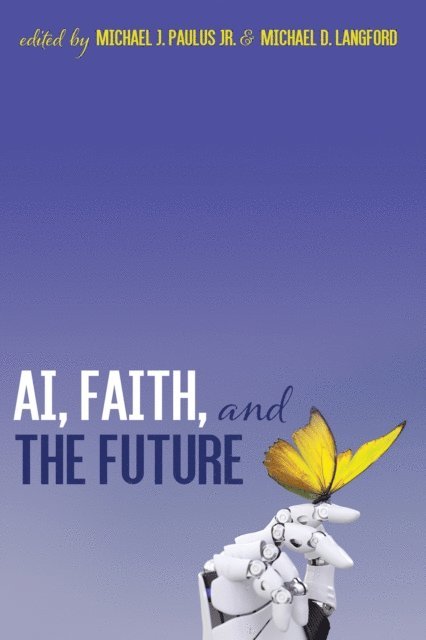
Artificial intelligence is rapidly and radically changing our lives and world. This book is a multidisciplinary engagement with the present and future impacts of AI from the standpoint of Christian faith. It provides technological, philosophical, and theological foundations for thinking about AI, as well as a series of reflections on the impact of AI on relationships, behavior, education, work, and moral action. The book serves as an accessible introduction to AI as well as a guide to wise consideration, design, and use of AI by examining foundational understandings and beliefs from a Christian perspective.
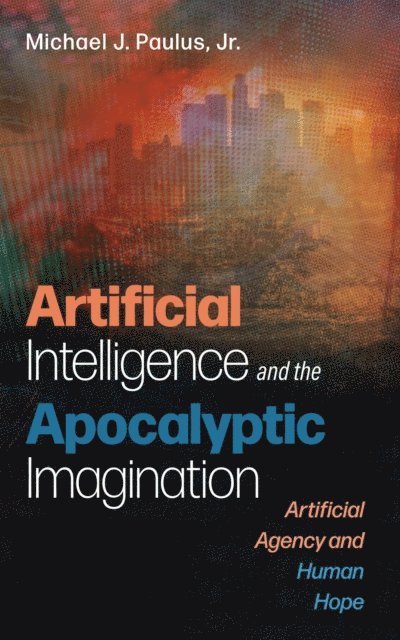
The increasing role and power of artificial intelligence in our lives and world requires us to imagine and shape a desirable future with this technology. Since visions of AI often draw from Christian apocalyptic narratives, current discussions about technological hopes and fears present an opportunity for a deeper engagement with Christian eschatological resources. This book argues that the Christian apocalyptic imagination can transform how we think about and use AI, helping us discover ways artificial agency may participate in new creation.
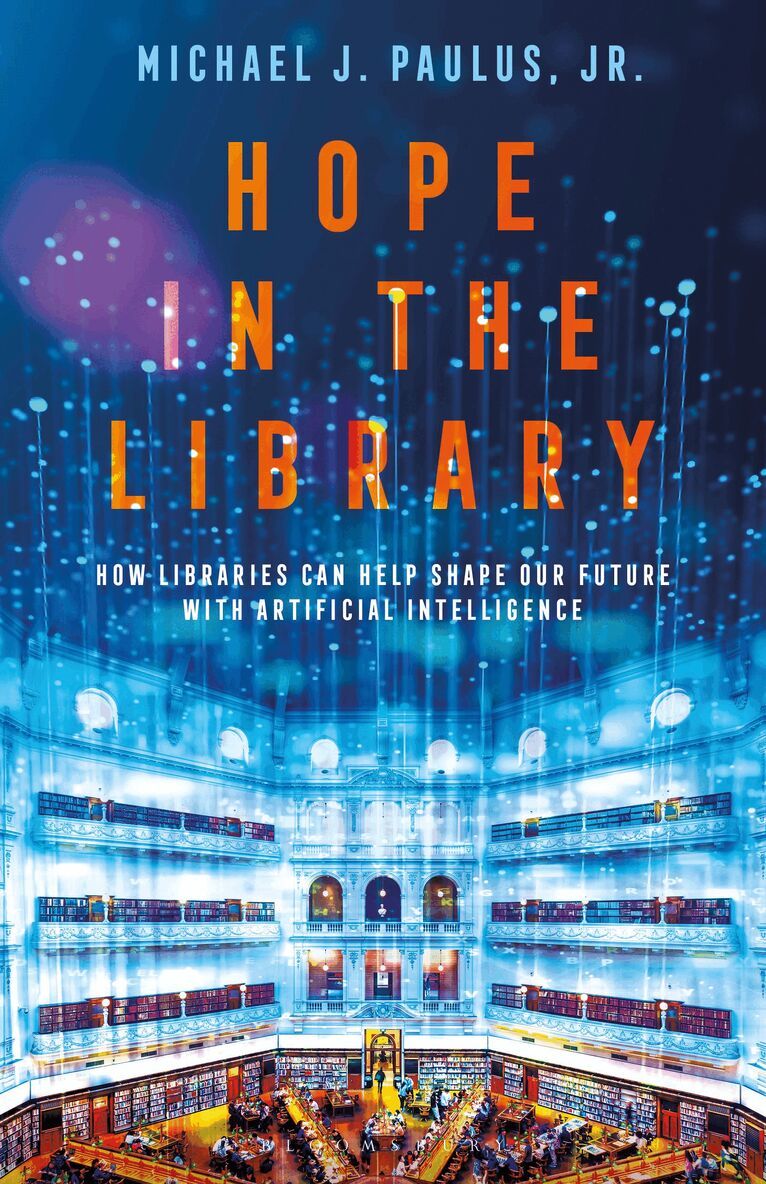
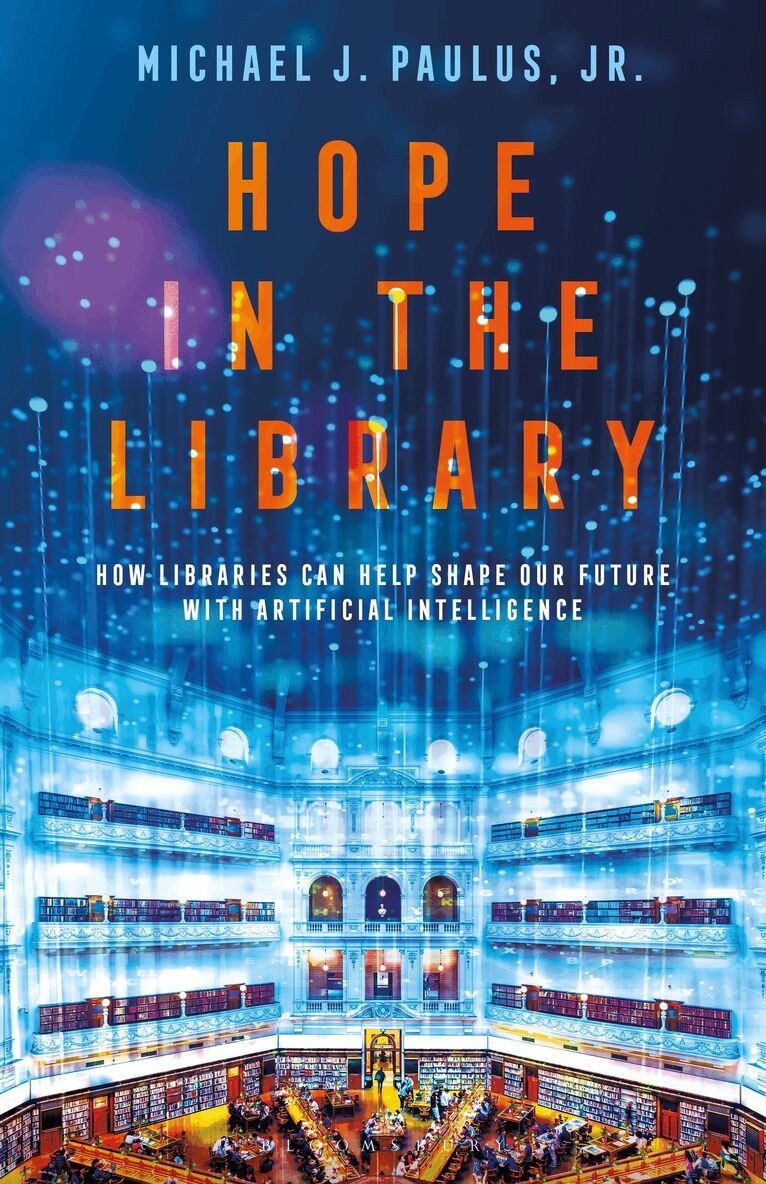
What is the role of the library in an increasingly complex information environment filled with and redesigned for artificial intelligence?Hope in the Library presents a compelling case for the continued relevance of libraries in an age increasingly shaped by artificial intelligence. Michael J. Paulus, Jr., shows how libraries, as human-centered and human-scaled institutions, have enduring roles as archives for reflection and understanding, sites of imagination and hope, and catalysts for human agency. This book argues that, by providing an essential counterbalance to impersonal and automated systems, libraries are essential for not only surviving but thriving in our emerging information environment.Hope in the Library is structured as a series of essays organized by explorations of the library in the past, in imagined futures, and in our digitally-enhanced present. Firsthand narrative andarchaeological history are interspersed with literary meditations from writers including MaryShelley, Ursula K. Le Guin, and Jorge Luis Borges. The book can be read a few different ways: from beginning to end; following topical pathways suggested in the final section; or in any other order chosen by the reader. Each essay and section, like a book or section of a library, may be read independently. Informed by over two decades of leading and studying libraries, these essays include the author’s professional as well as personal reflections and encourage a more radical reframing of how AI may be integrated into libraries and society to help create a better future.
What is the role of the library in an increasingly complex information environment filled with and redesigned for artificial intelligence?Hope in the Library presents a compelling case for the continued relevance of libraries in an age increasingly shaped by artificial intelligence. Michael J. Paulus, Jr., shows how libraries, as human-centered and human-scaled institutions, have enduring roles as archives for reflection and understanding, sites of imagination and hope, and catalysts for human agency. This book argues that, by providing an essential counterbalance to impersonal and automated systems, libraries are essential for not only surviving but thriving in our emerging information environment.Hope in the Library is structured as a series of essays organized by explorations of the library in the past, in imagined futures, and in our digitally-enhanced present. Firsthand narrative andarchaeological history are interspersed with literary meditations from writers including MaryShelley, Ursula K. Le Guin, and Jorge Luis Borges. The book can be read a few different ways: from beginning to end; following topical pathways suggested in the final section; or in any other order chosen by the reader. Each essay and section, like a book or section of a library, may be read independently. Informed by over two decades of leading and studying libraries, these essays include the author’s professional as well as personal reflections and encourage a more radical reframing of how AI may be integrated into libraries and society to help create a better future.