Michael J Thompson – författare
409 kr
Läs direkt efter köp
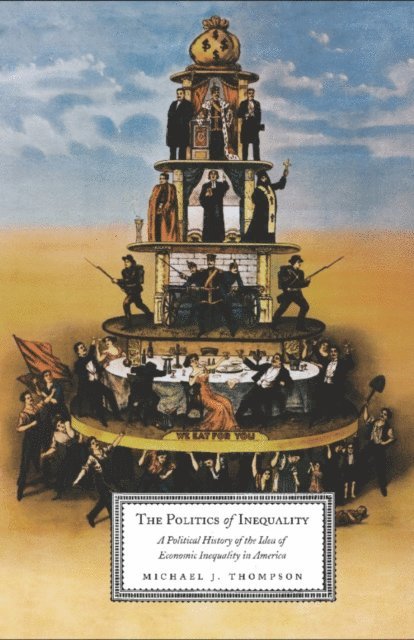
Since the early days of the American republic, political thinkers have maintained that a grossly unequal division of property, wealth, and power would lead to the erosion of democratic life. Yet over the past thirty-five years, neoconservatives and neoliberals alike have redrawn the tenets of American liberalism. Nowhere is this more evident than in our current mainstream political discourse, in which the politics of economic inequality are rarely discussed.In this impassioned book, Michael J. Thompson reaches back into America''s rich intellectual history to reclaim the politics of inequality from the distortion of recent American conservatism. He begins by tracing the development of the idea of economic inequality as it has been conceived by political thinkers throughout American history. Then he considers the change in ideas and values that have led to the acceptance and occasional legitimization of economic divisions. Thompson argues that American liberalism has made a profound departure from its original practice of egalitarian critique. It has all but abandoned its antihierarchical and antiaristocratic discourse. Only by resuscitating this tradition can democracy again become meaningful to Americans. The intellectuals who pioneered egalitarian thinking in America believed political and social relations should be free from all forms of domination, servitude, and dependency. They wished to expose the antidemocratic character of economic life under capitalism and hoped to prevent the kind of inequalities that compromise human dignity and freedom-the core principles of early American politics. In their wisdom is a much broader, more compelling view of democratic life and community than we have today, and with this book, Thompson eloquently and adamantly fights to recover this crucial strand of political thought. In this impassioned book, Michael J. Thompson reaches back into America''s rich intellectual history to reclaim the politics of inequality from the distortion of recent American conservatism. He begins by tracing the development of the idea of economic inequality as it has been conceived by political thinkers throughout American history. Then he considers the change in ideas and values that have led to the acceptance and occasional legitimization of economic divisions. Thompson argues that American liberalism has made a profound departure from its original practice of egalitarian critique; it has all but abandoned its antihierarchical and antiaristocratic discourse. Only by resuscitating this tradition can democracy again become meaningful to Americans. The intellectuals who pioneered egalitarian thinking in America believed political and social relations should be free from all forms of domination, servitude, and dependency. They wished to expose the antidemocratic character of economic life under capitalism and hoped to prevent the kind of inequalities that compromise human dignity and freedom—the core principles of early American politics. In their wisdom is a much broader, more compelling view of democratic life and community than we have today, and with this book, Thompson eloquently and adamantly fights to recover this crucial strand of political thought.
652 kr
Skickas inom 10-15 vardagar
604 kr
Skickas inom 7-10 vardagar
1 850 kr
Skickas inom 7-10 vardagar
1 526 kr
Skickas inom 10-15 vardagar
430 kr
Läs direkt efter köp
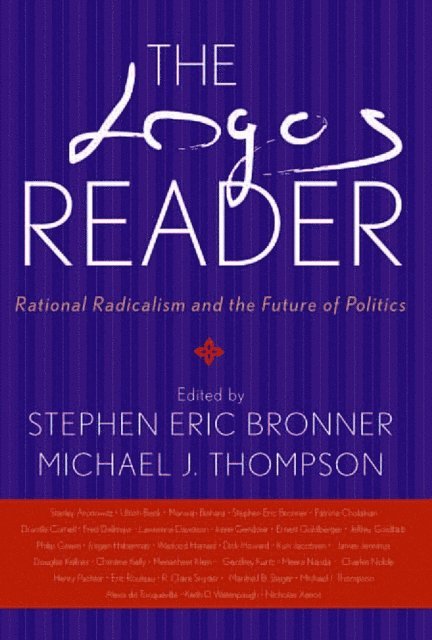
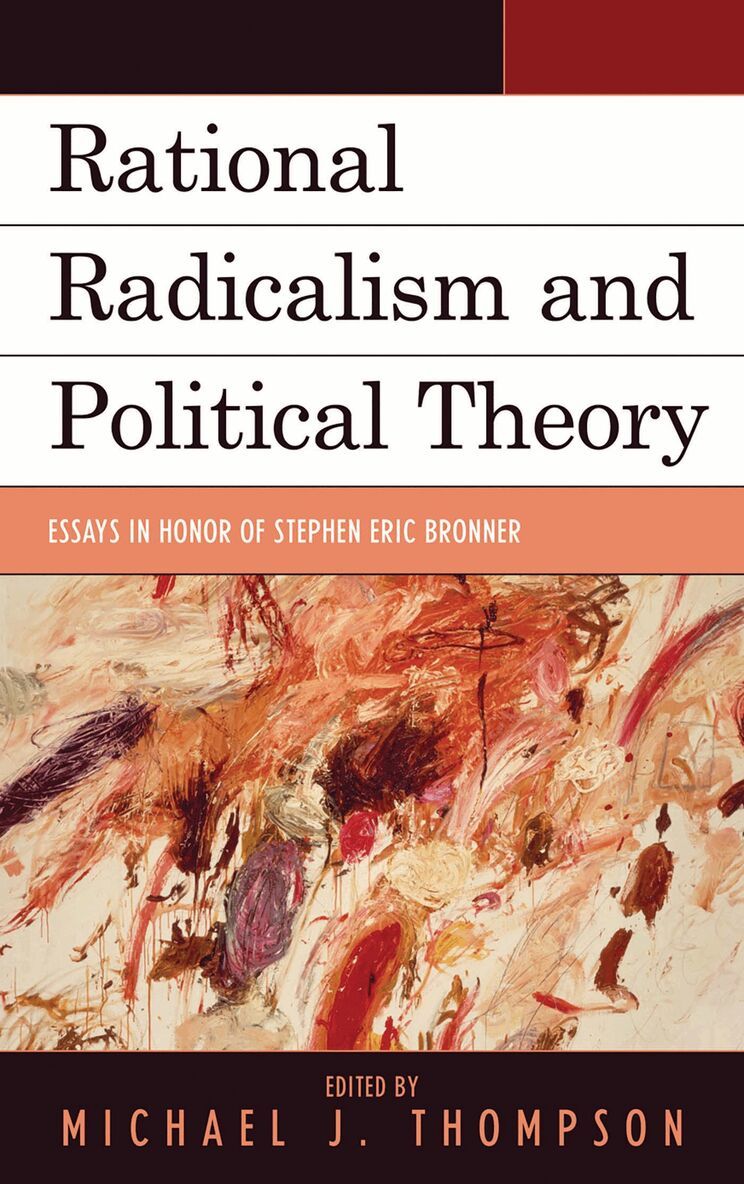
The online publication Logos: A Journal of Modern Society and Culture was launched in response to the atmosphere of triumphant conservatism and militarism that pervades American political culture in the aftermath of 9/11. Aiming to revitalize the moribund political left, several world-renowned intellectual figures congregated to form the journal''s core group of editors and writers. The mission of Logos is to promote "rational radicalism," grounded in critical social theory and fully engaged with the most vital issues of our time. The Logos Reader: Rational Radicalism and the Future of Politics offers the best political writing published by the journal during its first three years. Compiled by founding editors Stephen Eric Bronner and Michael J. Thompson, these pieces critically examine globalization, the Iraq War, and the plight of the Middle East, while also illuminating the domestic concerns that dominate American discourse. Delivered in a direct, accessible manner, the analyses presented in The Logos Reader reflect the journal''s distinctly public purpose. The essays reveal both the practical and theoretical connections between distant military pursuits and domestic struggles for democracy and equality. The left''s leading intellectuals shed light on the most recent developments in the global war on terrorism while sharply criticizing right-wing justifications for restricted civil liberties, human rights violations, and rampant expansion of armaments. Similar attention is given to central domestic issues, such as the conservative right''s assault on the welfare state and the crusade of religious fundamentalists against civil rights protections for all citizens. Negotiating the vast terrain of current social problems, the contributors are united in their intent to question and ultimately constrain the excessive power wielded by dominant cultural, political, and economic institutions. This collection stakes out firm ideological ground and challenges authoritarian forces, clarifying the notion of rational radicalism as a liberating counterpoint to limiting worldviews and systems of oppression.
451 kr
Läs direkt efter köp
The online publication Logos: A Journal of Modern Society and Culture was launched in response to the atmosphere of triumphant conservatism and militarism that pervades American political culture in the aftermath of 9/11. Aiming to revitalize the moribund political left, several world-renowned intellectual figures congregated to form the journal''s core group of editors and writers. The mission of Logos is to promote "rational radicalism," grounded in critical social theory and fully engaged with the most vital issues of our time. The Logos Reader: Rational Radicalism and the Future of Politics offers the best political writing published by the journal during its first three years. Compiled by founding editors Stephen Eric Bronner and Michael J. Thompson, these pieces critically examine globalization, the Iraq War, and the plight of the Middle East, while also illuminating the domestic concerns that dominate American discourse. Delivered in a direct, accessible manner, the analyses presented in The Logos Reader reflect the journal''s distinctly public purpose. The essays reveal both the practical and theoretical connections between distant military pursuits and domestic struggles for democracy and equality. The left''s leading intellectuals shed light on the most recent developments in the global war on terrorism while sharply criticizing right-wing justifications for restricted civil liberties, human rights violations, and rampant expansion of armaments. Similar attention is given to central domestic issues, such as the conservative right''s assault on the welfare state and the crusade of religious fundamentalists against civil rights protections for all citizens. Negotiating the vast terrain of current social problems, the contributors are united in their intent to question and ultimately constrain the excessive power wielded by dominant cultural, political, and economic institutions. This collection stakes out firm ideological ground and challenges authoritarian forces, clarifying the notion of rational radicalism as a liberating counterpoint to limiting worldviews and systems of oppression.
1 972 kr
Skickas inom 10-15 vardagar
652 kr
Skickas inom 10-15 vardagar
698 kr
Läs direkt efter köp
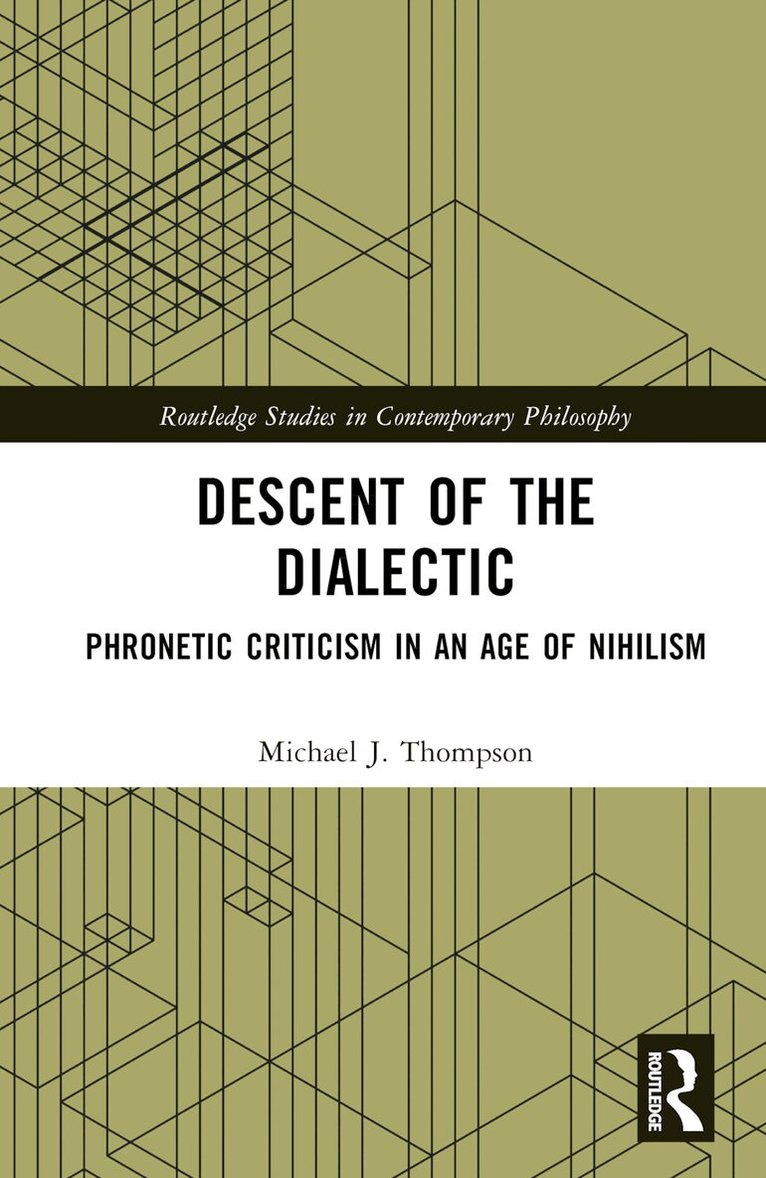
This book reconstructs the concept and practice of dialectics as a means of grounding a critical theory of society. At the center of this project is the thesis of phronetic criticism or a form of reason that is able to synthesize human value with objective rationality.
This book argues that defects in modern forms of social reason are the result of the powers of social structure and the norms and purposes they embody. Increasingly, modern societies are driven not by substantive values concerning human good but by the technical imperatives of economic management, leading to a cultural condition of nihilism that has eroded dialectical consciousness. The first half of the book demonstrates the various ways that social power erodes and undermines critical-rational forms of consciousness. The second part of the book constructs an alternative basis for critical reason by showing how it requires seeing human value as essentially ontological: that is, constituted by objective forms of sociality that either promote human freedom or pervert our capacities and drive toward pathological forms of life. The philosophical claim is that a critical theory of ethics must be rooted in these concrete forms of life and that this will serve as a critical vantage point for critical political judgment and transformational praxis.
Descent of the Dialectic will be of interest to researchers working in philosophy, political theory, social theory, and critical theory.
698 kr
Läs direkt efter köp
This book reconstructs the concept and practice of dialectics as a means of grounding a critical theory of society. At the center of this project is the thesis of phronetic criticism or a form of reason that is able to synthesize human value with objective rationality.
This book argues that defects in modern forms of social reason are the result of the powers of social structure and the norms and purposes they embody. Increasingly, modern societies are driven not by substantive values concerning human good but by the technical imperatives of economic management, leading to a cultural condition of nihilism that has eroded dialectical consciousness. The first half of the book demonstrates the various ways that social power erodes and undermines critical-rational forms of consciousness. The second part of the book constructs an alternative basis for critical reason by showing how it requires seeing human value as essentially ontological: that is, constituted by objective forms of sociality that either promote human freedom or pervert our capacities and drive toward pathological forms of life. The philosophical claim is that a critical theory of ethics must be rooted in these concrete forms of life and that this will serve as a critical vantage point for critical political judgment and transformational praxis.
Descent of the Dialectic will be of interest to researchers working in philosophy, political theory, social theory, and critical theory.
687 kr
Läs direkt efter köp
549 kr
Skickas inom 10-15 vardagar
2 718 kr
Skickas inom 10-15 vardagar
3 451 kr
Läs direkt efter köp
2 182 kr
Skickas inom 10-15 vardagar
611 kr
Skickas inom 5-8 vardagar
753 kr
Läs direkt efter köp
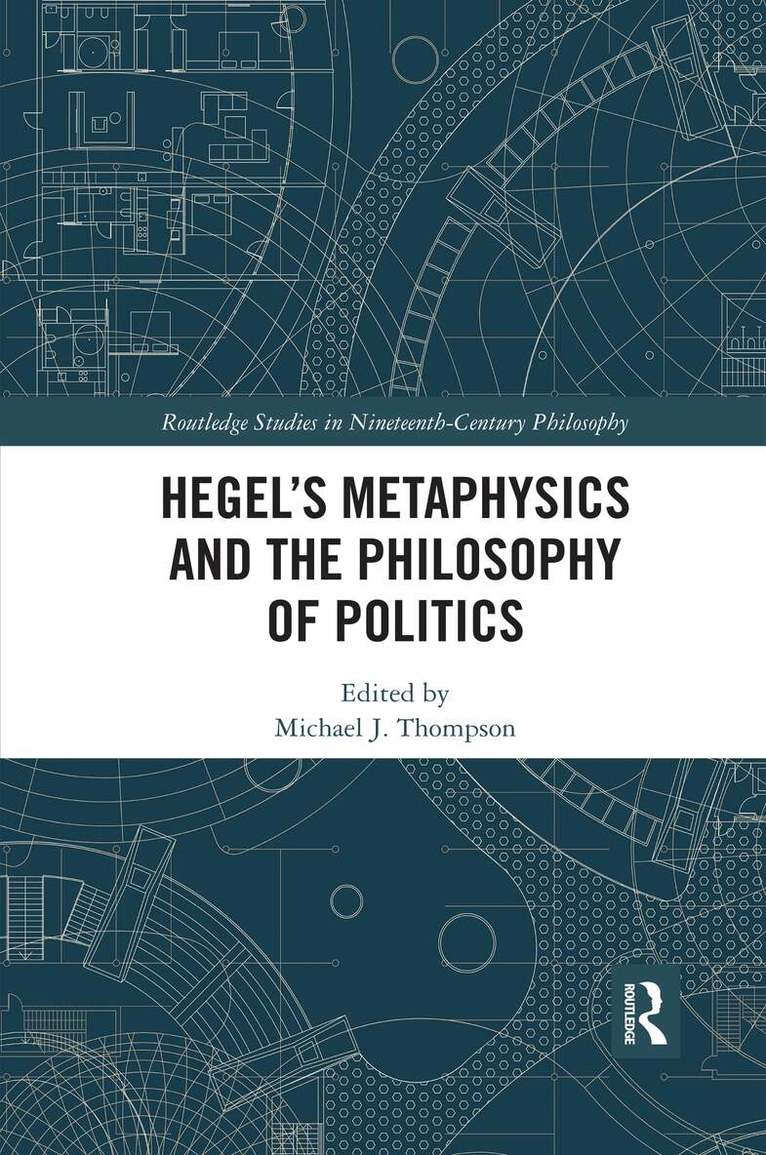
The renaissance in Hegel scholarship over the past two decades has largely ignored or marginalized the metaphysical dimension of his thought, perhaps most vigorously when considering his social and political philosophy. Many scholars have consistently maintained that Hegel’s political philosophy must be reconstructed without the metaphysical structure that Hegel saw as his crowning philosophical achievement. This book brings together twelve original essays that explore the relation between Hegel’s metaphysics and his political, social, and practical philosophy. The essays seek to explore what normative insights and positions can be obtained from examining Hegel’s distinctive view of the metaphysical dimensions of political philosophy. His ideas about the good, the universal, freedom, rationality, objectivity, self-determination, and self-development can be seen in a new context and with renewed understanding once their relation to his metaphysical project is considered. Hegel’s Metaphysics and the Philosophy of Politics will be of great interest to scholars of Hegelian philosophy, German Idealism, nineteenth-century philosophy, political philosophy, and political theory.
746 kr
Läs direkt efter köp
The renaissance in Hegel scholarship over the past two decades has largely ignored or marginalized the metaphysical dimension of his thought, perhaps most vigorously when considering his social and political philosophy. Many scholars have consistently maintained that Hegel’s political philosophy must be reconstructed without the metaphysical structure that Hegel saw as his crowning philosophical achievement. This book brings together twelve original essays that explore the relation between Hegel’s metaphysics and his political, social, and practical philosophy. The essays seek to explore what normative insights and positions can be obtained from examining Hegel’s distinctive view of the metaphysical dimensions of political philosophy. His ideas about the good, the universal, freedom, rationality, objectivity, self-determination, and self-development can be seen in a new context and with renewed understanding once their relation to his metaphysical project is considered. Hegel’s Metaphysics and the Philosophy of Politics will be of great interest to scholars of Hegelian philosophy, German Idealism, nineteenth-century philosophy, political philosophy, and political theory.
1 634 kr
Skickas inom 10-15 vardagar
976 kr
Skickas
606 kr
Skickas inom 3-6 vardagar
2 217 kr
Skickas inom 10-15 vardagar
545 kr
Skickas inom 10-15 vardagar
570 kr
Läs direkt efter köp
1 100 kr
Läs direkt efter köp
330 kr
Skickas inom 5-8 vardagar
399 kr
Skickas inom 5-8 vardagar
1 940 kr
Skickas inom 10-15 vardagar
697 kr
Skickas inom 10-15 vardagar