Michael K. Walonen – författare
Visar alla böcker från författaren Michael K. Walonen. Handla med fri frakt och snabb leverans.
5 produkter
5 produkter
Häftad, Engelska, 2024
703 kr
Skickas inom 10-15 vardagar
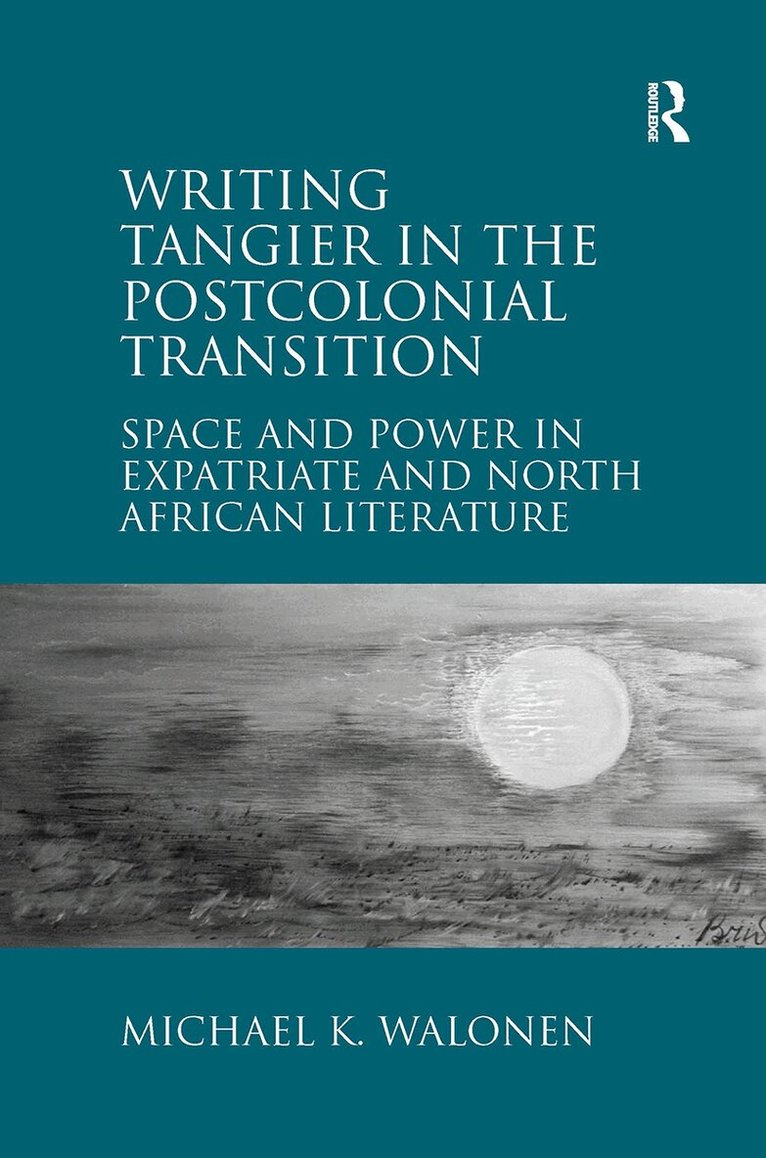
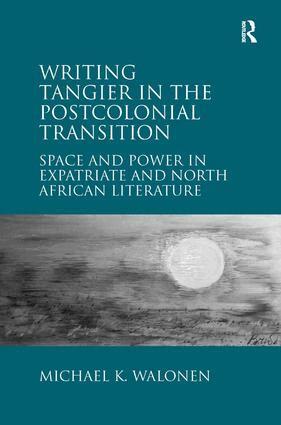
In his study of the Tangier expatriate community, Michael K. Walonen analyzes the representations of French and Spanish Colonial North Africa by Paul Bowles, Jane Bowles, William Burroughs, Brion Gysin, and Alfred Chester during the end of the colonial era and the earliest days of post-independence. The conceptualizations of space in these authors' descriptions of Tangier, Walonen shows, share common components: an attention to the transformative potential of the conflict sweeping the region; a record of the power relations that divided space along lines of gender and ethnicity, including the spatial impact of the widespread sexual commerce between Westerners and natives; a vision of the Maghreb as a land that can be dominated or imposed on as a kind of frontier space; an expression of anxieties about the specters of Cold War antagonisms; and an embrace of the underlying logic of the market to the culture of the Maghreb. Counterbalancing the depictions of Tangier by Westerners who sought to reconcile their nostalgia for the colonial order with their support of native demands for independent governance is Walonen's extended analysis of the contrasting sense of place found in the writings of native Moroccan authors such as Mohammed Choukri, Tahar Ben Jelloun, and Anouar Majid. In its focus on Tangier and the larger Maghreb as a lived environment situated at a particular spatial and temporal crossroads, Walonen's study makes an important contribution to the fields of urban, transatlantic, and postcolonial studies.
E-bok
PDF, Engelska, 2016793 kr
Läs direkt efter köp
In his study of the Tangier expatriate community, Michael K. Walonen analyzes the representations of French and Spanish Colonial North Africa by Paul Bowles, Jane Bowles, William Burroughs, Brion Gysin, and Alfred Chester during the end of the colonial era and the earliest days of post-independence. The conceptualizations of space in these authors'' descriptions of Tangier, Walonen shows, share common components: an attention to the transformative potential of the conflict sweeping the region; a record of the power relations that divided space along lines of gender and ethnicity, including the spatial impact of the widespread sexual commerce between Westerners and natives; a vision of the Maghreb as a land that can be dominated or imposed on as a kind of frontier space; an expression of anxieties about the specters of Cold War antagonisms; and an embrace of the underlying logic of the market to the culture of the Maghreb. Counterbalancing the depictions of Tangier by Westerners who sought to reconcile their nostalgia for the colonial order with their support of native demands for independent governance is Walonen''s extended analysis of the contrasting sense of place found in the writings of native Moroccan authors such as Mohammed Choukri, Tahar Ben Jelloun, and Anouar Majid. In its focus on Tangier and the larger Maghreb as a lived environment situated at a particular spatial and temporal crossroads, Walonen''s study makes an important contribution to the fields of urban, transatlantic, and postcolonial studies.
E-bok
Engelska, 2016793 kr
Läs direkt efter köp
In his study of the Tangier expatriate community, Michael K. Walonen analyzes the representations of French and Spanish Colonial North Africa by Paul Bowles, Jane Bowles, William Burroughs, Brion Gysin, and Alfred Chester during the end of the colonial era and the earliest days of post-independence. The conceptualizations of space in these authors'' descriptions of Tangier, Walonen shows, share common components: an attention to the transformative potential of the conflict sweeping the region; a record of the power relations that divided space along lines of gender and ethnicity, including the spatial impact of the widespread sexual commerce between Westerners and natives; a vision of the Maghreb as a land that can be dominated or imposed on as a kind of frontier space; an expression of anxieties about the specters of Cold War antagonisms; and an embrace of the underlying logic of the market to the culture of the Maghreb. Counterbalancing the depictions of Tangier by Westerners who sought to reconcile their nostalgia for the colonial order with their support of native demands for independent governance is Walonen''s extended analysis of the contrasting sense of place found in the writings of native Moroccan authors such as Mohammed Choukri, Tahar Ben Jelloun, and Anouar Majid. In its focus on Tangier and the larger Maghreb as a lived environment situated at a particular spatial and temporal crossroads, Walonen''s study makes an important contribution to the fields of urban, transatlantic, and postcolonial studies.
Inbunden, Engelska, 2016
935 kr
Skickas inom 10-15 vardagar
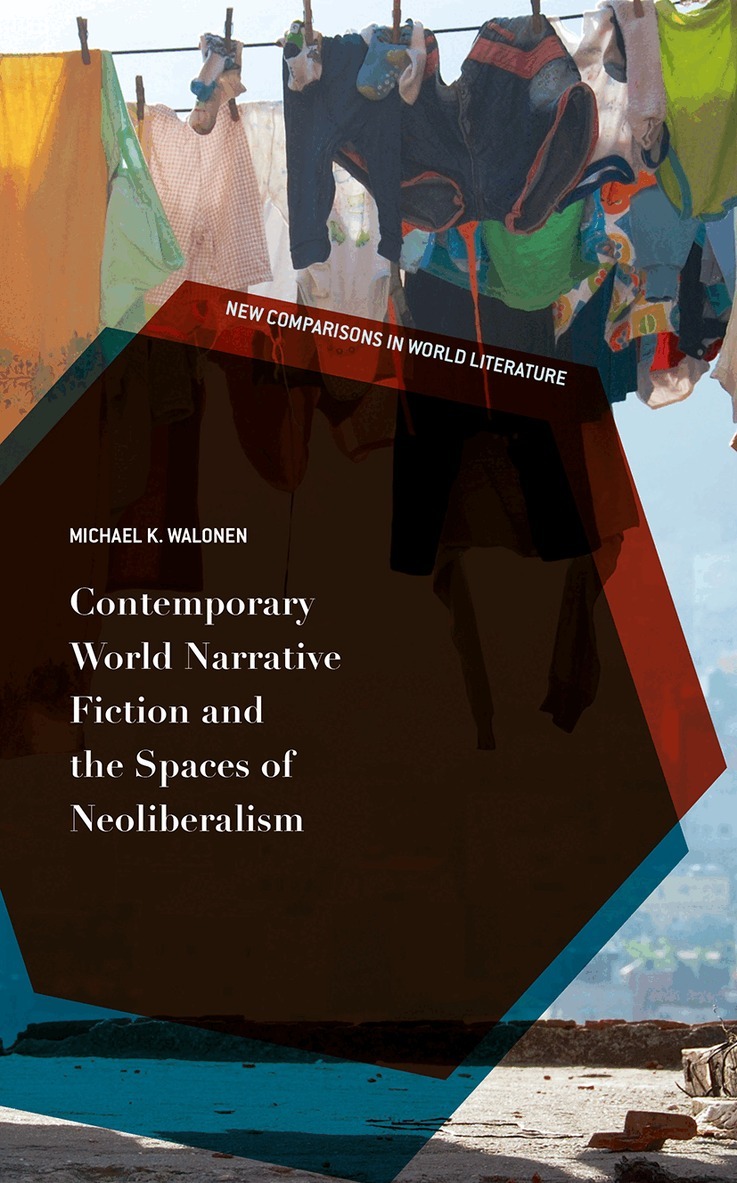
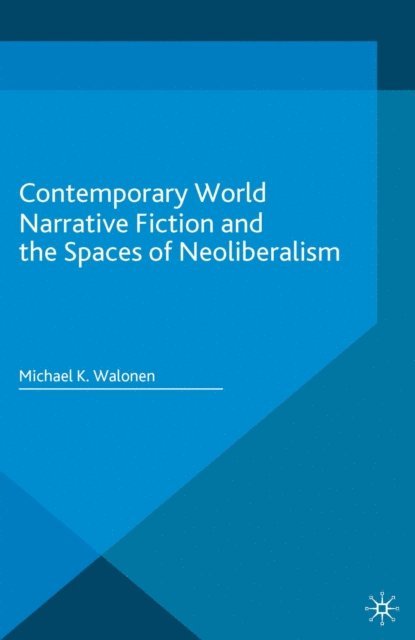
This book is a transnational study of how contemporary fiction writers from the United States and Canada to Nigeria to India to Dubai have conceptualized the emergent social spaces of the diverse corners of the neoliberal world system. Over the span of the past three to four decades, free market economic policies have been sold to or pushed upon every society on the globe in some way, shape, or form. The upshot of this has been a world system structured in terms of a vast shift of power and resources from government to private enterprise, dwindling civic life replaced by rising consumerism, an emerging oligarchic rentier class, large segments of population faced with meager material conditions of existence and few prospects of socio-economic mobility, and a looming sense of a near future dominated by further economic collapses and mounting social strife. This book analyses a wide cultural array of some of the most poignant narrative engagements with neoliberalism in its various localized manifestations throughout the world.
E-bok
PDF, Engelska, 20161 183 kr
Läs direkt efter köp
This book is a transnational study of how contemporary fiction writers from the United States and Canada to Nigeria to India to Dubai have conceptualized the emergent social spaces of the diverse corners of the neoliberal world system. Over the span of the past three to four decades, free market economic policies have been sold to or pushed upon every society on the globe in some way, shape, or form. The upshot of this has been a world system structured in terms of a vast shift of power and resources from government to private enterprise, dwindling civic life replaced by rising consumerism, an emerging oligarchic rentier class, large segments of population faced with meager material conditions of existence and few prospects of socio-economic mobility, and a looming sense of a near future dominated by further economic collapses and mounting social strife. This book analyses a wide cultural array of some of the most poignant narrative engagements with neoliberalism in its various localized manifestations throughout the world.