Michael L. Woodruff – författare
Visar alla böcker från författaren Michael L. Woodruff. Handla med fri frakt och snabb leverans.
3 produkter
3 produkter
1 094 kr
Skickas inom 10-15 vardagar
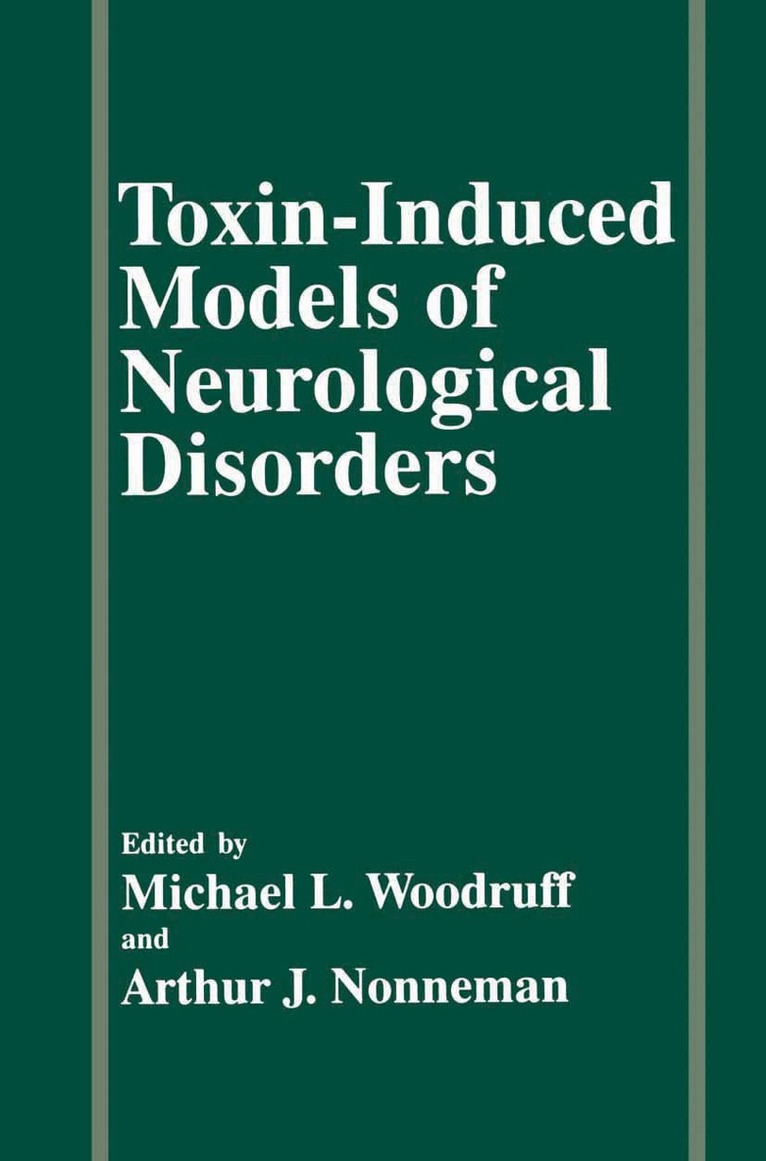
Tbis volume discusses and evaluates the use of neurotoxins to produce animal models of human neurodegenerative diseases. Tbe models presented use neuro toxins to induce some or most of the pathophysiological changes (including behavioral) that characterize the most studied motor neuron disorders and cogni tive disorders (dementia) in humans. Within the biomedical research community, there is little doubt about the utility of such models. But with increasing frequen cy, individuals concemed with animal rights question the validity of such models and argue that they actually produce no useful information for understanding or developing treatments for human disorders. Each of the chapters will address this issue, considering the utility, validity, generalizability, and limitations of the models presented. Chapter 1 begins with a brief review of the ethics of animal use in neuro biological research, inc1uding a discussion of the criteria that may be used to evaluate animal models of human disease and extrapolate from the model to appropriate questions regarding humans. The limitations of such extrapolation are also discussed, with special consideration of issues specific to the use of neurotoxins. Chapter 2 extends this theme with further consideration of issues and strategies involved in developing neurotoxin-induced models of neuro degenerative disorders and assessing risk factors associated with neurotoxin ex posure. It then narrows to evaluate the use of a model systems approach to explore neurotoxin-induced leaming and memory deficits in animals as related to humans with dementia.
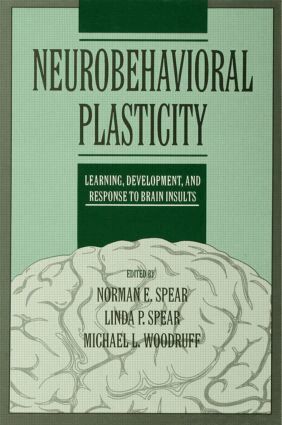
Neurobehavioral Plasticity
Learning, Development, and Response to Brain Insults
Inbunden, Engelska, 1995
2 176 kr
Skickas inom 10-15 vardagar
This book describes a unique combination of research programs based on a striking variety of hypotheses and procedures directed toward understanding the sources and consequences of neurobehavioral plasticity. This remarkable attribute of the nervous system -- to be pliable and capable of being shaped or formed by natural or artificial sources toward adaptation or maladaptation -- is considered in terms of the neurochemical forces and neuroanatomical structure that has been found to be pivotal for this function. The impetus for this volume was a symposium held to honor Robert L. Isaacson for his scientific and pedagogical achievements as well as his contributions to behavioral neuroscience. Corresponding to his three major research interests, the book is divided into three sections as follows:* the first explores the relationship between the limbic system and behavior, with an emphasis on learning and memory;* the second considers -- through a wide range of approaches -- issues of plasticity in behavior and brain; and * the third deals with neural and chemical determinants of normal and abnormal behavior.This volume is not only a fitting tribute to Isaacson, but also an unusual collection of new evidence, procedures, and theories destined to have significant influence on behavioral neuroscience.
Neurobehavioral Plasticity
Learning, Development, and Response to Brain Insults
Häftad, Engelska, 2016
707 kr
Skickas inom 10-15 vardagar
This book describes a unique combination of research programs based on a striking variety of hypotheses and procedures directed toward understanding the sources and consequences of neurobehavioral plasticity. This remarkable attribute of the nervous system -- to be pliable and capable of being shaped or formed by natural or artificial sources toward adaptation or maladaptation -- is considered in terms of the neurochemical forces and neuroanatomical structure that has been found to be pivotal for this function. The impetus for this volume was a symposium held to honor Robert L. Isaacson for his scientific and pedagogical achievements as well as his contributions to behavioral neuroscience. Corresponding to his three major research interests, the book is divided into three sections as follows:* the first explores the relationship between the limbic system and behavior, with an emphasis on learning and memory;* the second considers -- through a wide range of approaches -- issues of plasticity in behavior and brain; and * the third deals with neural and chemical determinants of normal and abnormal behavior.This volume is not only a fitting tribute to Isaacson, but also an unusual collection of new evidence, procedures, and theories destined to have significant influence on behavioral neuroscience.