Michael M. Berlin - Böcker
Visar alla böcker från författaren Michael M. Berlin. Handla med fri frakt och snabb leverans.
4 produkter
4 produkter
2 364 kr
Skickas inom 10-15 vardagar
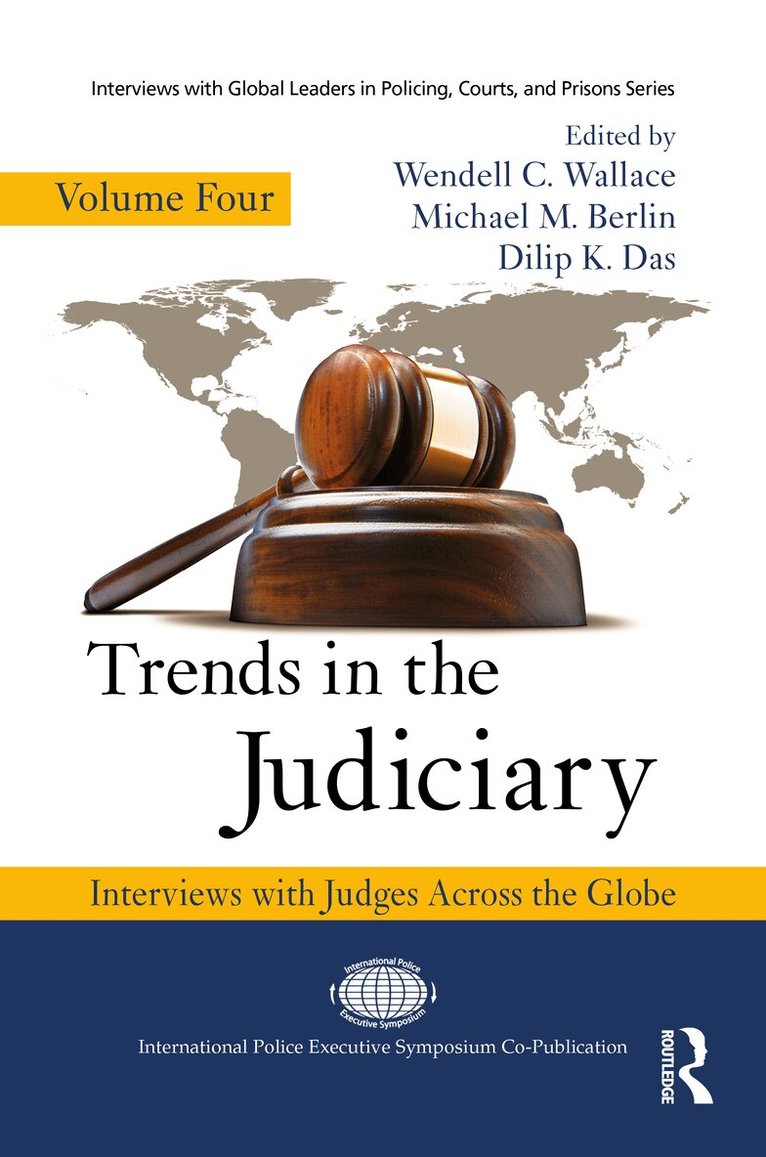
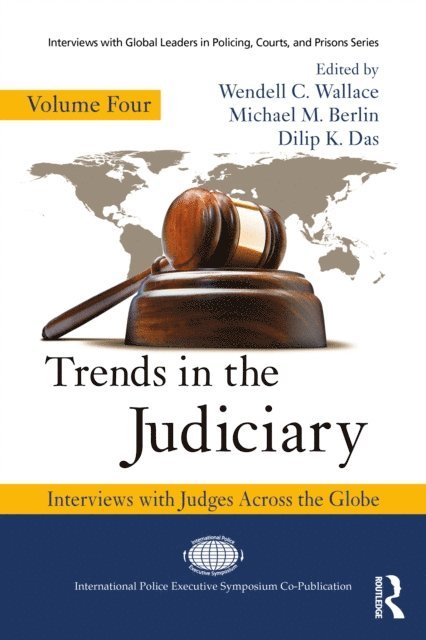
Trends in the Judiciary: Interviews with Judges from Across the Globe, Volume Four, provides insights into the lives, working environments, and social milieus of a select group of judges. These legal luminaries, often viewed as pedantic in their ontology, serve the crucial role of preserving the human rights of individuals. This text offers detailed data emanating from the narratives of judges who were interviewed by a wide range of academicians, from emerging and mid-career scholars to professionals and established professors. The narratives of the judges are interspersed with research data and country details in an effort to enhance the knowledge base of the readership. Judges from Asia, Africa, the Caribbean, Europe, the Pacific Islands, New Zealand, North America, and South America all contributed to this text by sharing information on their careers as well as insights as they traversed their profession. The readership of this manuscript will experience the thought processes of judges in relation to the social, cultural, economic, and political context of their respective nations and the gender issues, subtle attempts at juridical control, dealing with powerful criminals, and the lives of judges who have other interests besides "interpreting and applying the law." The international, cross-cultural perspectives presented in this book should be of significant interest to academics, practitioners, students, criminologists, and the criminal justice community, and those interested in comparative legal studies across the globe.
457 kr
Skickas inom 10-15 vardagar
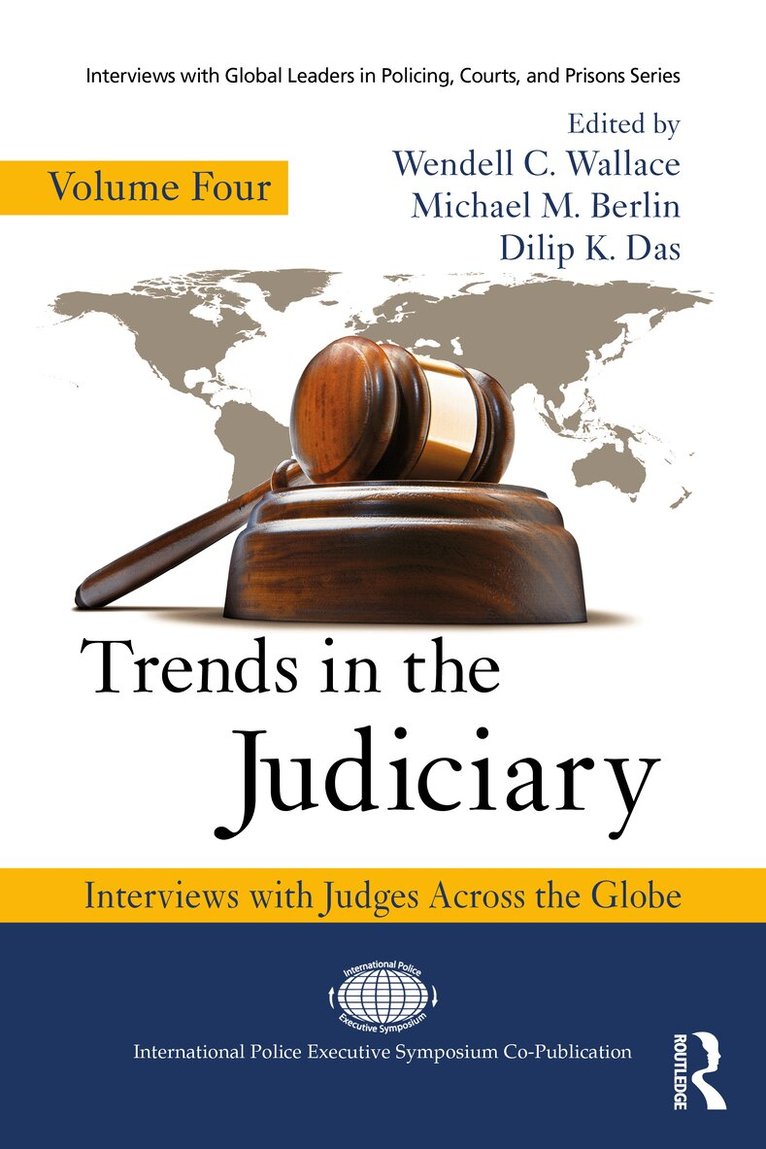
Trends in the Judiciary: Interviews with Judges from Across the Globe, Volume Four, provides insights into the lives, working environments, and social milieus of a select group of judges. These legal luminaries, often viewed as pedantic in their ontology, serve the crucial role of preserving the human rights of individuals. This text offers detailed data emanating from the narratives of judges who were interviewed by a wide range of academicians, from emerging and mid-career scholars to professionals and established professors. The narratives of the judges are interspersed with research data and country details in an effort to enhance the knowledge base of the readership. Judges from Asia, Africa, the Caribbean, Europe, the Pacific Islands, New Zealand, North America, and South America all contributed to this text by sharing information on their careers as well as insights as they traversed their profession. The readership of this manuscript will experience the thought processes of judges in relation to the social, cultural, economic, and political context of their respective nations and the gender issues, subtle attempts at juridical control, dealing with powerful criminals, and the lives of judges who have other interests besides "interpreting and applying the law." The international, cross-cultural perspectives presented in this book should be of significant interest to academics, practitioners, students, criminologists, and the criminal justice community, and those interested in comparative legal studies across the globe.
645 kr
Skickas inom 10-15 vardagar
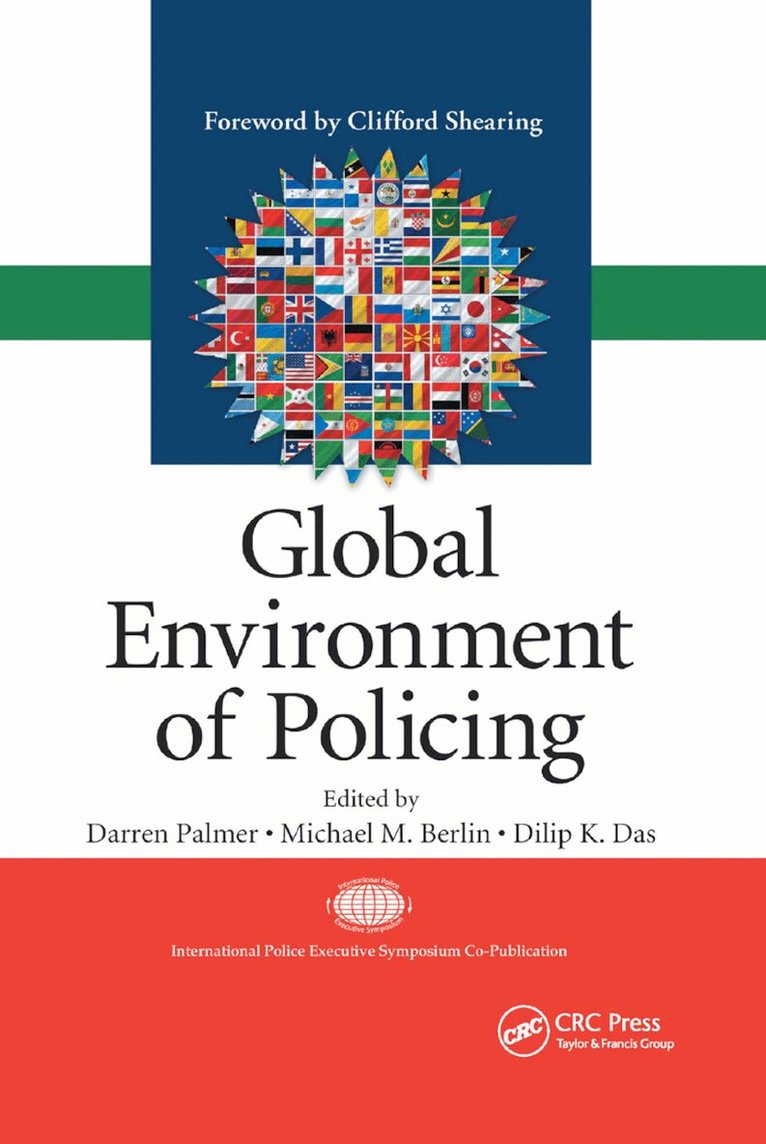
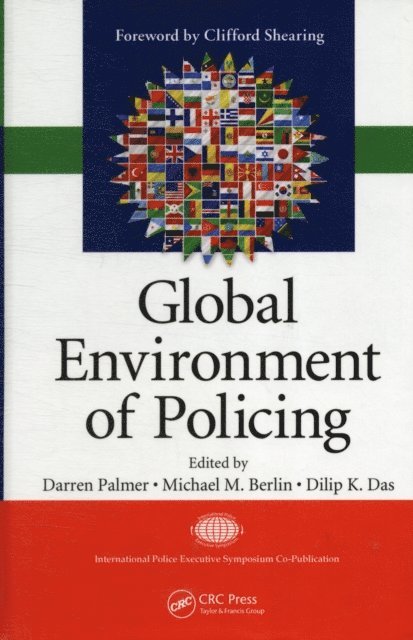
Police organizations across the globe are experiencing major changes. Many nations cope with funding constraints as pressures within their societies, terrorism and transnational crime, and social and political transformations necessitate a more democratic form of policing. Drawn from the proceedings at the International Police Executive Symposium in Prague and other IPES projects, Global Environment of Policing is composed of case studies from more than fourteen countries and six continents. Divided into four sections, the book presents contributions from high-level police executives, practitioners, and academics. Policing, Crime Control, and the Community explores community policing in Latin America and the United States and describes the effectiveness of a "zero tolerance" policy in New York City. It also presents a historical case study of policing in Portugal. Policing, Politics, and Democracy examines challenges confronting developing countries, policing in Brazil, police accountability mechanisms in India, and concerns regarding the democratization of policing.Policing: Global Challenges considers a range of contemporary issues within the policing environment, including policing cyberspace, police agencies’ striving for legitimacy, how law enforcement policies travel worldwide, and the problems of organized crime and people smuggling.Police Leadership, Management, Education, and Organization reflects on the growing issue of police reform. It discusses the infusion of private sector thinking into state police organizations, conflicts between police unions and management, training and models for police education, and police accountability in Bangladesh.The final chapter draws conclusions about the research presented in the book and provides a window on future concerns. With insight from world leaders in academia and in the fi
1 693 kr
Skickas inom 10-15 vardagar
Police organizations across the globe are experiencing major changes. Many nations cope with funding constraints as pressures within their societies, terrorism and transnational crime, and social and political transformations necessitate a more democratic form of policing. Drawn from the proceedings at the International Police Executive Symposium in Prague and other IPES projects, Global Environment of Policing is composed of case studies from more than fourteen countries and six continents. Divided into four sections, the book presents contributions from high-level police executives, practitioners, and academics. Policing, Crime Control, and the Community explores community policing in Latin America and the United States and describes the effectiveness of a "zero tolerance" policy in New York City. It also presents a historical case study of policing in Portugal. Policing, Politics, and Democracy examines challenges confronting developing countries, policing in Brazil, police accountability mechanisms in India, and concerns regarding the democratization of policing.Policing: Global Challenges considers a range of contemporary issues within the policing environment, including policing cyberspace, police agencies’ striving for legitimacy, how law enforcement policies travel worldwide, and the problems of organized crime and people smuggling.Police Leadership, Management, Education, and Organization reflects on the growing issue of police reform. It discusses the infusion of private sector thinking into state police organizations, conflicts between police unions and management, training and models for police education, and police accountability in Bangladesh.The final chapter draws conclusions about the research presented in the book and provides a window on future concerns. With insight from world leaders in academia and in the field, the book offers sage insight into the most critical issues facing contemporary police organizations.