924 kr
Michael North – författare
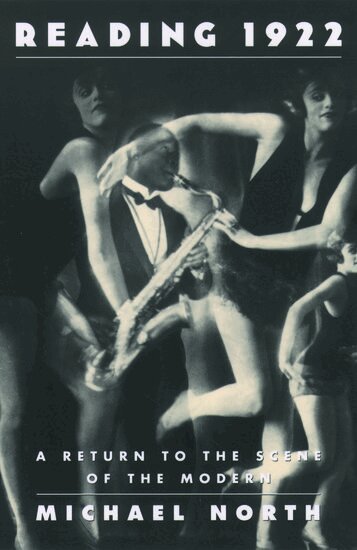
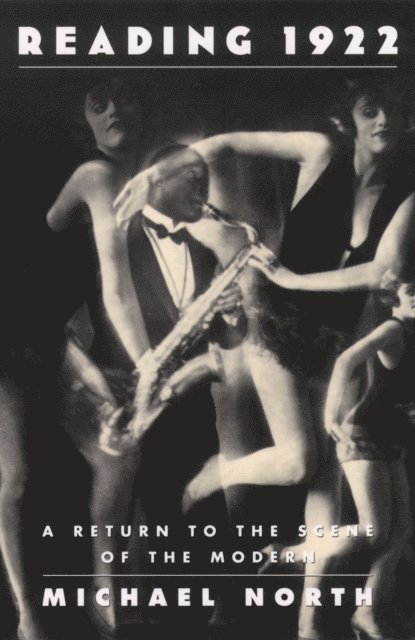
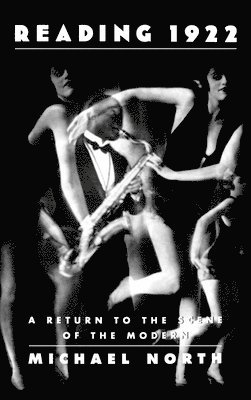
- Häftad, Engelska, 2002This engaging study returns to a truly remarkable year, the year in which both Ulysses and The Waste Land were published, in which The Great Gatsby was set, and during which the Fascisti took over in Italy, the Irish Free State was born, the Harlem Renaissance reached its peak, Charlie Chaplin's popularity crested, and King Tutankhamen's tomb was discovered. In short, the year which not only in hindsight became the primal scene of literary modernism but which served as the cradle for a host of major political and aesthetic transformations resonating around the globe.In his previous study, the acclaimed Dialect of Modernism (OUP, 1994), Michael North looked at the racial and linguistic struggles over the English language which gave birth to the many strains of modernism. Here, he expands his vision to encompass the global stage, and tells the story of how books changed the future of the world as we know it in one unforgettable year.
- Häftad, Engelska, 2016
298 kr
Skickas inom 5-8 vardagar
In this overview of the Baltic region from the Vikings to the European Union, Michael North presents the sea and the lands that surround it as a Nordic Mediterranean, a maritime zone of shared influence, with its own distinct patterns of trade, cultural exchange, and conflict. Covering over a thousand years in a part of the world where seas have been much more connective than land, The Baltic: A History transforms the way we think about a body of water too often ignored in studies of the world’s major waterways.The Baltic lands have been populated since prehistory by diverse linguistic groups: Balts, Slavs, Germans, and Finns. North traces how the various tribes, peoples, and states of the region have lived in peace and at war, as both global powers and pawns of foreign regimes, and as exceptionally creative interpreters of cultural movements from Christianity to Romanticism and Modernism. He examines the golden age of the Vikings, the Hanseatic League, Gustavus Adolphus of Sweden, and Peter the Great, and looks at the hard choices people had to make in the twentieth century as fascists, communists, and liberal democrats played out their ambitions on the region’s doorstep.With its vigorous trade in furs, fish, timber, amber, and grain and its strategic position as a thruway for oil and natural gas, the Baltic has been—and remains—one of the great economic and cultural crossroads of the world. - Häftad, Engelska, 2008
659 kr
Skickas inom 5-8 vardagar
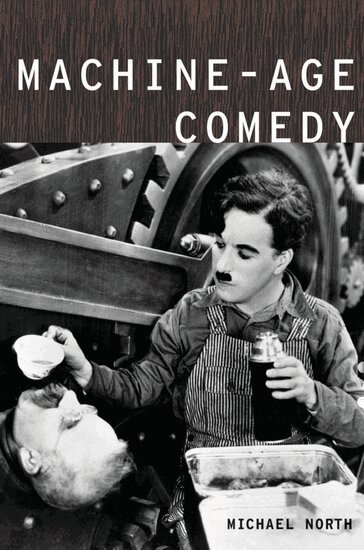
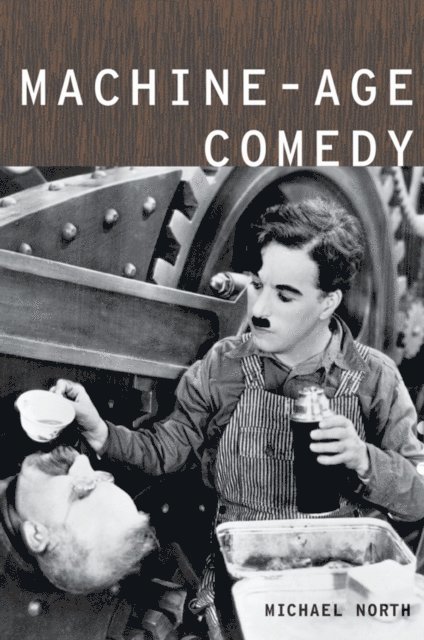
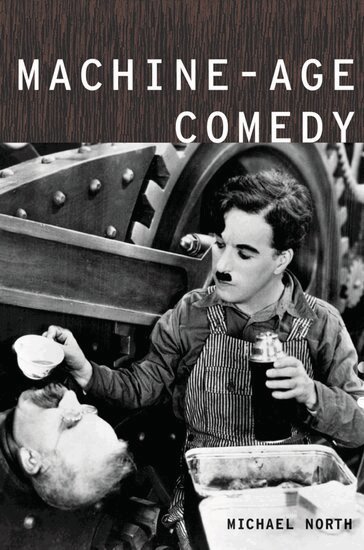
In this latest addition to Oxford's Modernist Literature & Culture series, renowned modernist scholar Michael North poses fundamental questions about the relationship between modernity and comic form in film, animation, the visual arts, and literature. Machine-Age Comedy vividly constructs a cultural history that spans the entire twentieth century, showing how changes wrought by industrialization have forever altered the comic mode. With keen analyses, North examines the work of a wide range of artists - including Charlie Chaplin, Walt Disney, Marcel Duchamp, Samuel Beckett, and David Foster Wallace - to show the creative and unconventional ways the routinization of industrial society has been explored in a broad array of cultural forms. Throughout, North argues that modern writers and artists found something inherently comic in new experiences of repetition associated with, enforced by, and made inevitable by the machine age. Ultimately, this rich, tightly focused study offers a new lens for understanding the devlopment of comedic structures during periods of massive social, political, and cultural change to reveal how the original promise of modern life can be extracted from its practical disappointment. - E-bokEngelska, 1998
617 kr
Läs direkt efter köp
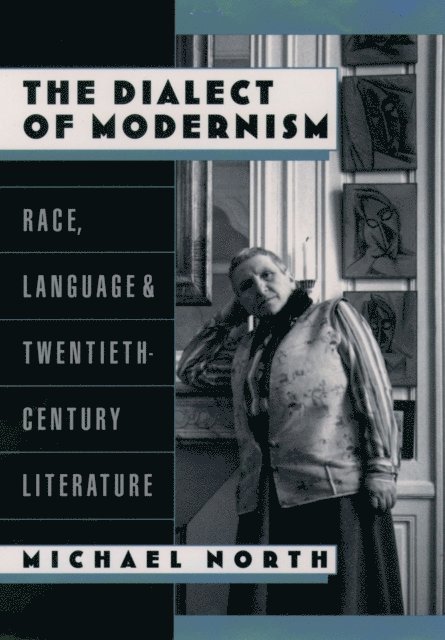
The Dialect of Modernism uncovers the crucial role of racial masquerade and linguistic imitation in the emergence of literary modernism. Rebelling against the standard language, and literature written in it, modernists, such as Joseph Conrad, Gertrude Stein, T.S. Eliot, Ezra Pound, and William Carlos Williams reimagined themselves as racial aliens and mimicked the strategies of dialect speakers in their work. In doing so, they made possible the most radical representational strategies of modern literature, which emerged from their attack on the privilege of standard language. At the same time, however, another movement, identified with Harlem, was struggling to free itself from the very dialect the modernists appropriated, at least as it had been rendered by two generations of white dialect writers. For writers such as Claude McKay, Jean Toomer, and Zora Neale Hurston, this dialect became a barrier as rigid as the standard language itself. Thus, the two modern movements, which arrived simultaneously in 1922, were linked and divided by their different stakes in the same language. In The Dialect of Modernism, Michael North shows, through biographical and historical investigation, and through careful readings of major literary works, that however different they were, the two movements are inextricably connected, and thus, cannot be considered in isolation. Each was marked, for good and bad, by the other. - E-bokEngelska, 2001
532 kr
Läs direkt efter köp
This engaging study returns to a truly remarkable year, the year in which both Ulysses and The Waste Land were published, in which The Great Gatsby was set, and during which the Fascisti took over in Italy, the Irish Free State was born, the Harlem Renaissance reached its peak, Charlie Chaplin''s popularity crested, and King Tutankhamen''s tomb was discovered. In short, the year which not only in hindsight became the primal scene of literary modernism but which served as the cradle for a host of major political and aesthetic transformations resonating around the globe. In his previous study, the acclaimed Dialect of Modernism (OUP, 1994), Michael North looked at the racial and linguistic struggles over the English language which gave birth to the many strains of modernism. Here, he expands his vision to encompass the global stage, and tells the story of how books changed the future of the world as we know it in one unforgettable year. - E-bokEngelska, 2008
363 kr
Läs direkt efter köp
In this latest addition to Oxford''s Modernist Literature & Culture series, renowned modernist scholar Michael North poses fundamental questions about the relationship between modernity and comic form in film, animation, the visual arts, and literature. Machine-Age Comedy vividly constructs a cultural history that spans the entire twentieth century, showing how changes wrought by industrialization have forever altered the comic mode. With keen analyses, North examines the work of a wide range of artists--including Charlie Chaplin, Walt Disney, Marcel Duchamp, Samuel Beckett, and David Foster Wallace--to show the creative and unconventional ways the routinization of industrial society has been explored in a broad array of cultural forms. Throughout, North argues that modern writers and artists found something inherently comic in new experiences of repetition associated with, enforced by, and made inevitable by the machine age. Ultimately, this rich, tightly focused study offers a new lens for understanding the devlopment of comedic structures during periods of massive social, political, and cultural change to reveal how the original promise of modern life can be extracted from its practical disappointment. - Inbunden, Engelska, 1999
1 140 kr
Skickas inom 5-8 vardagar
This study returns to the year in which Ulysses and The Waste Land were published to replace those works among the other cultural productions of the year, in the hope of giving a new start to critical controversies about aesthetic modernism and modern culture. It makes the claim that relations between these are a good deal closer and more complex than recent criticism has been willing to allow, and it illustrates these relations in its mode of organization, in order to reconstruct the larger public world into which these works were introduced. - Häftad, Engelska, 2008
543 kr
Skickas inom 5-8 vardagar
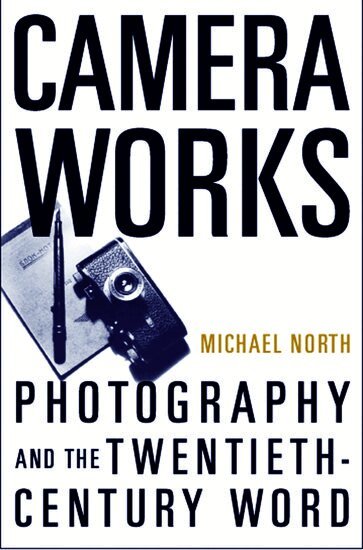
Camera Works is about the impact of photography and film on modern art and literature. For many artists and writers, these new media offered hope of new means of representation, neither linguistic nor pictorial, but hovering in a kind of utopian space between. At the same time, the new media introduced a dramatic element of novelty into the age-old evidence of the senses. For the avant-garde, the challenges of the new media were the modern in its most concentrated form, but even for aesthetically unadventurous writers they constituted an element of modern experience that could hardly be ignored.Camera Works thus traces some of the more utopian projects of transatlantic avant-garde, including the Readie machine of Bob Brown, which was to turn stories and poems into strips of linguistic film. The influence of photography and film on the avant-garde is traced from the early days of Camera Work, through the enthusiasm of Eugene Jolas and the contributors to his magazine transition, to the crisis created by the introduction of sound in the late 1920's. Subseguent chapters describe the entirely new kind of sensory enjoyment brought into modern American fiction by the new media. What Fitzgerald calls "spectroscopic gayety," the enjoyable diorientation of the senses by machine perception, turns out to be a powerful force in much American fiction. The revolutionary possibilities of this new spectatorship and its limitations are pursued through a number of examples, including Dos Passos, James Weldon Johnson, and Hemingway. Together, these chapters offer a new and substantially different account of the relationship between modern American literature and the mediatized society of the early twentieth century. With a comprehensive introduction and detailed particular readings, Camera Works substantiates a new understanding of the formal and historical bases of modernism. It argues that when modern literature and art respond to modernity, on a formal level, they are responding to the intervention of technology in the transmission of meaning, an intervention that unsettles all the terms in the essential relationship of human consciousness to the world of phenomena. - E-bokPDF, Engelska, 1999
598 kr
Läs direkt efter köp
This engaging study returns to a truly remarkable year, the year in which both Ulysses and The Waste Land were published, in which The Great Gatsby was set, and during which the Fascisti took over in Italy, the Irish Free State was born, the Harlem Renaissance reached its peak, Charlie Chaplin''s popularity crested, and King Tutankhamen''s tomb was discovered. In short, the year which not only in hindsight became the primal scene of literary modernism but which served as the cradle for a host of major political and aesthetic transformations resonating around the globe. In his previous study, the acclaimed Dialect of Modernism (OUP, 1994), Michael North looked at the racial and linguistic struggles over the English language which gave birth to the many strains of modernism. Here, he expands his vision to encompass the global stage, and tells the story of how books changed the future of the world as we know it in one unforgettable year. - E-bokPDF, Engelska, 1994
694 kr
Läs direkt efter köp
The Dialect of Modernism uncovers the crucial role of racial masquerade and linguistic imitation in the emergence of literary modernism. Rebelling against the standard language, and literature written in it, modernists, such as Joseph Conrad, Gertrude Stein, T.S. Eliot, Ezra Pound, and William Carlos Williams reimagined themselves as racial aliens and mimicked the strategies of dialect speakers in their work. In doing so, they made possible the most radical representational strategies of modern literature, which emerged from their attack on the privilege of standard language. At the same time, however, another movement, identified with Harlem, was struggling to free itself from the very dialect the modernists appropriated, at least as it had been rendered by two generations of white dialect writers. For writers such as Claude McKay, Jean Toomer, and Zora Neale Hurston, this dialect became a barrier as rigid as the standard language itself. Thus, the two modern movements, which arrived simultaneously in 1922, were linked and divided by their different stakes in the same language. In The Dialect of Modernism, Michael North shows, through biographical and historical investigation, and through careful readings of major literary works, that however different they were, the two movements are inextricably connected, and thus, cannot be considered in isolation. Each was marked, for good and bad, by the other. - Inbunden, Engelska, 2009
2 926 kr
Skickas inom 5-8 vardagar
In this latest addition to Oxford's Modernist Literature & Culture series, renowned modernist scholar Michael North poses fundamental questions about the relationship between modernity and comic form in film, animation, the visual arts, and literature. Machine-Age Comedy vividly constructs a cultural history that spans the entire twentieth century, showing how changes wrought by industrialization have forever altered the comic mode. With keen analyses, North examines the work of a wide range of artists - including Charlie Chaplin, Walt Disney, Marcel Duchamp, Samuel Beckett, and David Foster Wallace - to show the creative and unconventional ways the routinization of industrial society has been explored in a broad array of cultural forms. Throughout, North argues that modern writers and artists found something inherently comic in new experiences of repetition associated with, enforced by, and made inevitable by the machine age. Ultimately, this rich, tightly focused study offers a new lens for understanding the devlopment of comedic structures during periods of massive social, political, and cultural change to reveal how the original promise of modern life can be extracted from its practical disappointment. - E-bokPDF, Engelska, 2008
363 kr
Läs direkt efter köp
In this latest addition to Oxford''s Modernist Literature & Culture series, renowned modernist scholar Michael North poses fundamental questions about the relationship between modernity and comic form in film, animation, the visual arts, and literature. Machine-Age Comedy vividly constructs a cultural history that spans the entire twentieth century, showing how changes wrought by industrialization have forever altered the comic mode. With keen analyses, North examines the work of a wide range of artists--including Charlie Chaplin, Walt Disney, Marcel Duchamp, Samuel Beckett, and David Foster Wallace--to show the creative and unconventional ways the routinization of industrial society has been explored in a broad array of cultural forms. Throughout, North argues that modern writers and artists found something inherently comic in new experiences of repetition associated with, enforced by, and made inevitable by the machine age. Ultimately, this rich, tightly focused study offers a new lens for understanding the devlopment of comedic structures during periods of massive social, political, and cultural change to reveal how the original promise of modern life can be extracted from its practical disappointment. - E-bokPDF, Engelska, 2005
293 kr
Läs direkt efter köp
Camera Works is about the impact of photography and film on modern art and literature. For many artists and writers, these new media offered hope of new means of representation, neither linguistic nor pictorial, but hovering in a kind of utopian space between. At the same time, the new media introduced a dramatic element of novelty into the age-old evidence of the senses. For the avant-garde, the challenges of the new media were the modern in its most concentrated form, but even for aesthetically unadventurous writers they constituted an element of modern experience that could hardly be ignored.Camera Works thus traces some of the more utopian projects of transatlantic avant-garde, including the Readie machine of Bob Brown, which was to turn stories and poems into strips of linguistic film. The influence of photography and film on the avant-garde is traced from the early days of Camera Work, through the enthusiasm of Eugene Jolas and the contributors to his magazine transition, to the crisis created by the introduction of sound in the late 1920''s.Subseguent chapters describe the entirely new kind of sensory enjoyment brought into modern American fiction by the new media. What Fitzgerald calls "spectroscopic gayety," the enjoyable diorientation of the senses by machine perception, turns out to be a powerful force in much American fiction. The revolutionary possibilities of this new spectatorship and its limitations are pursued through a number of examples, including Dos Passos, James Weldon Johnson, and Hemingway. Together, these chapters offer a new and substantially different account of the relationship between modern American literature and the mediatized society of the early twentieth century.With a comprehensive introduction and detailed particular readings, Camera Works substantiates a new understanding of the formal and historical bases of modernism. It argues that when modern literature and art respond to modernity, on a formal level, they are responding to the intervention of technology in the transmission of meaning, an intervention that unsettles all the terms in the essential relationship of human consciousness to the world of phenomena. - Inbunden, Engelska, 2013
237 kr
Skickas inom 5-8 vardagar
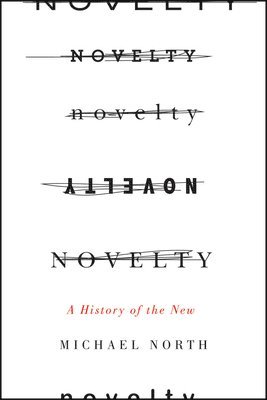
If art and science have one thing in common, it's a hunger for the new - new ideas and innovations, new ways of seeing and depicting the world. But that desire for novelty carries with it a fundamental philosophical problem: If everything has to come from something, how can anything truly new emerge? Is novelty even possible? In Novelty, Michael North takes us on a dazzling tour of more than two millennia of thinking about the problem of the new, from the puzzles of the pre-Socratics all the way up to the art world of the 1960s and '70s. The terms of the debate, North shows, were established before Plato, and have changed very little since: novelty, philosophers argued, could only arise from either recurrence or recombination. The former, found in nature's cycles of renewal, and the latter, seen most clearly in the workings of language - between them we have accounted for nearly all the ways in which novelty has been conceived of in Western history, including reformation, renaissance, invention, revolution, and even evolution.As he pursues this idea through centuries and across disciplines, North exhibits astonishing range, drawing on figures as diverse as Charles Darwin and Robert Smithson, Thomas Kuhn and Ezra Pound, Norbert Wiener and Andy Warhol, all of whom offer different ways of grappling with the idea of originality. Novelty, North demonstrates, remains a central problem of contemporary science and literature - an ever-receding target that, in its complexity and evasiveness, continues to inspire and propel the modern. A heady, ambitious intellectual feast, Novelty is rich with insight, a masterpiece of perceptive synthesis. - Häftad, Engelska, 2015
188 kr
Skickas inom 5-8 vardagar
If art and science have one thing in common, it's a hunger for the new—new ideas and innovations, new ways of seeing and depicting the world. But that desire for novelty carries with it a fundamental philosophical problem: If everything has to come from something, how can anything truly new emerge? Is novelty even possible? In Novelty, Michael North takes us on a dazzling tour of more than two millennia of thinking about the problem of the new, from the puzzles of the pre-Socratics all the way up to the art world of the 1960s and '70s. The terms of the debate, North shows, were established before Plato, and have changed very little since: novelty, philosophers argued, could only arise from either recurrence or recombination. The former, found in nature's cycles of renewal, and the latter, seen most clearly in the workings of language, between them have accounted for nearly all the ways in which novelty has been conceived in Western history, taking in reformation, renaissance, invention, revolution, and even evolution.As he pursues this idea through centuries and across disciplines, North exhibits astonishing range, drawing on figures as diverse as Charles Darwin and Robert Smithson, Thomas Kuhn and Ezra Pound, Norbert Wiener and Andy Warhol, all of whom offer different ways of grappling with the idea of originality. Novelty, North demonstrates, remains a central problem of contemporary science and literature—an ever-receding target that, in its complexity and evasiveness, continues to inspire and propel the modern. A heady, ambitious intellectual feast, Novelty is rich with insight, a masterpiece of perceptive synthesis. - Häftad, Engelska, 1999
381 kr
Skickas inom 5-8 vardagar
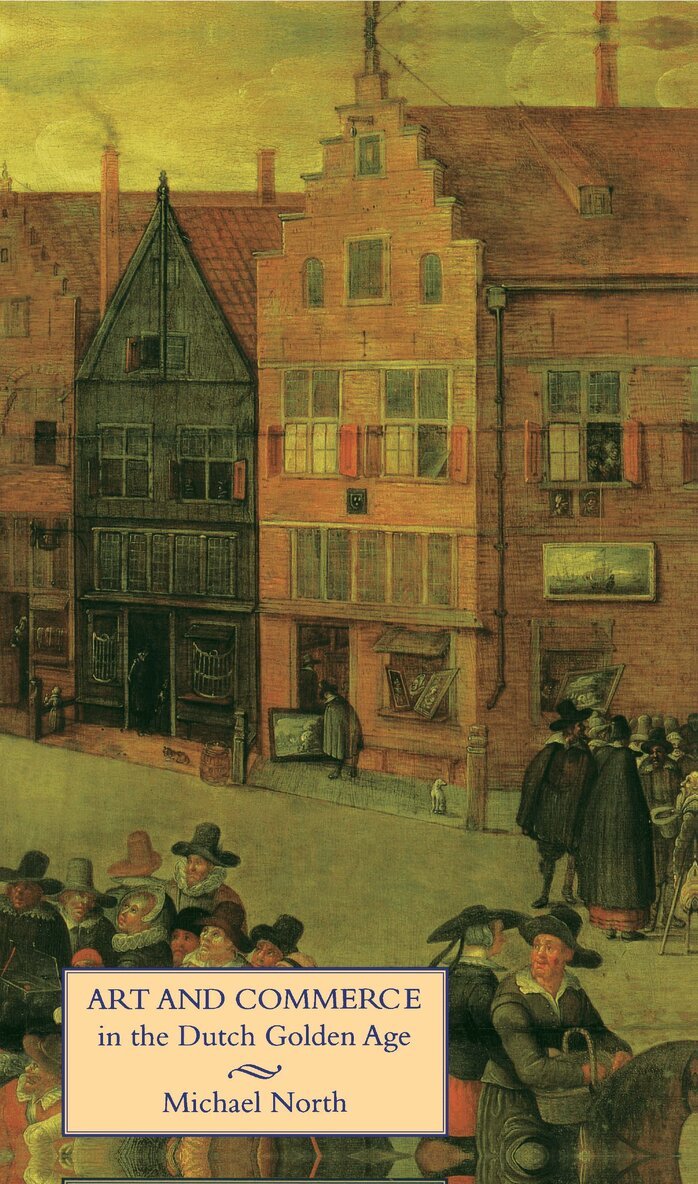
During the seventeenth century, the Netherlands—a small country with just two million inhabitants and virtually no natural resources—enjoyed a "Golden Age" of economic success, world power, and tremendous artistic output. In this book Michael North examines the Dutch Golden Age, when Dutch society boasted Europe's greatest number of cities and highest literacy rate, unusually large numbers of publicly and privately owned art works, religious tolerance, and a highly structured and wide-ranging social network. He explores the reasons for the country's success in trade and industry as it emerged from the Eighty Years' War against Spain, and the ways that art played a role in the innovative climate of the times. North looks at the practical aspects of this Golden Age—the banking system, demographic changes, and what made such industries as textiles and shipbuilding so successful. In this period commercialization not only had far-reaching effects on the economic life of the Netherlands, it also affected art, as market forces proved more powerful than patronage for the first time in Europe. With fascinating information about many artists, including Vermeer, Frans Hals, and Pieter de Hooch, North considers painting as a profession, the exhibitions and sales of art works (including the Dutch lottery system), auctions, and the prices that were paid for art. He compares the prices of different artistic genres and studies patterns of picture ownership. Through a close analysis of the private collection of Rembrandt's money lender, Harman Becker, North reveals the function served by works of art in Dutch households. This rich, in-depth view of the Dutch Golden Age will intrigue all readers with an interest in social, economic, or art history. - Häftad, Engelska, 2022
442 kr
Skickas inom 3-6 vardagar
- Häftad, Engelska, 2009
678 kr
Skickas inom 11-20 vardagar
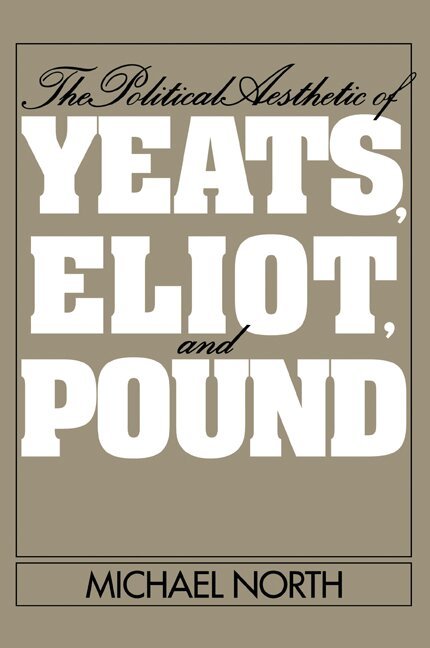
The politics of Yeats, Eliot and Pound have long been a source of discomfort and difficulty for literary critics and cultural historians. In The Political Aesthetic of Yeats, Eliot and Pound, Michael North offers a subtle reading of these issues by linking aesthetic modernism with an attempt in all these writers to resolve basic contradictions in modern liberalism. The many contradictions of modernism, which is seen as inwardly personal yet impersonal, subjective and yet beholden to tradition, fragmented and yet whole, mark the reappearance in art of these political contradictions. Though Yeats, Eliot and Pound certainly attempted to resolve in art problems that could not be resolved in actuality, their very attempt resulted in a politicised aesthetic, one that confessed their inability to do so. Yet this aesthetic retained an element of critical power, precisely because it could not cover up the political contradictions that concerned it; the poetry remains a valid criticism of the status quo and even in its failure suggests the beginnings of an alternative. - Inbunden, Engelska, 1992
1 489 kr
Skickas inom 11-20 vardagar
The politics of Yeats, Eliot and Pound have long been a source of discomfort and difficulty for literary critics and cultural historians. In The Political Aesthetic of Yeats, Eliot and Pound, Michael North offers a subtle reading of these issues by linking aesthetic modernism with an attempt in all these writers to resolve basic contradictions in modern liberalism. The many contradictions of modernism, which is seen as inwardly personal yet impersonal, subjective and yet beholden to tradition, fragmented and yet whole, mark the reappearance in art of these political contradictions. Though Yeats, Eliot and Pound certainly attempted to resolve in art problems that could not be resolved in actuality, their very attempt resulted in a politicised aesthetic, one that confessed their inability to do so. Yet this aesthetic retained an element of critical power, precisely because it could not cover up the political contradictions that concerned it; the poetry remains a valid criticism of the status quo and even in its failure suggests the beginnings of an alternative. - Inbunden, Engelska, 2018
433 kr
Skickas inom 5-8 vardagar
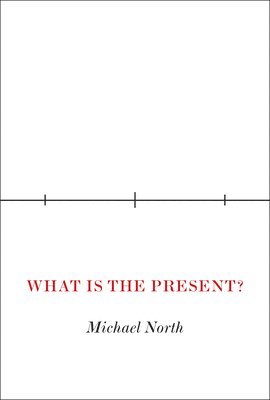
A provocative new look at concepts of the present, their connection to ideas about time, and their effect on literature, art, and cultureThe problem of the present—what it is and what it means—is one that has vexed generations of thinkers and artists. Because modernity places so much value on the present, many critics argue that people today spend far too much time in the here and now—but how can we tell without first knowing what the here and now actually is? What Is the Present? takes a provocative new look at this moment in time that remains a mystery even though it is always with us.Michael North tackles puzzles that have preoccupied philosophy, neuroscience, psychology, history, and aesthetic theory and examines the complex role of the present in painting, fiction, and film. He engages with a range of thinkers, from Aristotle and Augustine to William James and Henri Bergson. He draws illuminating examples from artists such as Fra Angelico and Richard McGuire, filmmakers like D. W. Griffith and Christopher Nolan, and novelists such as Elizabeth Bowen and Willa Cather. North offers a critical analysis of previous models of the present, from the experiential present to the historical period we call the contemporary. He argues that the present is not a cosmological or experiential fact but a metaphor, a figurative relationship with the whole of time. Presenting an entirely new conception of the temporal mystery Georg Lukács called the "unexplained instant," What Is the Present? explores how the arts have traditionally represented the present—and also how artists have offered radical alternatives to that tradition. - Häftad, Engelska, 2025
245 kr
Skickas inom 5-8 vardagar
A provocative new look at concepts of the present, their connection to ideas about time, and their effect on literature, art, and cultureThe problem of the present—what it is and what it means—is one that has vexed generations of thinkers and artists. Because modernity places so much value on the present, many critics argue that people today spend far too much time in the here and now—but how can we tell without first knowing what the here and now actually is? What Is the Present? takes a provocative new look at this moment in time that remains a mystery even though it is always with us.Michael North tackles puzzles that have preoccupied philosophy, neuroscience, psychology, history, and aesthetic theory and examines the complex role of the present in painting, fiction, and film. He engages with a range of thinkers, from Aristotle and Augustine to William James and Henri Bergson. He draws illuminating examples from artists such as Fra Angelico and Richard McGuire, filmmakers like D. W. Griffith and Christopher Nolan, and novelists such as Elizabeth Bowen and Willa Cather. North offers a critical analysis of previous models of the present, from the experiential present to the historical period we call the contemporary. He argues that the present is not a cosmological or experiential fact but a metaphor, a figurative relationship with the whole of time. Presenting an entirely new conception of the temporal mystery Georg Lukács called the "unexplained instant," What Is the Present? explores how the arts have traditionally represented the present—and also how artists have offered radical alternatives to that tradition. - Del 20 - Manchester Medieval Studies
Expansion of Europe, 1250–1500
Inbunden, Engelska, 20121 224 kr
Skickas inom 5-8 vardagar
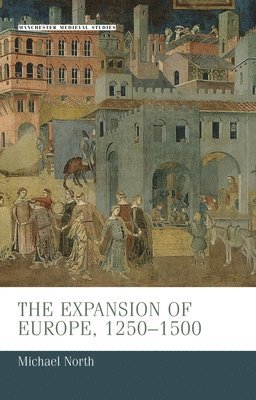
Later medieval Europe saw a great deal of change and expansion of different kinds. This geographically broad textbook explores these events in a series of core chapters on the different countries, covering the Holy Roman Empire, East-Central Europe, Scandinavia and Russia. It looks not only at political history but also at economy, society and culture, including art, architecture, literature and music. North demonstrates that Europe did not consist of a core and periphery, but of different regions that had divergent developments, and makes sense of these various patterns of historical change. A review of current research debates also introduces readers to the most up to date discussions in the field.This volume provides an excellent, clear and comprehensive survey for students, while also throwing light on these societies from unexpected angles. It offers fresh perspectives on western Europe, comparing English with Scottish and Irish development, looking at the French monarchy in a social context, and incorporating Portugal into the discussion of the Iberian Peninsula. - Häftad, Engelska, 1998
1 311 kr
Skickas inom 10-15 vardagar
A thorough understanding of stereochemistry is essential for the comprehension of almost all aspects of modern organic chemistry. It is also of great significance in many biochemical and medicinal disciplines, since the stereoisomers of a compound can have dramatically different biological properties. This text explains how the different properties of stereoisomers of a compound arise, and what processes can be used to prepare and analyze stereoisomerically pure compounds. It also presents prominent coverage of the stereochemistry of inorganic and organometallic compounds, which is likely to increase in importance, as these compounds are used as symmetric catalysts in asymmetric synthesis. Modern stereochemical terminology is used throughout, although reference is also made to older terms which are still widely used. A set of problems at the end of each chapter aims to further the reader's understanding of how the content can be applied. The book is designed mainly as a textbook for undergraduate students and as a reference source for more advanced levels, but is also intended for academic and professional organic chemists. - Inbunden, Engelska, 2008
2 518 kr
Skickas inom 10-15 vardagar
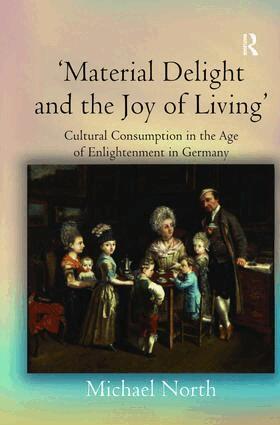
Eighteenth-century Europe witnessed a commercialization of culture as it became less courtly and more urban. The marketing of culture became separate from the production of culture. New cultural entrepreneurs entered the stage: the impresario, the publisher, the book seller, the art dealer, the auction house, and the reading society served as middlemen between producers and consumers of culture, and constituted at the same time the beginning of a cultural service sector. Cultural consumption also played a substantial role in creating social identity. One could demonstrate social status by attending an auction, watching a play, or listening to a concert. Moreover, and eventually more significant, one could demonstrate connoisseurship and taste, which became important indicators of social standing. The centres of cultural exchange and consumption were initially the great cities of Europe. In the course of the eighteenth century, however, cultural consumption penetrated much deeper, for example into the numerous residential and university towns in Germany, where a growing number of functional elites and burghers met in coffee houses and reading societies, attended the theatre and opera, and performed orchestral and chamber music together. Journals, novels and letters were also crucial in forming consumer culture in provincial Germany: as the German states were remote from the cultural life of England and France, the material reality of London and Paris often passed as a literary construction to Germany. It is against this background, and stimulated by the research of John Brewer on England, that the book systematically explores this field for the first time in regard to the Continent, and especially to eighteenth-century Germany. Michael North focuses, chapter by chapter, on the new forms of entertainment (concerts, theatre, opera, reading societies, travelling) on the one hand and on the new material culture (fashion, gardens, country houses, furniture) on the other. At the centre of the discussion is the reception of English culture on the Continent, and the competition between English and French fashions in the homes of German elites and burghers attracts special attention. The book closes with an investigation of the role of cultural consumption for identity formation, demonstrating the integration of Germany into a European cultural identity during the eighteenth century. - Inbunden, Engelska, 2010
3 159 kr
Skickas inom 5-8 vardagar
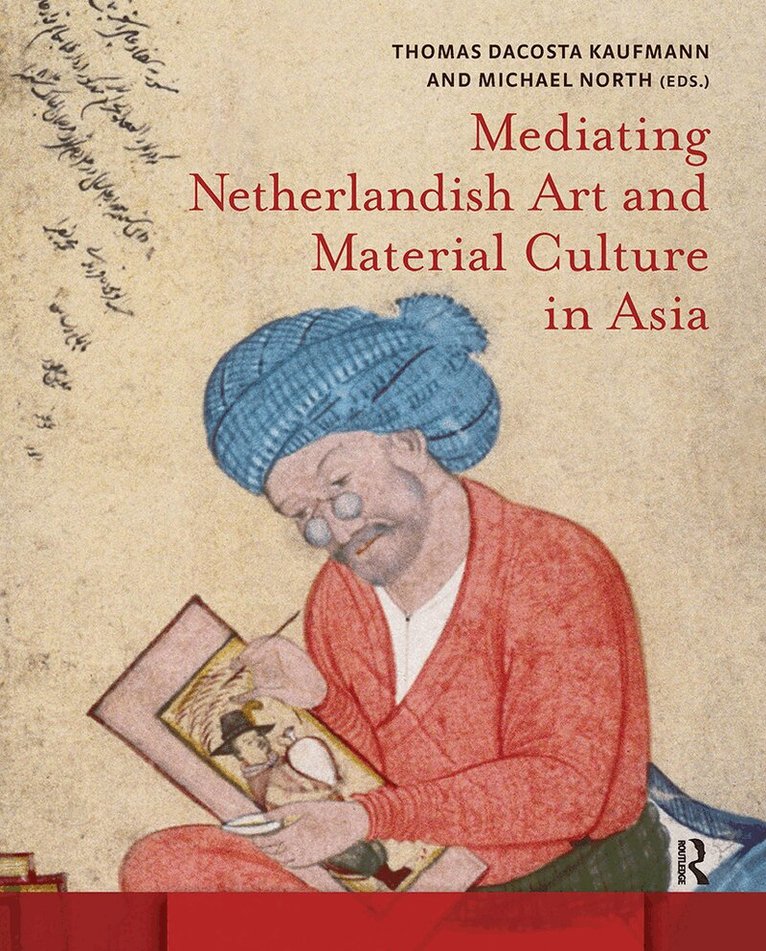
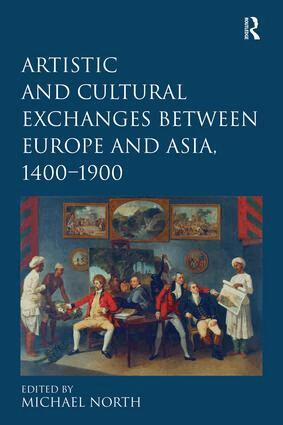
The European expansion to Asia was driven by the desire for spices and Asian luxury products. Its results, however, exceeded the mere exchange of commodities and precious metals. The meeting of Asia and Europe signaled not only the beginnings of a global market but also a change in taste and lifestyle that influences our lives even today. Manifold kinds of cultural transfers evolved within a market framework that was not just confined to intercontinental and intra-Asiatic trade. In Europe and Asia markets for specific cultural products emerged and the transfers of objects affected domestic arts and craft production. Traditionally, relations between Europe and Asia have been studied in a hegemonic perspective, with Europe as the dominant political and economic centre. Even with respect to cultural exchange, the model of diffusion regarded Europe as the centre, and Asia the recipient, whereby Asian objects in Europe became exotica in the Kunst- und Wunderkammern. Conceptions of Europe and Asia as two monolithic regions emerged in this context. However, with the current process of globalization these constructions and the underlying models of cultural exchange have come under scrutiny. For this reason, the book focuses on cultural exchange between different European and Asian civilizations, whereby the reciprocal complexities of cultural transfers are at the centre of observation. By investigating art markets, workshops and collections in Europe and Asia the contributors exemplify the varieties of cultural exchange. The book examines the changing roles of Asian objects in European material culture and collections and puts a special emphasis on the reception of European visual arts in colonial settlements in Asia as well as in different Asian societies. - Inbunden, Engelska, 2016
697 kr
Skickas inom 10-15 vardagar
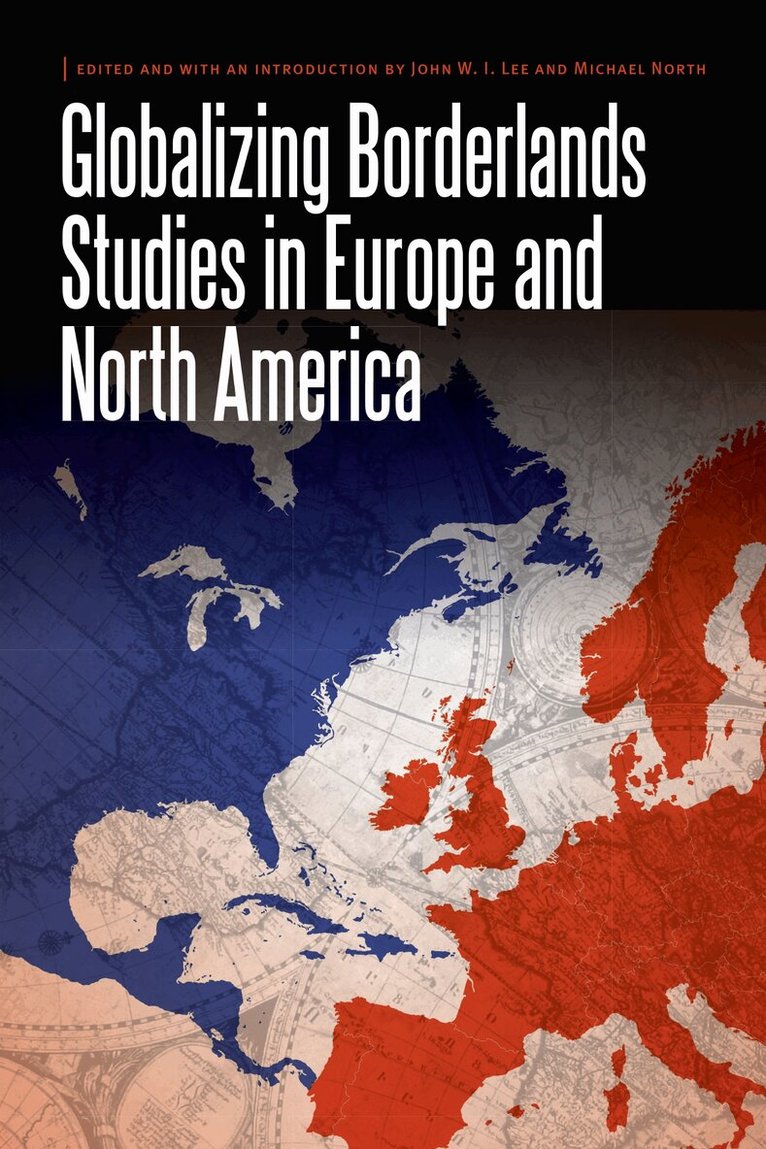
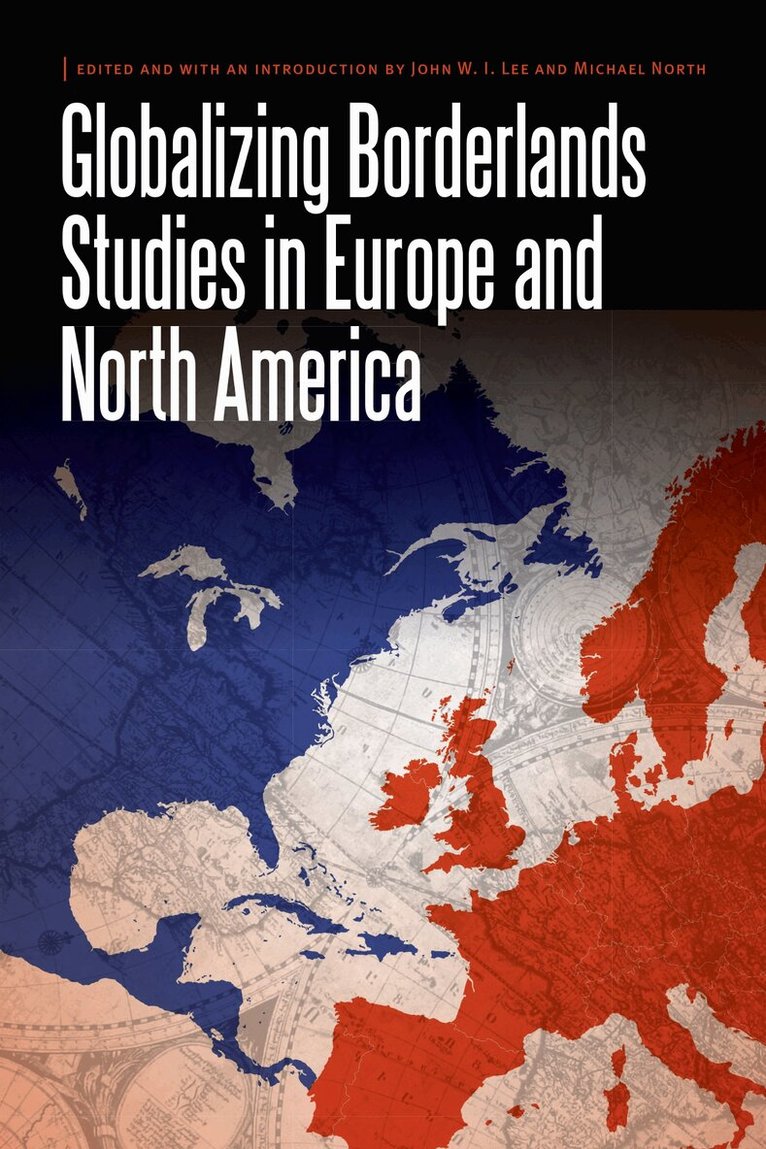
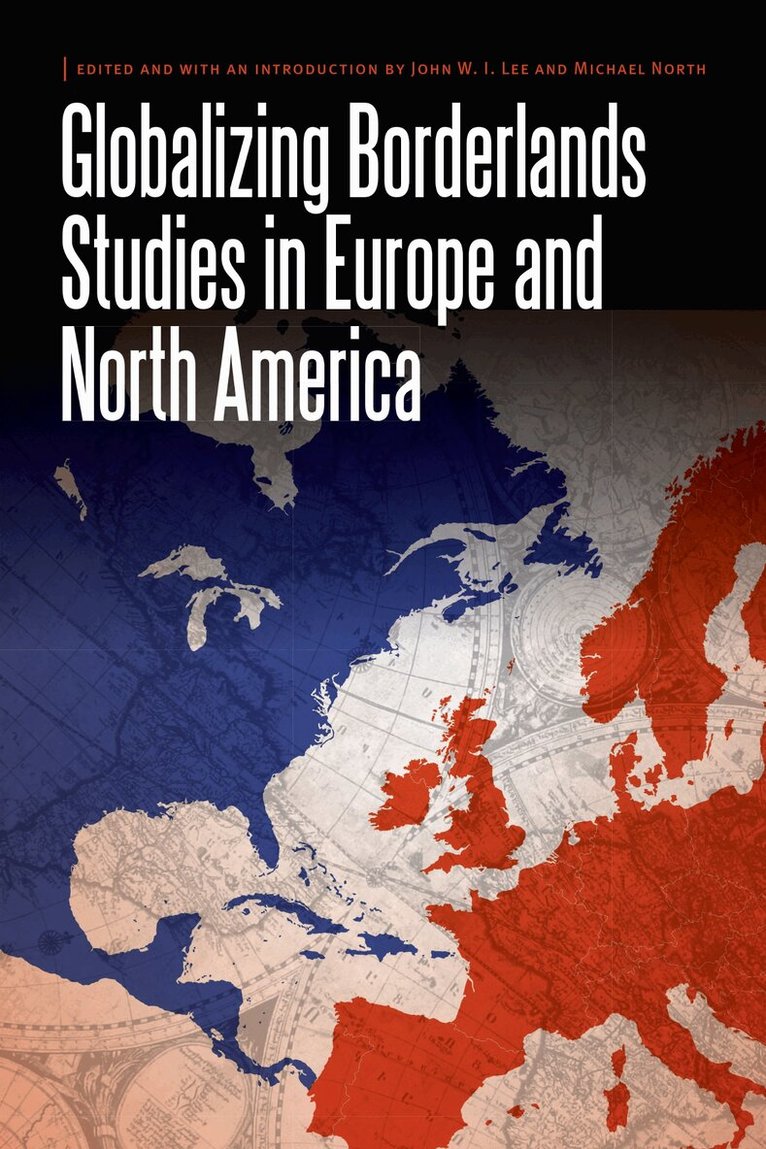
Borderlands are complex spaces that can involve military, religious, economic, political, and cultural interactions-all of which may vary by region and over time. John W. I. Lee and Michael North bring together interdisciplinary scholars to analyze a wide range of border issues and to encourage a nuanced dialogue addressing the concepts and processes of borderlands. Gathering the voices of a diverse range of international scholars, Globalizing Borderlands Studies in Europe and North America presents case studies from ancient to modern times, highlighting topics ranging from religious conflicts to medical frontiers to petty trade. Spanning geographical regions of Europe, the Baltics, North Africa, the American West, and Mexico, these essays shed new light on the complex processes of boundary construction, maintenance, and crossing, as well as on the importance of economic, political, social, ethnic, and religious interactions in the borderlands. Globalizing Borderlands Studies in Europe and North America not only forges links between past and present scholarship but also paves the way for new models and approaches in future borderlands research. - E-bokEngelska, 2016
604 kr
Läs direkt efter köp
Borderlands are complex spaces that can involve military, religious, economic, political, and cultural interactions-all of which may vary by region and over time. John W. I. Lee and Michael North bring together interdisciplinary scholars to analyze a wide range of border issues and to encourage a nuanced dialogue addressing the concepts and processes of borderlands. Gathering the voices of a diverse range of international scholars, Globalizing Borderlands Studies in Europe and North America presents case studies from ancient to modern times, highlighting topics ranging from religious conflicts to medical frontiers to petty trade. Spanning geographical regions of Europe, the Baltics, North Africa, the American West, and Mexico, these essays shed new light on the complex processes of boundary construction, maintenance, and crossing, as well as on the importance of economic, political, social, ethnic, and religious interactions in the borderlands. Globalizing Borderlands Studies in Europe and North America not only forges links between past and present scholarship but also paves the way for new models and approaches in future borderlands research. - E-bokPDF, Engelska, 2016
610 kr
Läs direkt efter köp
Borderlands are complex spaces that can involve military, religious, economic, political, and cultural interactions-all of which may vary by region and over time. John W. I. Lee and Michael North bring together interdisciplinary scholars to analyze a wide range of border issues and to encourage a nuanced dialogue addressing the concepts and processes of borderlands. Gathering the voices of a diverse range of international scholars, Globalizing Borderlands Studies in Europe and North America presents case studies from ancient to modern times, highlighting topics ranging from religious conflicts to medical frontiers to petty trade. Spanning geographical regions of Europe, the Baltics, North Africa, the American West, and Mexico, these essays shed new light on the complex processes of boundary construction, maintenance, and crossing, as well as on the importance of economic, political, social, ethnic, and religious interactions in the borderlands. Globalizing Borderlands Studies in Europe and North America not only forges links between past and present scholarship but also paves the way for new models and approaches in future borderlands research. - Inbunden, Engelska, 2020
1 612 kr
Skickas inom 10-15 vardagar
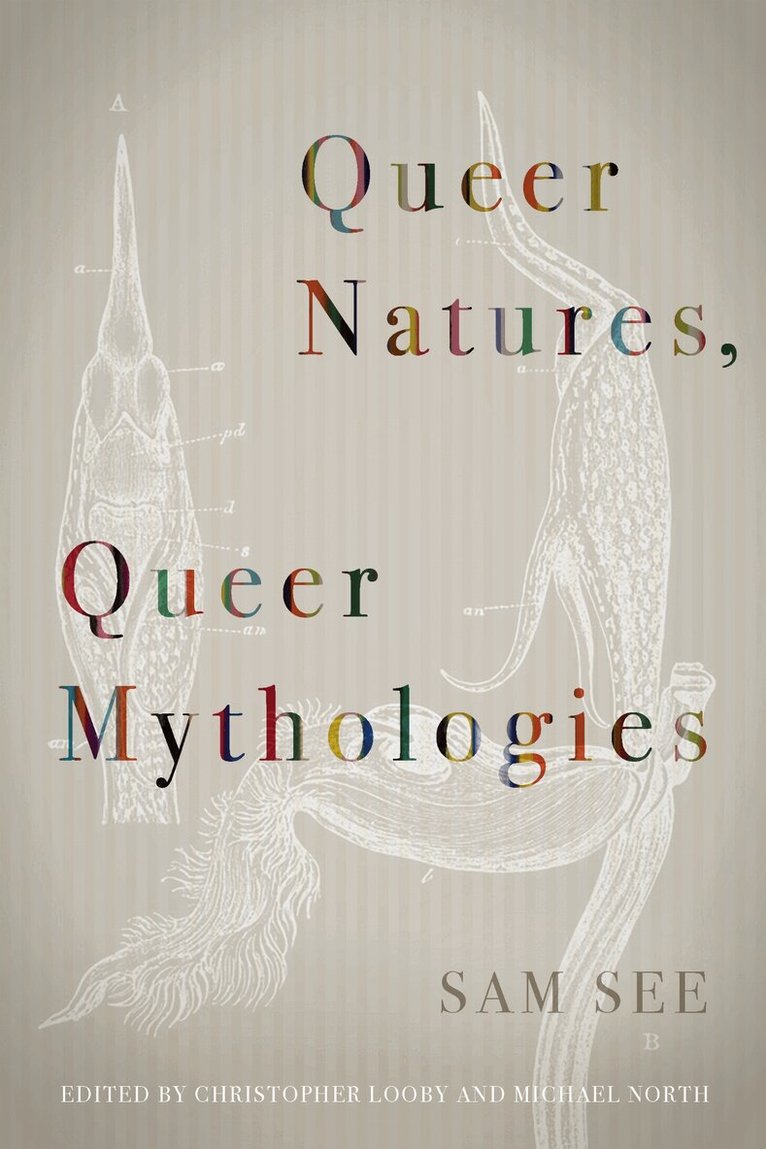
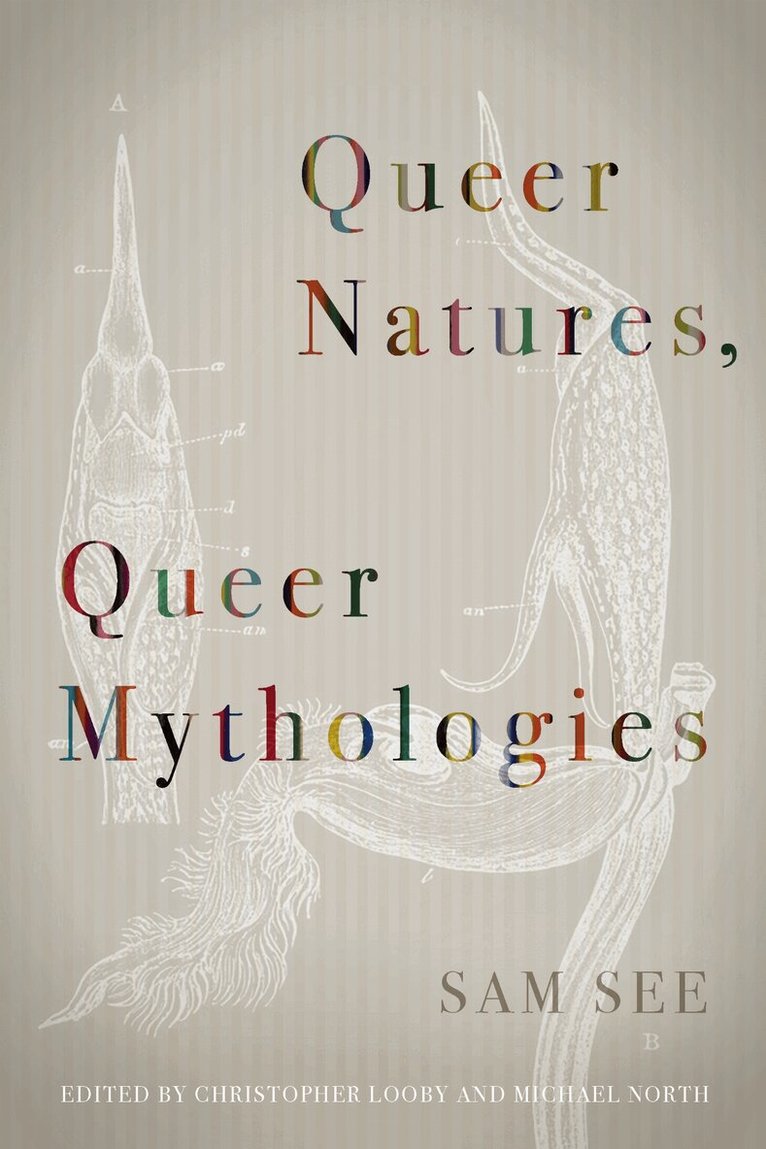
Queer Natures, Queer Mythologies collects in two parts the scholarly work—both published and unpublished—that Sam See had completed as of his death in 2013.In Part I, in a thorough reading of Darwin, See argues that nature is constantly and aimlessly variable, and that nature itself might be considered queer. In Part II, See proposes that, understood as queer in this way, nature might be made the foundational myth for the building of queer communities.With essays by Scott Herring, Heather Love, and Wendy Moffat. - Häftad, Engelska, 2020
435 kr
Skickas inom 5-8 vardagar
Queer Natures, Queer Mythologies collects in two parts the scholarly work—both published and unpublished—that Sam See had completed as of his death in 2013.In Part I, in a thorough reading of Darwin, See argues that nature is constantly and aimlessly variable, and that nature itself might be considered queer. In Part II, See proposes that, understood as queer in this way, nature might be made the foundational myth for the building of queer communities.With essays by Scott Herring, Heather Love, and Wendy Moffat.