Michael P. Harding – författare
Visar alla böcker från författaren Michael P. Harding. Handla med fri frakt och snabb leverans.
7 produkter
7 produkter
Inbunden, Engelska, 2025
1 179 kr
Skickas inom 10-15 vardagar
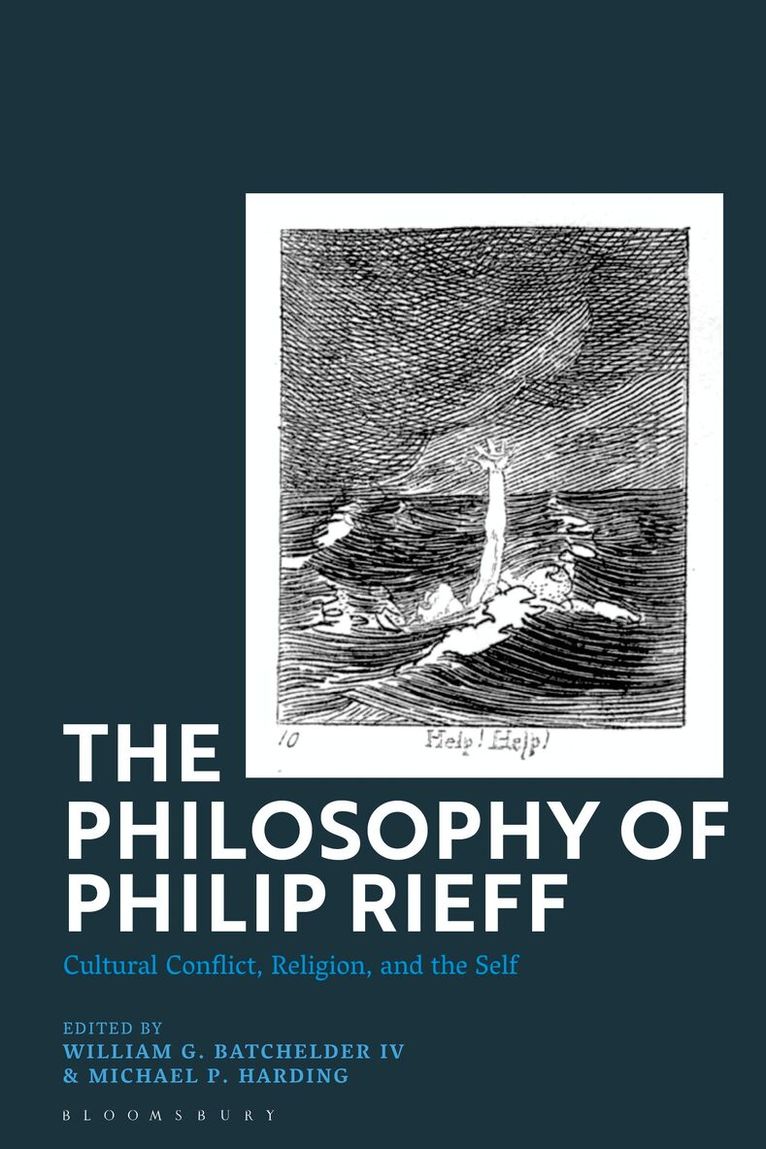
Arguing that Philip Rieff was a Freudian who departed in vital and fascinating ways from Freud, and a committed modern who nevertheless viewed modernity as a disaster, this book makes clear his thought transcends contemporary left-right culture war dichotomies.Alasdair MacIntyre described Rieff’s early work as ‘a permanently valuable contribution to the human sciences.’ The essays in this volume engage with Rieff’s teaching, both early and late, across a number of different axes and from a number of disciplinary perspectives, placing him into dialogue with thinkers such as Plato, Nietzsche, Freud, Weber, Heidegger, Strauss, Pieper, Wilde and more. The Philosophy of Philip Rieff conveys the utility of Rieff’s theory for thinking through various contemporary issues, from religion, culture and race, to the role of elites in a democratic society. Philip Rieff’s thought offers a key to unlocking the cultural trajectories of late modernity, and this interdisciplinary volume engages that work in its depth and complexity while suggesting Rieff’s place in the wider philosophic tradition.
E-bok
PDF, Engelska, 20251 241 kr
Läs direkt efter köp
Arguing that Philip Rieff was a Freudian who departed in vital and fascinating ways from Freud, and a committed modern who nevertheless viewed modernity as a disaster, this book makes clear his thought transcends contemporary left-right culture war dichotomies.Alasdair MacIntyre described Rieff''s early work as ''a permanently valuable contribution to the human sciences.'' The essays in this volume engage with Rieff''s teaching, both early and late, across a number of different axes and from a number of disciplinary perspectives, placing him into dialogue with thinkers such as Plato, Nietzsche, Freud, Weber, Heidegger, Strauss, Pieper, Wilde and more. The Philosophy of Philip Rieff conveys the utility of Rieff''s theory for thinking through various contemporary issues, from religion, culture and race, to the role of elites in a democratic society. Philip Rieff''s thought offers a key to unlocking the cultural trajectories of late modernity, and this interdisciplinary volume engages that work in its depth and complexity while suggesting Rieff''s place in the wider philosophic tradition.
E-bok
Engelska, 20251 241 kr
Läs direkt efter köp
Arguing that Philip Rieff was a Freudian who departed in vital and fascinating ways from Freud, and a committed modern who nevertheless viewed modernity as a disaster, this book makes clear his thought transcends contemporary left-right culture war dichotomies.Alasdair MacIntyre described Rieff''s early work as ''a permanently valuable contribution to the human sciences.'' The essays in this volume engage with Rieff''s teaching, both early and late, across a number of different axes and from a number of disciplinary perspectives, placing him into dialogue with thinkers such as Plato, Nietzsche, Freud, Weber, Heidegger, Strauss, Pieper, Wilde and more. The Philosophy of Philip Rieff conveys the utility of Rieff''s theory for thinking through various contemporary issues, from religion, culture and race, to the role of elites in a democratic society. Philip Rieff''s thought offers a key to unlocking the cultural trajectories of late modernity, and this interdisciplinary volume engages that work in its depth and complexity while suggesting Rieff''s place in the wider philosophic tradition.
Häftad, Engelska, 2026
477 kr
Kommande
Arguing that Philip Rieff was a Freudian who departed in vital and fascinating ways from Freud, and a committed modern who nevertheless viewed modernity as a disaster, this book makes clear his thought transcends contemporary left-right culture war dichotomies.Alasdair MacIntyre described Rieff’s early work as ‘a permanently valuable contribution to the human sciences.’ The essays in this volume engage with Rieff’s teaching, both early and late, across a number of different axes and from a number of disciplinary perspectives, placing him into dialogue with thinkers such as Plato, Nietzsche, Freud, Weber, Heidegger, Strauss, Pieper, Wilde and more. The Philosophy of Philip Rieff conveys the utility of Rieff’s theory for thinking through various contemporary issues, from religion, culture and race, to the role of elites in a democratic society. Philip Rieff’s thought offers a key to unlocking the cultural trajectories of late modernity, and this interdisciplinary volume engages that work in its depth and complexity while suggesting Rieff’s place in the wider philosophic tradition.
Häftad, Engelska, 2019
1 416 kr
Skickas inom 10-15 vardagar
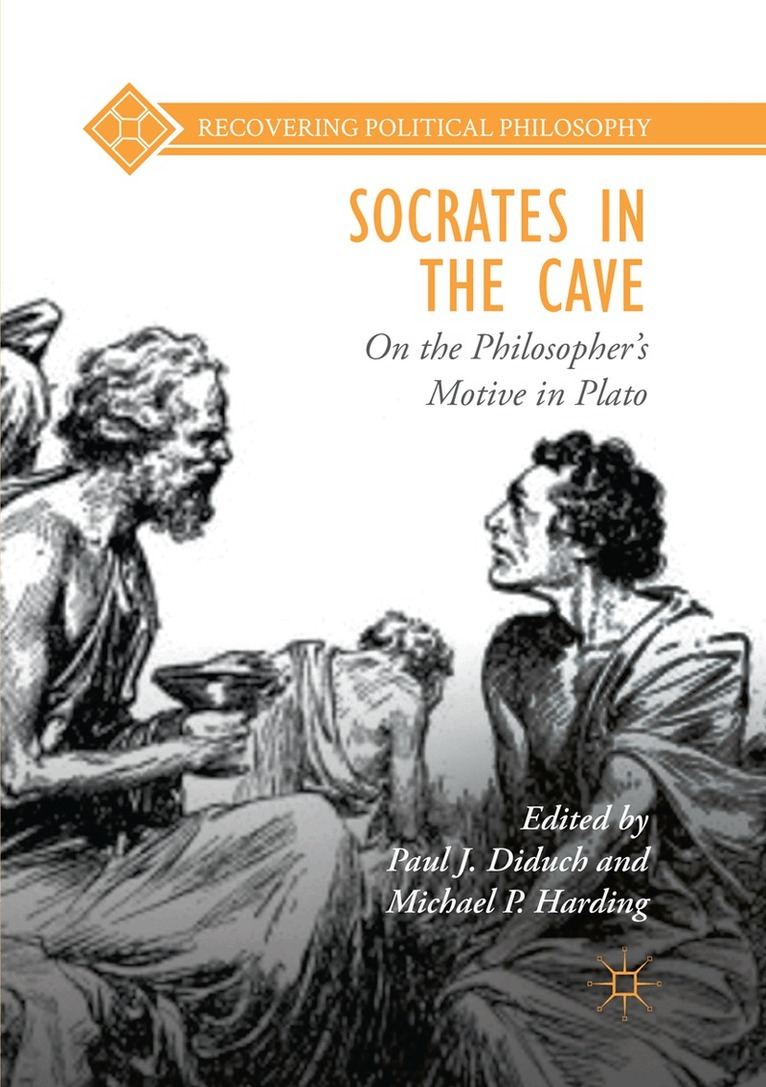
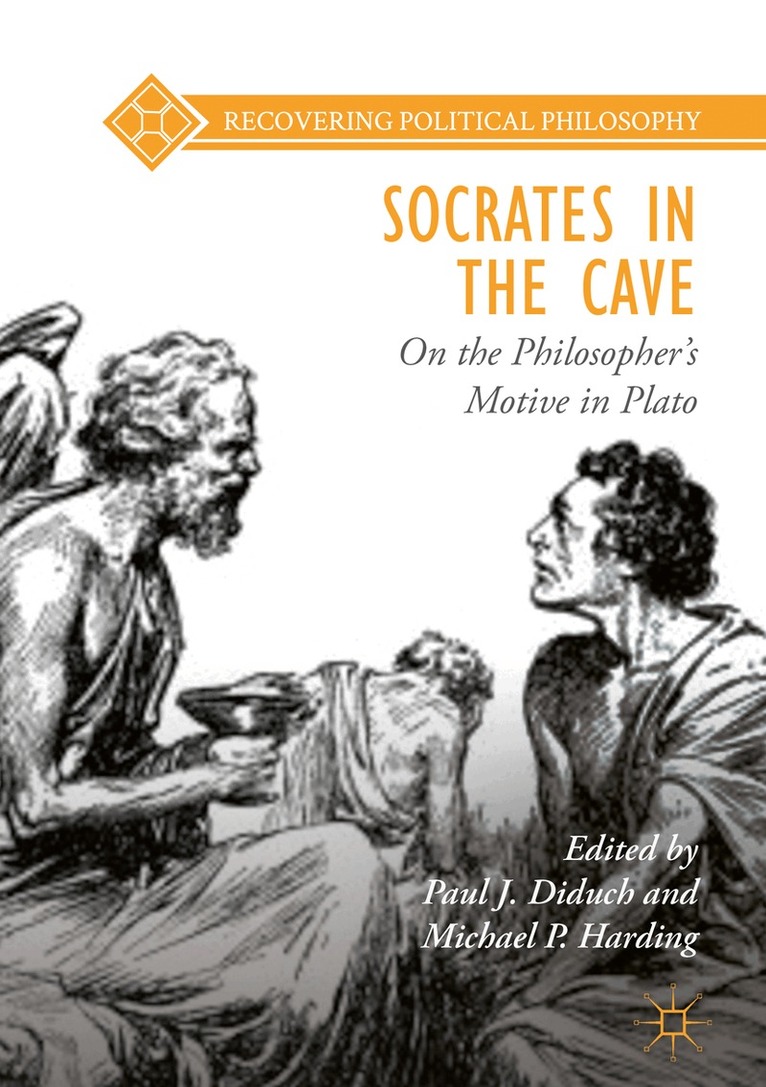
This book addresses the problem of fully explaining Socrates’ motives for philosophic interlocution in Plato’s dialogues. Why, for instance, does Socrates talk to many philosophically immature and seemingly incapable interlocutors? Are his motives in these cases moral, prudential, erotic, pedagogic, or intellectual? In any one case, can Socrates’ reasons for engaging an unlikely interlocutor be explained fully on the grounds of intellectual self-interest (i.e., the promise of advancing his own wisdom)? Or does his activity, including his self-presentation and staging of his death, require additional motives for adequate explanation? Finally, how, if at all, does our conception of Socrates’ motives help illuminate our understanding of the life of reason as Plato presents it? By inviting a multitude of authors to contribute their thoughts on these question—all of whom share a commitment to close reading, but by no means agree on the meaning of Plato’s dialogues—this book provides the reader with an excellent map of the terrain of these problems and aims to help the student of Plato clarify the tensions involved, showing especially how each major stance on Socrates entails problematic assumptions that prompt further critical reflection.
Inbunden, Engelska, 2018
1 416 kr
Skickas inom 10-15 vardagar
This book addresses the problem of fully explaining Socrates’ motives for philosophic interlocution in Plato’s dialogues. Why, for instance, does Socrates talk to many philosophically immature and seemingly incapable interlocutors? Are his motives in these cases moral, prudential, erotic, pedagogic, or intellectual? In any one case, can Socrates’ reasons for engaging an unlikely interlocutor be explained fully on the grounds of intellectual self-interest (i.e., the promise of advancing his own wisdom)? Or does his activity, including his self-presentation and staging of his death, require additional motives for adequate explanation? Finally, how, if at all, does our conception of Socrates’ motives help illuminate our understanding of the life of reason as Plato presents it? By inviting a multitude of authors to contribute their thoughts on these question—all of whom share a commitment to close reading, but by no means agree on the meaning of Plato’s dialogues—this book provides the reader with an excellent map of the terrain of these problems and aims to help the student of Plato clarify the tensions involved, showing especially how each major stance on Socrates entails problematic assumptions that prompt further critical reflection.
E-bok
Engelska, 20181 672 kr
Läs direkt efter köp
This book addresses the problem of fully explaining Socrates’ motives for philosophic interlocution in Plato’s dialogues. Why, for instance, does Socrates talk to many philosophically immature and seemingly incapable interlocutors? Are his motives in these cases moral, prudential, erotic, pedagogic, or intellectual? In any one case, can Socrates’ reasons for engaging an unlikely interlocutor be explained fully on the grounds of intellectual self-interest (i.e., the promise of advancing his own wisdom)? Or does his activity, including his self-presentation and staging of his death, require additional motives for adequate explanation? Finally, how, if at all, does our conception of Socrates’ motives help illuminate our understanding of the life of reason as Plato presents it? By inviting a multitude of authors to contribute their thoughts on these question—all of whom share a commitment to close reading, but by no means agree on the meaning of Plato’s dialogues—this book provides the reader with an excellent map of the terrain of these problems and aims to help the student of Plato clarify the tensions involved, showing especially how each major stance on Socrates entails problematic assumptions that prompt further critical reflection.