Michael Pal – författare
Visar alla böcker från författaren Michael Pal. Handla med fri frakt och snabb leverans.
5 produkter
Cyber-Threats to Canadian Democracy
Av Holly Ann Garnett, Michael Pal
Inbunden, 2022
1346 kr
Lägg i varukorg
From the Cambridge Analytica scandal to overloaded internet voting servers to faulty voting machines, the growing relationship between democracy and technology has brought to light the challenges associated with integrating new digital tools into the electoral system. Canadian politics has also …
Cyber-Threats to Canadian Democracy
Av Holly Ann Garnett, Michael Pal
Häftad, 2022
380 kr
Lägg i varukorg
From the Cambridge Analytica scandal to overloaded internet voting servers to faulty voting machines, the growing relationship between democracy and technology has brought to light the challenges associated with integrating new digital tools into the electoral system. Canadian politics has also …
Cyber-Threats to Canadian Democracy
Av Michael Pal, Holly Ann Garnett
E-bok, 2022
1247 kr
Lägg i varukorg
From the Cambridge Analytica scandal to overloaded internet voting servers to faulty voting machines, the growing relationship between democracy and technology has brought to light the challenges associated with integrating new digital tools into the electoral system. Canadian politics has also …
Cyber-Threats to Canadian Democracy
Av Michael Pal, Holly Ann Garnett
E-bok, 2022
1220 kr
Lägg i varukorg
From the Cambridge Analytica scandal to overloaded internet voting servers to faulty voting machines, the growing relationship between democracy and technology has brought to light the challenges associated with integrating new digital tools into the electoral system. Canadian politics has also …
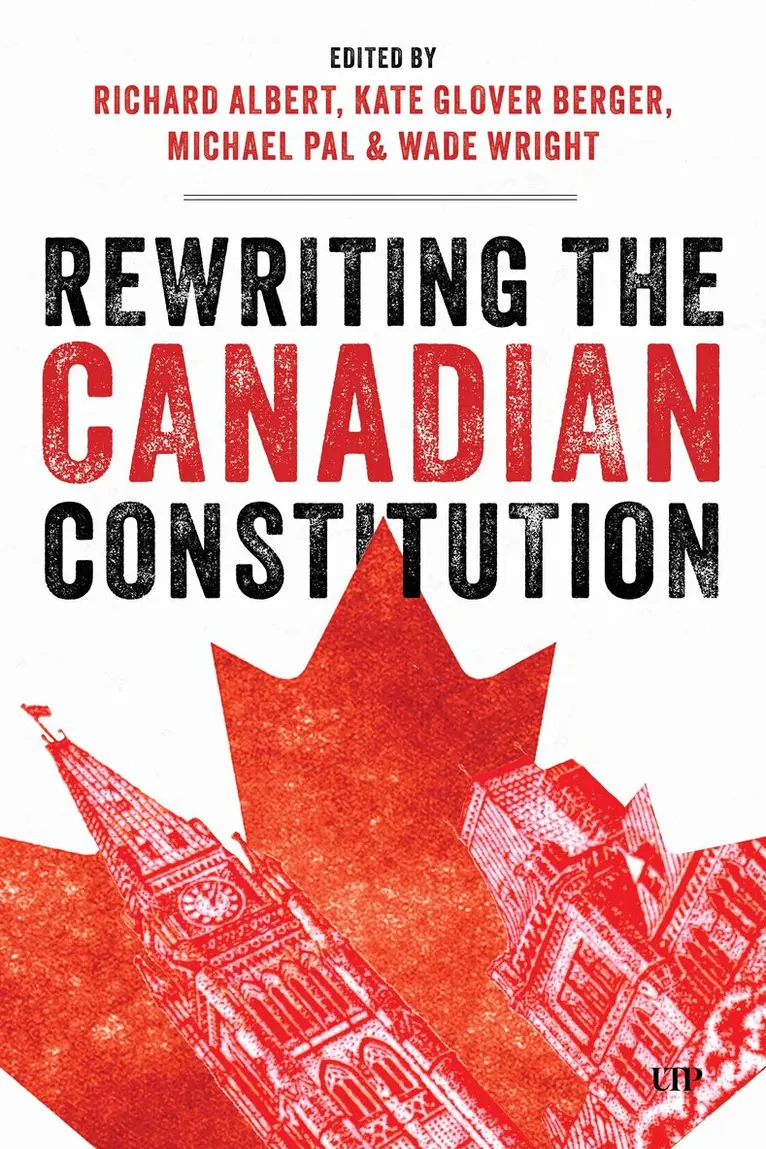
Rewriting the Canadian Constitution
Av Richard Albert, Kate Glover Berger m. fl.
Inbunden, 2027
814 kr
Kommande
Rewriting the Canadian Constitution imagines how Canada’s Constitution could be rethought and reshaped through amendment. Assuming that broad constitutional change is possible, this volume brings together leading scholars from law, political science, and philosophy to examine four key areas of …