Michael Pierce – författare
Visar alla böcker från författaren . Handla med fri frakt och snabb leverans.
4 produkter
4 produkter
Häftad, Engelska, 2003
618 kr
Skickas inom 5-8 vardagar
Inbunden, Engelska, 2010
459 kr
Skickas inom 10-15 vardagar
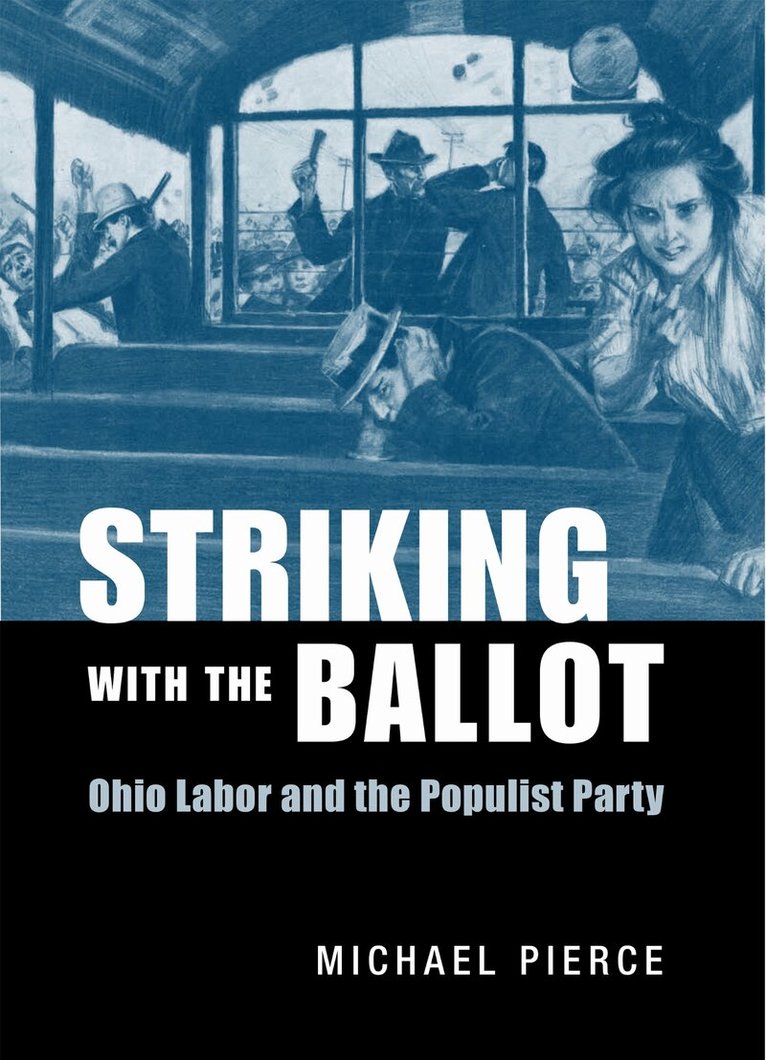
Historians have typically thought of Populism as a radical agrarian movement. In this much-needed corrective, Pierce argues that, in Ohio, Populism was an urban, not rural, movement, and that industrial workers and trade unionists formed the core of the People's (or Populist) Party. Through case studies of Cleveland, Cincinnati, and Columbus, Pierce examines the efforts of Ohio unions—especially the United Mine Workers—to protect the rights of workers, curb the abuses of corporations, and reform the state's and nation's government through an alliance with the People's party. Striking with the Ballot focuses on the Crisis of the 1890s: when the Panic of 1893, the Pullman strike and boycott, the arrest of Debs, Coxey's march, and the failure of the nationwide coal strike threw the country into disarray. Pierce demonstrates that trade unionists in Ohio, and throughout the Industrial Midwest, responded by mobilizing politically under the banner of the People's Party. Support for the People's Party was so strong among the nation's trade unionists that Ohio's leading Populist, John McBride, won the presidency of the American Federation of Labor in 1894. Ohio labor's reform agenda survived the subsequent collapse of the People's Party and informed labor's political activity through the Progressive era. Pierce offers a provocative new narrative for those interested in labor history, Populism, Progressivism, and Ohio history.
Häftad, Engelska, 2009
271 kr
Skickas inom 5-8 vardagar
Häftad, Engelska, 2022
354 kr
Skickas inom 5-8 vardagar
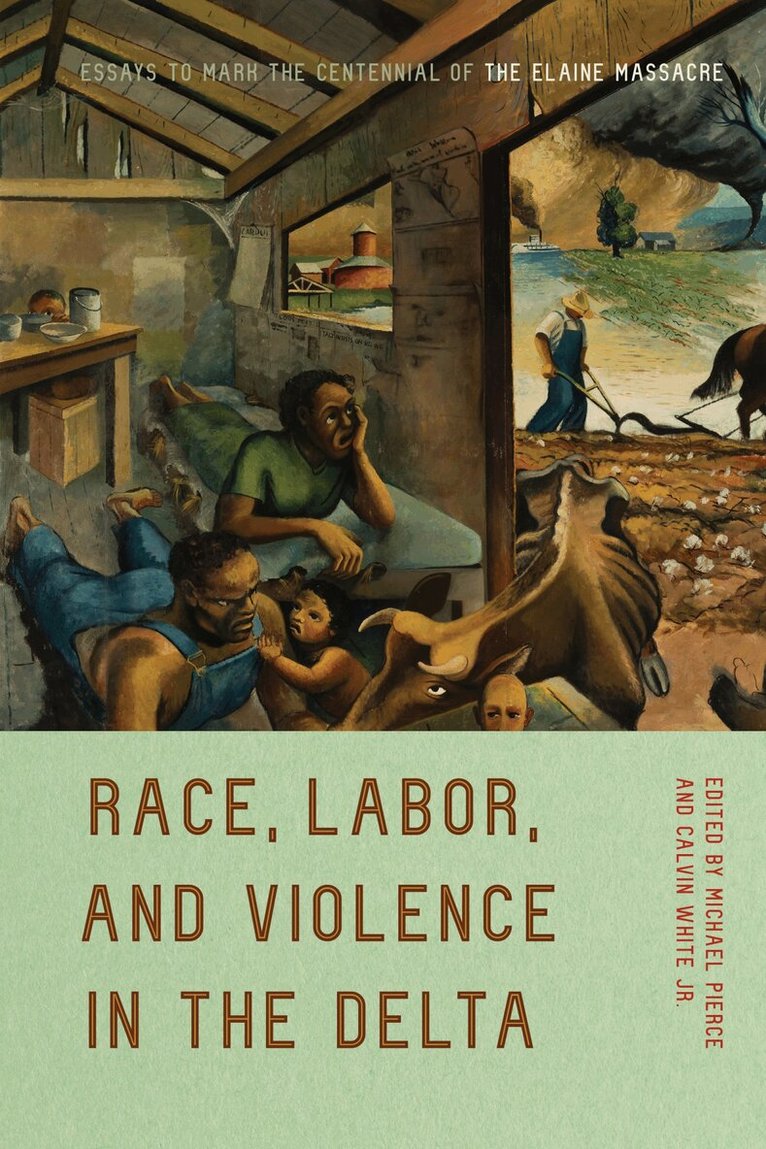
Race, Labor, and Violence in the Delta examines the history of labor relations and racial conflict in the Mississippi Valley from the Civil War into the late twentieth century. This essay collection grew out of a conference marking the hundredth anniversary of one of the nation’s deadliest labor conflicts—the 1919 Elaine Massacre, during which white mobs ruthlessly slaughtered over two hundred African Americans across Phillips County, Arkansas, in response to a meeting of unionized Black sharecroppers. The essays here demonstrate that the brutality that unfolded in Phillips County was characteristic of the culture of race- and labor-based violence that prevailed in the century after the Civil War. They detail how Delta landowners began seeking cheap labor as soon as the slave system ended—securing a workforce by inflicting racial terror, eroding the Reconstruction Amendments in the courts, and obstructing federal financial-relief efforts. The result was a system of peonage that continued to exploit Blacks and poor whites for their labor, sometimes fatally. In response, laborers devised their own methods for sustaining themselves and their communities: forming unions, calling strikes, relocating, and occasionally operating outside the law. By shedding light on the broader context of the Elaine Massacre, Race, Labor, and Violence in the Delta reveals that the fight against white supremacy in the Delta was necessarily a fight for better working conditions, fair labor practices, and economic justice.