Michael P.M. Finch - Böcker
Visar alla böcker från författaren Michael P.M. Finch. Handla med fri frakt och snabb leverans.
2 produkter
2 produkter
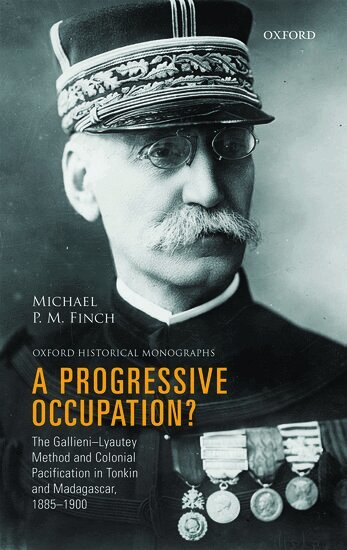
A Progressive Occupation?
The Gallieni-Lyautey Method and Colonial Pacification in Tonkin and Madagascar, 1885-1900
Inbunden, Engelska, 2013
1 752 kr
Skickas inom 7-10 vardagar
On the eve of the twentieth century, Joseph Gallieni and Hubert Lyautey claimed to have devised a new approach to the consolidation of colonial acquisitions. Their method emphasized the primacy of political action over military action, called for the replacement of military columns with a 'creeping occupation', stressed the importance of economic-organisational development in ensuring the lasting stability of newly-acquired imperial possessions, and called for the unification of civil and military powers in the hands of the soldier, who would act as the first administrator of the colony.This method was the culmination of colonial experiences in Tonkin and Madagascar in the final decades of the nineteenth century. Following Gallieni's career path across these colonies, A Progressive Occupation? The Gallieni-Lyautey Method and Colonial Pacification in Tonkin and Madagascar, 1885-1900 focuses first on the painful process of pacification in Tonkin, locating the emergence of the method and Gallieni's own achievements in their proper context. The volume's focus then moves across the Indian Ocean to Madagascar, where Gallieni, combining the roles of Commander-in-Chief and Governor-General, was able to play out his nascent colonial method on a grand scale. Meanwhile, his subordinates - with Lyautey at the forefront - were able to interpret his method in the execution of their missions.Drawing heavily on French archival sources, Michael Finch sheds new light on colonial conflict and consolidation during the age of European imperial expansion, illustrates the differences, gaps and transgressions that exist between the theory and the practice of pacification, and raises broader questions about the French army, empire and civil-military relations.
610 kr
Skickas inom 10-15 vardagar
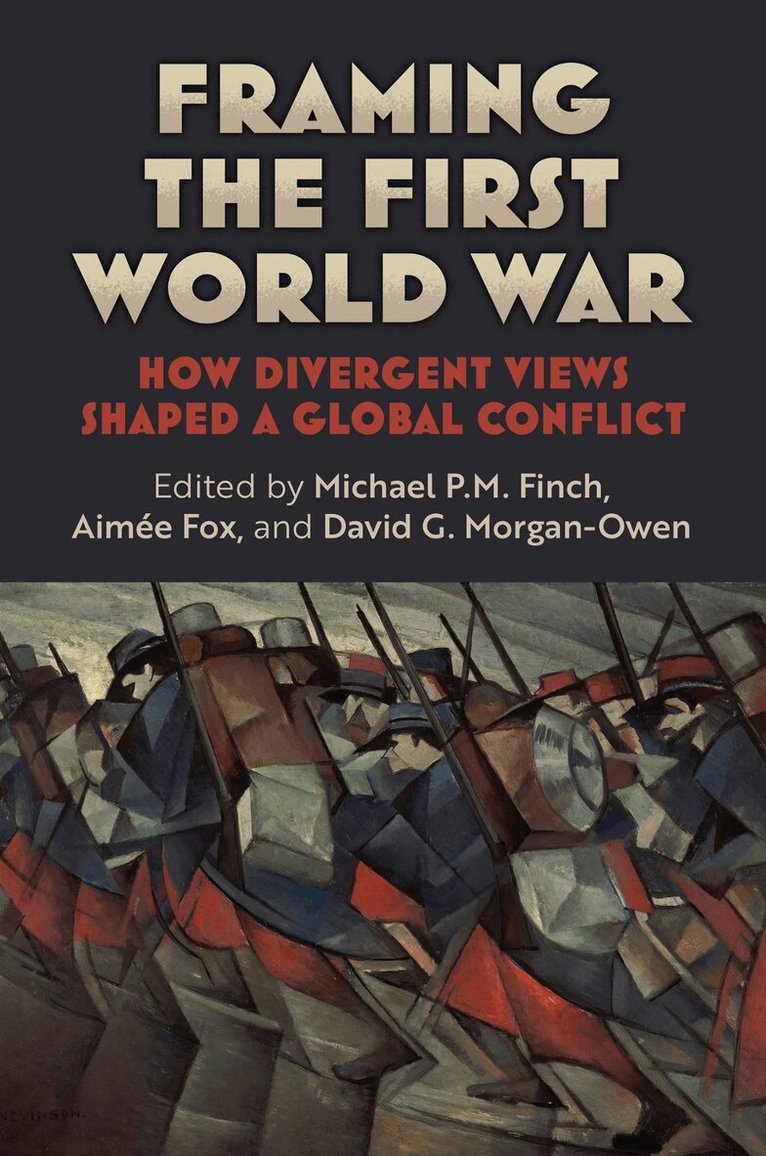
This innovative approach to the history of World War I looks at ways in which military actors saw and perceived war, and how that exerted a significant influence over the decisions they made and the actions they took.The character of the conflict that erupted in 1914 defied the expectations of many political leaders and military analysts. Despite the mountains of books and articles published on World War I, there has been surprisingly little systematic or comparative research on how military commanders and politicians framed and interpreted the conflict - or, indeed, on how they understood war itself - and how that understanding shaped their decision-making.Wars are fought by organizations and people who have disparate visions of the world they live in and the conflict they are fighting. In Framing the First World War, a team of leading scholars explore the gulf between imagined warfare and the realities of battle. By doing so, they investigate how the military forces that contested the First World War framed the conflict they were involved in and how those perspectives shaped and influenced the ways in which they sought to understand, conduct, and respond to the war. They use the notion of 'frames' and the concept of 'framing' to enable us to engage directly with the complexity and diversity of the conflict, which was fought for different reasons and in different ways, incorporating a range of issues with implications for the conduct of the war. Improving our appreciation of how commanders saw the world around them and their views on the war they were conducting opens up valuable new approaches for understanding debates over the higher direction of the conflict and the civil-military relations that underpinned them. The contributors to Framing the First World War work towards a fuller historical appraisal of how military figures understood the war, moving beyond a purely military analysis to incorporate broader cultural and social topics, including education, medicine, politics, and law.