Michael Prawdin – författare
Visar alla böcker från författaren Michael Prawdin. Handla med fri frakt och snabb leverans.
12 produkter
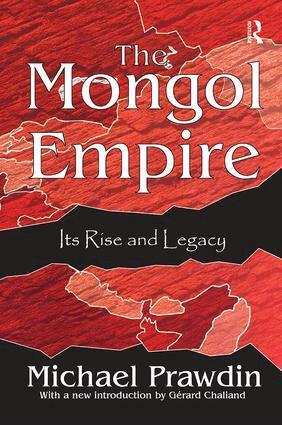
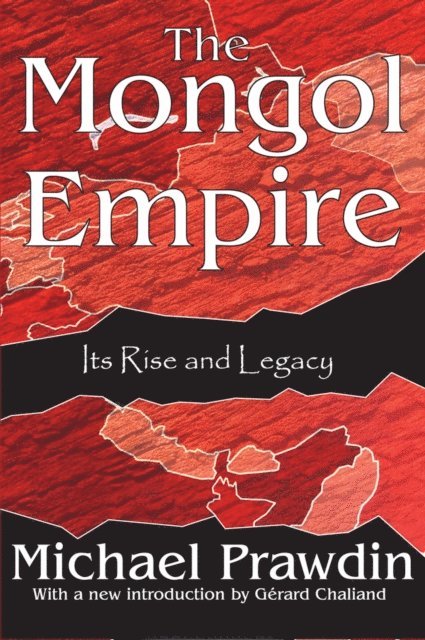
Mongol Empire
Its Rise and Legacy
Av Michael Prawdin, Michael Curtis
Inbunden, 2017
2831 kr
Lägg i varukorg
In his prologue to The Mongol Empire, Michael Prawdin sets the stage for the last and mightiest onslaught of the nomads upon the civilized world. He tells of the many rejoicings in Europe over the successes of the Crusaders in A.D. 1221. But little did Europe know that two decades later, the Mongol …
Unmentionable Nechaev
A Key to Bolshevism
E-bok, 2021
663 kr
Lägg i varukorg
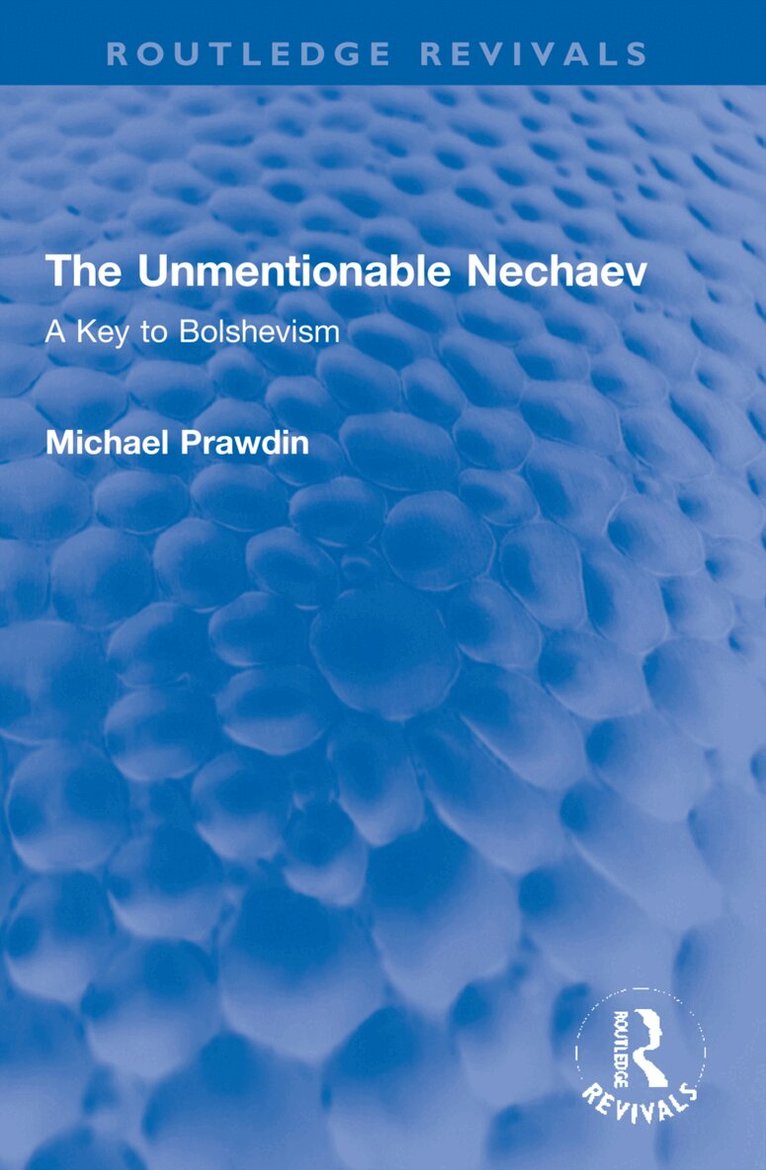
First published in 1961 The Unmentionable Nechaev presents a full account of Sergei Nechaev’s extraordinary life. The name of Nechaev is little known today in the western world. Michael Prawdin expounds his teachings and shows the strain of Nechaevism running through the Russian revolutionary …
Unmentionable Nechaev
A Key to Bolshevism
E-bok, 2021
663 kr
Lägg i varukorg
First published in 1961 The Unmentionable Nechaev presents a full account of Sergei Nechaev’s extraordinary life. The name of Nechaev is little known today in the western world. Michael Prawdin expounds his teachings and shows the strain of Nechaevism running through the Russian revolutionary …
Unmentionable Nechaev
A Key to Bolshevism
Inbunden, 2021
1618 kr
Lägg i varukorg
First published in 1961 The Unmentionable Nechaev presents a full account of Sergei Nechaev’s extraordinary life. The name of Nechaev is little known today in the western world. Michael Prawdin expounds his teachings and shows the strain of Nechaevism running through the Russian revolutionary …
Unmentionable Nechaev
A Key to Bolshevism
Häftad, 2024
534 kr
Lägg i varukorg
First published in 1961 The Unmentionable Nechaev presents a full account of Sergei Nechaev’s extraordinary life. The name of Nechaev is little known today in the western world. Michael Prawdin expounds his teachings and shows the strain of Nechaevism running through the Russian revolutionary …
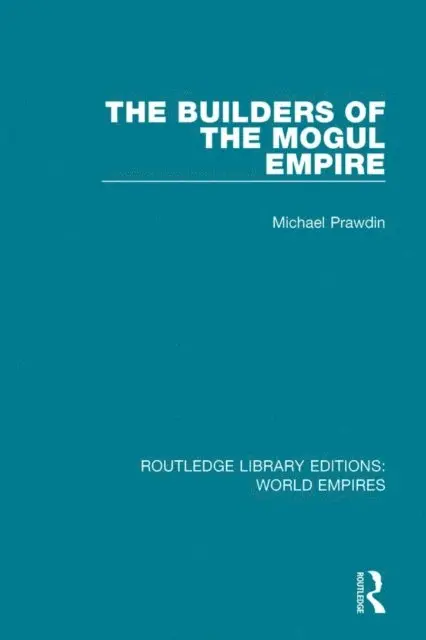
Builders of the Mogul Empire
Inbunden, 2018
2200 kr
Lägg i varukorg
First published in 1963. The Moguls, the descendants of the Mongols, two and a half centuries later than Jenghiz Khan, created an empire that stretched from Persia to Burma and from the Himalayas to the centre of the Indian subcontinent. It was a creation almost more astonishing than Jenghiz Khan's …
Builders of the Mogul Empire
Häftad, 2019
578 kr
Lägg i varukorg
First published in 1963. The Moguls, the descendants of the Mongols, two and a half centuries later than Jenghiz Khan, created an empire that stretched from Persia to Burma and from the Himalayas to the centre of the Indian subcontinent. It was a creation almost more astonishing than Jenghiz Khan's …
Builders of the Mogul Empire
E-bok, 2018
663 kr
Lägg i varukorg
First published in 1963. The Moguls, the descendants of the Mongols, two and a half centuries later than Jenghiz Khan, created an empire that stretched from Persia to Burma and from the Himalayas to the centre of the Indian subcontinent. It was a creation almost more astonishing than Jenghiz …
Builders of the Mogul Empire
E-bok, 2018
663 kr
Lägg i varukorg
First published in 1963. The Moguls, the descendants of the Mongols, two and a half centuries later than Jenghiz Khan, created an empire that stretched from Persia to Burma and from the Himalayas to the centre of the Indian subcontinent. It was a creation almost more astonishing than Jenghiz …
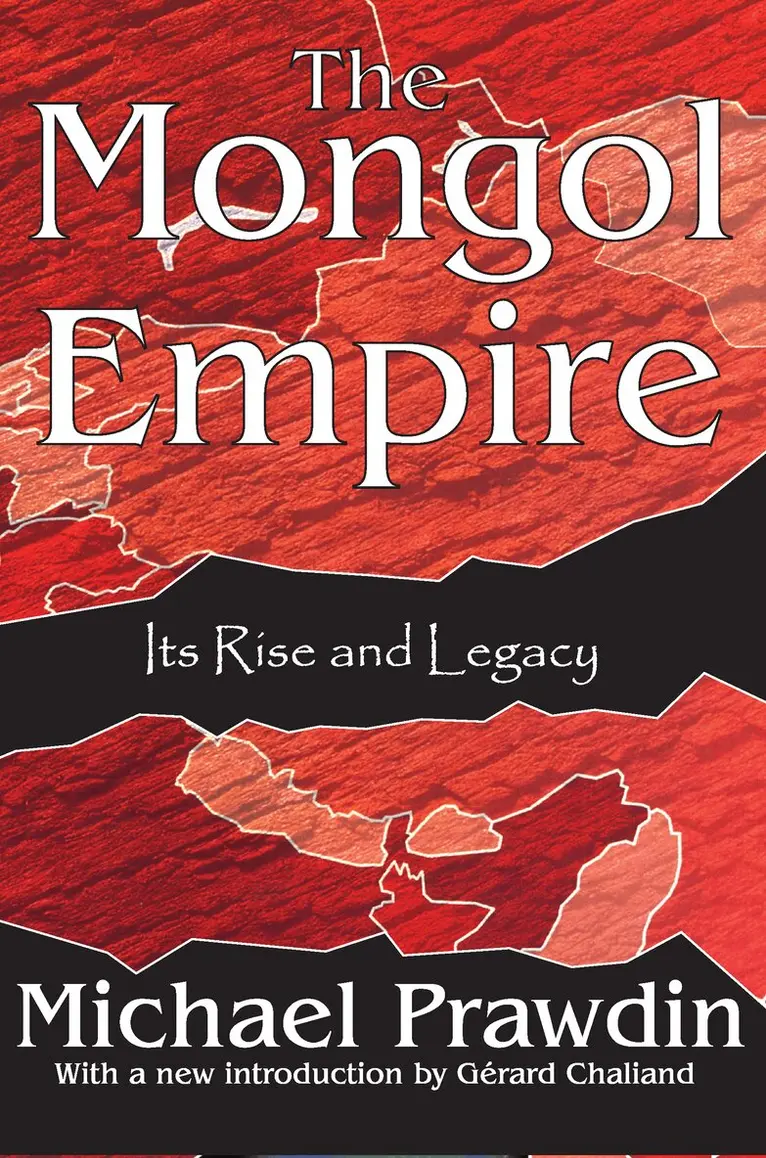
Mongol Empire
Its Rise and Legacy
E-bok, 2017
892 kr
Lägg i varukorg
In his prologue to The Mongol Empire, Michael Prawdin sets the stage for the last and mightiest onslaught of the nomads upon the civilized world. He tells of the many rejoicings in Europe over the successes of the Crusaders in A.D. 1221. But little did Europe know that two decades later, the Mongol …
Mongol Empire
Its Rise and Legacy
E-bok, 2017
892 kr
Lägg i varukorg
In his prologue to The Mongol Empire, Michael Prawdin sets the stage for the last and mightiest onslaught of the nomads upon the civilized world. He tells of the many rejoicings in Europe over the successes of the Crusaders in A.D. 1221. But little did Europe know that two decades later, the Mongol …
Mongol Empire
Its Rise and Legacy
Av Michael Prawdin, Michael Curtis
Häftad, 2005
848 kr
Lägg i varukorg
In his prologue to The Mongol Empire, Michael Prawdin sets the stage for the last and mightiest onslaught of the nomads upon the civilized world. He tells of the many rejoicings in Europe over the successes of the Crusaders in A.D. 1221. But little did Europe know that two decades later, the Mongol …