Michael S. Gorham – författare
Visar alla böcker från författaren . Handla med fri frakt och snabb leverans.
5 produkter
5 produkter
Inbunden, Engelska, 2014
1 667 kr
Skickas inom 10-15 vardagar
In After Newspeak, Michael S. Gorham presents a cultural history of the politics of Russian language from Gorbachev and glasnost to Putin and the emergence of new generations of Web technologies. Gorham begins from the premise that periods of rapid and radical change both shape and are shaped by language. He documents the role and fate of the Russian language in the collapse of the USSR and the decades of reform and national reconstruction that have followed. Gorham demonstrates the inextricable linkage of language and politics in everything from dictionaries of profanity to the flood of publications on linguistic self-help, the speech patterns of the country's leaders, the blogs of its bureaucrats, and the official programs promoting the use of Russian in the so-called near abroad. Gorham explains why glasnost figured as such a critical rhetorical battleground in the political strife that led to the Soviet Union's collapse and shows why Russians came to deride the newfound freedom of speech of the 1990s as little more than the right to swear in public. He assesses the impact of Medvedev's role as Blogger-in-Chief and the role Putin's vulgar speech practices played in the restoration of national pride. Gorham investigates whether Internet communication and new media technologies have helped to consolidate a more vibrant democracy and civil society or if they serve as an additional resource for the political technologies manipulated by the Kremlin.
Häftad, Engelska, 2014
396 kr
Skickas inom 10-15 vardagar
In After Newspeak, Michael S. Gorham presents a cultural history of the politics of Russian language from Gorbachev and glasnost to Putin and the emergence of new generations of Web technologies. Gorham begins from the premise that periods of rapid and radical change both shape and are shaped by language. He documents the role and fate of the Russian language in the collapse of the USSR and the decades of reform and national reconstruction that have followed. Gorham demonstrates the inextricable linkage of language and politics in everything from dictionaries of profanity to the flood of publications on linguistic self-help, the speech patterns of the country's leaders, the blogs of its bureaucrats, and the official programs promoting the use of Russian in the so-called near abroad. Gorham explains why glasnost figured as such a critical rhetorical battleground in the political strife that led to the Soviet Union's collapse and shows why Russians came to deride the newfound freedom of speech of the 1990s as little more than the right to swear in public. He assesses the impact of Medvedev's role as Blogger-in-Chief and the role Putin's vulgar speech practices played in the restoration of national pride. Gorham investigates whether Internet communication and new media technologies have helped to consolidate a more vibrant democracy and civil society or if they serve as an additional resource for the political technologies manipulated by the Kremlin.
Inbunden, Engelska, 2003
522 kr
Skickas inom 10-15 vardagar
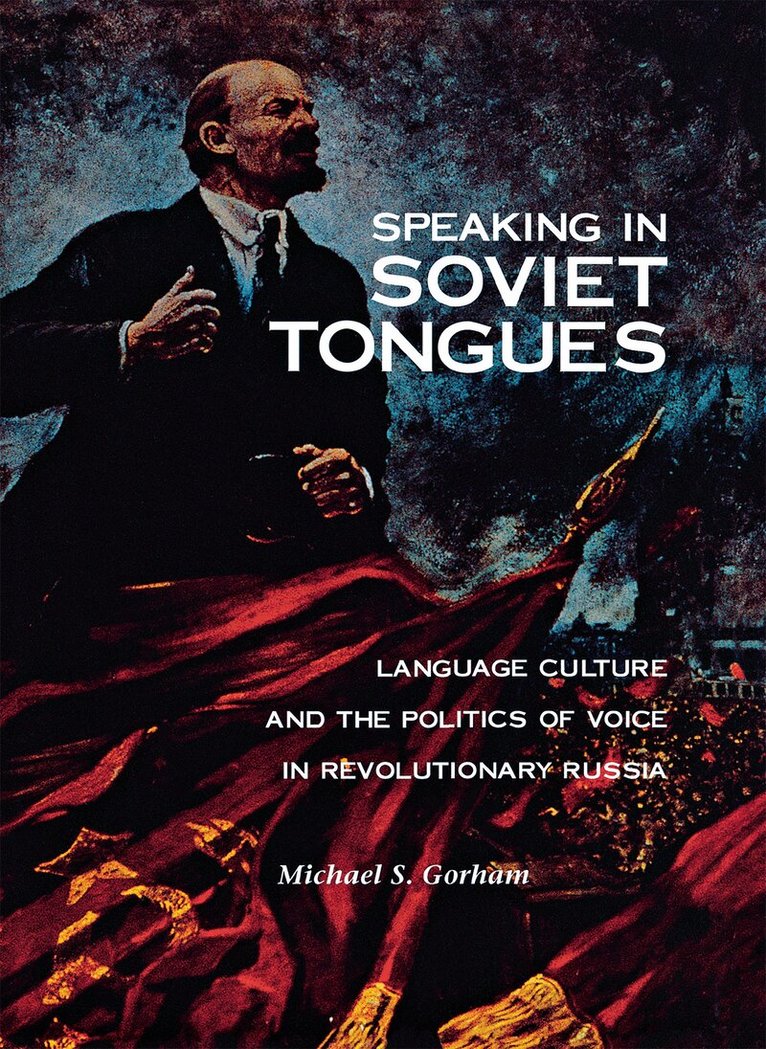
From the classical dialogues of Plato to current political correctness, manipulating language to advance a particular set of values and ideas has been a time-honored practice. During times of radical social and political change, the terms of debate themselves become sharply contested: how people reject, redefine, and reappropriate key words and phrases gives important symbolic shape to their vision of the future. Especially in cataclysmic times, who one is or wants to be is defined by how one writes and speaks. The language culture of early Soviet Russia marked just such a tenuous state of symbolic affairs. Partly out of necessity, partly in the spirit of change, Bolshevik revolutionaries cast off old verbal models of identity and authority and replaced them with a cacophony of new words, phrases, and communicative contexts intended to define and help legitimatize the new Soviet order. Pitched to an audience composed largely of semiliterate peasants, however, the new Bolshevik message often fell on deaf ears. Embraced by numerous sympathetic and newly empowered citizens, the voice of Bolshevism also evoked a variety of less desirable reactions, ranging from confusion and willful subversion to total disregard. Indeed, the earliest years of Bolshevik rule produced a communication gap that held little promise for the makings of a proletarian dictatorship. This gap drew the attention of language authorities-most notably Maxim Gorky-and gave rise to a society-wide debate over the appropriate voice of the new Soviet state and its citizenry. Drawing from history, literature, and sociology, Gorham offers the first comprehensive, interdisciplinary analysis of this critical debate, demonstrating how language ideologies and practices were invented, contested, and redefined. Speaking in Soviet Tongues shows how early Soviet language culture gave rise to unparalleled verbal creativity and utopian imagination while sowing the seeds for perhaps the most notorious forms of Orwellian "newspeak" known to the modern era.
Inbunden, Engelska, 2026
1 615 kr
Skickas inom 10-15 vardagar
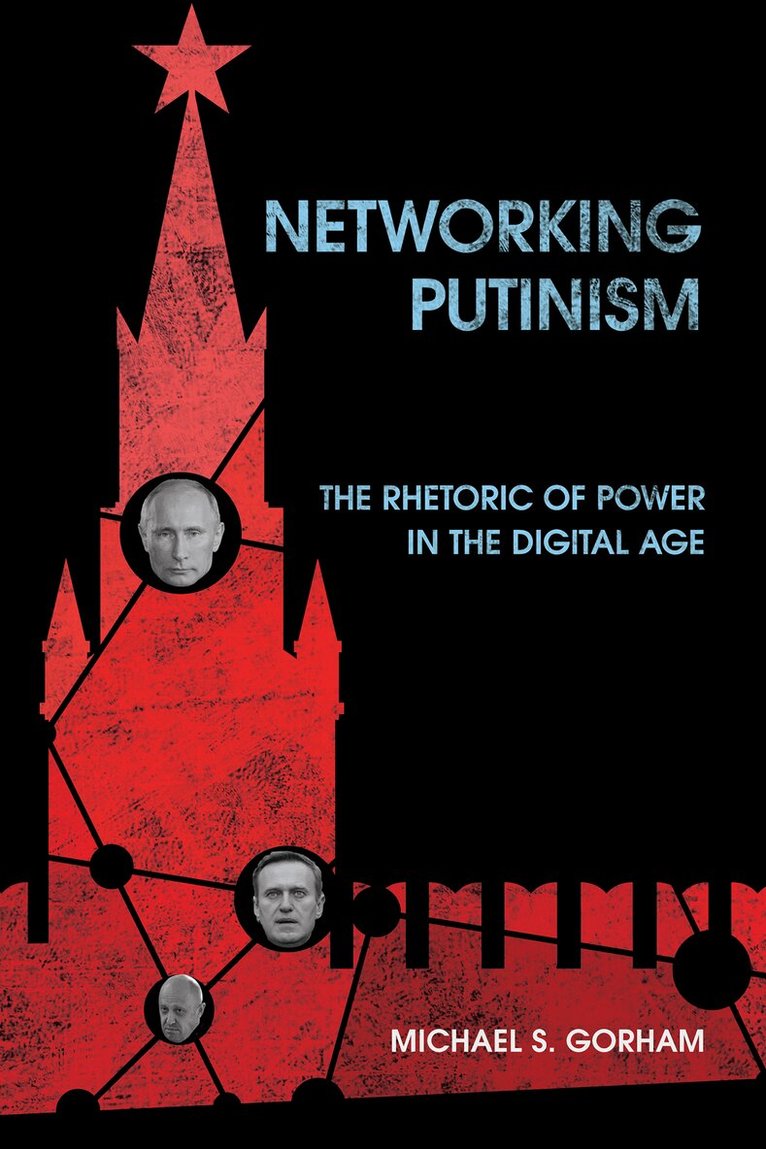
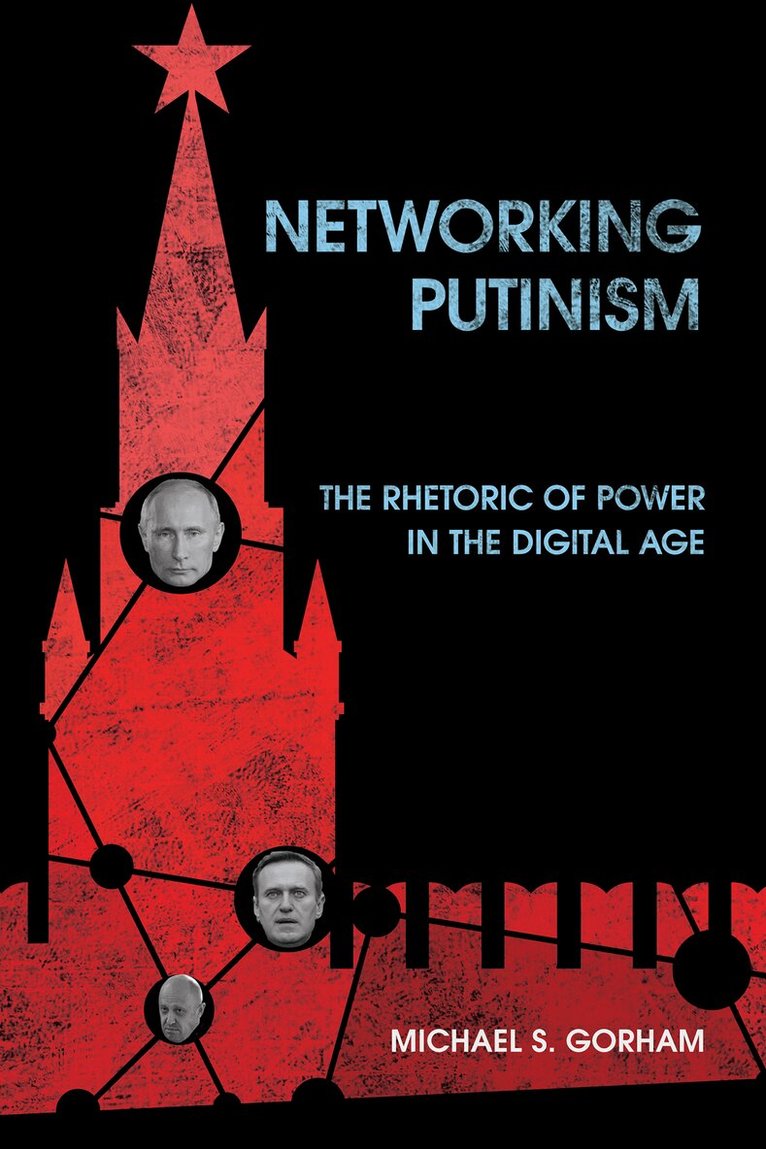
Networking Putinism explores the internet's impact on political discourse in Russia and the strategies adopted both by Vladimir Putin and his associates to secure and legitimate their authority, as well as by the regime's most determined critics. Michael S. Gorham shows that despite Putin's famously dismissive attitude toward the internet, the Russian leader, his political team, and a motley array of web-savvy sympathizers have been consistently fixated on the medium, deeply invested in its development, and keenly aware of its ability to shape public political discourse. The success of the regime's opponents in leveraging social media to criticize the regime forced Putin and his allies to find ways to more effectively exploit the new medium. In telling the story of these rhetorical online battles, Networking Putinism shows how, even in the most authoritarian of regimes, public language still matters, and digitally mediated communication remains a highly contested instrument of power.
Häftad, Engelska, 2026
316 kr
Skickas
Networking Putinism explores the internet's impact on political discourse in Russia and the strategies adopted both by Vladimir Putin and his associates to secure and legitimate their authority, as well as by the regime's most determined critics. Michael S. Gorham shows that despite Putin's famously dismissive attitude toward the internet, the Russian leader, his political team, and a motley array of web-savvy sympathizers have been consistently fixated on the medium, deeply invested in its development, and keenly aware of its ability to shape public political discourse. The success of the regime's opponents in leveraging social media to criticize the regime forced Putin and his allies to find ways to more effectively exploit the new medium. In telling the story of these rhetorical online battles, Networking Putinism shows how, even in the most authoritarian of regimes, public language still matters, and digitally mediated communication remains a highly contested instrument of power.