1 705 kr
Skickas inom 10-15 vardagar
1 705 kr
Skickas inom 10-15 vardagar
2 127 kr
Läs direkt efter köp
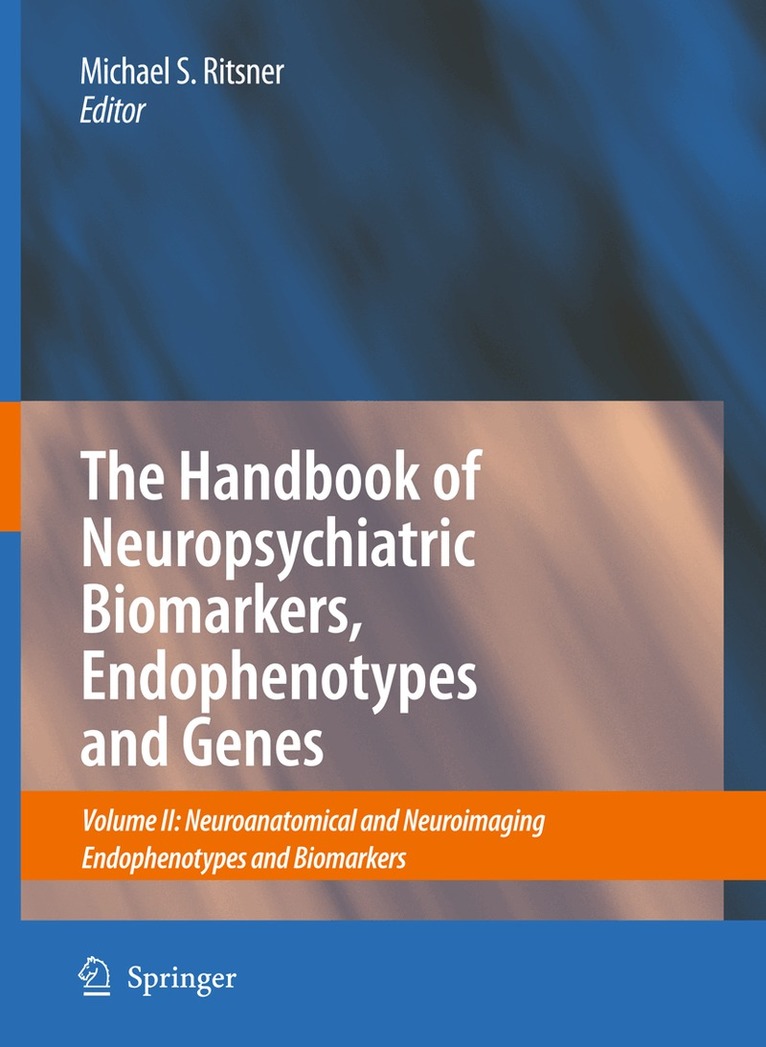
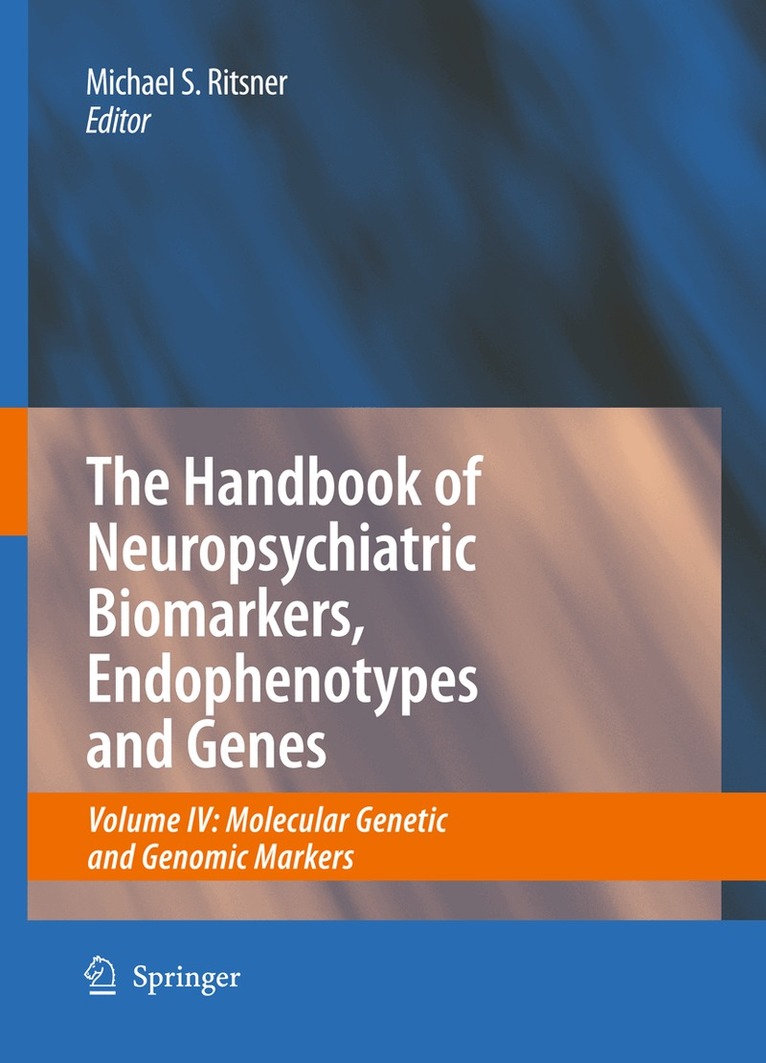
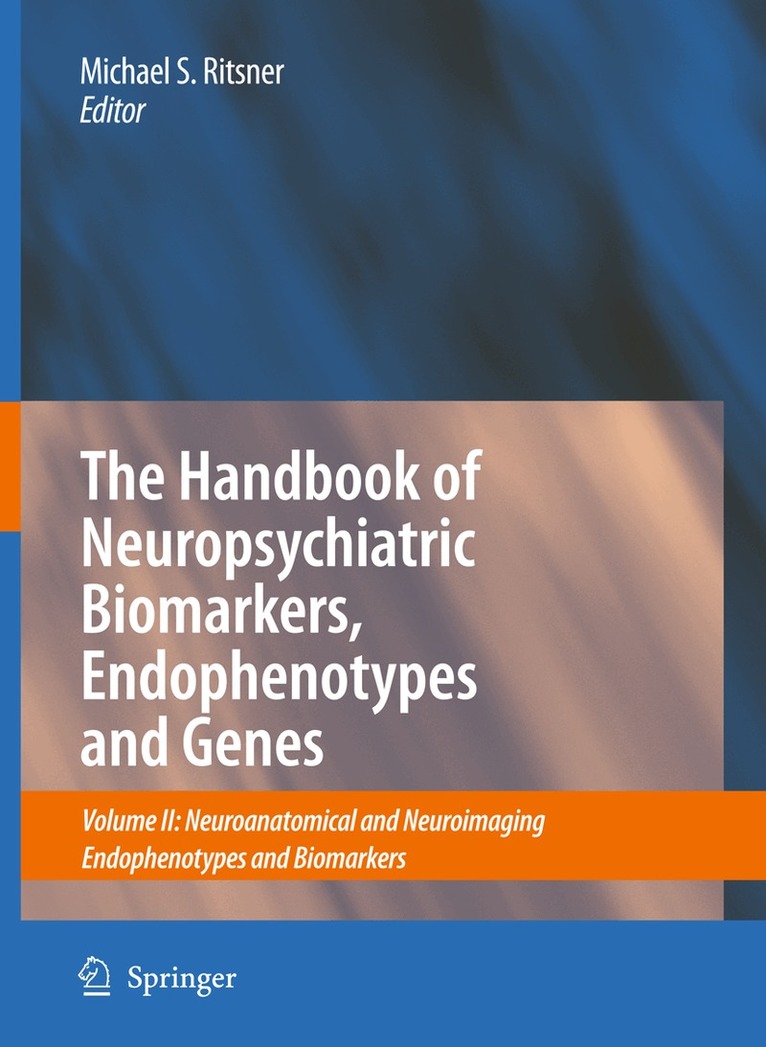
Neuropsychiatric disorders such as schizophrenia, mood disorders, Alzheimer’s disease, epilepsy, alcoholism, substance abuse and others are one of the most debilitating illnesses worldwide characterizing by the complexity of the causes, and lacking the laboratory tests that may promote diagnostic and prognostic procedures. Recent advances in neuroscience, genomic, genetic, proteomic and metabolomic knowledge and technologies have opened the way to searching biomarkers and endophenotypes, which may offer powerful and exciting opportunity to understand the etiology and the underlying pathophysiological mechanisms of neuropsychiatric disorders. The challenge now is to translate these advances into meaningful diagnostic and therapeutic advances. This book offers a broad synthesis of the current knowledge about diverse topics of the biomarker and endophenotype strategies in neuropsychiatry. The book is organized into four interconnected volumes: “Neuropsychological Endophenotypes and Biomarkers” (with overview of methodological issues of the biomarker and endophenotype approaches in neuropsychiatry and some technological advances), “Neuroanatomical and Neuroimaging Endophenotypes and Biomarkers”, “Metabolic and Peripheral Biomarkers” and “Molecular Genetic and Genomic Markers”. The contributors are internationally and nationally recognized researchers and experts from 16 countries. This four-volume handbook is intended for a broad spectrum of readers including neuroscientists, psychiatrists, neurologists, endocrinologists, pharmacologists, clinical psychologists, general practitioners, geriatricians, health care providers in the field of neurology and mental health interested in trends that have crystallized in the last decade, and trends that can be expected to further evolve in the coming years. It is hoped that this book will also be a useful resource for the teaching of psychiatry, neurology, psychology and mental health.
1 592 kr
Skickas inom 10-15 vardagar
1 962 kr
Läs direkt efter köp
Neuropsychiatric disorders such as schizophrenia, mood disorders, Alzheimer’s disease, epilepsy, alcoholism, substance abuse and others are one of the most debilitating illnesses worldwide characterizing by the complexity of the causes, and lacking the laboratory tests that may promote diagnostic and prognostic procedures. Recent advances in neuroscience, genomic, genetic, proteomic and metabolomic knowledge and technologies have opened the way to searching biomarkers and endophenotypes, which may offer powerful and exciting opportunity to understand the etiology and the underlying pathophysiological mechanisms of neuropsychiatric disorders. The challenge now is to translate these advances into meaningful diagnostic and therapeutic advances. This book offers a broad synthesis of the current knowledge about diverse topics of the biomarker and endophenotype strategies in neuropsychiatry.
The book is organized into four interconnected volumes: “Neuropsychological Endophenotypes and Biomarkers” (with overview of methodological issues of the biomarker and endophenotype approaches in neuropsychiatry and some technological advances), “Neuroanatomical and Neuroimaging Endophenotypes and Biomarkers”, “Metabolic and Peripheral Biomarkers” and “Molecular Genetic and Genomic Markers”. The contributors are internationally and nationally recognized researchers and experts from 16 countries. This four-volume handbook is intended for a broad spectrum of readers including neuroscientists, psychiatrists, neurologists, endocrinologists, pharmacologists, clinical psychologists, general practitioners, geriatricians, health care providers in the field of neurology and mental health interested in trends that have crystallized in the last decade, and trends that can be expected to further evolve in the coming years. It is hoped that this book will also be a useful resource for the teaching of psychiatry, neurology, psychology and mental health.
1 705 kr
Skickas inom 10-15 vardagar
1 592 kr
Skickas inom 10-15 vardagar
2 271 kr
Skickas inom 10-15 vardagar
2 948 kr
Läs direkt efter köp
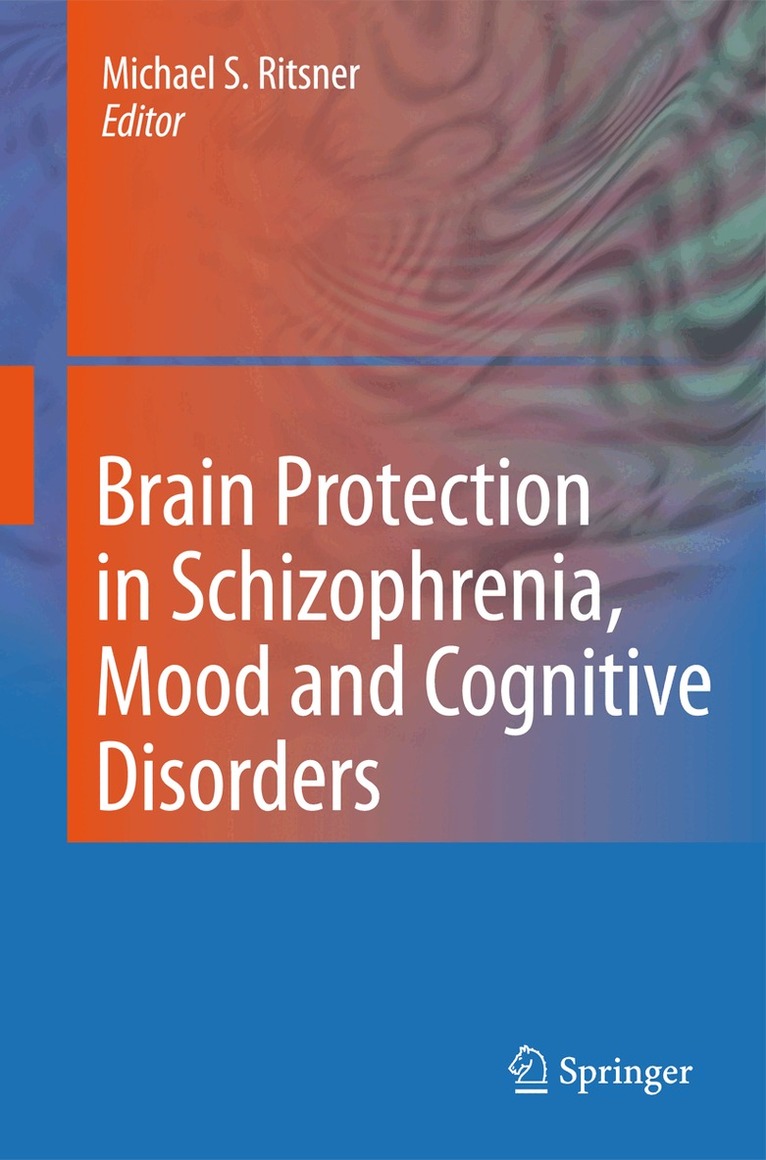
Neuroprotection is a novel perspective for the treatment of disorders that lead to neurodegeneration and disabilities as a result of deterioration of neurons due to apoptosis, oxidative stress, excitotoxicity, and other mechanisms. These mechanisms have implications not only for neurodegenerative disorders, but also for schizophrenia, mood and cognitive disorders. The purpose of this book is to provide an up-to-date overview of basic and clinical studies concerning the neuroprotective approach, mechanisms, and several compounds with neuroprotective properties that may contribute to more efficacious treatment of major mental health disorders.
The book is divided into two sections. The first section serves as an introduction and overview of conceptual issues of the neuroprotective approach, and some neurobiological advances. Chapters in this section review definitions, perspectives, and issues that provide a conceptual base for the rest of the book. In addition, this part includes chapters in which the authors present and discuss the findings from basic studies of neurodegenerative mechanisms that are associated with the pathogenesis of major mental health disorders. The second section focuses on findings obtained from clinical trials with neuroprotective compounds, and neuromodulatory techniques. The take-home message is that principles of the neuroprotective approach may be applied to treatment of schizophrenia, mood and cognitive disorders. Contributors to this book are among the most active investigators and clinicians in the field who provide new perspectives not only clarifying ongoing controversies but also propose diverse aspects and new insights to neuroprotection.
This book is intended for a broad readership, which includes a broad spectrum of readers including neuroscientists, psychiatrists, neurologists, pharmacologists, clinical psychologists, general practitioners, geriatricians, graduate students, and policy makers in the fields of mental health.
3 177 kr
Skickas inom 10-15 vardagar
4 066 kr
Läs direkt efter köp
2 498 kr
Skickas inom 10-15 vardagar
3 276 kr
Läs direkt efter köp
Conceptual Issues and Neurobiological Advances
1 705 kr
Skickas inom 10-15 vardagar
Conceptual Issues and Neurobiological Advances
2 127 kr
Läs direkt efter köp
1 705 kr
Skickas inom 10-15 vardagar
2 105 kr
Läs direkt efter köp
2 045 kr
Skickas inom 10-15 vardagar
2 619 kr
Läs direkt efter köp
2 498 kr
Skickas inom 10-15 vardagar
2 271 kr
Skickas inom 10-15 vardagar
Conceptual Issues and Neurobiological Advances
1 705 kr
Skickas inom 10-15 vardagar
3 177 kr
Skickas inom 10-15 vardagar
1 705 kr
Skickas inom 10-15 vardagar
2 045 kr
Skickas inom 10-15 vardagar
1 818 kr
Skickas inom 10-15 vardagar
1 962 kr
Läs direkt efter köp
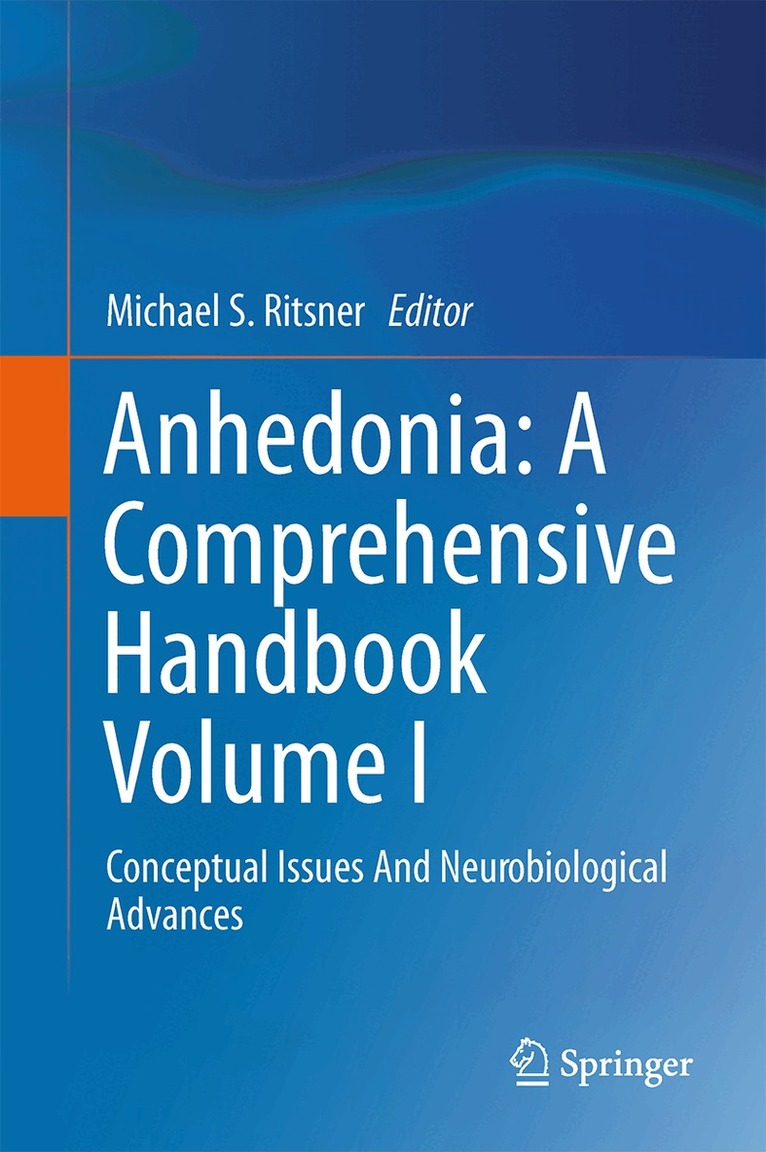
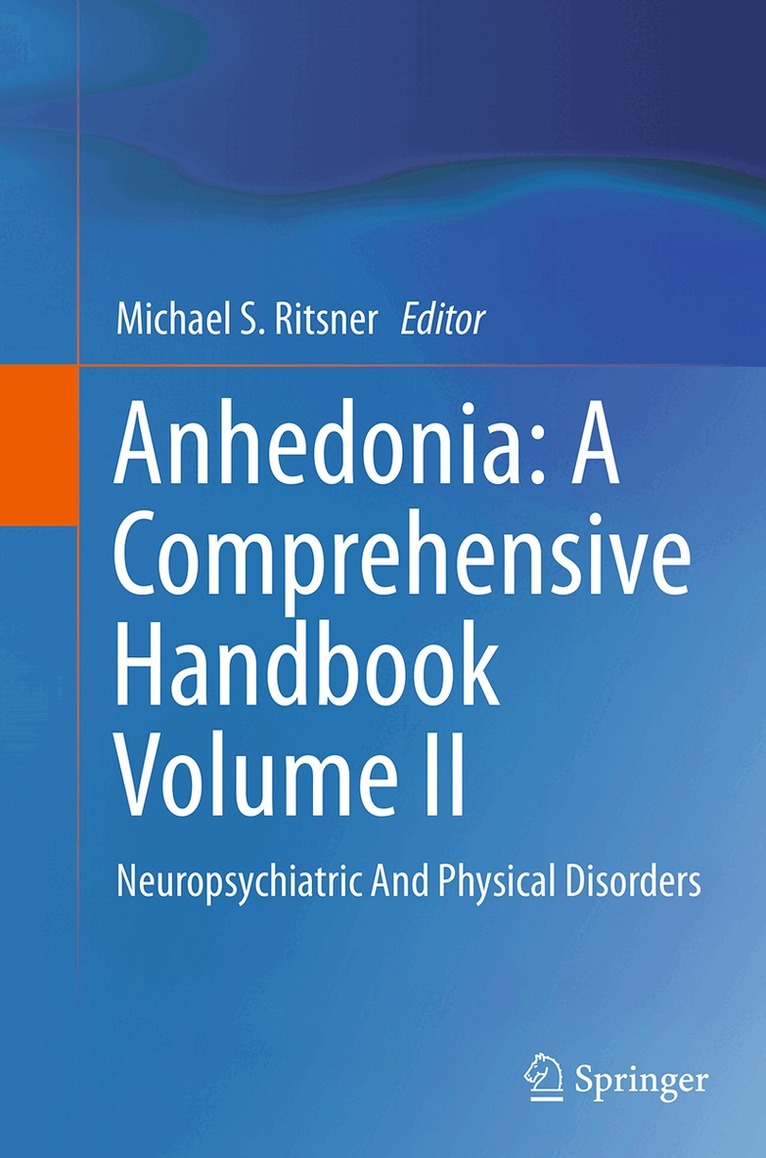
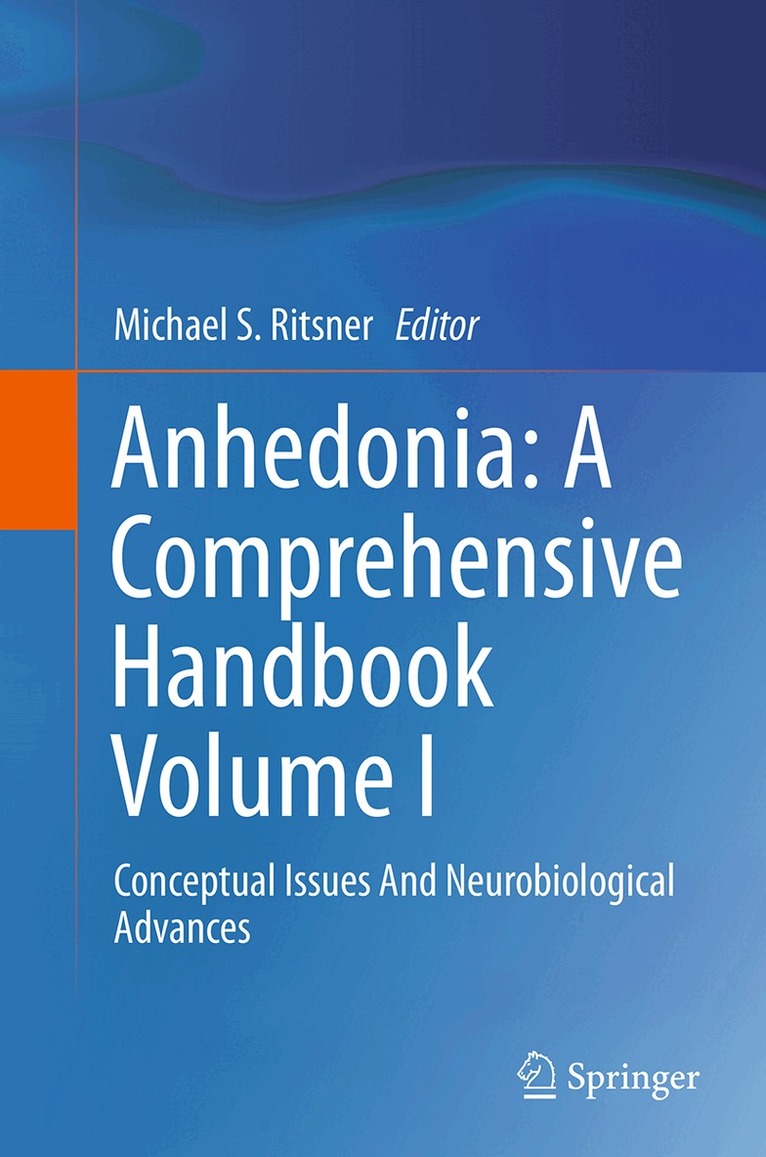
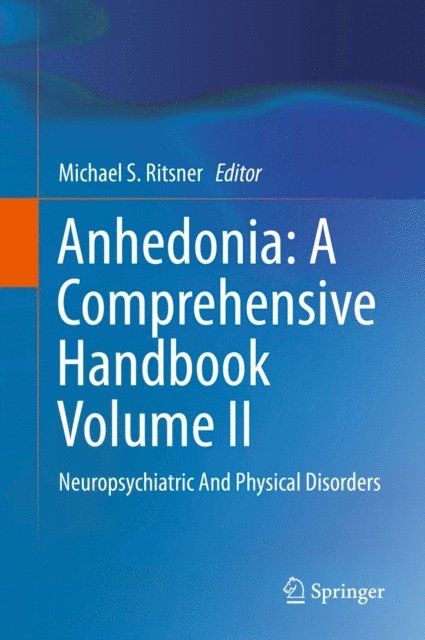
This is the first comprehensive two-volume collection on anhedonia, a disorder that played an important role in psychopathology theories at the beginning of the twentieth century. Anhedonia is a condition in which the capacity of pleasure is partially or completely lost, and it refers to both a personality trait, and a “state symptom” in various neuropsychiatric and physical disorders. It has a putative neural substrate, originating in the dopaminergic mesolimbic and mesocortical reward circuit. Over the past three decades cognitive psychology and behavioral neuroscience have expanded our understanding of anhedonia and other reward-related processes. The aim of this new two-volume collection on anhedonia is to highlight the contributions of eminent scientists in this field as well as to provide readers with comprehensive accounts of recent developments as perceived by the authors. This monograph is divided into five parts. Volume I contains parts one and two (Conceptual Issues andNeurobiological Advances) including 14 chapters that serve as an introduction and overview of conceptual issues. Volume II contains three parts (Anhedonia in Psychotic Disorders, Anhedonia in Mood and Personality Disorders, and Anhedonia in Neurological and Physical Disorders) including 15 chapters that provide an overview of the construct, measurement of anhedonia in schizophrenia spectrum disorders, hedonic capacity and related factors in schizophrenia and schizoaffective disorder, anhedonia as an indicator of genetic liability for schizophrenia, and as a trait marker for depression, the role of an anhedonia in trauma-related disorders, anorexia nervosa, stress-induced eating disorders, schizotypal traits and risk of suicide. This book will be of interest to a broad spectrum of readers including psychiatrists, psychologists, neurologists, neuroscientists, endocrinologists, pharmacologists, general practitioners, geriatricians, graduate students, and health care providers in the fields of mental health.
1 705 kr
Skickas inom 10-15 vardagar
2 127 kr
Läs direkt efter köp
This is the first comprehensive two-volume collection on anhedonia, a disorder that played an important role in psychopathology theories at the beginning of the twentieth century. Anhedonia is a condition in which the capacity of pleasure is partially or completely lost, and it refers to both a personality trait, and a “state symptom” in various neuropsychiatric and physical disorders. It has a putative neural substrate, originating in the dopaminergic mesolimbic and mesocortical reward circuit. Over the past three decades cognitive psychology and behavioral neuroscience have expanded our understanding of anhedonia and other reward-related processes. The aim of this new two-volume collection on anhedonia is to highlight the contributions of eminent scientists in this field as well as to provide readers with comprehensive accounts of recent developments as perceived by the authors. This monograph is divided into five parts. Volume I contains parts one and two (Conceptual Issues andNeurobiological Advances) including 14 chapters that serve as an introduction and overview of conceptual issues. Volume II contains three parts (Anhedonia in Psychotic Disorders, Anhedonia in Mood and Personality Disorders, and Anhedonia in Neurological and Physical Disorders) including 15 chapters that provide an overview of the construct, measurement of anhedonia in schizophrenia spectrum disorders, hedonic capacity and related factors in schizophrenia and schizoaffective disorder, anhedonia as an indicator of genetic liability for schizophrenia, and as a trait marker for depression, the role of an anhedonia in trauma-related disorders, anorexia nervosa, stress-induced eating disorders, schizotypal traits and risk of suicide. This book will be of interest to a broad spectrum of readers including psychiatrists, psychologists, neurologists, neuroscientists, endocrinologists, pharmacologists, general practitioners, geriatricians, graduate students, and health care providers in the fields of mental health.
1 705 kr
Skickas inom 10-15 vardagar
1 592 kr
Skickas inom 10-15 vardagar