Michael Senior – författare
Visar alla böcker från författaren Michael Senior. Handla med fri frakt och snabb leverans.
5 produkter
5 produkter
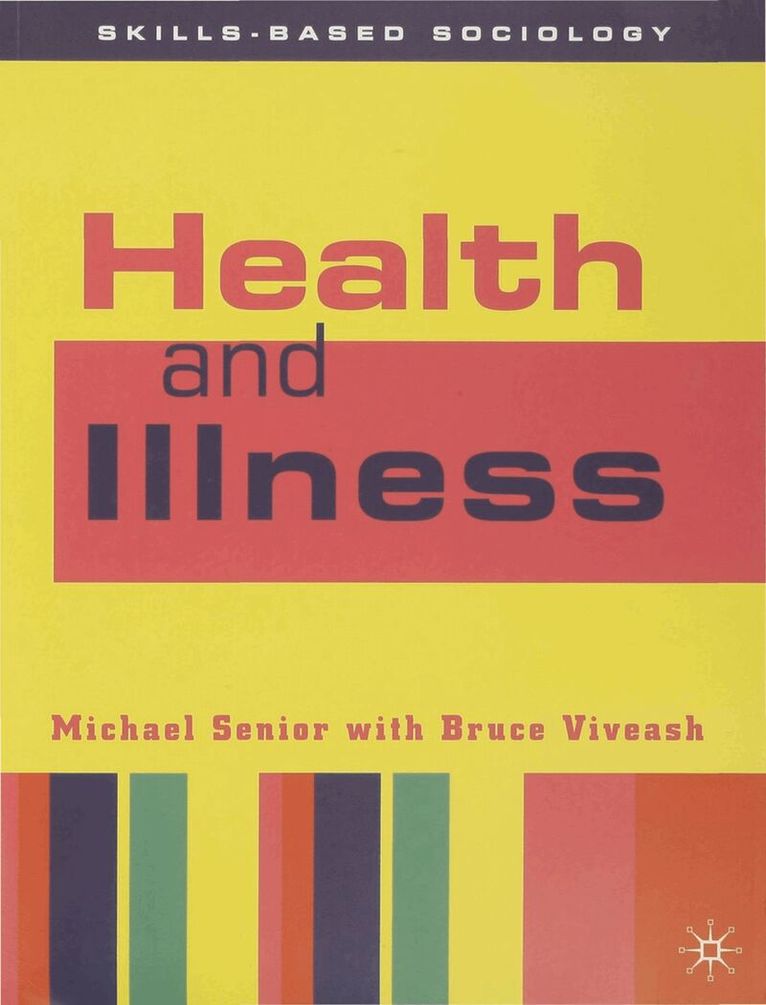
Häftad, Engelska, 1997
586 kr
Skickas inom 10-15 vardagar
Health and Illness provides a comprehensive, concise and accessible introduction to the topic, presented in an attractive manner, with relevant activities and exercises to ensure that students' learning is as active as possible. The activities, which are a central feature of the book, develop study skills such as essay writing, note-taking and responding to data/stimulus questions.
E-bok
PDF, Engelska, 1997632 kr
Läs direkt efter köp
Health and Illness provides a comprehensive, concise and accessible introduction to the topic, presented in an attractive manner, with relevant activities and exercises to ensure that students'' learning is as active as possible. The activities, which are a central feature of the book, develop study skills such as essay writing, note-taking and responding to data/stimulus questions.
E-bok
Engelska, 2021123 kr
Läs direkt efter köp
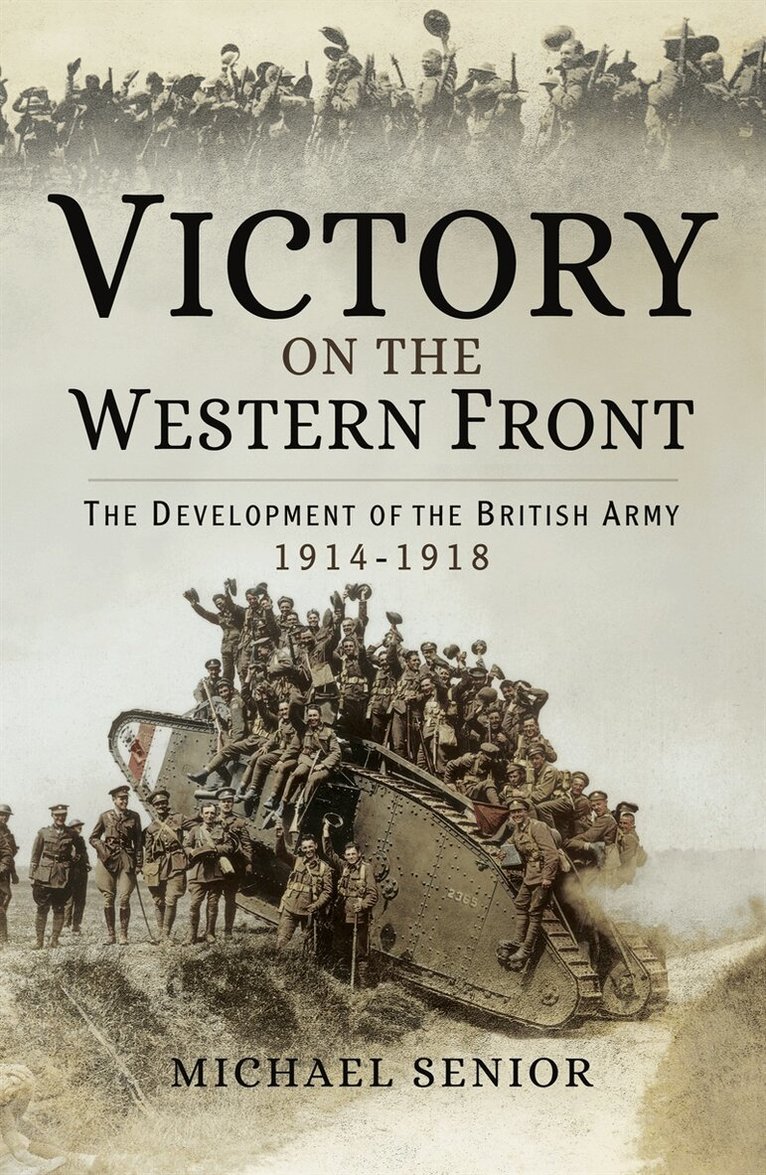
Marshal Foch, the Generalissimo of the Allied Armies during the last stages of the First World War, commenting on the victories won during the Hundred Days when the Germans were driven back on the Western Front, said ‘Never at any time in history has the British army achieved greater results in attack than in this unbroken offensive’. The scale, speed and success of this offensive have provided historians with fertile ground for interpretation and debate. How did the British Expeditionary Force, having endured the bitter disappointments and heavy losses at Aubers Ridge, Loos, the Somme, Passchendaele, Cambrai and during the German spring offensives of 1918 turn the tide of the war and comprehensively defeat the enemy in the field? This is the fascinating question that Michael Senior tackles in this lucid and thought-provoking study. He considers the reasons for the stunning British victories and examines the factors that underpinned the eventual success of the BEF. In particular he shows how tactical and technical developments evolved during the course of the war and merged in a way that gave the British a decisive advantage during the final months of the fighting. Innovations in guns and gunnery, in shells, aircraft and tanks, and a massive increase in industrial output, played key parts, as did the continuous process of adaptation, experimentation and invention that went on throughout the war years. The result was an army that could take advantage of the unprecedented opportunity presented by the failure of the German spring offensive of 1918. Michael Senior provides a challenging and controversial analysis of the underlying reasons for the success of the BEF. It is essential reading for anyone who is keen to learn about the extraordinary development of the British army throughout the war – and to understand why, and how, the Germans were beaten.EPUB3: Reflowable
E-bok
Engelska, 2023147 kr
Läs direkt efter köp
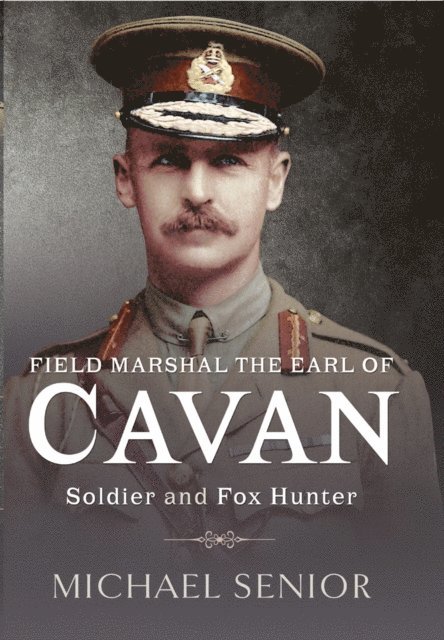
Field Marshal Lord Cavan (1865-1946) was one of the most distinguished commanders of the modern British army, but he divided opinion among his contemporaries. Some senior soldiers were disdainful. Field Marshal Sir Henry Wilson described him as ‘ignorant, pompous and vain’ and Brigadier General Sir James Edward Edmonds commented that Cavan ‘was bone from the neck upwards’. Yet many of Cavan’s subordinates praised him, saying ‘I had never seen Lord Cavan before and I was filled with admiration by the calm and quiet self-confidence of his manner’ and ‘Our new General, Lord Cavan, is simply A1 and the whole show runs like a well-oiled machine.’ So what were the real qualities and achievements of this remarkable but hitherto neglected officer who in a long career served in the Boer War and the First World War and then presided over the post-war reduction of the British army? Michael Senior, in the first full biography of Cavan, assesses him as a leader, a corps commander and an administrator, and places him among the front rank of the soldiers of his generation. He also explores Cavan’s personal life, his personality and how his aristocratic background, his wealth and his love of fox hunting affected his conduct in both war and peace.
E-bok
Engelska, 2021127 kr
Läs direkt efter köp
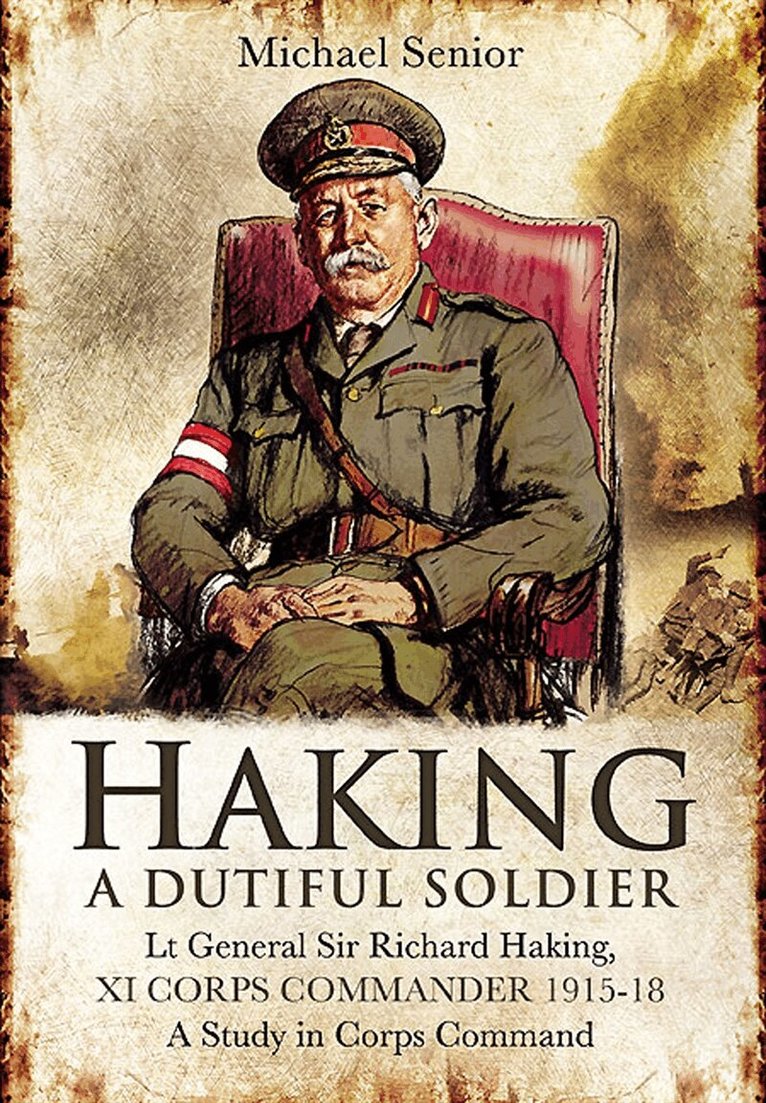
Sir Richard Haking commanded the British XI Corps from 1915 to 1918 mainly in France, but also in Italy (December 1917-March 1918). This first study of Haking takes the form of a review and analysis of his career as a Corps Commander, placing the activities of XI Corps in the context of events on the Western and Italian Fronts. It has three aims. First, it is intended to make a balanced assessment of Haking as a Corps Commander in the light of an established popular reputation, which places him firmly in the ‘donkey’ category of First World War generals. The second aim is to examine how Haking carried out his role as a Corps Commander, and the third aim is to relate the experiences of Haking and XI Corps to a number of important topics connected with the conduct of the war: trench warfare on the Western Front, with particular reference to the much-criticized attack at Fromelles in July 1916; the British involvement in Italy; the relationship with the Portuguese Expeditionary Force in France; and the British victories in 1918. Reference is made to several key operating issues such as command and control on the Western Front; the ‘learning curve’ in the BEF; the doctrine of the offensive; and the British policy on defense in depth. Each is discussed taking account of Haking’s experiences as XI Corps Commander. The study concludes, contrary to the general view, that, overall, Haking made a positive contribution to the conduct of the war, and that his dismal reputation is largely unjustified.