Michael Slowik - Böcker
Visar alla böcker från författaren Michael Slowik. Handla med fri frakt och snabb leverans.
4 produkter
4 produkter
1 173 kr
Skickas inom 7-10 vardagar
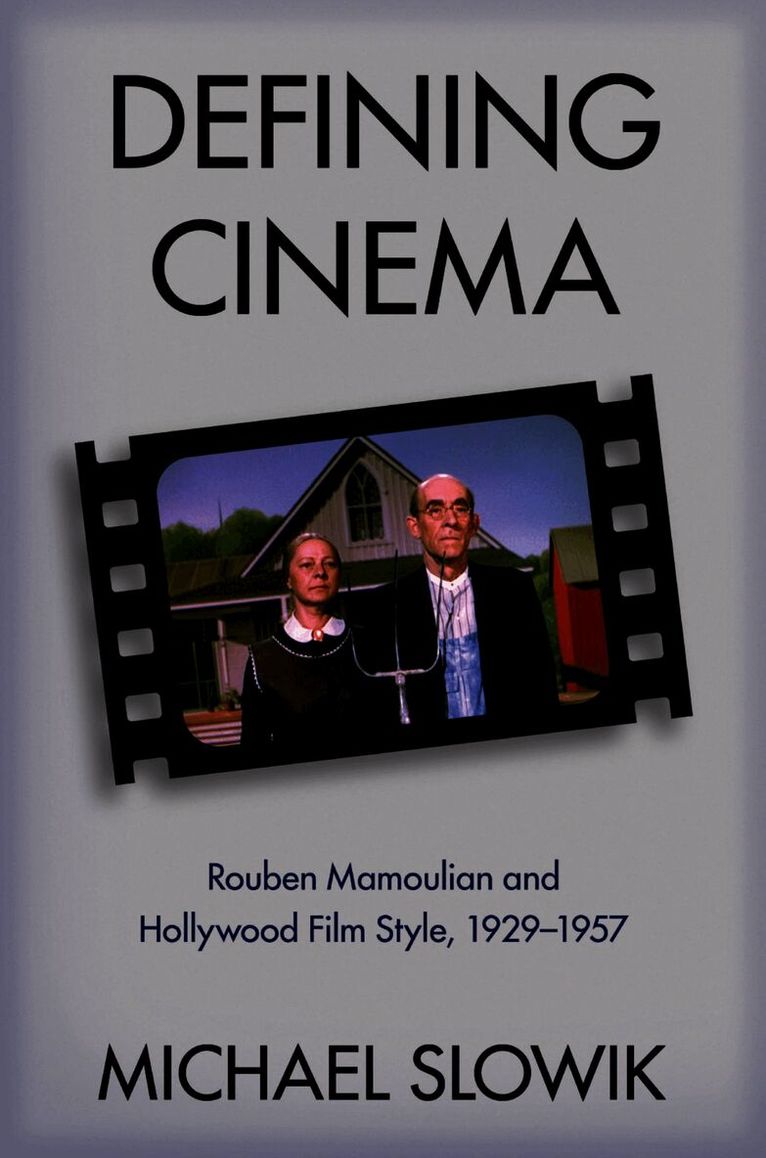
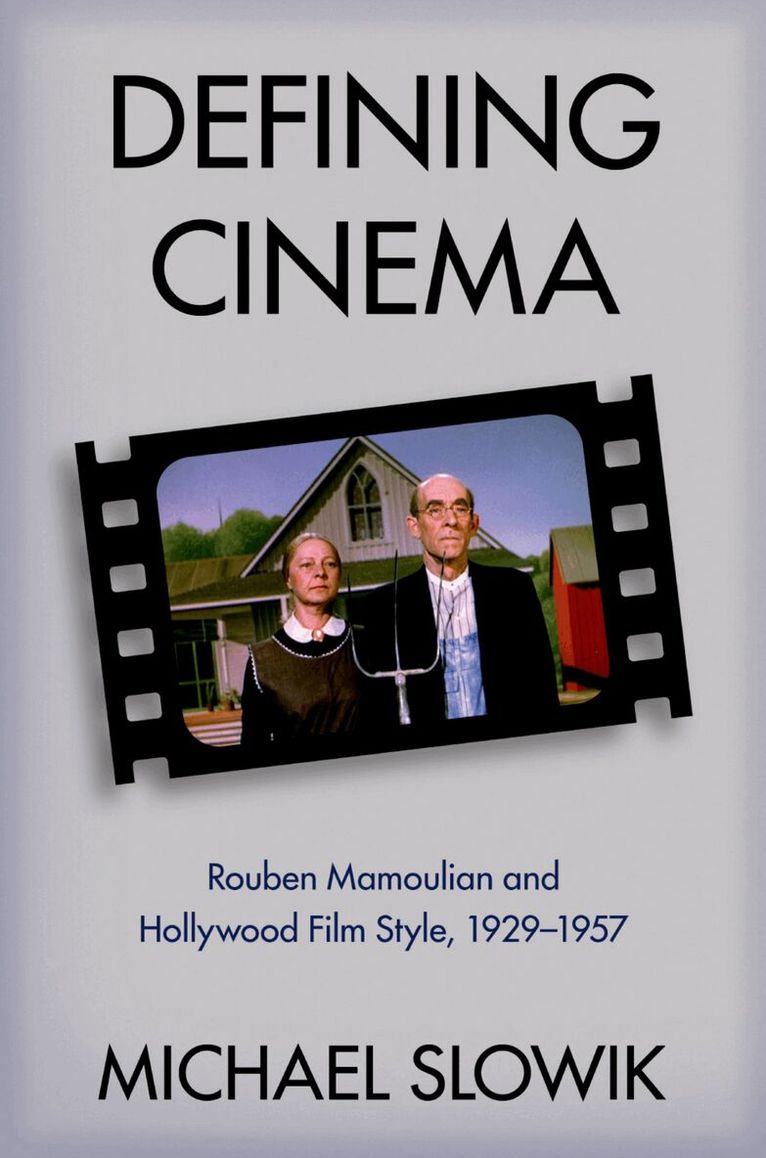
Arriving in cinema when synchronized sound had just been adopted, director Rouben Mamoulian demonstrated key early methods for making sound aid storytelling, for giving films a crisper sense of rhythm, for creating musicals set in backstage, fairy-tale, and folk environments, for providing intricate and arresting colour palettes, and for rendering sexual content more palpable under industry censorship. Mamoulian also wrote many articles throughout his lifetime and gave interviews and lectures where he advanced his complex ideas about the potentials of various artforms, including cinema. In addition, he left an extensive paper record of his work, including heavily annotated scripts for each of the sixteen films he directed. Mamoulian also enjoyed major success on the stage. He directed the original landmark productions of Porgy, Porgy and Bess, Oklahoma!, and Carousel, and his efforts in this domain informed his film work. Defining Cinema takes a holistic look at Mamoulian's oeuvre by examining both his stage and his screen work, and also brings together insights from his correspondence, his theories on film, and analysis of the films themselves. It presents a filmmaker whose work was innovative and exciting, who pushed hard on cinema's potential as an artform, and who in many ways helped move cinema towards the kind of entertainment that it remains today. The book thus tells a story that is vital not just for better understanding the work of a neglected filmmaker, but for anyone interested in the history of Hollywood filmmaking.
382 kr
Skickas inom 5-8 vardagar
Arriving in cinema when synchronized sound had just been adopted, director Rouben Mamoulian demonstrated key early methods for making sound aid storytelling, for giving films a crisper sense of rhythm, for creating musicals set in backstage, fairy-tale, and folk environments, for providing intricate and arresting colour palettes, and for rendering sexual content more palpable under industry censorship. Mamoulian also wrote many articles throughout his lifetime and gave interviews and lectures where he advanced his complex ideas about the potentials of various artforms, including cinema. In addition, he left an extensive paper record of his work, including heavily annotated scripts for each of the sixteen films he directed. Mamoulian also enjoyed major success on the stage. He directed the original landmark productions of Porgy, Porgy and Bess, Oklahoma!, and Carousel, and his efforts in this domain informed his film work. Defining Cinema takes a holistic look at Mamoulian's oeuvre by examining both his stage and his screen work, and also brings together insights from his correspondence, his theories on film, and analysis of the films themselves. It presents a filmmaker whose work was innovative and exciting, who pushed hard on cinema's potential as an artform, and who in many ways helped move cinema towards the kind of entertainment that it remains today. The book thus tells a story that is vital not just for better understanding the work of a neglected filmmaker, but for anyone interested in the history of Hollywood filmmaking.
1 243 kr
Skickas inom 7-10 vardagar
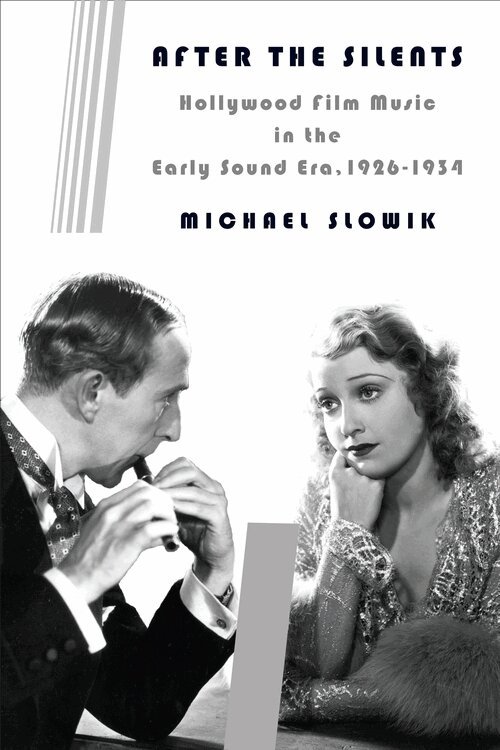
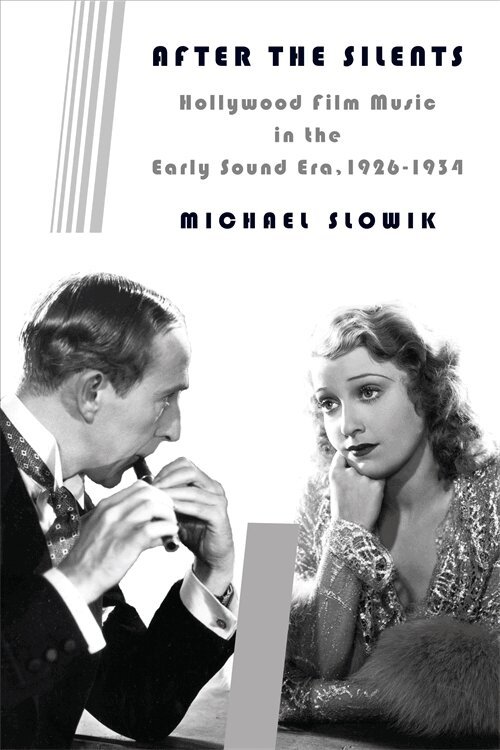
Many believe Max Steiner's score for King Kong (1933) was the first important attempt at integrating background music into sound film, but a closer look at the industry's early sound era (1926-1934) reveals a more extended and fascinating story. Viewing more than two hundred films from the period, Michael Slowik launches the first comprehensive study of a long-neglected phase in Hollywood's initial development, recasting the history of film sound and its relationship to the "Golden Age" of film music (1935-1950). Slowik follows filmmakers' shifting combinations of sound and image, recapturing the volatility of this era and the variety of film music strategies that were tested, abandoned, and kept. He explores early film music experiments and accompaniment practices in opera, melodrama, musicals, radio, and silent films and discusses the impact of the advent of synchronized dialogue. He concludes with a reassessment of King Kong and its groundbreaking approach to film music, challenging the film's place and importance in the timeline of sound achievement.
655 kr
Skickas inom 3-6 vardagar
Many believe Max Steiner's score for King Kong (1933) was the first important attempt at integrating background music into sound film, but a closer look at the industry's early sound era (1926-1934) reveals a more extended and fascinating story. Viewing more than two hundred films from the period, Michael Slowik launches the first comprehensive study of a long-neglected phase in Hollywood's initial development, recasting the history of film sound and its relationship to the "Golden Age" of film music (1935-1950). Slowik follows filmmakers' shifting combinations of sound and image, recapturing the volatility of this era and the variety of film music strategies that were tested, abandoned, and kept. He explores early film music experiments and accompaniment practices in opera, melodrama, musicals, radio, and silent films and discusses the impact of the advent of synchronized dialogue. He concludes with a reassessment of King Kong and its groundbreaking approach to film music, challenging the film's place and importance in the timeline of sound achievement.