Michael Stasik – författare
Visar alla böcker från författaren Michael Stasik. Handla med fri frakt och snabb leverans.
5 produkter
5 produkter
Inbunden, Engelska, 2025
1 210 kr
Skickas inom 7-10 vardagar
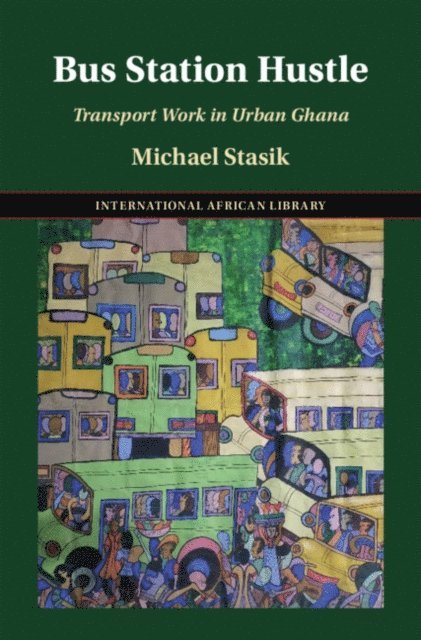
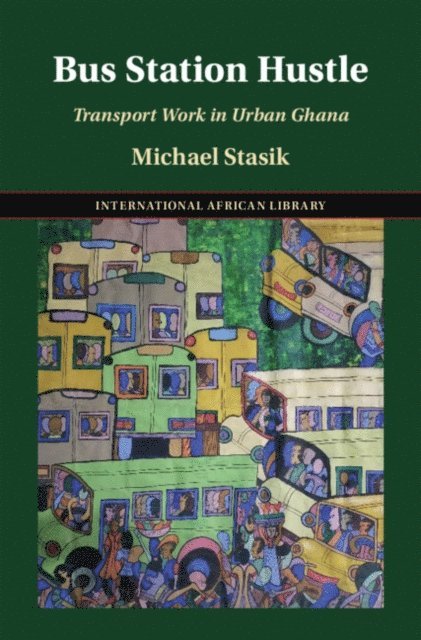
Bus stations are among the most prominent sites of social and economic activity in Africa. Integral to transport, trade, and exchange over distance, they provide livelihoods for large numbers of people. Through a detailed ethnography of one of Ghana's busiest long-distance bus stations, Michael Stasik explores the dialectical relationship between the ways in which people make the station work and how the station shapes popular economic engagement and social life. Drawing on a dual understanding of 'hustle' as a distinct mode of economic activity and organisation, as well as a marker of complex and sometimes bewildering situations, Stasik challenges dominant views of transport work in urban Africa, especially those wedded to generic notions of 'informality'. Bus Station Hustle offers a nuanced anthropological perspective on the hands-on work in and the institutional workings of an infrastructural hub of mobility and exchange. This title is also available as Open Access on Cambridge Core.
E-bok
Engelska, 20251 415 kr
Läs direkt efter köp
E-bok
PDF, Engelska, 20251 428 kr
Läs direkt efter köp
Häftad, Engelska, 2012
716 kr
Skickas inom 5-8 vardagar
E-bok
PDF, Engelska, 2012841 kr
Läs direkt efter köp
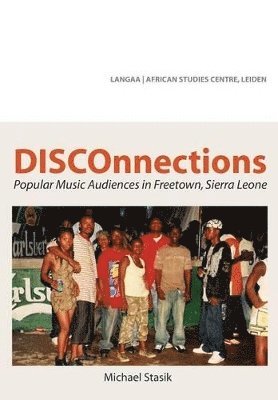
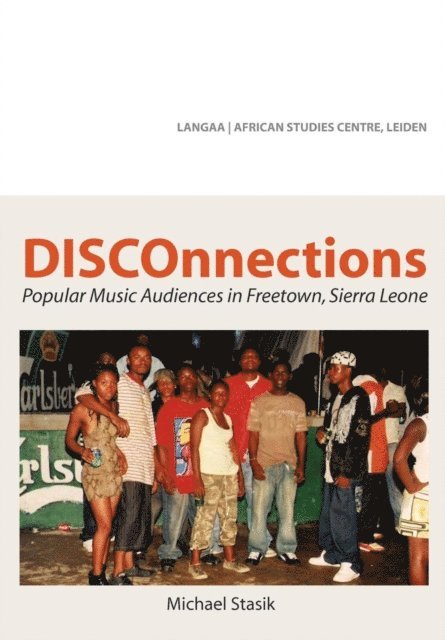
This book offers an intriguing account of the complex and often contradictory relations between music and society in Freetown's past and present. Blending anthropological thought with ethnographic and historical research, it explores the conjunctures of music practices and social affiliations and the diverse patterns of social dis/connections that music helps to shape, to (re)create, and to defy in Sierra Leone's capital Freetown. The first half of the book traces back the changing social relationships and the concurrent changes in the city's music life from the first days of the colony in the late 18th century up to the turbulent and thriving music scenes in the first decade of the 21st century. Grounded in this comprehensive historiography of Freetown's socio-musical palimpsest, the second half of the book puts forth a detailed ethnography of social dynamics in the realms of music, calibrating contemporary Freetown's social polyphony with its musical counterpart.