Michael Sweet – författare
Visar alla böcker från författaren Michael Sweet. Handla med fri frakt och snabb leverans.
7 produkter
An Introduction to Molecular Ecology
Av Graham Rowe, Michael Sweet m. fl.
Häftad, 2017
901 kr
Lägg i varukorg
An Introduction to Molecular Ecology combines theoretical concepts with practice-driven examples to showcase the latest molecular and genomic techniques and their impact on the study of ecology.The opening chapters introduce the essential molecular and genetic concepts that underpin the subject and …
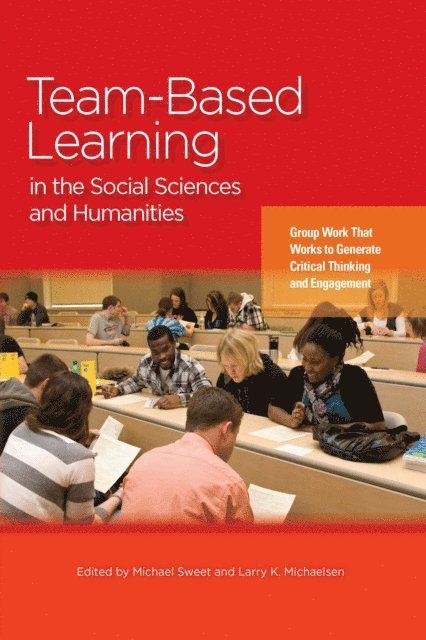
Team-Based Learning in the Social Sciences and Humanities
Group Work that Works to Generate Critical Thinking and Engagement
Av Larry K. Michaelsen, Michael Sweet
E-bok, 2023
505 kr
Lägg i varukorg
Team-Based Learning (TBL) is a unique, powerful, and proven form of small-group learning that is being increasingly adopted in higher education. Teachers who use TBL report high levels of engagement, critical thinking, and retention among their students. TBL has been used successfully in both small …
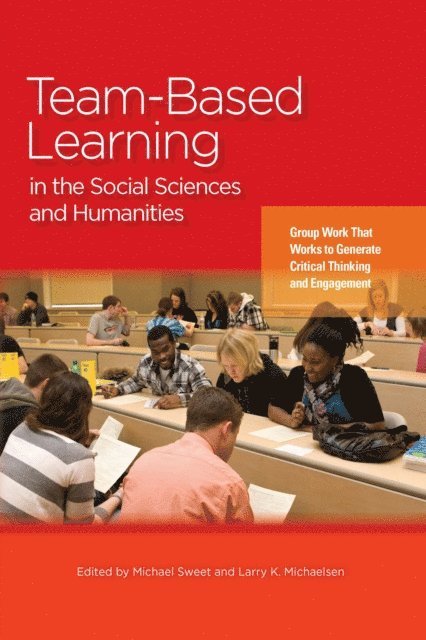
Team-Based Learning in the Social Sciences and Humanities
Group Work that Works to Generate Critical Thinking and Engagement
Av Larry K. Michaelsen, Michael Sweet
E-bok, 2023
505 kr
Lägg i varukorg
Team-Based Learning (TBL) is a unique, powerful, and proven form of small-group learning that is being increasingly adopted in higher education. Teachers who use TBL report high levels of engagement, critical thinking, and retention among their students. TBL has been used successfully in both small …
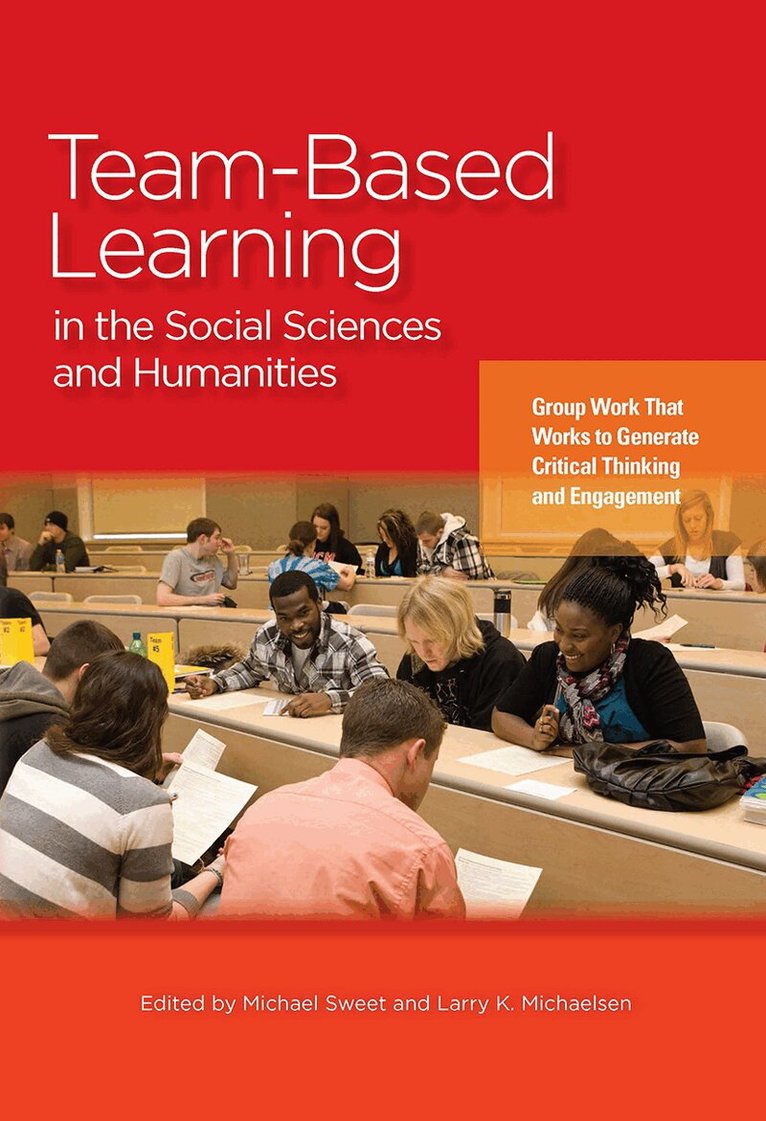
Team-Based Learning in the Social Sciences and Humanities
Group Work that Works to Generate Critical Thinking and Engagement
Av Michael Sweet, Larry K. Michaelsen
Inbunden, 2012
2433 kr
Lägg i varukorg
Team-Based Learning (TBL) is a unique, powerful, and proven form of small-group learning that is being increasingly adopted in higher education. Teachers who use TBL report high levels of engagement, critical thinking, and retention among their students. TBL has been used successfully in both small …
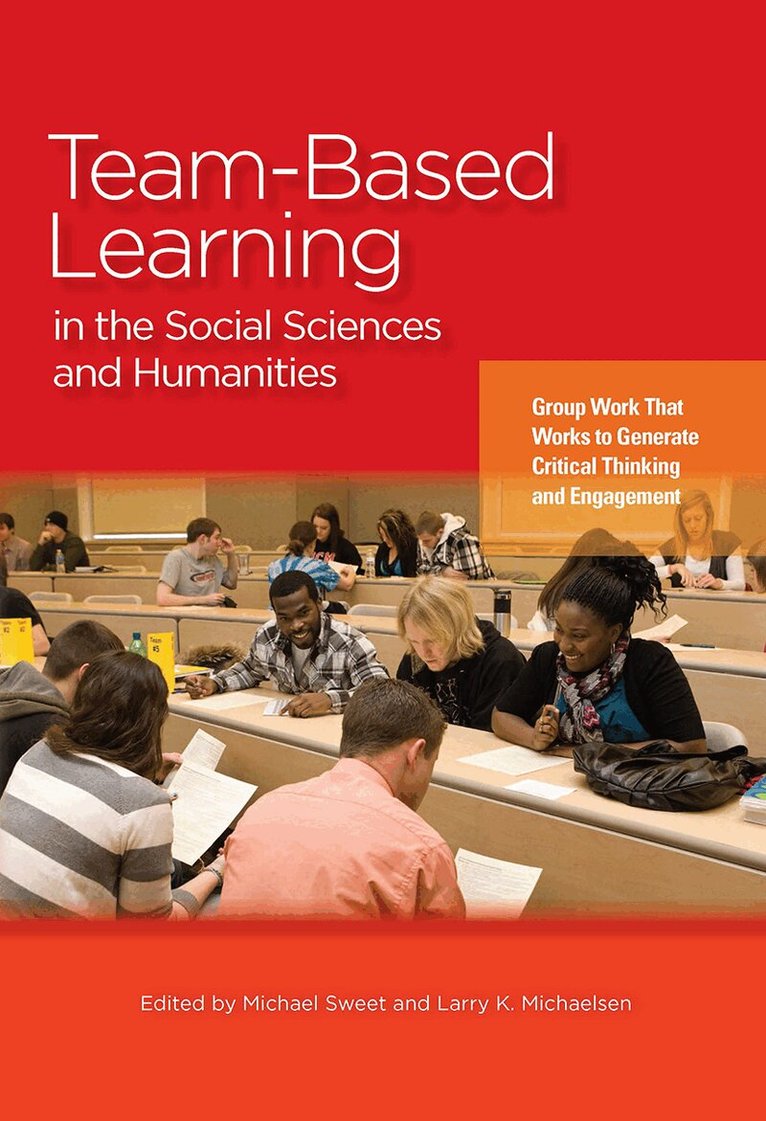
Team-Based Learning in the Social Sciences and Humanities
Group Work that Works to Generate Critical Thinking and Engagement
Av Michael Sweet, Larry K. Michaelsen
Häftad, 2012
529 kr
Lägg i varukorg
Team-Based Learning (TBL) is a unique, powerful, and proven form of small-group learning that is being increasingly adopted in higher education. Teachers who use TBL report high levels of engagement, critical thinking, and retention among their students. TBL has been used successfully in both small …