Michael Thoma – författare
Visar alla böcker från författaren Michael Thoma. Handla med fri frakt och snabb leverans.
5 produkter
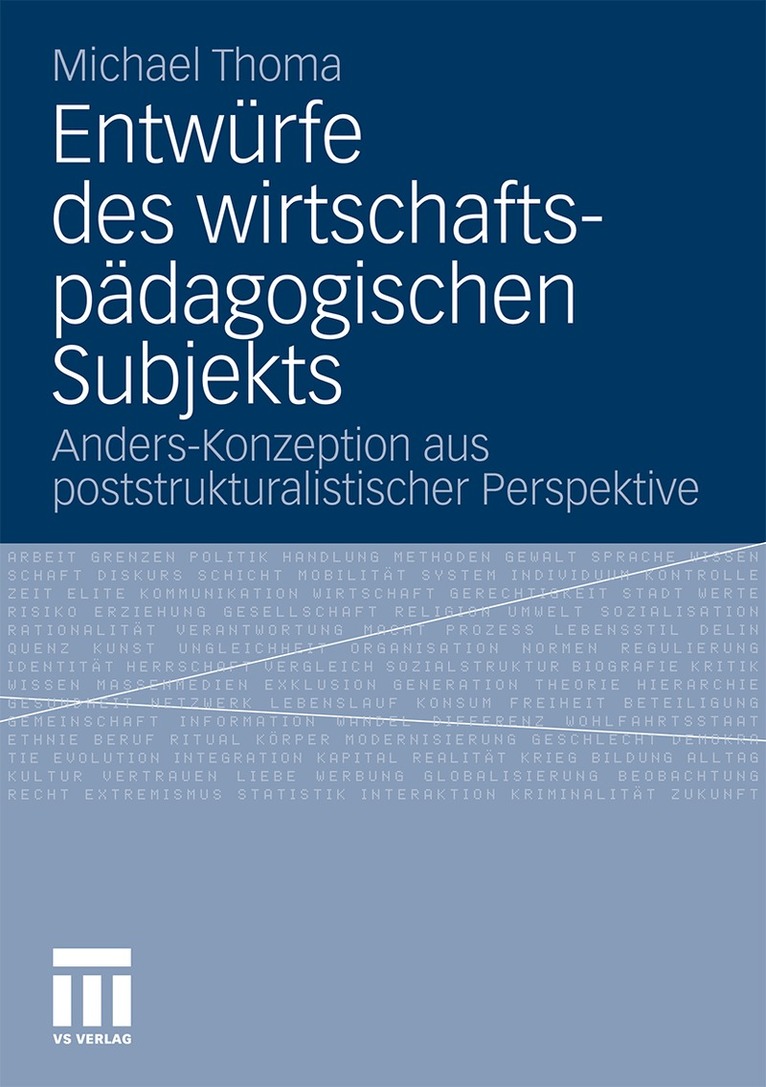
Entwürfe des wirtschaftspädagogischen Subjekts
Anders-Konzeption aus poststrukturalistischer Perspektive
Häftad, 2011
551 kr
Lägg i varukorg
Das Konstrukt der ‚beruflichen Handlungskompetenz’ ist in der wissenschaftlichen Auseinandersetzung der Berufs- und Wirtschaftspädagogik seit Jahrzehnten zentraler Ankerpunkt didaktischer Konzepte und deren unterrichtspraktischer Umsetzung. Der Einzelne wird hierbei als ein autonomes, wirkmächtiges …
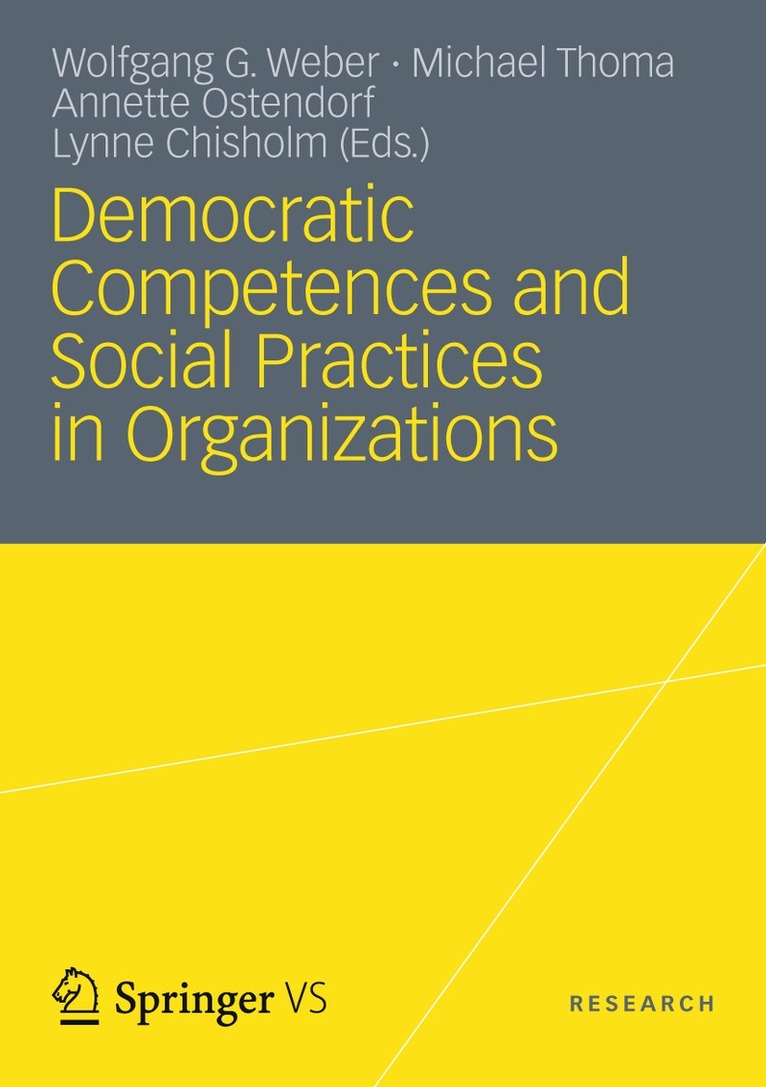
Democratic Competences and Social Practices in Organizations
Av Wolfgang Weber, Michael Thoma m. fl.
Häftad, 2012
536 kr
Lägg i varukorg
The contributions in this book address the question of how to develop and foster democratic competences. This may take place via school curricula, resource materials and teaching/learning methods; in workplaces by means of formalised arrangements that encourage self-direction and through the …
Democratic Competences and Social Practices in Organizations
Av Lynne Chisholm, Annette Ostendorf m. fl.
E-bok, 2012
698 kr
Lägg i varukorg
The contributions in this book address the question of how to develop and foster democratic competences. This may take place via school curricula, resource materials and teaching/learning methods; in workplaces by means of formalised arrangements that encourage self-direction and through the …
Entwürfe des wirtschaftspädagogischen Subjekts
Anders-Konzeption aus poststrukturalistischer Perspektive
E-bok, 2011
449 kr
Lägg i varukorg