Michael Vaughn - Böcker
Visar alla böcker från författaren Michael Vaughn. Handla med fri frakt och snabb leverans.
6 produkter
6 produkter
3 074 kr
Skickas inom 10-15 vardagar
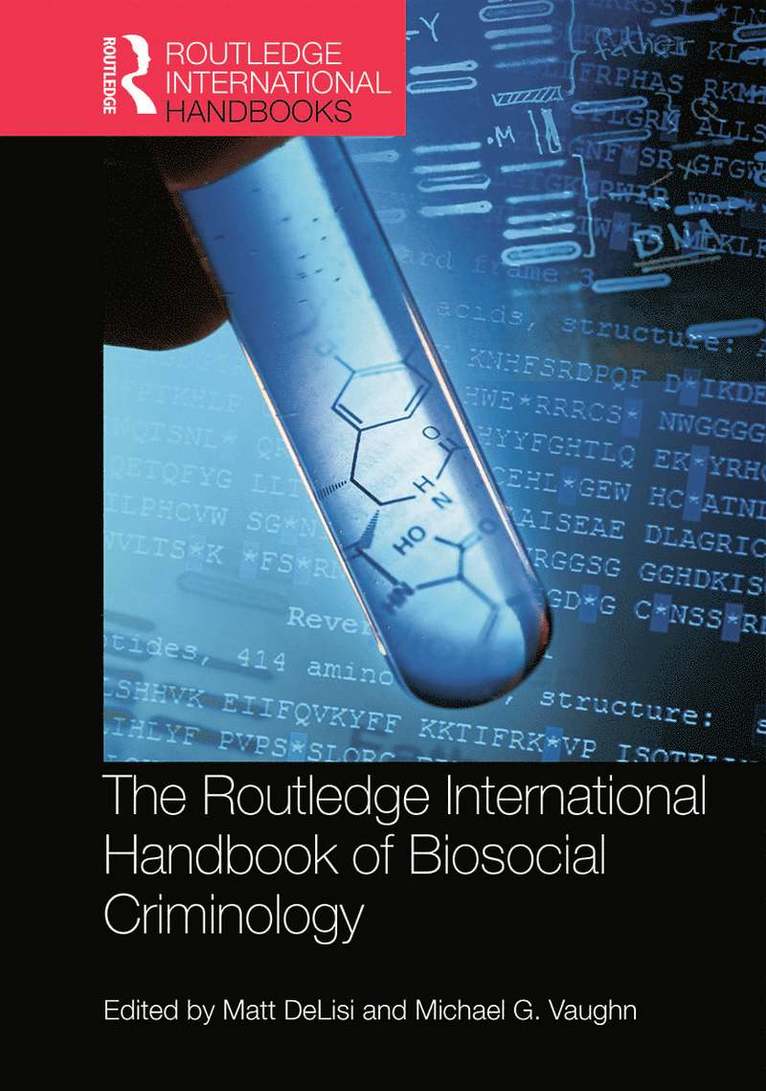
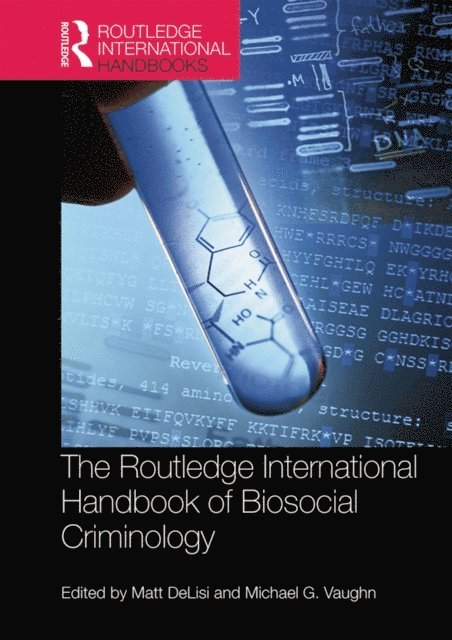
Biosocial criminology is an interdisciplinary field that aims to explain crime and antisocial behavior by exploring both biological factors and environmental factors. Since the mapping of the human genome, scientists have been able to study the biosocial causes of human behaviour with the greatest specificity. After decades of almost exclusive sociological focus, criminology has undergone a paradigm shift where the field is more interdisciplinary and this book combines perspectives from criminology and sociology with contributions from fields such as genetics, neuropsychology, and evolutionary psychology. The Routledge International Handbook of Biosocial Criminology is the largest and most comprehensive work of its kind, and is organized into five sections that collectively span the terrain of biosocial research on antisocial behavior. Bringing together leading experts from around the world, this book considers the criminological, genetic and neuropsychological foundations of offending, as well as the legal and criminal justice applications of biosocial criminological theory. The handbook is essential reading for students, researchers, and practitioners from across the social, behavioural, and natural sciences who are engaged in the study of antisocial behaviour.
256 kr
Skickas inom 3-6 vardagar
256 kr
Skickas inom 3-6 vardagar
256 kr
Skickas inom 3-6 vardagar
21 229 kr
Skickas inom 10-15 vardagar
Biosocial criminologists seek to explain crime (and related anti-social behaviour) by exploring both biological and environmental factors. Combining perspectives from mainstream Criminology and Sociology, with contributions from those working in disciplines such as Genetics, Neuropsychology, and Evolutionary Psychology, Biosocial Criminology is now a well-established—if heterogeneous and contentious—field of study. As Biosocial Criminology continues to develop, this new title from Routledge, edited by two distinguished scholars, meets the need for an authoritative, one-stop reference work to make sense of the wide range of approaches, theories, and concepts that have contributed to its growth.In four volumes, the collection assembles the best and most influential empirical, theoretical, and political contributions made by biosocial criminologists from around the world. The gathered works cover not only the history of Biosocial Criminology and cutting-edge theories, but also explore a variety of research methods used by leading scholars and the rich data generated by their rigorous empirical work.With a full index, together with a comprehensive introduction, newly written by the editors, which places the collected material in its historical and intellectual context, Biosocial Criminology is an essential work of reference. The collection will be particularly useful as a database allowing scattered and often fugitive material to be easily located. It will also be welcomed as a crucial tool permitting rapid access to less familiar—and sometimes overlooked—texts. For researchers, students, and policy-makers, it is an essential one-stop research and pedagogic resource.
753 kr
Skickas inom 10-15 vardagar
Biosocial criminology is an interdisciplinary field that aims to explain crime and antisocial behavior by exploring both biological factors and environmental factors. Since the mapping of the human genome, scientists have been able to study the biosocial causes of human behaviour with the greatest specificity. After decades of almost exclusive sociological focus, criminology has undergone a paradigm shift where the field is more interdisciplinary and this book combines perspectives from criminology and sociology with contributions from fields such as genetics, neuropsychology, and evolutionary psychology. The Routledge International Handbook of Biosocial Criminology is the largest and most comprehensive work of its kind, and is organized into five sections that collectively span the terrain of biosocial research on antisocial behavior. Bringing together leading experts from around the world, this book considers the criminological, genetic and neuropsychological foundations of offending, as well as the legal and criminal justice applications of biosocial criminological theory, and will be essential reading for students, researchers, and practitioners from across the social, behavioural, and natural sciences who are engaged in the study of antisocial behaviour.