Michal Mochtak – författare
Visar alla böcker från författaren Michal Mochtak. Handla med fri frakt och snabb leverans.
8 produkter
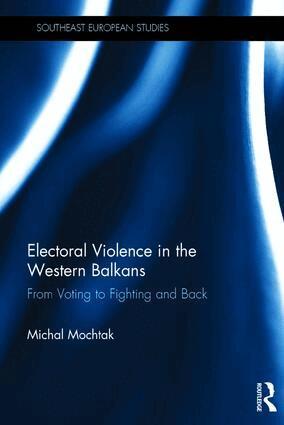
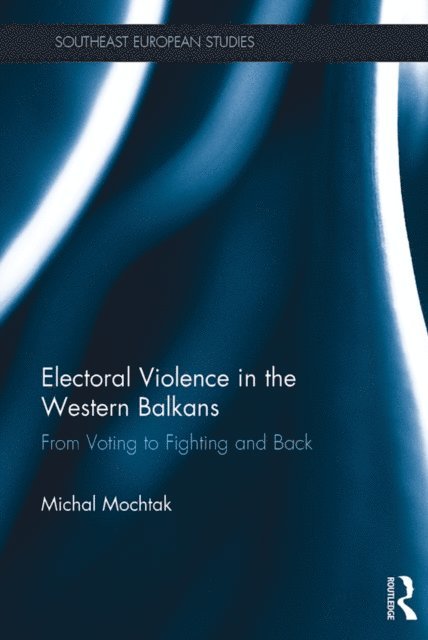
Electoral Violence in the Western Balkans
From Voting to Fighting and Back
Inbunden, 2017
2504 kr
Lägg i varukorg
Since the end of the Cold War there have been a number of cases where the democratization process has been turbulent, or even violent. Addressing electoral violence, its evolution and impact in the Western Balkans, this book explores the conflict logic of election and tries to understand its basic …
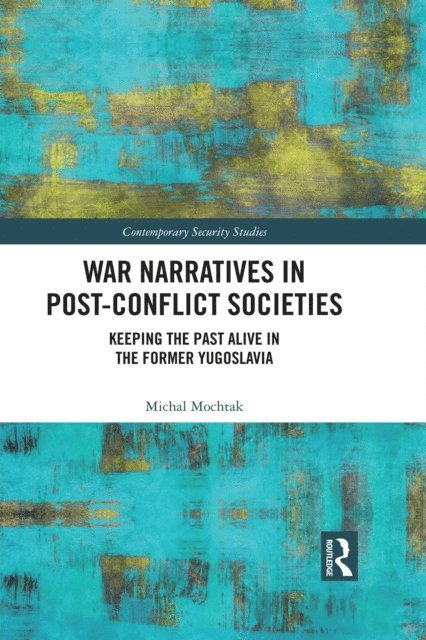
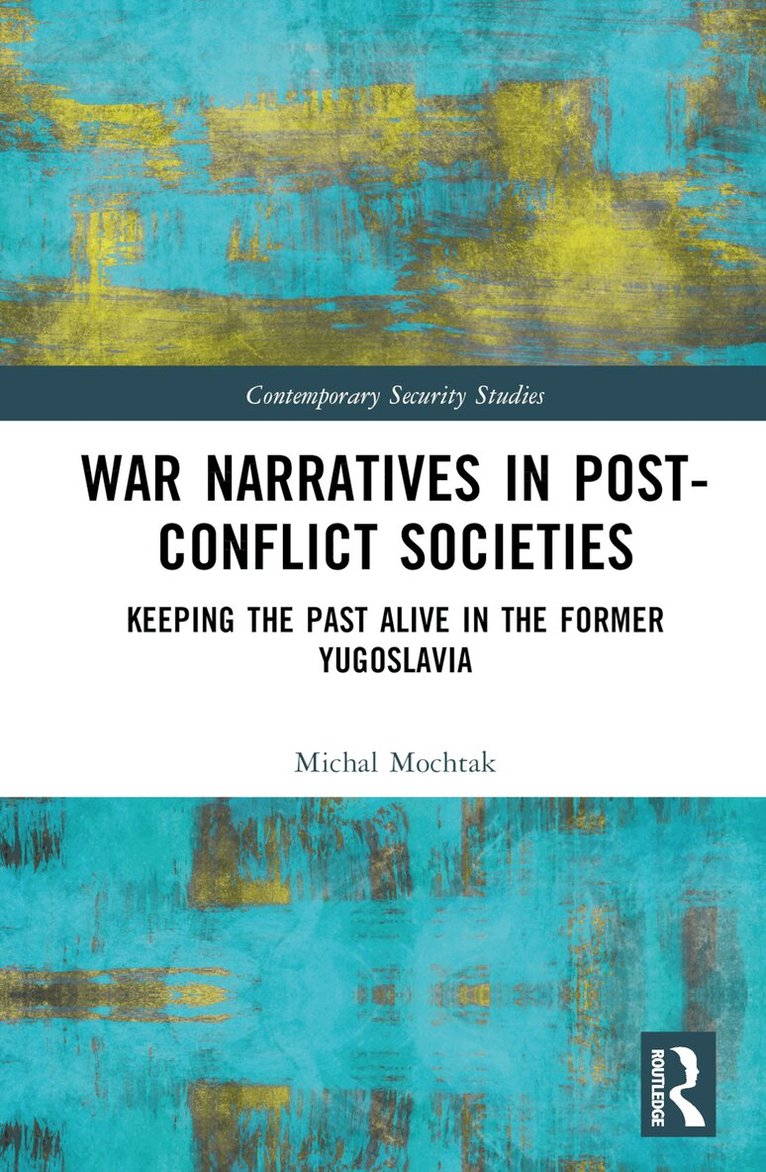
War Narratives in Post-Conflict Societies
Keeping the Past Alive in the former Yugoslavia
E-bok, 2024
813 kr
Lägg i varukorg
This book studies war narratives and their role in the political arenas of post-conflict societies, with a focus on the former Yugoslavia. How do politicians in postwar societies talk about the past war? How do they discursively represent vulnerable social groups created by the conflict? Does the …
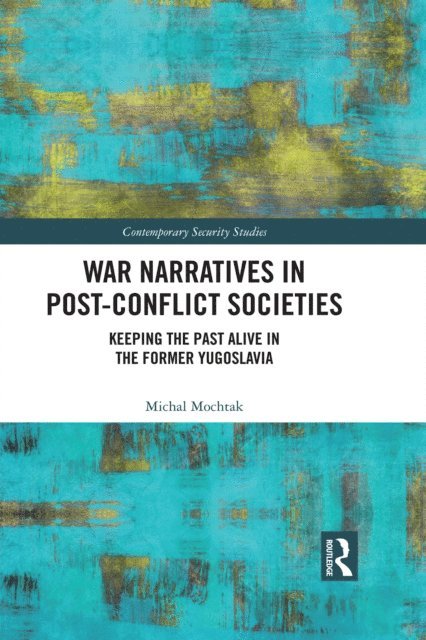
War Narratives in Post-Conflict Societies
Keeping the Past Alive in the former Yugoslavia
E-bok, 2024
829 kr
Lägg i varukorg
This book studies war narratives and their role in the political arenas of post-conflict societies, with a focus on the former Yugoslavia. How do politicians in postwar societies talk about the past war? How do they discursively represent vulnerable social groups created by the conflict? Does the …
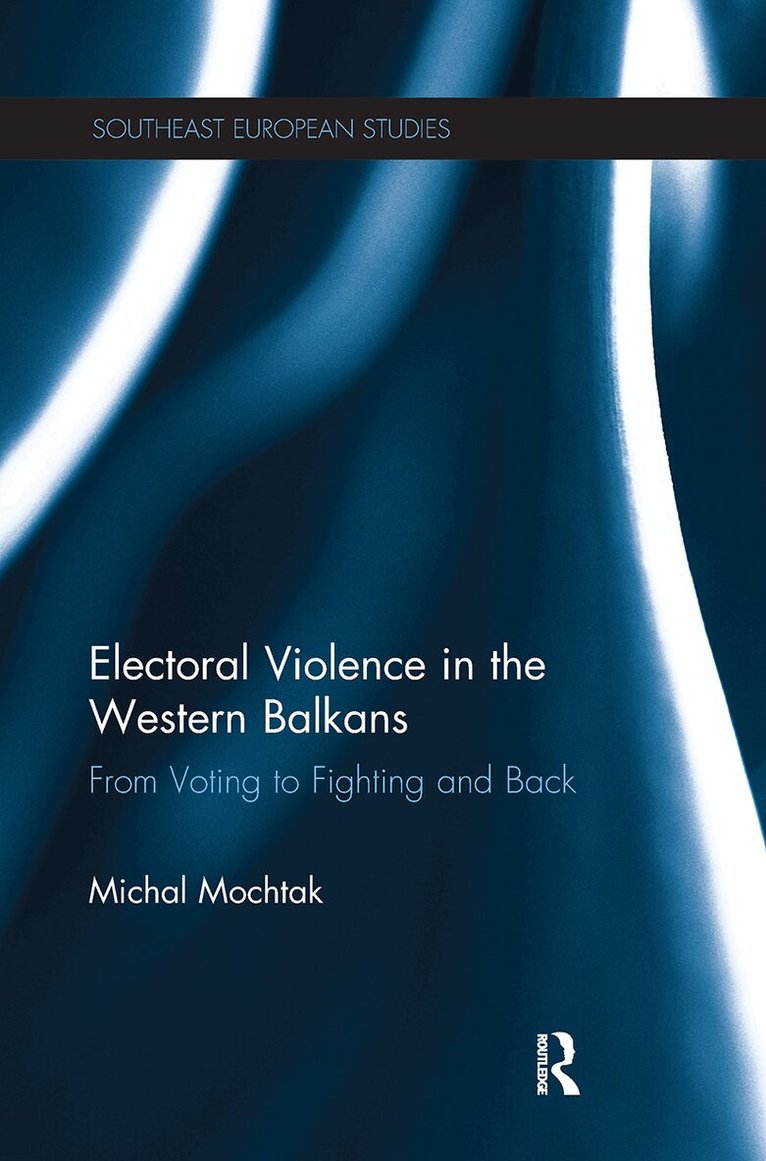
Electoral Violence in the Western Balkans
From Voting to Fighting and Back
Häftad, 2021
689 kr
Lägg i varukorg
Since the end of the Cold War there have been a number of cases where the democratization process has been turbulent, or even violent. Addressing electoral violence, its evolution and impact in the Western Balkans, this book explores the conflict logic of election and tries to understand its basic …
War Narratives in Post-Conflict Societies
Keeping the Past Alive in the former Yugoslavia
Inbunden, 2024
2504 kr
Lägg i varukorg
This book studies war narratives and their role in the political arenas of post-conflict societies, with a focus on the former Yugoslavia.How do politicians in postwar societies talk about the past war? How do they discursively represent vulnerable social groups created by the conflict? Does the …
War Narratives in Post-Conflict Societies
Keeping the Past Alive in the former Yugoslavia
Häftad, 2025
704 kr
Lägg i varukorg
This book studies war narratives and their role in the political arenas of post-conflict societies, with a focus on the former Yugoslavia.How do politicians in postwar societies talk about the past war? How do they discursively represent vulnerable social groups created by the conflict? Does the …
Electoral Violence in the Western Balkans
From Voting to Fighting and Back
E-bok, 2017
790 kr
Lägg i varukorg
Since the end of the Cold War there have been a number of cases where the democratization process has been turbulent, or even violent. Addressing electoral violence, its evolution and impact in the Western Balkans, this book explores the conflict logic of election and tries to understand its basic …
Electoral Violence in the Western Balkans
From Voting to Fighting and Back
E-bok, 2017
814 kr
Lägg i varukorg
Since the end of the Cold War there have been a number of cases where the democratization process has been turbulent, or even violent. Addressing electoral violence, its evolution and impact in the Western Balkans, this book explores the conflict logic of election and tries to understand its basic …