653 kr
Skickas inom 5-8 vardagar
653 kr
Skickas inom 5-8 vardagar
254 kr
Skickas inom 5-8 vardagar
892 kr
Skickas inom 5-8 vardagar
272 kr
Skickas inom 5-8 vardagar
682 kr
Skickas inom 5-8 vardagar
244 kr
Skickas inom 5-8 vardagar
271 kr
Läs direkt efter köp
682 kr
Skickas inom 5-8 vardagar
230 kr
Skickas inom 5-8 vardagar
245 kr
Läs direkt efter köp
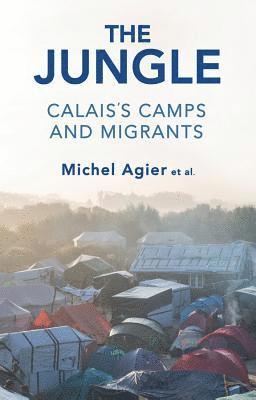
For nearly two decades, the area surrounding the French port of Calais has been a temporary staging post for thousands of migrants and refugees hoping to cross the Channel to Britain. It achieved global attention when, at the height of the migrant crisis in 2015, all those living there were transferred to a single camp that became known as ‘the Jungle’. Until its dismantling in October 2016, this precarious site, intended to make its inhabitants as invisible as possible, was instead the focal point of international concern about the plight of migrants and refugees.
This new book is the first full account of life inside the Jungle and its relation to the global migration crisis. Anthropologist Michel Agier and his colleagues use the particular circumstances of the Jungle, localized in space and time, to analyse broader changes under way in our societies, both locally and globally. They examine the architecture of the camp, reconstruct how everyday life and routine operated and analyse the mixed reactions to the Jungle, from hostile government policies to movements of solidarity.
This comprehensive account of the life and death of Europe’s most infamous camp for migrants and refugees demonstrates that, far from being an isolated case, the Jungle of Calais brings into sharp relief the issues that confront us all today, in a world where the large-scale movement of people has become, and is likely to remain, a central feature of social and political life.
634 kr
Skickas inom 5-8 vardagar
216 kr
Skickas inom 5-8 vardagar
245 kr
Läs direkt efter köp
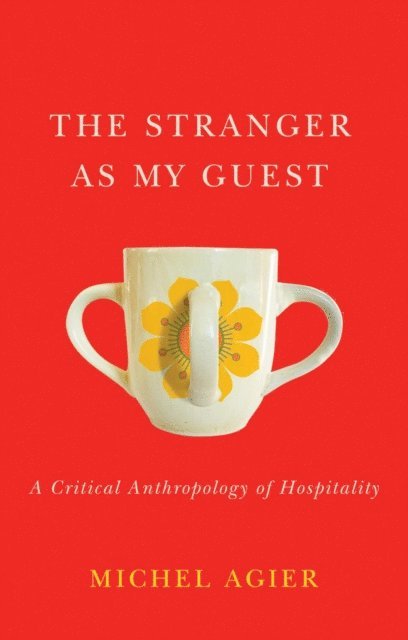
The migration crisis of recent years has elicited a double response: on the one hand, many states have responded by tightening border controls, in an attempt to restrict population movements, while on the other hand many citizens have responded by welcoming new arrivals, offering them shelter, food and whatever help they could provide. By so doing, they have re-awakened an old form of anthropology that was long-considered to be dead – that of hospitality.
In this book, Agier develops an original anthropology of hospitality that starts from the reality of hospitality as a social relationship, albeit an asymmetrical one, in which each party has rights and duties. He argues that, with the decline of state and religious support, hospitality is now making a comeback at individual and municipal levels but these local initiatives, while important, are insufficient to respond to the scale of migration in the world today. We need a new hospitality policy for the modern era, one that will regard hospitality as a right rather than a favour and will treat the stranger as a guest rather than as an alien or an enemy.
This timely and original book will be of great interest to students and scholars in anthropology, sociology and the social sciences generally, and to anyone concerned with migration and refugees in the world today.