1 011 kr
Michel Baudin – författare
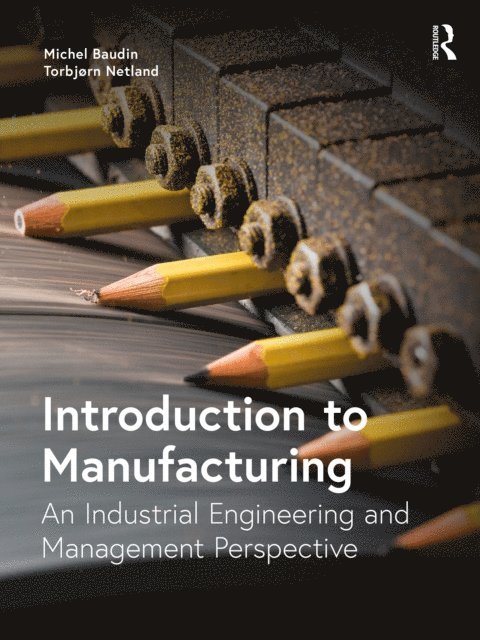
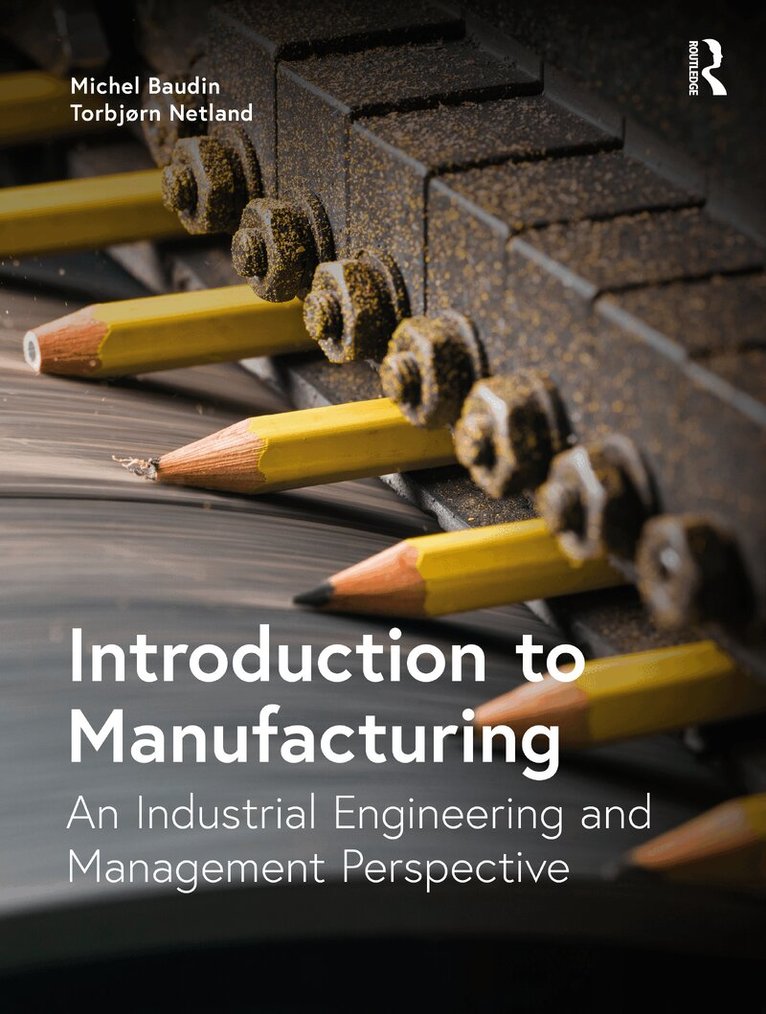
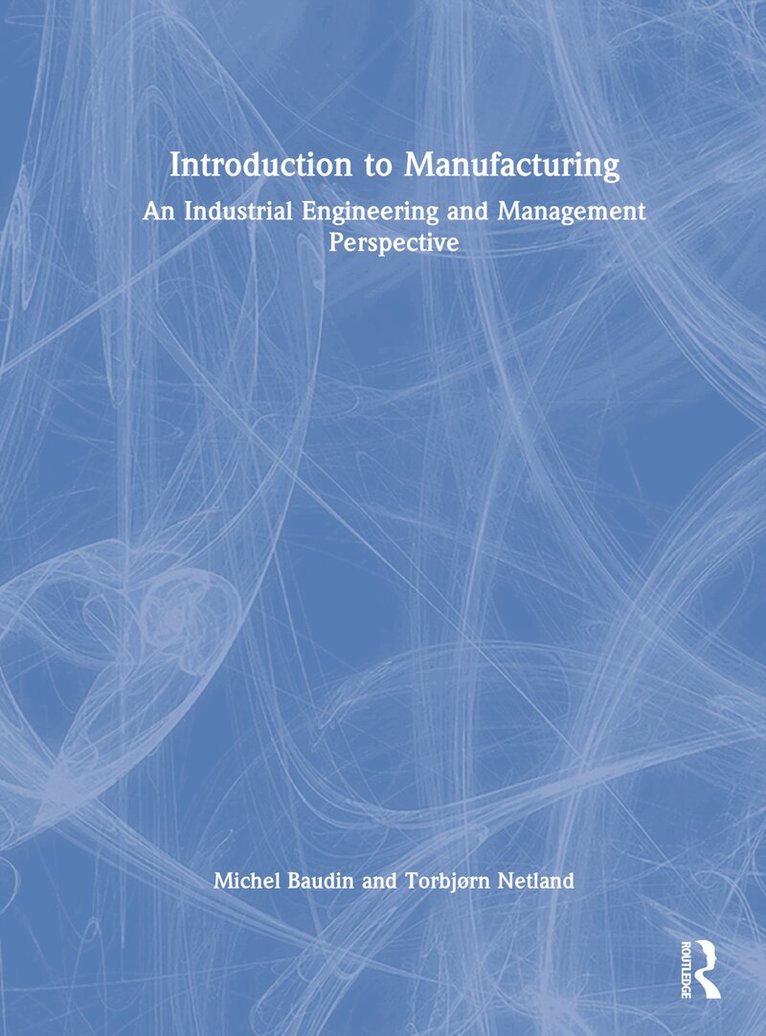
- Häftad, Engelska, 2022This Introduction to Manufacturing focuses students on the issues that matter to practicing industrial engineers and managers. It offers a systems perspective on designing, managing, and improving manufacturing operations. On each topic, it covers the key issues, with pointers on where to dig deeper.Unlike the many textbooks on operations management, supply chain management, and process technology, this book weaves together these threads as they interact in manufacturing. It has five parts:Getting to Know Manufacturing: Fundamental concepts of manufacturing as an economic activity, from manufacturing strategy to forecasting market demandEngineering the Factory: Physical design of factories and processes, the necessary infrastructure and technology for manufacturingMaking Information Flow: The "central nervous system" that triggers and responds to events occurring in productionMaking Materials Flow: The logistics of manufacturing, from materials handling inside the factory via warehousing to supply chain managementEnhancing Performance: Managing manufacturing performance and methods to maintain and improve it, both in times of normal operations and emergenciesSupported with rich illustrations and teaching aids, Introduction to Manufacturing is essential reading for industrial engineering and management students – of all ages and backgrounds – engaged in the vital task of making the things we all use.

- Inbunden, Engelska, 2024
763 kr
Kommande
The “lean” label has become a mark of effectiveness and efficiency in operations, not only in manufacturing but in services as well. As the practice spreads, managers around the world are realizing how central it is to corporate strategy. Baudin has previously written handbooks for assembly, logistics, and on machinery. In Lean for CEOs, he draws on 20 years of experience to provide the same level of practical guidance to executives who are driving growth and profitability. Using numerous examples from a variety of industries, Baudin describes the actions that corporate leaders must first take to transform their enterprise to lean and then run it in a way that sustains and enhances the results. Focusing on the implementation of lean practices throughout the organization—including participation and accountability of managers in finance, sales, marketing, product development, and IT—Baudin presents tools to improve decision making, project management, program measurement, and cross-company communication. - Inbunden, Engelska, 2022
2 947 kr
Skickas inom 10-15 vardagar
This Introduction to Manufacturing focuses students on the issues that matter to practicing industrial engineers and managers. It offers a systems perspective on designing, managing, and improving manufacturing operations. On each topic, it covers the key issues, with pointers on where to dig deeper.Unlike the many textbooks on operations management, supply chain management, and process technology, this book weaves together these threads as they interact in manufacturing. It has five parts:Getting to Know Manufacturing: Fundamental concepts of manufacturing as an economic activity, from manufacturing strategy to forecasting market demandEngineering the Factory: Physical design of factories and processes, the necessary infrastructure and technology for manufacturingMaking Information Flow: The "central nervous system" that triggers and responds to events occurring in productionMaking Materials Flow: The logistics of manufacturing, from materials handling inside the factory via warehousing to supply chain managementEnhancing Performance: Managing manufacturing performance and methods to maintain and improve it, both in times of normal operations and emergenciesSupported with rich illustrations and teaching aids, Introduction to Manufacturing is essential reading for industrial engineering and management students – of all ages and backgrounds – engaged in the vital task of making the things we all use. - E-bokEngelska, 2020
1 203 kr
Läs direkt efter köp
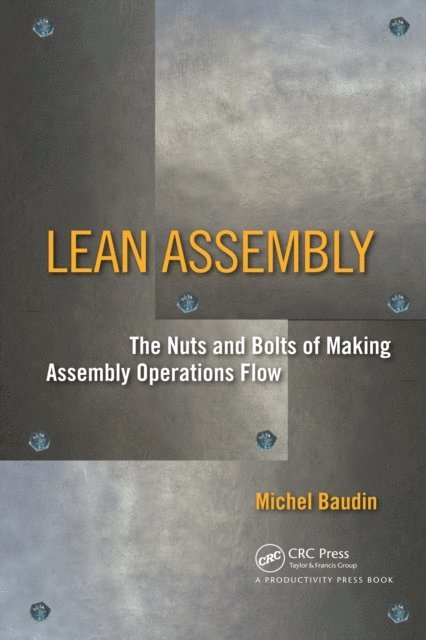
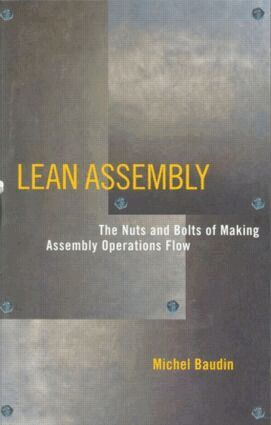
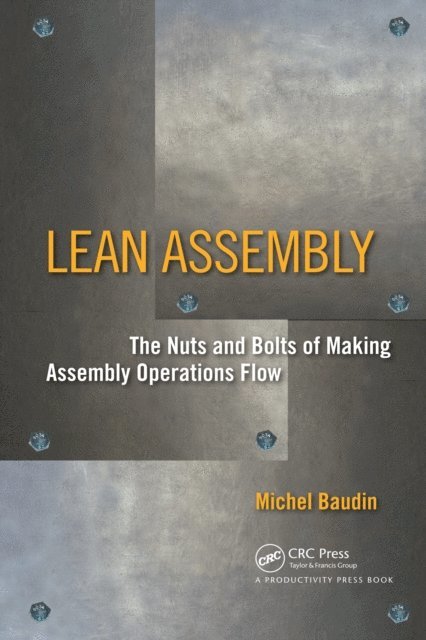
With examples drawn from aerospace, electronics, household appliance, personal products, and automotive industries, Lean Assembly covers the engineering of assembly operations through:
Characterizing the demand in terms of volume by product and product family, component consumption, seasonal variability and life cycle. Matching the physical structure of the shop floor to the demand with the goal of approaching takt-driven production as closely as possible. Working out the details of assembly tasks station by station, including station sizing, tooling, fixturing, operator instructions, part presentation, conveyance between stations, and the geometry of assembly lines as a whole. Incorporating mistake-proofing, successive inspection, and test operations for quality assurance.Lean Assembly differs from most other books on lean manufacturing in that it focuses on technical content as a driver for implementation methods. The emphasis is on exactly what should be done. This book should be the "dog-eared" and "penciled-in" resource on every assembly engineer''s desk.
- E-bokEngelska, 2007
1 191 kr
Läs direkt efter köp
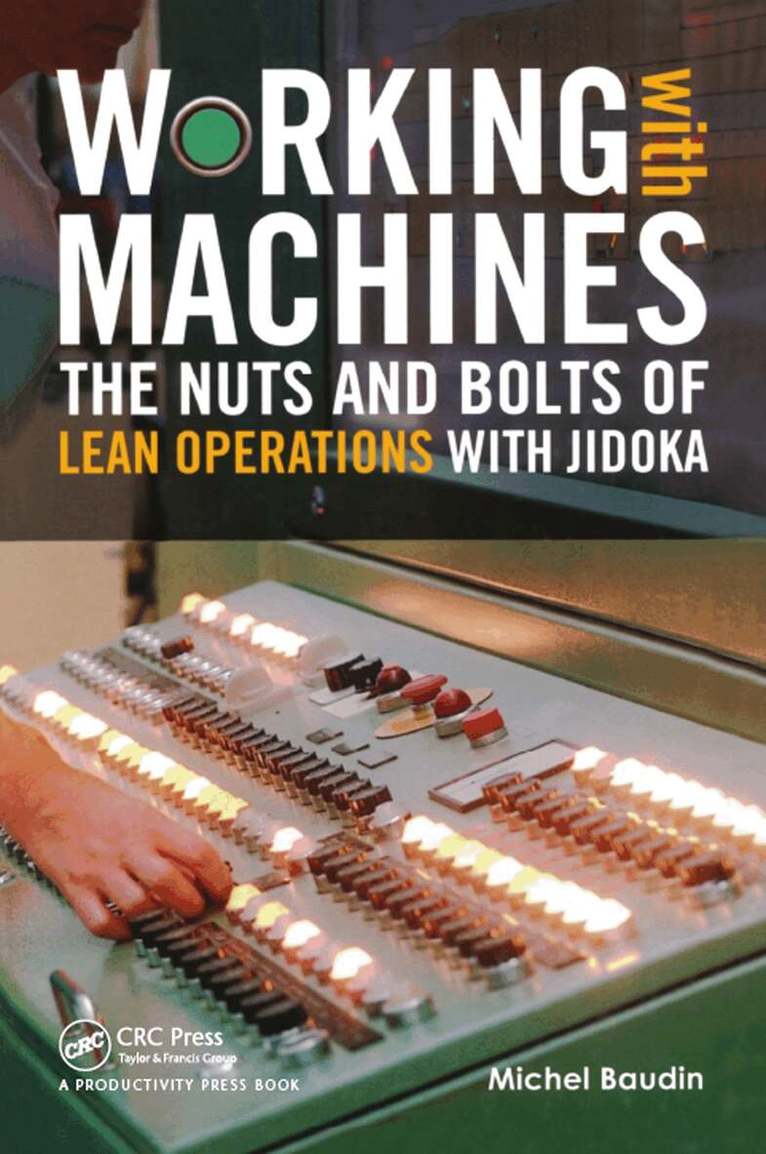
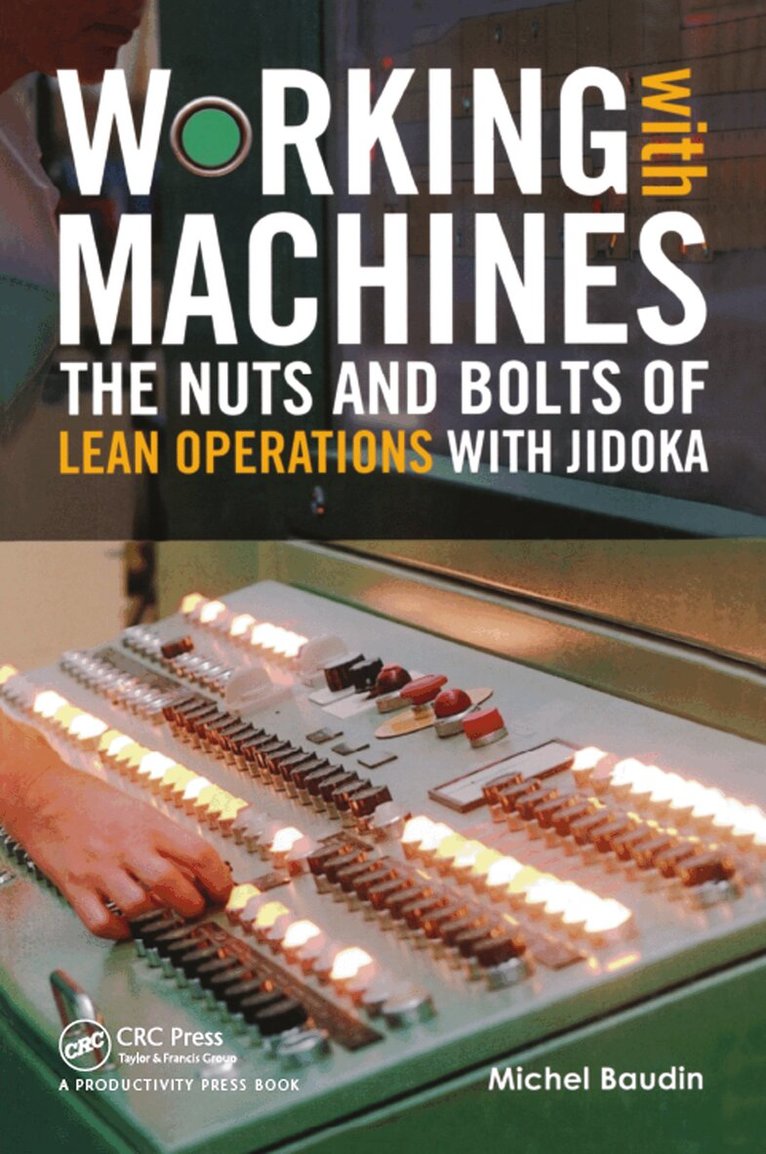
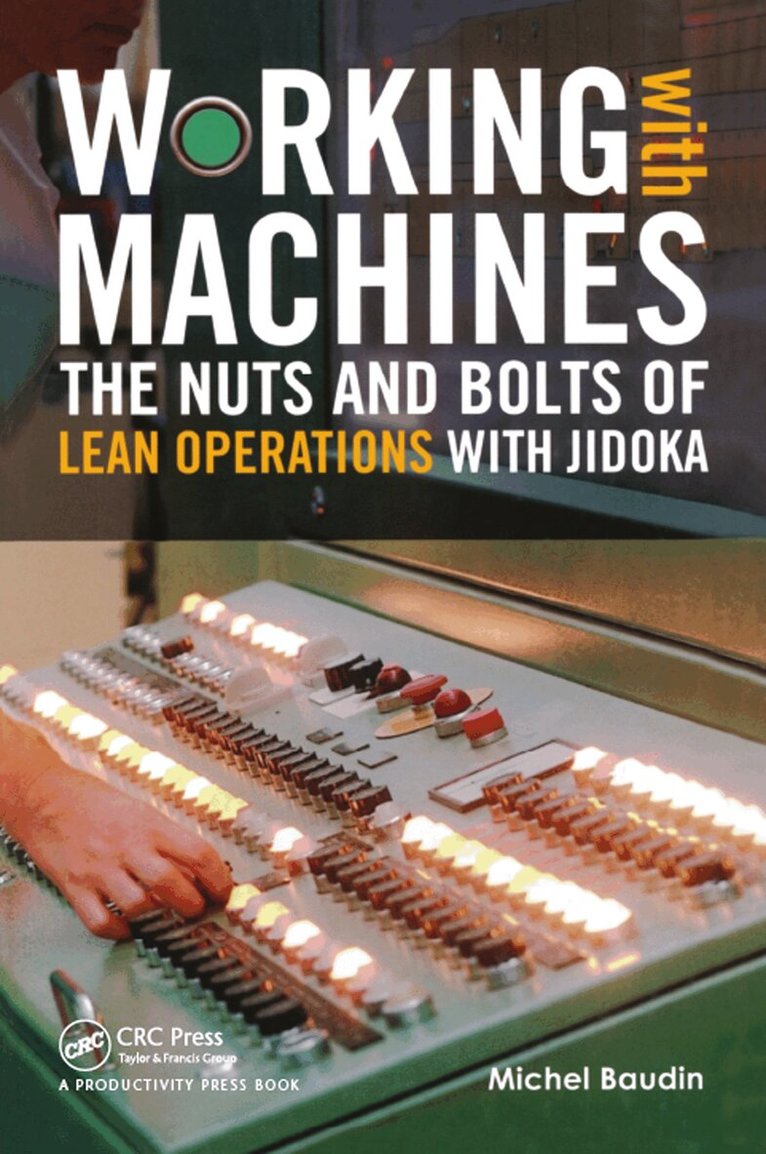
How do companies in high labor cost countries manage to remain competitive?In western manufacturing, the more manual a process, the more severe the competitive handicap of high wages. Full automation would make labor costs irrelevant but remain impractical in most industries. Most successful manufacturing processes in advanced economies are neither fully manual nor fully automatic -- they involve interactions between small numbers of highly skilled people and machines that account for the bulk of the manufacturing costs and thereby remain competitive. In Working with Machines: The Nuts and Bolts of Lean Operations With Jidoka, author Michel Baudin explains how performance differences that can be observed from one factory to the next are due to the way people use the machines -- from the human interfaces of individual machines to the linking of machines into cells, the management of monuments and common services, automation, maintenance, and production control. - E-bokEngelska, 2022
1 221 kr
Läs direkt efter köp
This Introduction to Manufacturing focuses students on the issues that matter to practicing industrial engineers and managers. It offers a systems perspective on designing, managing, and improving manufacturing operations. On each topic, it covers the key issues, with pointers on where to dig deeper.
Unlike the many textbooks on operations management, supply chain management, and process technology, this book weaves together these threads as they interact in manufacturing. It has five parts:
Getting to Know Manufacturing: Fundamental concepts of manufacturing as an economic activity, from manufacturing strategy to forecasting market demand Engineering the Factory: Physical design of factories and processes, the necessary infrastructure and technology for manufacturing Making Information Flow: The "central nervous system" that triggers and responds to events occurring in production Making Materials Flow: The logistics of manufacturing, from materials handling inside the factory via warehousing to supply chain management Enhancing Performance: Managing manufacturing performance and methods to maintain and improve it, both in times of normal operations and emergenciesSupported with rich illustrations and teaching aids, Introduction to Manufacturing is essential reading for industrial engineering and management students – of all ages and backgrounds – engaged in the vital task of making the things we all use.
- E-bokPDF, Engelska, 2022
1 221 kr
Läs direkt efter köp
This Introduction to Manufacturing focuses students on the issues that matter to practicing industrial engineers and managers. It offers a systems perspective on designing, managing, and improving manufacturing operations. On each topic, it covers the key issues, with pointers on where to dig deeper.
Unlike the many textbooks on operations management, supply chain management, and process technology, this book weaves together these threads as they interact in manufacturing. It has five parts:
Getting to Know Manufacturing: Fundamental concepts of manufacturing as an economic activity, from manufacturing strategy to forecasting market demand Engineering the Factory: Physical design of factories and processes, the necessary infrastructure and technology for manufacturing Making Information Flow: The "central nervous system" that triggers and responds to events occurring in production Making Materials Flow: The logistics of manufacturing, from materials handling inside the factory via warehousing to supply chain management Enhancing Performance: Managing manufacturing performance and methods to maintain and improve it, both in times of normal operations and emergenciesSupported with rich illustrations and teaching aids, Introduction to Manufacturing is essential reading for industrial engineering and management students – of all ages and backgrounds – engaged in the vital task of making the things we all use.
- E-bokPDF, Engelska, 2007
1 203 kr
Läs direkt efter köp
How do companies in high labor cost countries manage to remain competitive?In western manufacturing, the more manual a process, the more severe the competitive handicap of high wages. Full automation would make labor costs irrelevant but remain impractical in most industries. Most successful manufacturing processes in advanced economies are neither fully manual nor fully automatic -- they involve interactions between small numbers of highly skilled people and machines that account for the bulk of the manufacturing costs and thereby remain competitive. In Working with Machines: The Nuts and Bolts of Lean Operations With Jidoka, author Michel Baudin explains how performance differences that can be observed from one factory to the next are due to the way people use the machines -- from the human interfaces of individual machines to the linking of machines into cells, the management of monuments and common services, automation, maintenance, and production control. - E-bokPDF, Engelska, 2020
1 203 kr
Läs direkt efter köp
With examples drawn from aerospace, electronics, household appliance, personal products, and automotive industries, Lean Assembly covers the engineering of assembly operations through:
Characterizing the demand in terms of volume by product and product family, component consumption, seasonal variability and life cycle. Matching the physical structure of the shop floor to the demand with the goal of approaching takt-driven production as closely as possible. Working out the details of assembly tasks station by station, including station sizing, tooling, fixturing, operator instructions, part presentation, conveyance between stations, and the geometry of assembly lines as a whole. Incorporating mistake-proofing, successive inspection, and test operations for quality assurance.Lean Assembly differs from most other books on lean manufacturing in that it focuses on technical content as a driver for implementation methods. The emphasis is on exactly what should be done. This book should be the "dog-eared" and "penciled-in" resource on every assembly engineer''s desk.
- Inbunden, Engelska, 2002
1 248 kr
Skickas inom 10-15 vardagar
With examples drawn from aerospace, electronics, household appliance, personal products, and automotive industries, Lean Assembly covers the engineering of assembly operations through:Characterizing the demand in terms of volume by product and product family, component consumption, seasonal variability and life cycle.Matching the physical structure of the shop floor to the demand with the goal of approaching takt-driven production as closely as possible.Working out the details of assembly tasks station by station, including station sizing, tooling, fixturing, operator instructions, part presentation, conveyance between stations, and the geometry of assembly lines as a whole.Incorporating mistake-proofing, successive inspection, and test operations for quality assurance.Lean Assembly differs from most other books on lean manufacturing in that it focuses on technical content as a driver for implementation methods. The emphasis is on exactly what should be done. This book should be the "dog-eared" and "penciled-in" resource on every assembly engineer's desk. - Inbunden, Engelska, 2005
1 248 kr
Skickas inom 10-15 vardagar
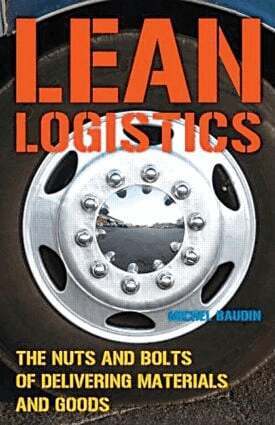
Are your warehouses full while production is stopped by shortages? Do your customers complain that your lead times are too long and deliveries too late? Lean Logistics: The Nuts and Bolts of Delivering Materials and Goods by Michel Baudin helps you determine whether you have the right supply to meet your customers’ demands, as well as the ability to organize and deliver that supply. In this cutting edge work, Baudin addresses the physical infrastructure of lean logistics and the flow of information that composes its nervous system. He demonstrates the methods that will allow you to avoid shortages while maintaining low inventories, while showing you how to take advantage of the increased capacity and flexibility generated through lean manufacturing. This book picks up where the Baudin’s previous book, Lean Assembly, left off. - Inbunden, Engelska, 2007
1 211 kr
Skickas inom 10-15 vardagar
How do companies in high labor cost countries manage to remain competitive?In western manufacturing, the more manual a process, the more severe the competitive handicap of high wages. Full automation would make labor costs irrelevant but remain impractical in most industries. Most successful manufacturing processes in advanced economies are neither fully manual nor fully automatic -- they involve interactions between small numbers of highly skilled people and machines that account for the bulk of the manufacturing costs and thereby remain competitive. In Working with Machines: The Nuts and Bolts of Lean Operations With Jidoka, author Michel Baudin explains how performance differences that can be observed from one factory to the next are due to the way people use the machines -- from the human interfaces of individual machines to the linking of machines into cells, the management of monuments and common services, automation, maintenance, and production control.