Michele Di Donato – författare
Visar alla böcker från författaren Michele Di Donato. Handla med fri frakt och snabb leverans.
8 produkter
8 produkter
Inbunden, Engelska, 2023
1 296 kr
Skickas inom 10-15 vardagar
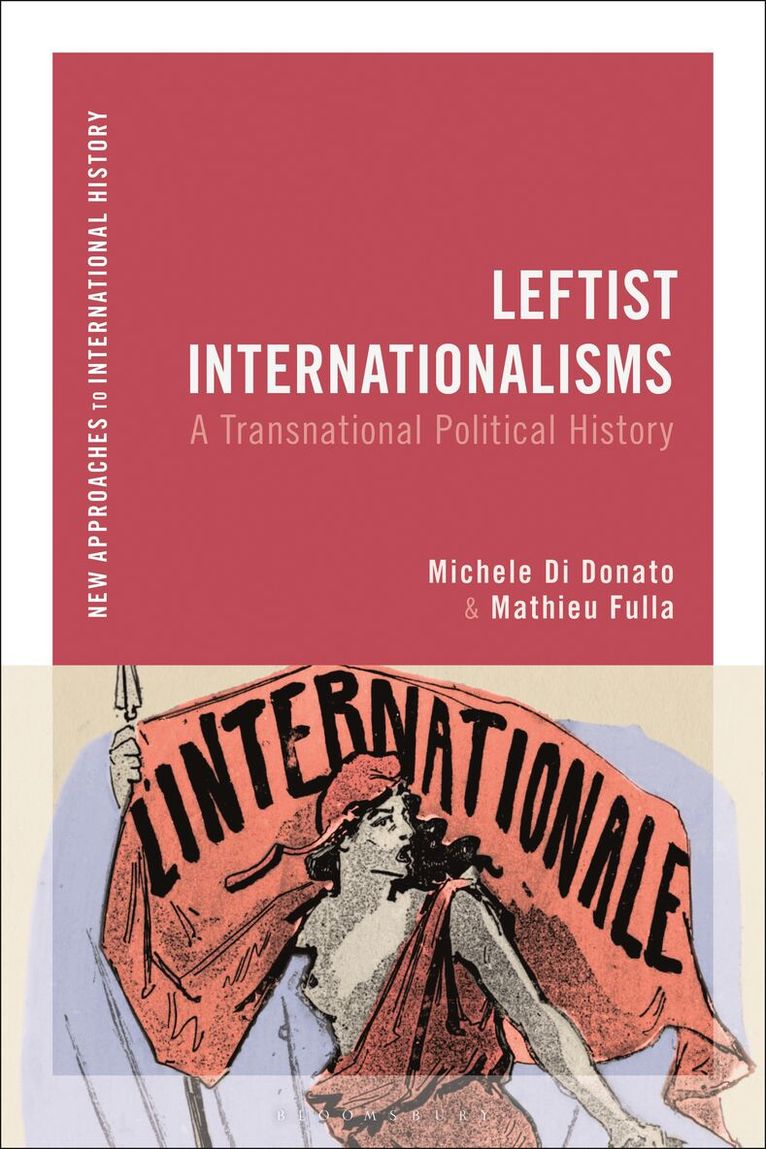
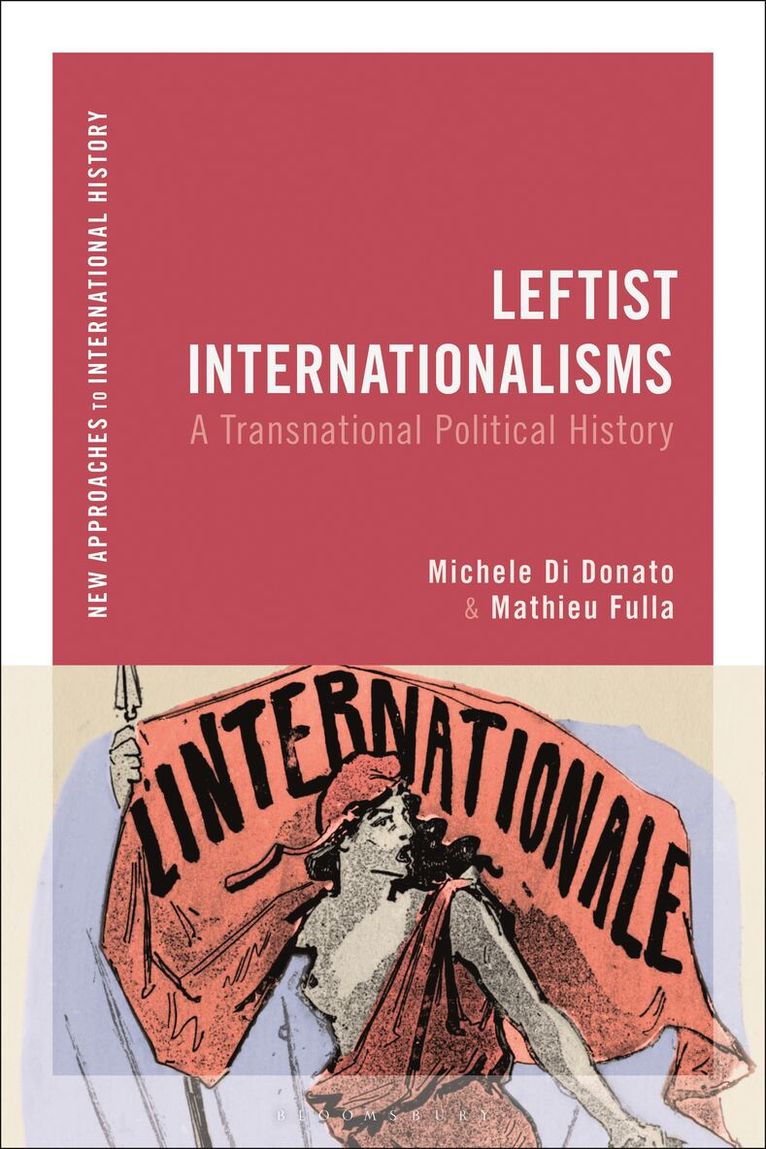
This volume offers a new perspective on the political history of the socialist, communist and alternative political Lefts, focusing on the role of networks and transnational connections. Embedding the history of left-wing internationalism into a new political history approach, it accounts for global and transnational turns in the study of left-wing politics. The essays in this collection study a range of examples of international engagement and transnational cooperation in which left-wing actors were involved, and explore how these interactions shaped the globalization of politics throughout the 20th century. In taking a multi-archival and methodological approach, this book challenges two conventional views - that the left gradually abandoned its original international to focus exclusively on the national framework, and that internationalism survived merely as a rhetorical device. Instead, this collection highlights how different currents of the Left developed their own versions of internationalism in order to adapt to the transformation of politics in the interdependent 20th-century world. Demonstrating the importance of political convergence, alliance-formation, network construction and knowledge circulation within and between the socialist and communist movements, it shows that the influence of internationalism is central to understanding the foreign policy of various left-wing parties and movements.
E-bok
PDF, Engelska, 2023468 kr
Läs direkt efter köp
This volume offers a new perspective on the political history of the socialist, communist and alternative political Lefts, focusing on the role of networks and transnational connections. Embedding the history of left-wing internationalism into a new political history approach, it accounts for global and transnational turns in the study of left-wing politics. The essays in this collection study a range of examples of international engagement and transnational cooperation in which left-wing actors were involved, and explore how these interactions shaped the globalization of politics throughout the 20th century. In taking a multi-archival and methodological approach, this book challenges two conventional views - that the left gradually abandoned its original international to focus exclusively on the national framework, and that internationalism survived merely as a rhetorical device. Instead, this collection highlights how different currents of the Left developed their own versions of internationalism in order to adapt to the transformation of politics in the interdependent 20th-century world. Demonstrating the importance of political convergence, alliance-formation, network construction and knowledge circulation within and between the socialist and communist movements, it shows that the influence of internationalism is central to understanding the foreign policy of various left-wing parties and movements.
E-bok
Engelska, 2023468 kr
Läs direkt efter köp
This volume offers a new perspective on the political history of the socialist, communist and alternative political Lefts, focusing on the role of networks and transnational connections. Embedding the history of left-wing internationalism into a new political history approach, it accounts for global and transnational turns in the study of left-wing politics. The essays in this collection study a range of examples of international engagement and transnational cooperation in which left-wing actors were involved, and explore how these interactions shaped the globalization of politics throughout the 20th century. In taking a multi-archival and methodological approach, this book challenges two conventional views - that the left gradually abandoned its original international to focus exclusively on the national framework, and that internationalism survived merely as a rhetorical device. Instead, this collection highlights how different currents of the Left developed their own versions of internationalism in order to adapt to the transformation of politics in the interdependent 20th-century world. Demonstrating the importance of political convergence, alliance-formation, network construction and knowledge circulation within and between the socialist and communist movements, it shows that the influence of internationalism is central to understanding the foreign policy of various left-wing parties and movements.
Häftad, Engelska, 2024
437 kr
Skickas inom 10-15 vardagar
This volume offers a new perspective on the political history of the socialist, communist and alternative political Lefts, focusing on the role of networks and transnational connections. Embedding the history of left-wing internationalism into a new political history approach, it accounts for global and transnational turns in the study of left-wing politics. The essays in this collection study a range of examples of international engagement and transnational cooperation in which left-wing actors were involved, and explore how these interactions shaped the globalization of politics throughout the 20th century. In taking a multi-archival and methodological approach, this book challenges two conventional views - that the left gradually abandoned its original international to focus exclusively on the national framework, and that internationalism survived merely as a rhetorical device. Instead, this collection highlights how different currents of the Left developed their own versions of internationalism in order to adapt to the transformation of politics in the interdependent 20th-century world. Demonstrating the importance of political convergence, alliance-formation, network construction and knowledge circulation within and between the socialist and communist movements, it shows that the influence of internationalism is central to understanding the foreign policy of various left-wing parties and movements.
Inbunden, Engelska, 2022
1 671 kr
Skickas inom 10-15 vardagar
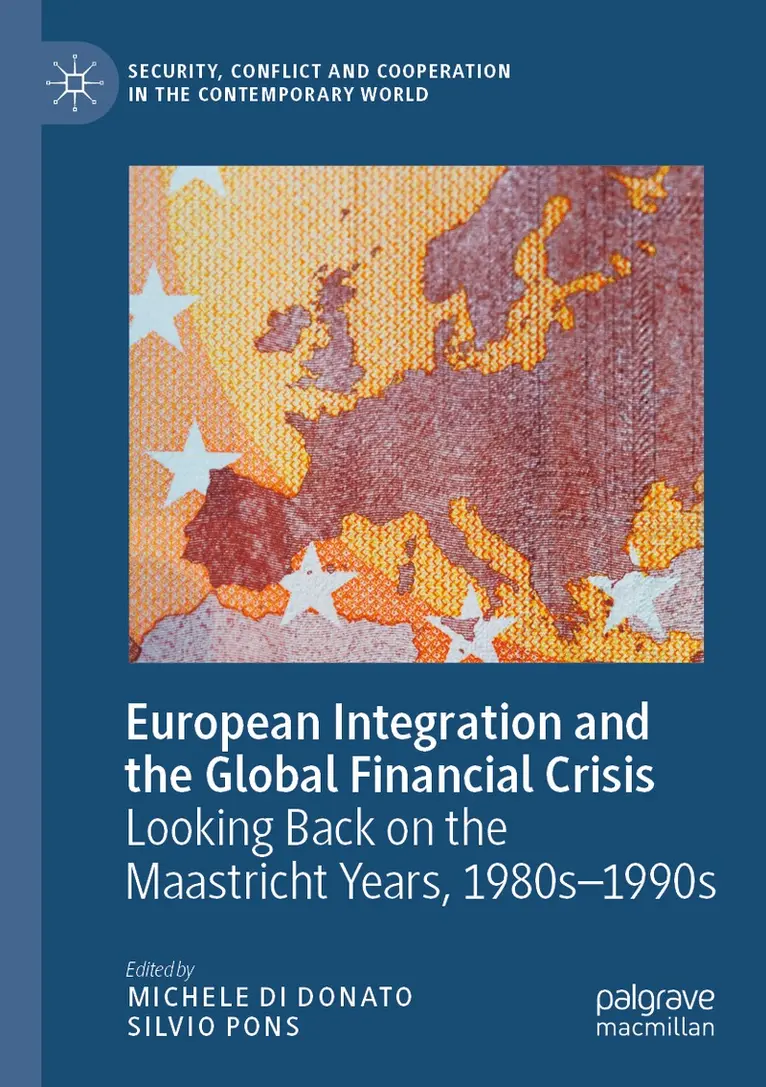
Offering a fresh take on a crucial phase of European history, this book explores the years between the 1980s and 1990s when the European Union took shape. Whilst contributing to existing literature on the Maastricht Treaty and European integration at the end of the twentieth century, the book also brings those debates into the twenty-first century and makes connections with longer-term issues. The transformation of the European political climate in the wake of the global financial crisis in 2008, and the watershed Brexit vote in 2016, has made it all the more urgent to reconsider the way scholars and opinion-makers have looked at European integration in the past. Drawing from recently released archival documents, the authors analyse European cooperation as part of the broader international history in which it unfolded, taking into account the changes in the Cold War order and the advance of a new phase of globalisation. Comparing and contrasting the debates, objectives and achievementsof the 1980s and 1990s with the current political landscape of the European Union, this book proposes a novel interpretation of the choices that were made during the Maastricht years, and of their longer-term consequences.
E-bok
Engelska, 20222 110 kr
Läs direkt efter köp
Offering a fresh take on a crucial phase of European history, this book explores the years between the 1980s and 1990s when the European Union took shape. Whilst contributing to existing literature on the Maastricht Treaty and European integration at the end of the twentieth century, the book also brings those debates into the twenty-first century and makes connections with longer-term issues. The transformation of the European political climate in the wake of the global financial crisis in 2008, and the watershed Brexit vote in 2016, has made it all the more urgent to reconsider the way scholars and opinion-makers have looked at European integration in the past. Drawing from recently released archival documents, the authors analyse European cooperation as part of the broader international history in which it unfolded, taking into account the changes in the Cold War order and the advance of a new phase of globalisation. Comparing and contrasting the debates, objectives and achievementsof the 1980s and 1990s with the current political landscape of the European Union, this book proposes a novel interpretation of the choices that were made during the Maastricht years, and of their longer-term consequences.
Häftad, Engelska, 2022
667 kr
Skickas inom 5-8 vardagar
Häftad, Engelska, 2023
1 671 kr
Skickas inom 10-15 vardagar
Offering a fresh take on a crucial phase of European history, this book explores the years between the 1980s and 1990s when the European Union took shape. Whilst contributing to existing literature on the Maastricht Treaty and European integration at the end of the twentieth century, the book also brings those debates into the twenty-first century and makes connections with longer-term issues. The transformation of the European political climate in the wake of the global financial crisis in 2008, and the watershed Brexit vote in 2016, has made it all the more urgent to reconsider the way scholars and opinion-makers have looked at European integration in the past. Drawing from recently released archival documents, the authors analyse European cooperation as part of the broader international history in which it unfolded, taking into account the changes in the Cold War order and the advance of a new phase of globalisation. Comparing and contrasting the debates, objectives and achievementsof the 1980s and 1990s with the current political landscape of the European Union, this book proposes a novel interpretation of the choices that were made during the Maastricht years, and of their longer-term consequences.