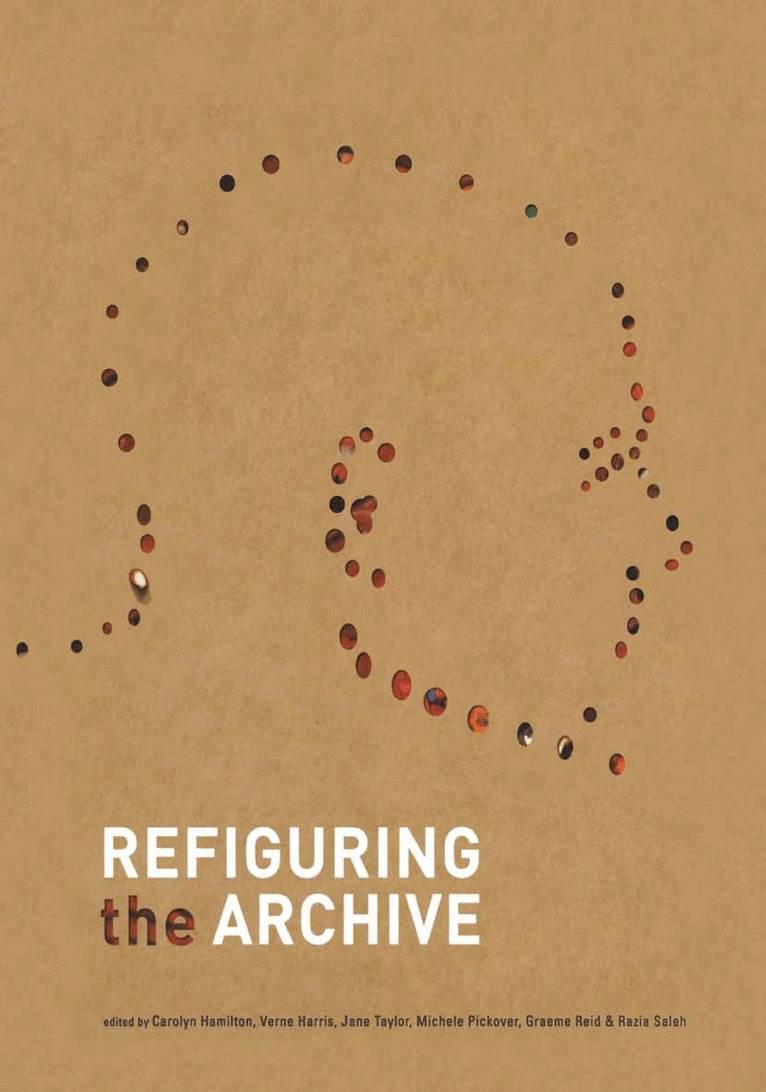
Refiguring the Archive at once expresses cutting-edge debates on `the archive' in South Africa and internationally, and pushes the boundaries of those debates. It brings together prominent thinkers from a range of disciplines, mainly South Africans but a number from other countries. Traditionally archives have been seen as preserving memory and as holding the past. The contributors to this book question this orthodoxy, unfolding the ways in which archives construct, sanctify, and bury pasts. In his contribution, Jacques Derrida (an instantly recognisable name in intellectual discourse worldwide) shows how remembering can never be separated from forgetting, and argues that the archive is about the future rather than the past. Collectively the contributors demonstrate the degree to which thinking about archives is embracing new realities and new possibilities. The book expresses a confidence in claiming for archival discourse previously unentered terrains. It serves as an early manual for a time that has already begun.
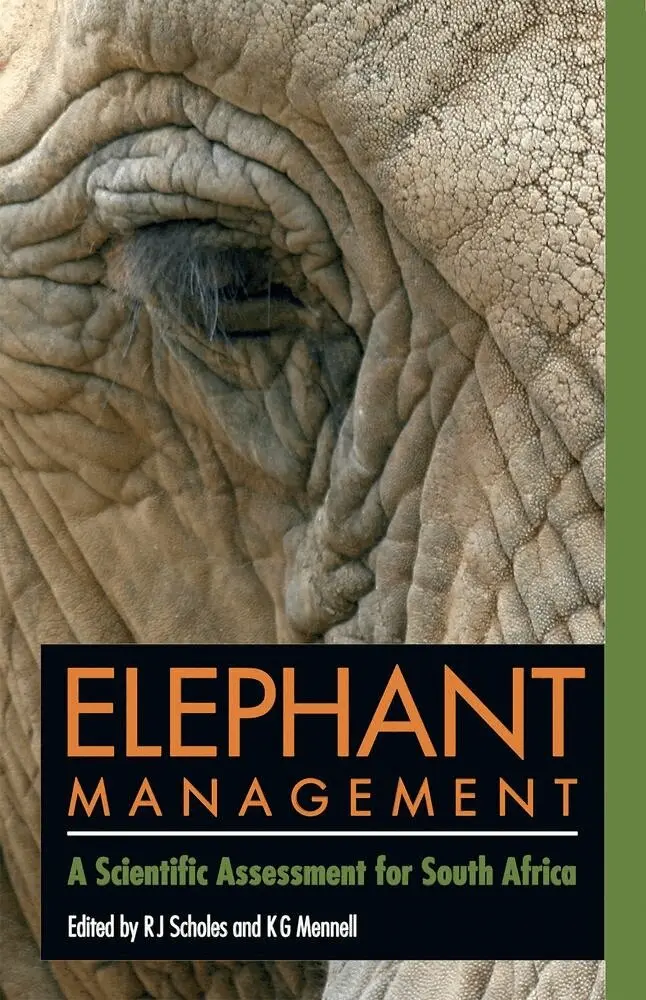
Elephants are among the most magnificent – but also most problematic –members of South Africa's wildlife population. While they are sought after by South African and foreign tourists alike, they also have a major impact on their environment. As a result, elephant management has become a highly complex and often controversial discipline. The information needed to underpin vital decisions about elephant management has largely been unavailable to decision-makers, contested by experts, or simply unknown. As a result, the South African Minister for Environmental Affairs and Tourism convened a round table to advise him on this issue. The round table recommended that a scientific assessment of elephant management be undertaken to gather, evaluate, and present all the relevant information on this topic. Its main findings and recommendations are contained in this volume. Elephant Management is the first book of its kind, combining the work of more than 60 national and international experts. Extensively reviewed by policy-makers and other stakeholders, it is the most systematic and comprehensive review of savanna elephant populations and factors relevant to managing them to date. As such it is of interest to a broad spectrum of readers in South Africa and elsewhere. Above all, it is aimed at helping conservation policy-makers and practitioners to choose the best possible options for the sustainable preservation of these iconic animals.
Refiguring the Archive at once expresses cutting-edge debates on `the archive'' in South Africa and internationally, and pushes the boundaries of those debates. It brings together prominent thinkers from a range of disciplines, mainly South Africans but a number from other countries. Traditionally archives have been seen as preserving memory and as holding the past. The contributors to this book question this orthodoxy, unfolding the ways in which archives construct, sanctify, and bury pasts. In his contribution, Jacques Derrida (an instantly recognisable name in intellectual discourse worldwide) shows how remembering can never be separated from forgetting, and argues that the archive is about the future rather than the past. Collectively the contributors demonstrate the degree to which thinking about archives is embracing new realities and new possibilities. The book expresses a confidence in claiming for archival discourse previously unentered terrains. It serves as an early manual for a time that has already begun.
Refiguring the Archive at once expresses cutting-edge debates on `the archive' in South Africa and internationally, and pushes the boundaries of those debates. It brings together prominent thinkers from a range of disciplines, mainly South Africans but a number from other countries. Traditionally archives have been seen as preserving memory and as holding the past. The contributors to this book question this orthodoxy, unfolding the ways in which archives construct, sanctify, and bury pasts. In his contribution, Jacques Derrida (an instantly recognisable name in intellectual discourse worldwide) shows how remembering can never be separated from forgetting, and argues that the archive is about the future rather than the past. Collectively the contributors demonstrate the degree to which thinking about archives is embracing new realities and new possibilities. The book expresses a confidence in claiming for archival discourse previously unentered terrains. It serves as an early manual for a time that has already begun.