Michelle Facos – författare
2 250 kr
Skickas inom 10-15 vardagar
774 kr
Skickas inom 10-15 vardagar
305 kr
Skickas inom 5-8 vardagar
2 851 kr
Läs direkt efter köp
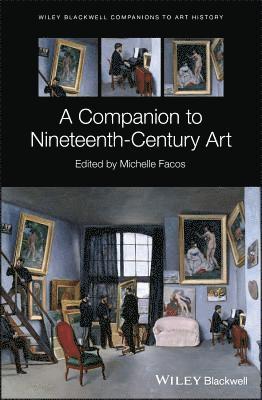
A comprehensive review of art in the first truly modern century
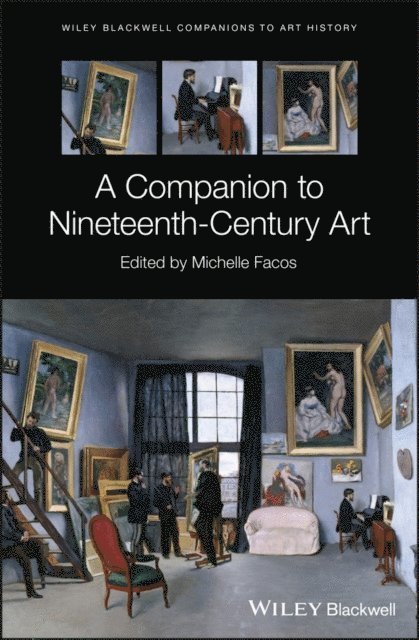
A Companion to Nineteenth-Century Art contains contributions from an international panel of noted experts to offer a broad overview of both national and transnational developments, as well as new and innovative investigations of individual art works, artists, and issues. The text puts to rest the skewed perception of nineteenth-century art as primarily Paris-centric by including major developments beyond the French borders. The contributors present a more holistic and nuanced understanding of the art world during this first modern century.
In addition to highlighting particular national identities of artists, A Companion to Nineteenth-Century Art also puts the focus on other aspects of identity including individual, ethnic, gender, and religious. The text explores a wealth of relevant topics such as: the challenges the artists faced; how artists learned their craft and how they met clients; the circumstances that affected artist’s choices and the opportunities they encountered; and where the public and critics experienced art. This important text:
Offers a comprehensive review of nineteenth-century art that covers the most pressing issues and significant artists of the era Covers a wealth of important topics such as: ethnic and gender identity, certain general trends in the nineteenth century, an overview of the art market during the period, and much more Presents novel and valuable insights into familiar works and their artistsWritten for students of art history and those studying the history of the nineteenth century, A Companion to Nineteenth-Century Art offers a comprehensive review of the first modern era art with contributions from noted experts in the field.
2 851 kr
Läs direkt efter köp
A comprehensive review of art in the first truly modern century
A Companion to Nineteenth-Century Art contains contributions from an international panel of noted experts to offer a broad overview of both national and transnational developments, as well as new and innovative investigations of individual art works, artists, and issues. The text puts to rest the skewed perception of nineteenth-century art as primarily Paris-centric by including major developments beyond the French borders. The contributors present a more holistic and nuanced understanding of the art world during this first modern century.
In addition to highlighting particular national identities of artists, A Companion to Nineteenth-Century Art also puts the focus on other aspects of identity including individual, ethnic, gender, and religious. The text explores a wealth of relevant topics such as: the challenges the artists faced; how artists learned their craft and how they met clients; the circumstances that affected artist’s choices and the opportunities they encountered; and where the public and critics experienced art. This important text:
Offers a comprehensive review of nineteenth-century art that covers the most pressing issues and significant artists of the era Covers a wealth of important topics such as: ethnic and gender identity, certain general trends in the nineteenth century, an overview of the art market during the period, and much more Presents novel and valuable insights into familiar works and their artistsWritten for students of art history and those studying the history of the nineteenth century, A Companion to Nineteenth-Century Art offers a comprehensive review of the first modern era art with contributions from noted experts in the field.
2 444 kr
Skickas inom 5-8 vardagar
918 kr
Läs direkt efter köp
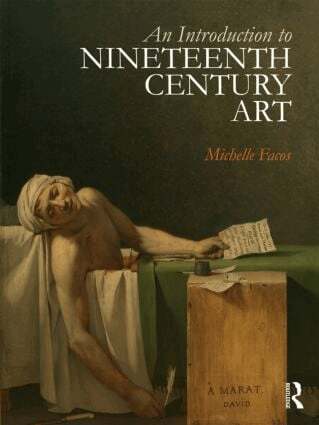
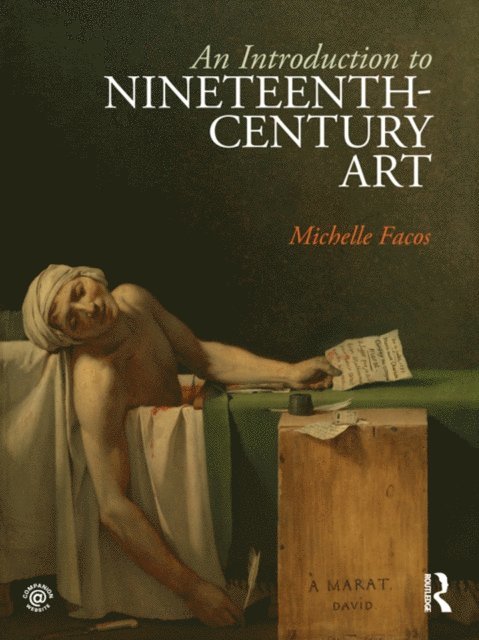
Using the tools of the "new" art history (feminism, Marxism, social context, etc.) An Introduction to Nineteenth-Century Art offers a richly textured, yet clear and logical, introduction to nineteenth-century art and culture. This textbook will provide readers with a basic historical framework of the period and the critical tools for interpreting and situating new and unfamiliar works of art.
Michelle Facos goes beyond existing histories of nineteenth-century art, which often focus solely on France, Britain, and the United States, to incorporate artists and artworks from Scandinavia, Germany, and Eastern Europe.
The book expertly balances its coverage of trends and individual artworks: where the salient trends are clear, trend-setting works are highlighted, and the complexity of the period is respected by situating all works in their proper social and historical context. In this way, the student reader achieves a more nuanced understanding of the way in which the story of nineteenth-century art is the story of the ways in which artists and society grappled with the problem of modernity.
Key pedagogical features include:
Data boxes provide statistics, timelines, charts, and historical information about the period to further situate artworks.
Text boxes highlight extracts from original sources, citing the ideas of artists and their contemporaries, including historians, philosophers, critics, and theorists, to place artists and works in the broader context of aesthetic, cultural, intellectual, social, and political conditions in which artists were working.
Beautifully illustrated with over 250 color images.
Margin notes and glossary definitions.
Online resources at www.routledge.com/textbooks/facos with access to a wealth of information, including original documents pertaining to artworks discussed in the textbook, contemporary criticism, timelines and maps to enrich your understanding of the period and allow for further comparison and exploration.
Chapters take a thematic approach combined within an overarching chronology and more detailed discussions of individual works are always put in the context of the broader social picture, thus providing students with a sense of art history as a controversial and alive arena of study.
Michelle Facos teaches art history at Indiana University, Bloomington. Her research explores the changing relationship between artists and society since the Enlightenment and issues of identity. Prior publications include Nationalism and the Nordic Imagination: Swedish Painting of the 1890s (1998), Art, Culture and National Identity in Fin-de-Siècle Europe, co-edited with Sharon Hirsh (2003), and Symbolist Art in Context (2009).
918 kr
Läs direkt efter köp
Using the tools of the "new" art history (feminism, Marxism, social context, etc.) An Introduction to Nineteenth-Century Art offers a richly textured, yet clear and logical, introduction to nineteenth-century art and culture. This textbook will provide readers with a basic historical framework of the period and the critical tools for interpreting and situating new and unfamiliar works of art.
Michelle Facos goes beyond existing histories of nineteenth-century art, which often focus solely on France, Britain, and the United States, to incorporate artists and artworks from Scandinavia, Germany, and Eastern Europe.
The book expertly balances its coverage of trends and individual artworks: where the salient trends are clear, trend-setting works are highlighted, and the complexity of the period is respected by situating all works in their proper social and historical context. In this way, the student reader achieves a more nuanced understanding of the way in which the story of nineteenth-century art is the story of the ways in which artists and society grappled with the problem of modernity.
Key pedagogical features include:
Data boxes provide statistics, timelines, charts, and historical information about the period to further situate artworks.
Text boxes highlight extracts from original sources, citing the ideas of artists and their contemporaries, including historians, philosophers, critics, and theorists, to place artists and works in the broader context of aesthetic, cultural, intellectual, social, and political conditions in which artists were working.
Beautifully illustrated with over 250 color images.
Margin notes and glossary definitions.
Online resources at www.routledge.com/textbooks/facos with access to a wealth of information, including original documents pertaining to artworks discussed in the textbook, contemporary criticism, timelines and maps to enrich your understanding of the period and allow for further comparison and exploration.
Chapters take a thematic approach combined within an overarching chronology and more detailed discussions of individual works are always put in the context of the broader social picture, thus providing students with a sense of art history as a controversial and alive arena of study.
Michelle Facos teaches art history at Indiana University, Bloomington. Her research explores the changing relationship between artists and society since the Enlightenment and issues of identity. Prior publications include Nationalism and the Nordic Imagination: Swedish Painting of the 1890s (1998), Art, Culture and National Identity in Fin-de-Siècle Europe, co-edited with Sharon Hirsh (2003), and Symbolist Art in Context (2009).
762 kr
Skickas inom 10-15 vardagar
2 259 kr
Skickas inom 10-15 vardagar
496 kr
Skickas inom 7-10 vardagar
229 kr
Skickas inom 5-8 vardagar
703 kr
Tillfälligt slut
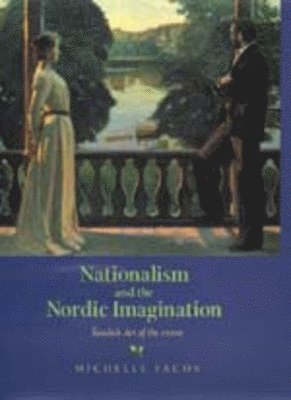
This richly illustrated book is a lucid introduction to a largely neglected manifestation of Modernism that came out of fin-de-siecle Sweden. Michelle Facos presents the first study in English to seriously examine the movement known as Swedish National Romanticism. Her work is especially valuable in showing how the movement's primitivist tendencies were related to, but different from, similar cultural forces in Germany and other parts of Europe at that time. Facos shows how a small group of Swedish artists espoused a politically progressive, culturally conservative form of nationalism. These artists - among them Carl Larsson, Bruno Liljefors, and Hanna Hirsch Pauli - produced a specifically national Swedish art by focusing on indigenous history, legends, and folk tales as well as uniquely Swedish-Nordic values, geography, and ethnography. Their breathtaking images of the Nordic landscape shaped a communal 'Folk' identity that accented regionalism, solidarity, and attachment to the past and protested against the perceived dangers of capitalist industrialism and urban expansion. By 1900 Sweden was on its way to realizing a society of social, economic, and political equality, and the National Romantic painters were no longer renegades. Facos' portrayal of their movement will attract readers in the arts, historians, folklorists, cultural anthropologists, and sociologists.