
Michelle H. Raheja – författare
Visar alla böcker från författaren . Handla med fri frakt och snabb leverans.
3 produkter
3 produkter
Inbunden, Engelska, 2011
558 kr
Skickas inom 10-15 vardagar
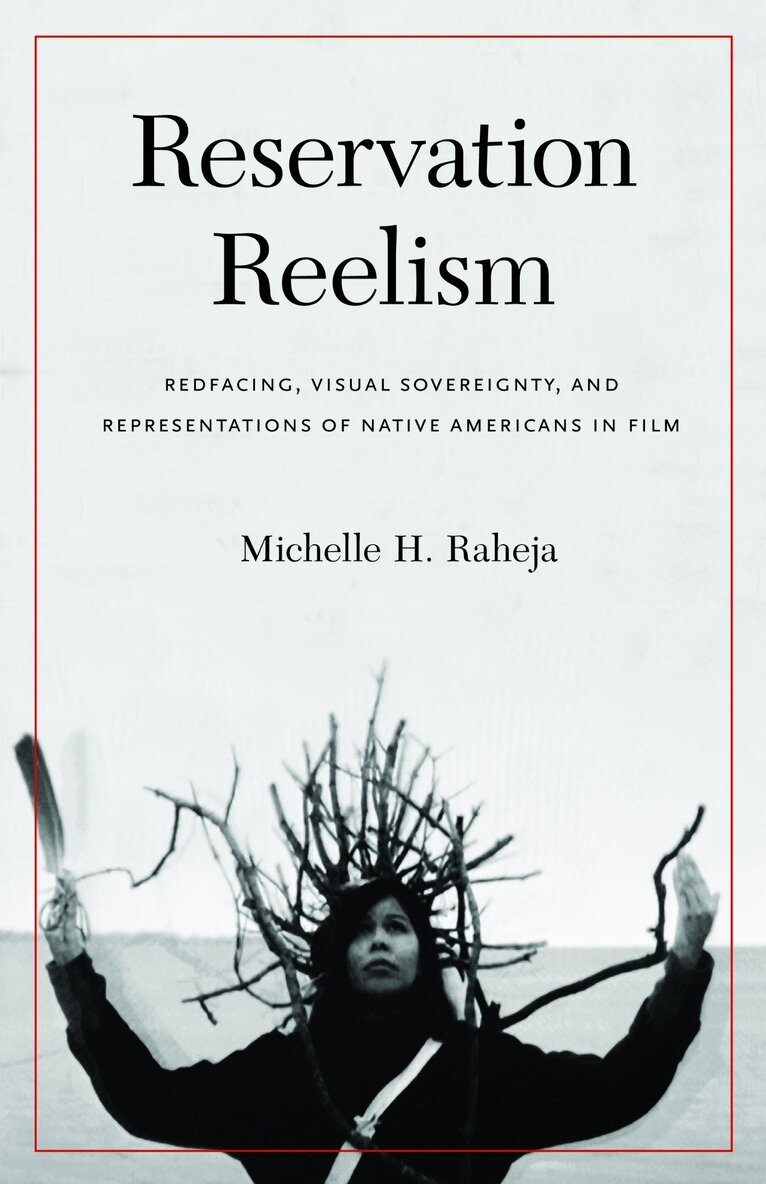
In this deeply engaging account Michelle H. Raheja offers the first book-length study of the Indigenous actors, directors, and spectators who helped shape Hollywood's representation of Indigenous peoples. Since the era of silent films, Hollywood movies and visual culture generally have provided the primary representational field on which Indigenous images have been displayed to non-Native audiences. These films have been highly influential in shaping perceptions of Indigenous peoples as, for example, a dying race or as inherently unable or unwilling to adapt to change. However, films with Indigenous plots and subplots also signify at least some degree of Native presence in a culture that largely defines Native peoples as absent or separate. Native actors, directors, and spectators have had a part in creating these cinematic representations and have thus complicated the dominant, and usually negative, messages about Native peoples that films portray. In Reservation Reelism Raheja examines the history of these Native actors, directors, and spectators, reveals their contributions, and attempts to create positive representations in film that reflect the complex and vibrant experiences of Native peoples and communities.
Häftad, Engelska, 2013
324 kr
Skickas inom 10-15 vardagar
In this deeply engaging account Michelle H. Raheja offers the first book-length study of the Indigenous actors, directors, and spectators who helped shape Hollywood's representation of Indigenous peoples. Since the era of silent films, Hollywood movies and visual culture generally have provided the primary representational field on which Indigenous images have been displayed to non-Native audiences. These films have been highly influential in shaping perceptions of Indigenous peoples as, for example, a dying race or as inherently unable or unwilling to adapt to change. However, films with Indigenous plots and subplots also signify at least some degree of Native presence in a culture that largely defines Native peoples as absent or separate. Native actors, directors, and spectators have had a part in creating these cinematic representations and have thus complicated the dominant, and usually negative, messages about Native peoples that films portray. In Reservation Reelism Raheja examines the history of these Native actors, directors, and spectators, reveals their contributions, and attempts to create positive representations in film that reflect the complex and vibrant experiences of Native peoples and communities.
Häftad, Engelska, 2026
332 kr
Kommande
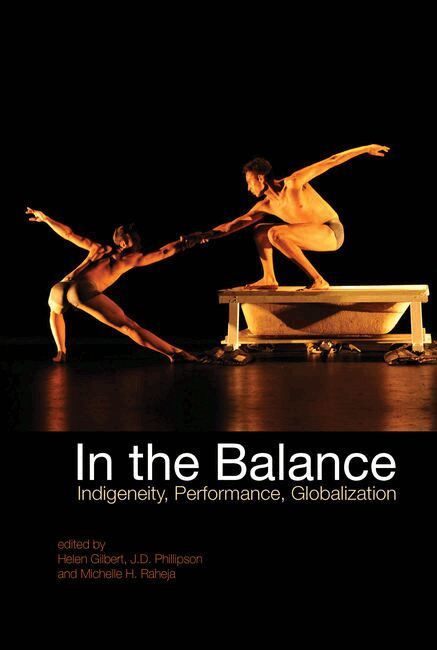
An Open Access edition of this book will be made available on publication.Indigenous arts, simultaneously attuned to local voices and global cultural flows, have often been the vanguard in communicating what is at stake in the interactions, contradictions, disjunctions, opportunities, exclusions, injustices and aspirations that globalization entails. Focusing specifically on embodied arts and activism, this interdisciplinary volume offers vital new perspectives on the power and precariousness of indigeneity as a politicized cultural force in our unevenly connected world. Twenty-three distinct voices speak to the growing visibility of indigenous peoples’ performance on a global scale over recent decades, drawing specific examples from the Americas, Australia, the Pacific, Scandinavia and South Africa. An ethical touchstone in some arenas and a thorny complication in others, indigeneity is now belatedly recognised as mattering in global debates about natural resources, heritage, governance, belonging and social justice, to name just some of the contentious issues that continue to stall the unfinished business of decolonization. To explore this critical terrain, the essays and images gathered here range in subject from independent film, musical production, endurance art and the performative turn in exhibition and repatriation practices to the appropriation of hip-hop, karaoke and reality TV. Collectively, they urge a fresh look at mechanisms of postcolonial entanglement in the early 21st century as well as the particular rights and insights afforded by indigeneity in that process.