Michelle Moon - Böcker
Visar alla böcker från författaren Michelle Moon. Handla med fri frakt och snabb leverans.
4 produkter
4 produkter
1 108 kr
Skickas inom 10-15 vardagar
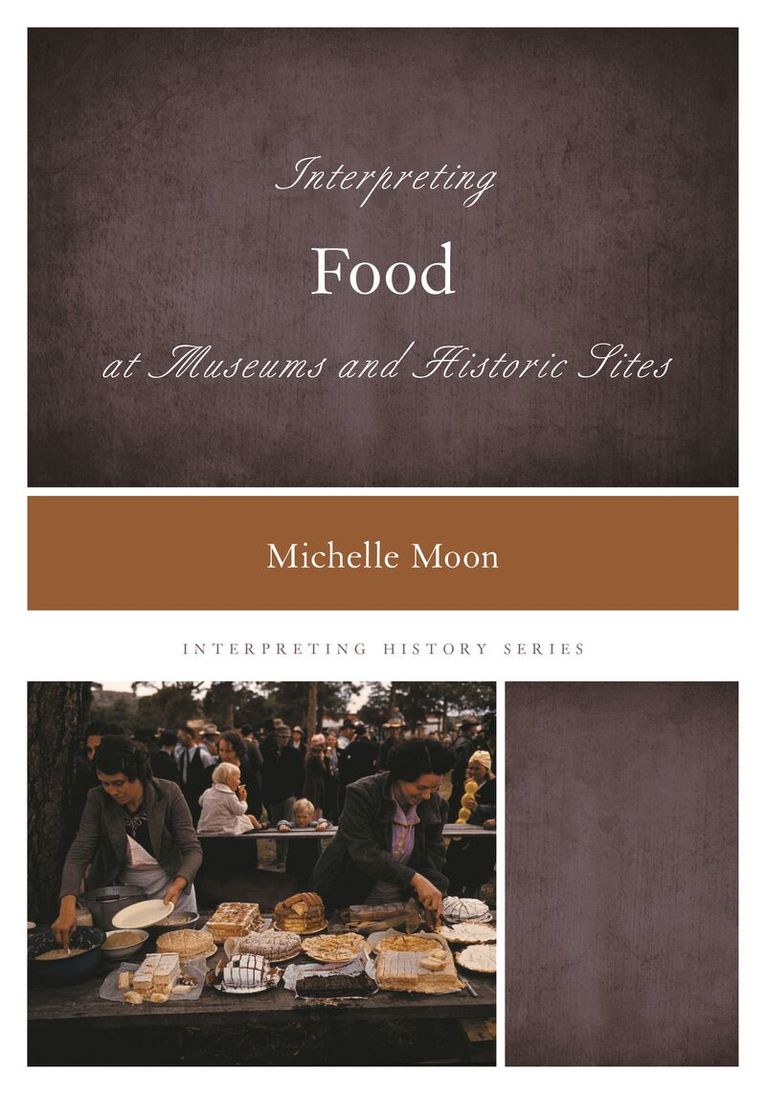
Food is such a friendly topic that it’s often thought of as a “hook” for engaging visitors – a familiar way into other topics, or a sensory element to round out a living history interpretation. But it’s more than just a hook – it’s a topic all its own, with its own history and its own uncertain future, deserving of a central place in historic interpretation. With audiences more interested in food than ever before, and new research in food studies bringing interdisciplinary approaches to this complicated but compelling subject, museums and historic sites have an opportunity to draw new audiences and infuse new meaning into their food presentations. You’ll find:A comprehensive, thematic framework of key concepts that will help you contextualize food history interpretations;A concise, evaluative review of the historiography of food interpretation;Case studies featuring the expression of these themes in the real world of museum interpretation; andBest practices for interpreting food.Interpreting Food at Museums and Historic Sites offers a framework for understanding the big ideas in food history, suggesting best practices for linking objects, exhibits and demonstrations with the larger story of change in food production and consumption over the past two centuries – a story in which your visitors can see themselves, and explore their own relationships to food. This book can help you develop food interpretation with depth and significance, making relevant connections to contemporary issues and visitor interests.
544 kr
Skickas inom 10-15 vardagar
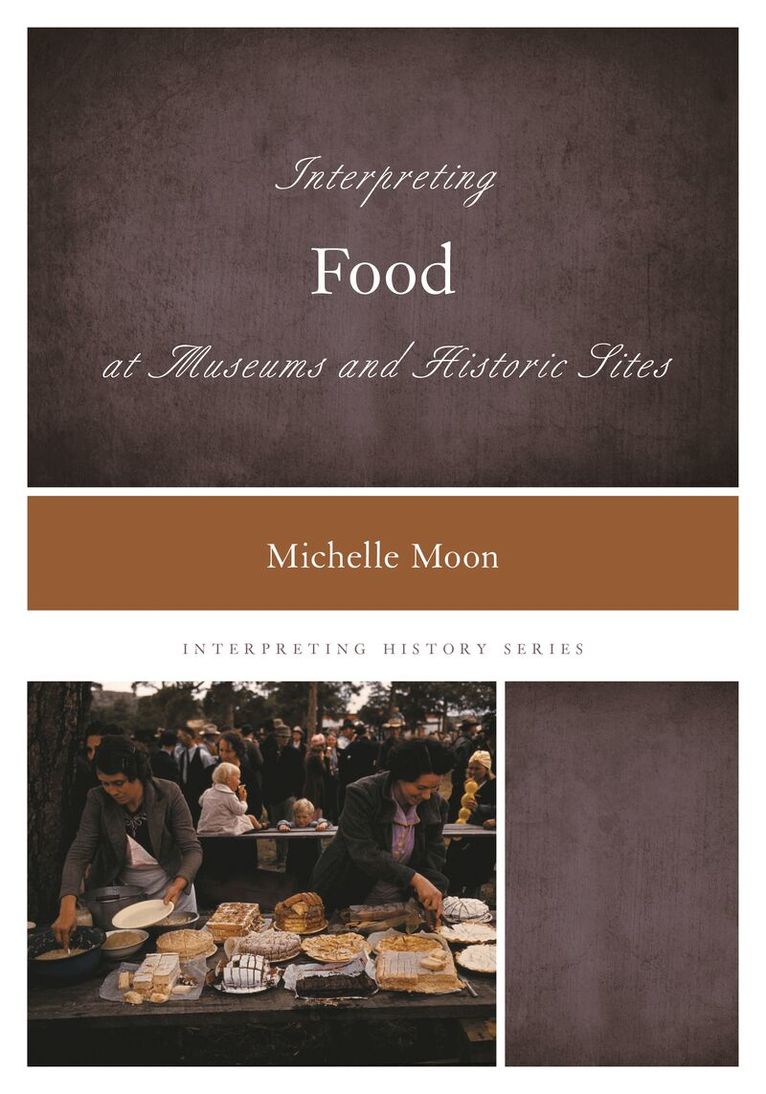
Food is such a friendly topic that it’s often thought of as a “hook” for engaging visitors – a familiar way into other topics, or a sensory element to round out a living history interpretation. But it’s more than just a hook – it’s a topic all its own, with its own history and its own uncertain future, deserving of a central place in historic interpretation. With audiences more interested in food than ever before, and new research in food studies bringing interdisciplinary approaches to this complicated but compelling subject, museums and historic sites have an opportunity to draw new audiences and infuse new meaning into their food presentations. You’ll find:A comprehensive, thematic framework of key concepts that will help you contextualize food history interpretations;A concise, evaluative review of the historiography of food interpretation;Case studies featuring the expression of these themes in the real world of museum interpretation; andBest practices for interpreting food.Interpreting Food at Museums and Historic Sites offers a framework for understanding the big ideas in food history, suggesting best practices for linking objects, exhibits and demonstrations with the larger story of change in food production and consumption over the past two centuries – a story in which your visitors can see themselves, and explore their own relationships to food. This book can help you develop food interpretation with depth and significance, making relevant connections to contemporary issues and visitor interests.
2 176 kr
Skickas inom 10-15 vardagar
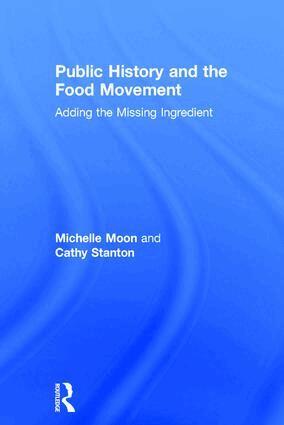
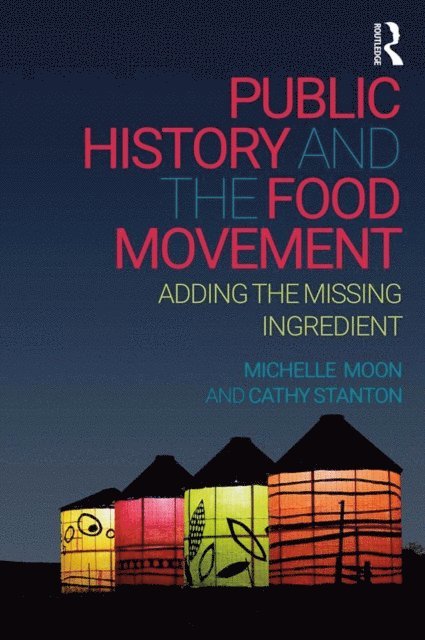
Public History and the Food Movement argues that today’s broad interest in making food systems fairer, healthier, and more sustainable offers a compelling opportunity for the public history field. Moon and Stanton show how linking heritage institutions’ unique skills and resources with contemporary food issues can offer accessible points of entry for the public into broad questions about human and environmental resilience. They argue that this approach can also benefit institutions themselves, by offering potential new audiences, partners, and sources of support at a time when many are struggling to remain relevant and viable. Interviews with innovative practitioners in both the food and history fields offer additional insights. Drawing on both scholarship and practice, Public History and the Food Movement presents a practical toolkit for engagement. Demonstrating how public historians can take on a vital contemporary issue while remaining true to the guiding principles of historical research and interpretation, the book challenges public historians to claim an expanded role in today’s food politics. The fresh thinking will also be of interest to public historians looking to engage with other timely issues.
651 kr
Skickas inom 10-15 vardagar
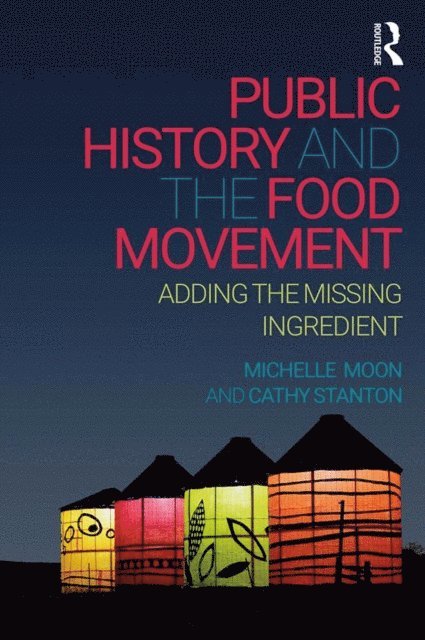
Public History and the Food Movement argues that today’s broad interest in making food systems fairer, healthier, and more sustainable offers a compelling opportunity for the public history field. Moon and Stanton show how linking heritage institutions’ unique skills and resources with contemporary food issues can offer accessible points of entry for the public into broad questions about human and environmental resilience. They argue that this approach can also benefit institutions themselves, by offering potential new audiences, partners, and sources of support at a time when many are struggling to remain relevant and viable. Interviews with innovative practitioners in both the food and history fields offer additional insights. Drawing on both scholarship and practice, Public History and the Food Movement presents a practical toolkit for engagement. Demonstrating how public historians can take on a vital contemporary issue while remaining true to the guiding principles of historical research and interpretation, the book challenges public historians to claim an expanded role in today’s food politics. The fresh thinking will also be of interest to public historians looking to engage with other timely issues.