Miguel A Altieri – författare
2 179 kr
Skickas inom 10-15 vardagar
637 kr
Skickas inom 10-15 vardagar
2 424 kr
Skickas inom 10-15 vardagar
730 kr
Läs direkt efter köp
Top-down approaches to pest management, relying on agrochemical inputs that can be scarce, expensive, ecologically toxic, or inaccessible, have repeatedly failed to solve pest problems that affect small farmers in developing countries. Crop Protection Strategies for Subsistence Farmers offers an alternative. Drawing on examples from Latin Am
730 kr
Läs direkt efter köp
Top-down approaches to pest management, relying on agrochemical inputs that can be scarce, expensive, ecologically toxic, or inaccessible, have repeatedly failed to solve pest problems that affect small farmers in developing countries. Crop Protection Strategies for Subsistence Farmers offers an alternative. Drawing on examples from Latin Am
974 kr
Läs direkt efter köp
974 kr
Läs direkt efter köp
1 289 kr
Läs direkt efter köp
1 289 kr
Läs direkt efter köp
Ecological engineering is about manipulating farm habitats, making them less favourable for pests and more attractive to beneficial insects. Though they have received far less research attention and funding, ecological approaches may be safer and more sustainable than their controversial cousin, genetic engineering. This book brings together contributions from international workers leading the fast moving field of habitat manipulation, reviewing the field and paving the way towards the development and application of new pest management approaches.
Chapters explore the frontiers of ecological engineering methods including molecular approaches, high tech marking and remote sensing. They also review the theoretical aspects of this field and how ecological engineering may interact with genetic engineering. The technologies presented offer opportunities to reduce crop losses to insects while reducing the use of pesticides and providing potentially valuable habitat for wildlife conservation.
With contributions from the USA, UK, Germany, Switzerland, Australia, New Zealand, Kenya and Israel, this book provides comprehensive coverage of international progress towards sustainable pest management.
848 kr
Skickas inom 10-15 vardagar
2 179 kr
Skickas inom 10-15 vardagar
749 kr
Skickas inom 10-15 vardagar
886 kr
Läs direkt efter köp
Contemporary agriculture is often criticized for its industrial scale, adverse effects on nutrition, rural employment and the environment, and its disconnectedness from nature and culture. Yet there are many examples of traditional smaller scale systems that have survived the test of time and provide more sustainable solutions while still maintaining food security in an era of climate change. This book provides a unique compilation of this forgotten agricultural heritage and is based on objective scientific evaluation and evidence of the value of these systems for present and future generations.
The authors refer to many of these systems as Globally Important Agricultural Heritage Systems (GIAHS) and show how they are related to the concepts of heritage and the World Heritage Convention. They demonstrate how GIAHS based on family farms, traditional indigenous knowledge and agroecological principles can contribute to food and nutrition security and the maintenance of agro-biodiversity and environmental resilience, as well as sustain local cultures, economies and societies.
Two substantial chapters are devoted to descriptions and assessments of some 50 examples of designated and potential GIAHS from around the world, including rice-fish culture in China, mountain terrace systems in Asia, coffee agroforestry in Latin America, irrigation systems and land and water management in Iran and India, pastoralism in East Africa, and the dehesa agrosilvopastoral system of Spain and Portugal. The book concludes by providing policy and technical solutions for sustainable agriculture and rural development through the enhancement of these systems.
886 kr
Läs direkt efter köp
Contemporary agriculture is often criticized for its industrial scale, adverse effects on nutrition, rural employment and the environment, and its disconnectedness from nature and culture. Yet there are many examples of traditional smaller scale systems that have survived the test of time and provide more sustainable solutions while still maintaining food security in an era of climate change. This book provides a unique compilation of this forgotten agricultural heritage and is based on objective scientific evaluation and evidence of the value of these systems for present and future generations.
The authors refer to many of these systems as Globally Important Agricultural Heritage Systems (GIAHS) and show how they are related to the concepts of heritage and the World Heritage Convention. They demonstrate how GIAHS based on family farms, traditional indigenous knowledge and agroecological principles can contribute to food and nutrition security and the maintenance of agro-biodiversity and environmental resilience, as well as sustain local cultures, economies and societies.
Two substantial chapters are devoted to descriptions and assessments of some 50 examples of designated and potential GIAHS from around the world, including rice-fish culture in China, mountain terrace systems in Asia, coffee agroforestry in Latin America, irrigation systems and land and water management in Iran and India, pastoralism in East Africa, and the dehesa agrosilvopastoral system of Spain and Portugal. The book concludes by providing policy and technical solutions for sustainable agriculture and rural development through the enhancement of these systems.
348 kr
Skickas inom 5-8 vardagar
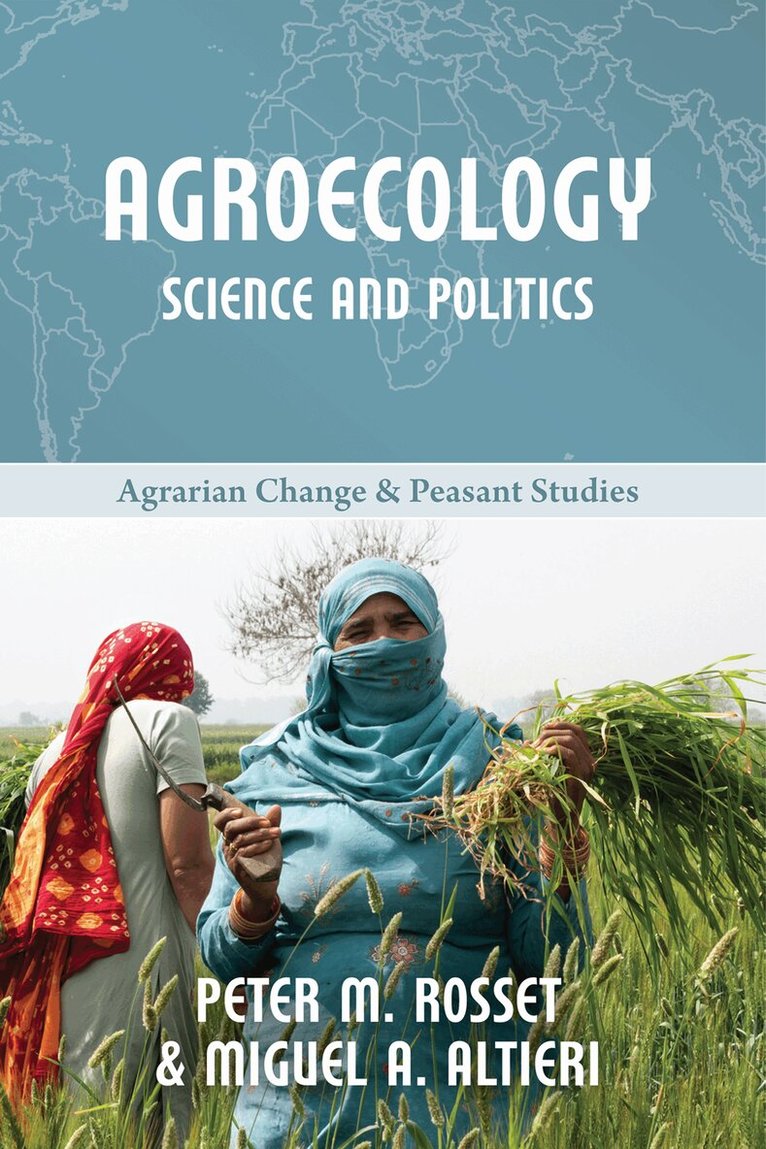
Agroecology: Science and Politics
372 kr
Skickas inom 5-8 vardagar
Agroecology: Science and Politics
193 kr
Skickas inom 5-8 vardagar
236 kr
Tillfälligt slut