Miguel Martínez – författare
Visar alla böcker från författaren . Handla med fri frakt och snabb leverans.
9 produkter
9 produkter
Inbunden, Engelska, 2016
968 kr
Skickas inom 10-15 vardagar
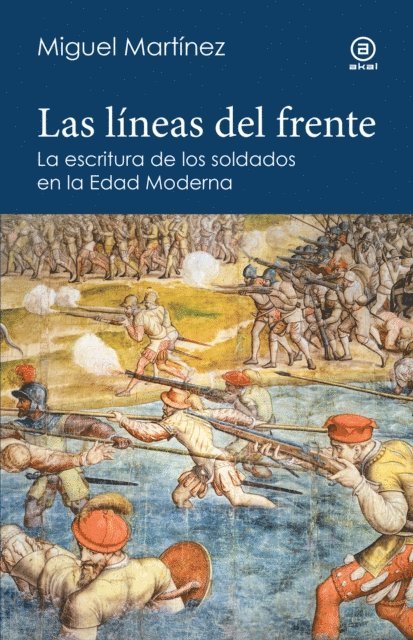
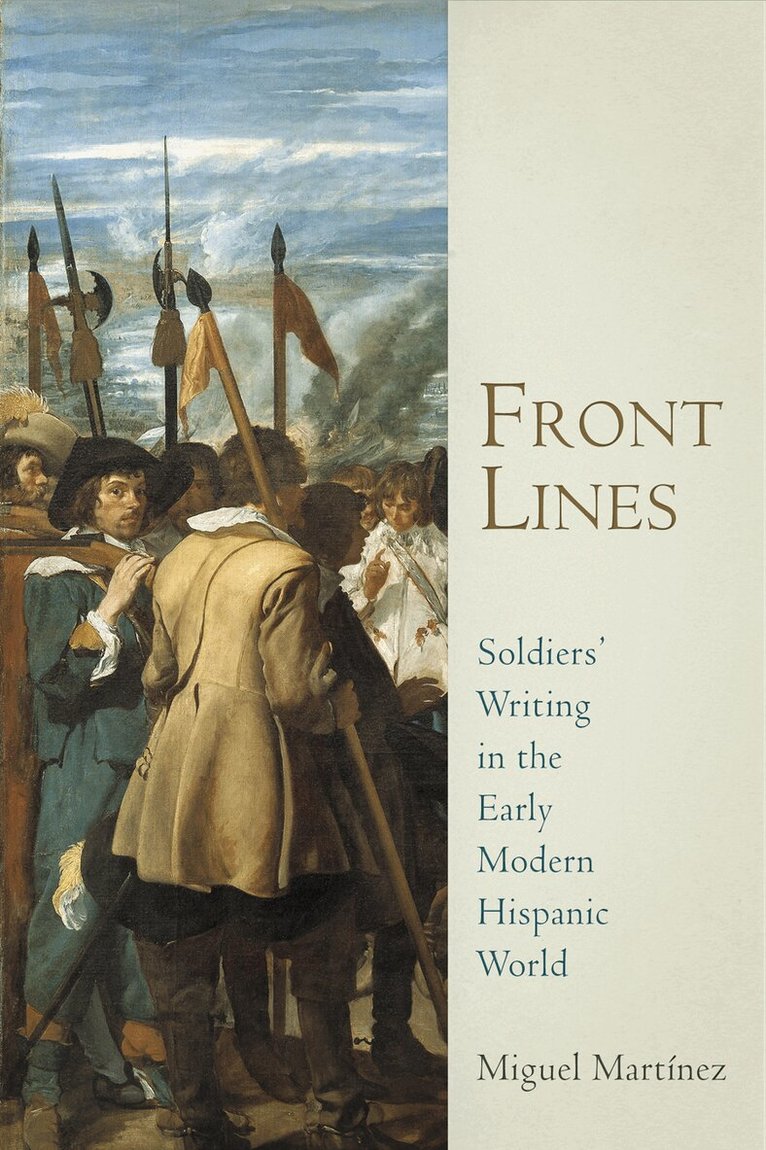
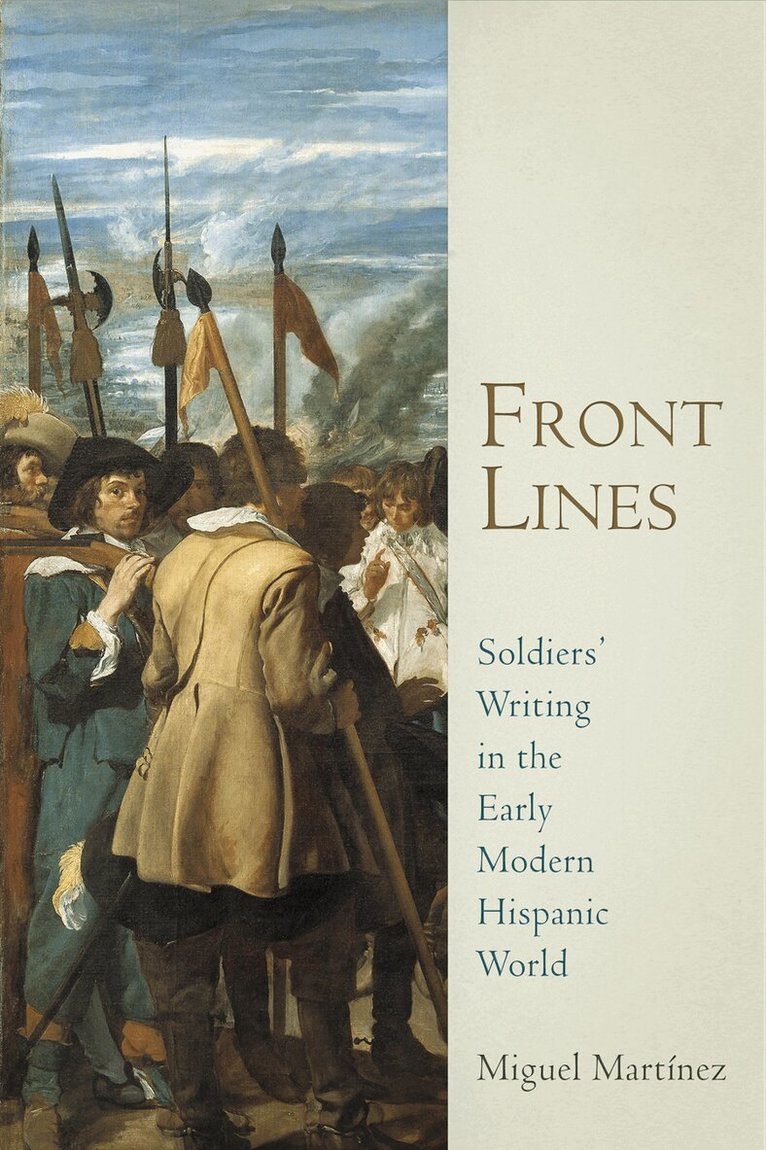
In Front Lines, Miguel MartÍnez documents the literary practices of imperial Spain's common soldiers. Against all odds, these Spanish soldiers produced, distributed, and consumed a remarkably innovative set of works on war that have been almost completely neglected in literary and historical scholarship. The soldiers of Italian garrisons and North African presidios, on colonial American frontiers and in the traveling military camps of northern Europe read and wrote epic poems, chronicles, ballads, pamphlets, and autobiographies-the stories of the very same wars in which they participated as rank-and-file fighters and witnesses. The vast network of agents and spaces articulated around the military institutions of an ever-expanding and struggling Spanish empire facilitated the global circulation of these textual materials, creating a soldierly republic of letters that bridged the Old and the many New Worlds of the sixteenth and seventeenth centuries.MartÍnez asserts that these writing soldiers played a key role in the shaping of Renaissance literary culture, which for its part gave to them the language and forms with which to question received notions of the social logic of warfare, the ethics of violence, and the legitimacy of imperial aggression. Soldierly writing often voiced criticism of established hierarchies and exploitative working conditions, forging solidarities among the troops that often led to mutiny and massive desertion. It is the perspective of these soldiers that grounds Front Lines, a cultural history of Spain's imperial wars as told by the common men who fought them.
E-bok
Engelska, 20161 364 kr
Läs direkt efter köp
In Front Lines, Miguel MartÍnez documents the literary practices of imperial Spain's common soldiers. Against all odds, these Spanish soldiers produced, distributed, and consumed a remarkably innovative set of works on war that have been almost completely neglected in literary and historical scholarship. The soldiers of Italian garrisons and North African presidios, on colonial American frontiers and in the traveling military camps of northern Europe read and wrote epic poems, chronicles, ballads, pamphlets, and autobiographies-the stories of the very same wars in which they participated as rank-and-file fighters and witnesses. The vast network of agents and spaces articulated around the military institutions of an ever-expanding and struggling Spanish empire facilitated the global circulation of these textual materials, creating a soldierly republic of letters that bridged the Old and the many New Worlds of the sixteenth and seventeenth centuries.MartÍnez asserts that these writing soldiers played a key role in the shaping of Renaissance literary culture, which for its part gave to them the language and forms with which to question received notions of the social logic of warfare, the ethics of violence, and the legitimacy of imperial aggression. Soldierly writing often voiced criticism of established hierarchies and exploitative working conditions, forging solidarities among the troops that often led to mutiny and massive desertion. It is the perspective of these soldiers that grounds Front Lines, a cultural history of Spain's imperial wars as told by the common men who fought them.
Inbunden, Engelska, 2019
2 428 kr
Skickas inom 10-15 vardagar
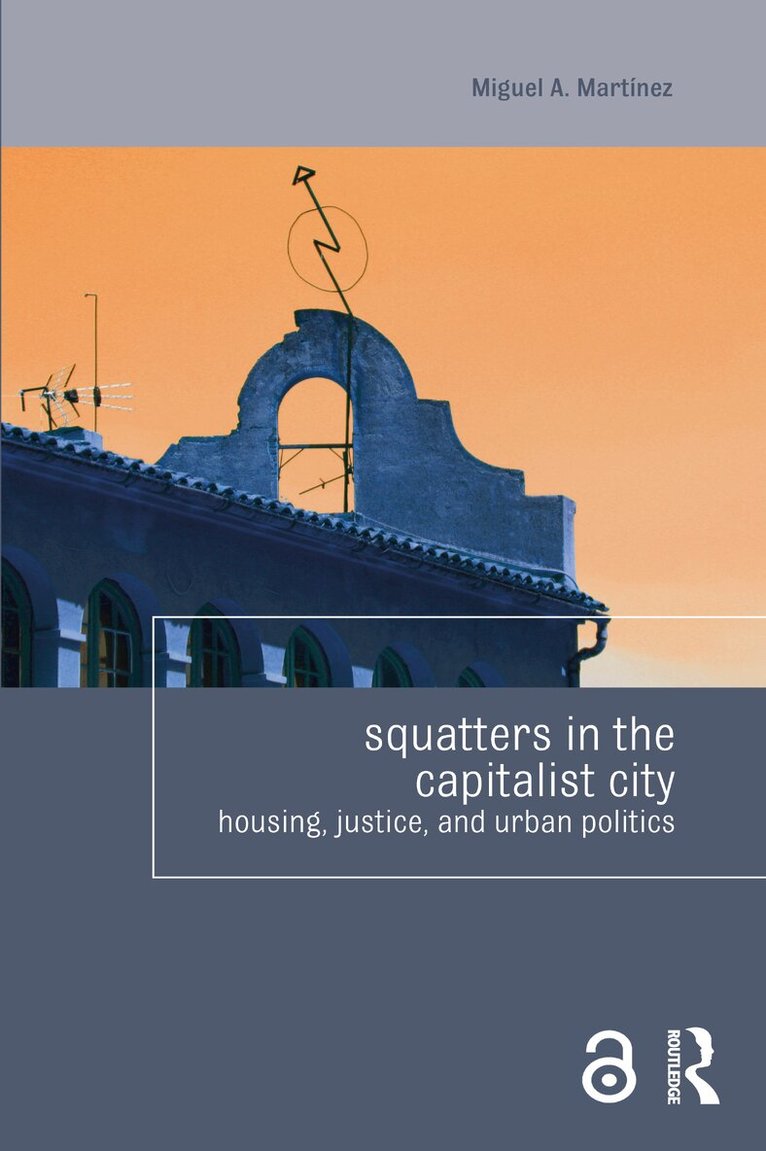
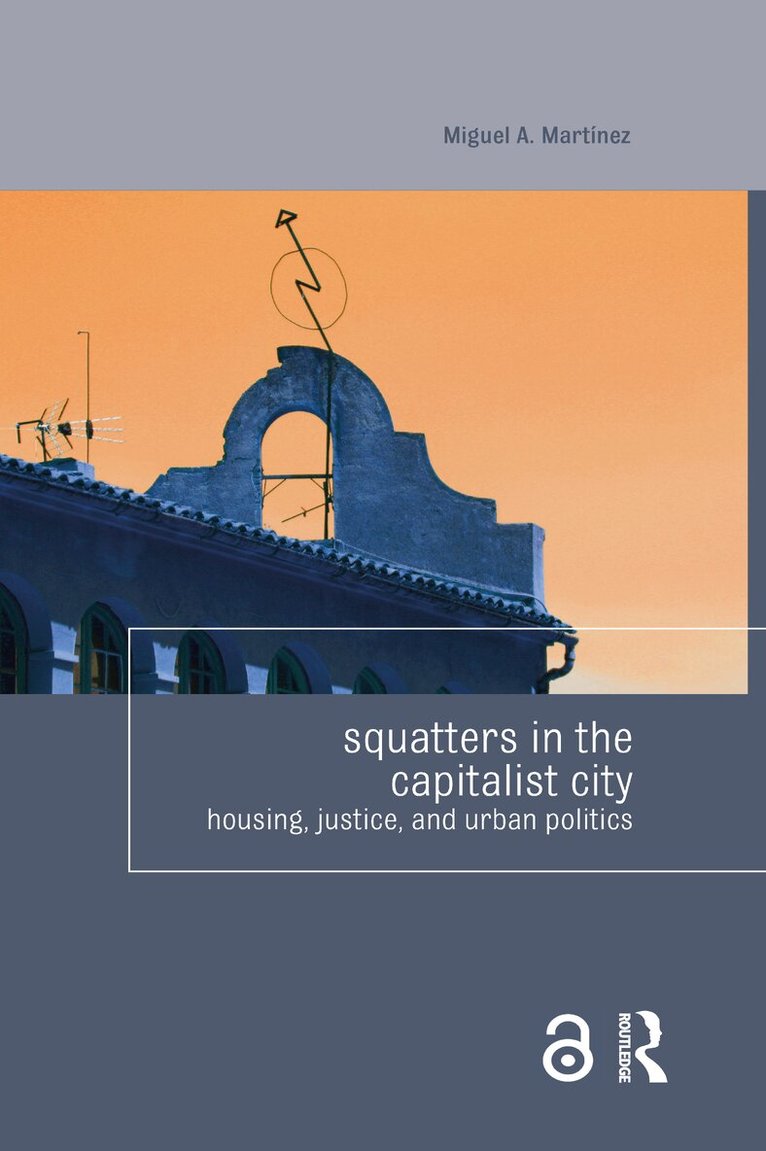
To date, there has been no comprehensive analysis of the disperse research on the squatters’ movement in Europe. In Squatters in the Capitalist City, Miguel A. Martínez López presents a critical review of the current research on squatting and of the historical development of the movements in European cities according to their major social, political and spatial dimensions. Comparing cities, contexts, and the achievements of the squatters’ movements, this book presents the view that squatting is not simply a set of isolated, illegal and marginal practices, but is a long-lasting urban and transnational movement with significant and broad implications. While intersecting with different housing struggles, squatters face various aspects of urban politics and enhance the content of the movements claiming for a ‘right to the city.’ Squatters in the Capitalist City seeks to understand both the socio-spatial and political conditions favourable to the emergence and development of squatting, and the nature of the interactions between squatters, authorities and property owners by discussing the trajectory, features and limitations of squatting as a potential radicalisation of urban democracy.
Häftad, Engelska, 2019
626 kr
Skickas inom 10-15 vardagar
To date, there has been no comprehensive analysis of the disperse research on the squatters’ movement in Europe. In Squatters in the Capitalist City, Miguel A. Martínez López presents a critical review of the current research on squatting and of the historical development of the movements in European cities according to their major social, political and spatial dimensions. Comparing cities, contexts, and the achievements of the squatters’ movements, this book presents the view that squatting is not simply a set of isolated, illegal and marginal practices, but is a long-lasting urban and transnational movement with significant and broad implications. While intersecting with different housing struggles, squatters face various aspects of urban politics and enhance the content of the movements claiming for a ‘right to the city.’ Squatters in the Capitalist City seeks to understand both the socio-spatial and political conditions favourable to the emergence and development of squatting, and the nature of the interactions between squatters, authorities and property owners by discussing the trajectory, features and limitations of squatting as a potential radicalisation of urban democracy.
Inbunden, Spanska, 2025
924 kr
Skickas inom 5-8 vardagar
E-bok
Spanska, 2021140 kr
Läs direkt efter köp
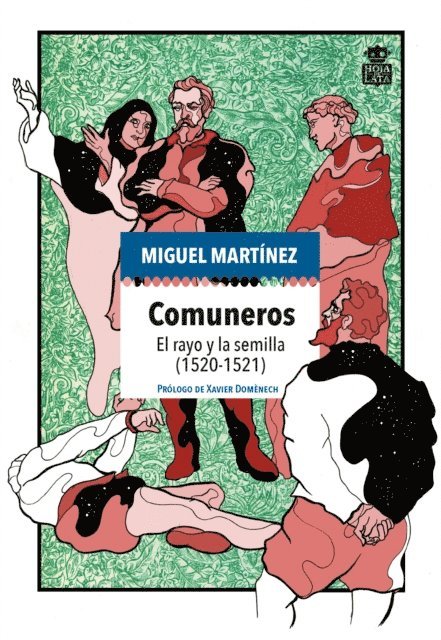
En la primavera de 1520, las principales ciudades de Castilla se levantaron contra el joven rey Carlos. El grueso del común ciudadano y campesino, aliado con un sector de las élites urbanas, le plantaba cara al mal gobierno de la corte y a los grandes del reino, que habían acaparado ilegítimamente rentas y poder. La derrota de Villalar, en abril de 1521, no acabó del todo con el sueño comunero: las semillas de aquel rayo insurgente germinarían mucho después en un imaginario histórico que alimentó las luchas democráticas de los siglos XIX y XX.Desde la relectura minuciosa de las fuentes, Comuneros. El rayo y la semilla ofrece una nueva historia de la revolución de las Comunidades, al tiempo que trata de integrarla en un relato diferente de nuestro pasado colectivo. La historia moderna de España, que empieza convencionalmente en 1492 con conquistas y expulsiones, podría comenzar en 1520 con una promesa de emancipación. Miguel Martínez nos invita a hacer memoria del momento comunero –un pasado vencido que late como posibilidad– en diálogo con las luchas ciudadanas de nuestro presente."Este libro propone una mirada desde abajo, no introduciendo los sujetos subalternos en la historia, sino transformando con ellos toda su construcción, que se alarga en el tiempo analítico hacia atrás de la propia revolución y hacia delante de la misma". Xavier Domènech, del prólogo.
E-bok
Spanska, 2024147 kr
Läs direkt efter köp
"En esta fascinante y original obra, Miguel Martínez documenta las prácticas literarias de los soldados de la España imperial. Contra todo pronóstico, estos soldados españoles produjeron, distribuyeron y consumieron un conjunto extraordinariamente innovador de obras que han sido olvidadas por los estudios literarios e históricos. Los soldados de las guarniciones italianas y de los presidios norteafricanos, de las fronteras coloniales americanas y de los campamentos militares itinerantes del norte de Europa leyeron y escribieron poemas épicos, crónicas, romances, relaciones y autobiografías, las historias de las mismas guerras en las que participaron como combatientes rasos y testigos. La vasta red de agentes y espacios articulados en torno a las instituciones militares de un imperio español en constante expansión y lucha facilitó la circulación global de estos materiales textuales, creando una república soldadesca de las letras que tendió puentes entre el Viejo y los muchos Nuevos Mundos de los siglos xvi y xvii.Martínez afirma que estos soldados escritores desempeñaron un papel clave en la conformación de la cultura literaria renacentista, que les proporcionó el lenguaje y las formas con las que cuestionar las nociones recibidas sobre la lógica social de la guerra, la ética de la violencia y la legitimidad de la agresión imperial. Los escritos de los soldados criticaban a menudo las jerarquías establecidas y las explotadoras condiciones de trabajo, forjando solidaridades entre las tropas que, a menudo, desembocaban en motines y deserciones masivas. Es la perspectiva de estos soldados la que fundamenta Las líneas del frente, una historia cultural de las guerras imperiales españolas contada por los hombres comunes que lucharon en ellas.«Miguel Martínez ha identificado algo poco frecuente en los estudios sobre la Edad Moderna: una república de las letras de clase media o trabajadora, arraigada en una práctica social coherente y que se opone conscientemente a sus supuestos superiores». Ricardo Padrón, University of Virginia«No conozco ninguna otra obra que evoque tan plenamente la existencia de toda una subcultura de soldados-escritores, con su visión desgarradoramente directa de la vida militar y su manera, a menudo experimental, de tratar los géneros recibidos». Michael Armstrong-Roche, Wesleyan University"
Inbunden, Engelska, 2020
288 kr
Tillfälligt slut
Häftad, Engelska, 2020
256 kr
Tillfälligt slut