Mihail Garevski - Böcker
Visar alla böcker från författaren Mihail Garevski. Handla med fri frakt och snabb leverans.
4 produkter
4 produkter
Del 17 - Geotechnical, Geological and Earthquake Engineering
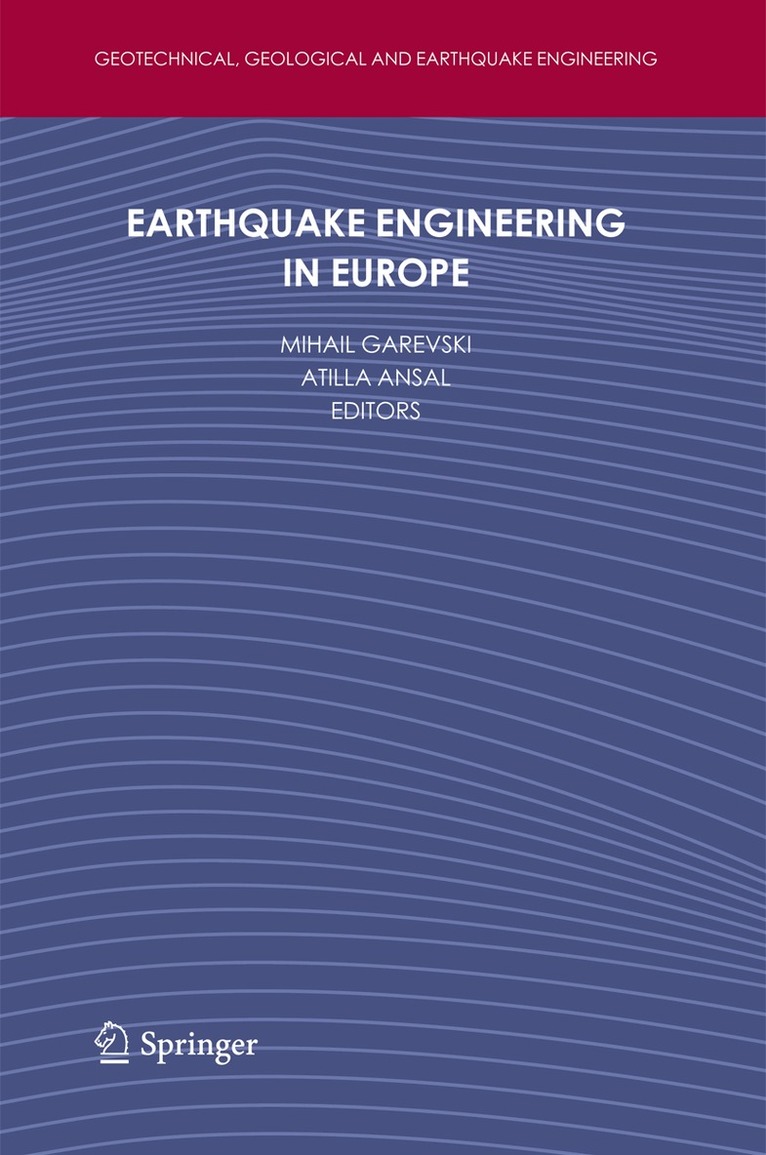
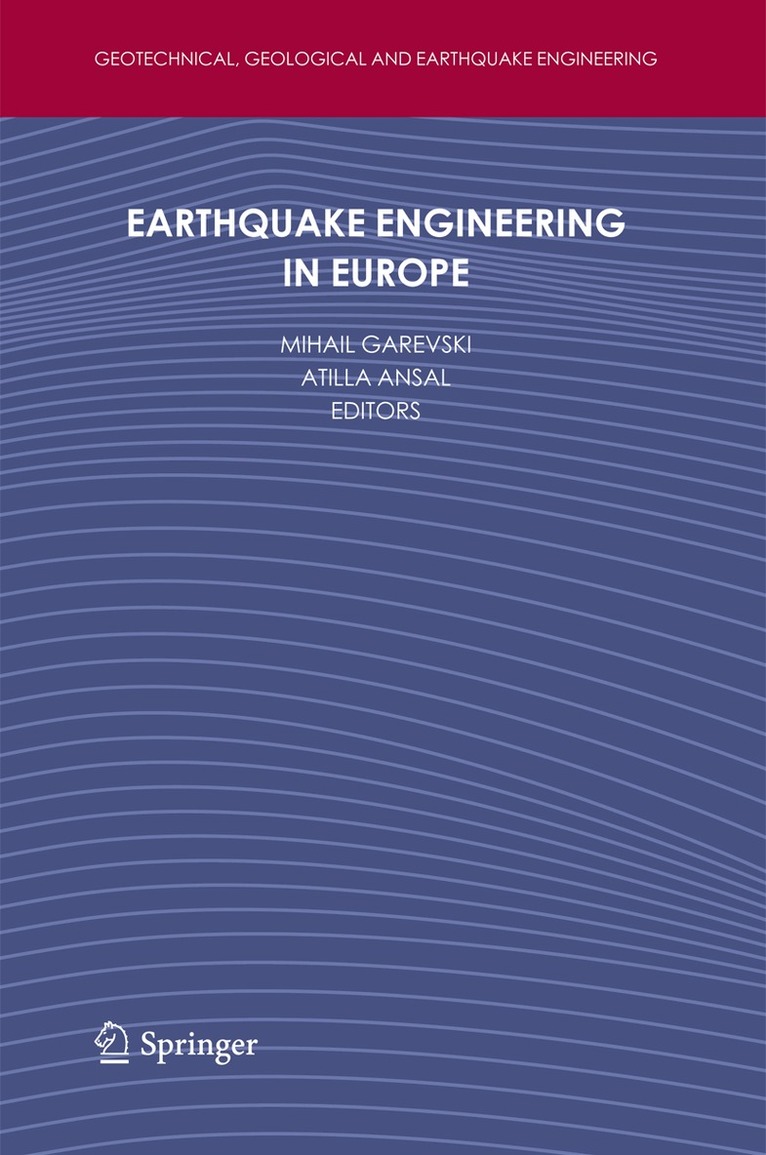
Earthquake Engineering in Europe
Inbunden, Engelska, 2010
1 067 kr
Skickas inom 10-15 vardagar
This book contains 9 invited keynote and 12 theme lectures presented at the 14th European Conference on Earthquake Engineering (14ECEE) held in Ohrid, Republic of Macedonia, from August 30 to September 3, 2010. The conference was organized by the Macedonian Association for Earthquake Engineering (MAEE), under the auspices of European Association for Earthquake Engineering (EAEE).The book is organized in twenty one state-of-the-art papers written by carefully selected very eminent researchers mainly from Europe but also from USA and Japan. The contributions provide a very comprehensive collection of topics on earthquake engineering, as well as interdisciplinary subjects such as engineering seismology and seismic risk assessment and management. Engineering seismology, geotechnical earthquake engineering, seismic performance of buildings, earthquake resistant engineering structures, new techniques and technologies and managing risk in seismic regions are all among the different topics covered in this book. The book also includes the First Ambraseys Distinguished Award Lecture given by Prof. Theo P. Tassios in the honor of Prof. Nicholas N. Ambraseys.The aim is to present the current state of knowledge and engineering practice, addressing recent and ongoing developments while also projecting innovative ideas for future research and development. It is not always possible to have so many selected manuscripts within the broad spectrum of earthquake engineering thus the book is unique in one sense and may serve as a good reference book for researchers in this field.Audience: This book will be of interest to civil engineers in the fields of geotechnical and structural earthquake engineering; scientists and researchers in the fields of seismology, geology and geophysics. Not only scientists, engineers and students, but also those interested in earthquake hazard assessment and mitigation will find in this book the most recent advances.
1 582 kr
Skickas inom 10-15 vardagar
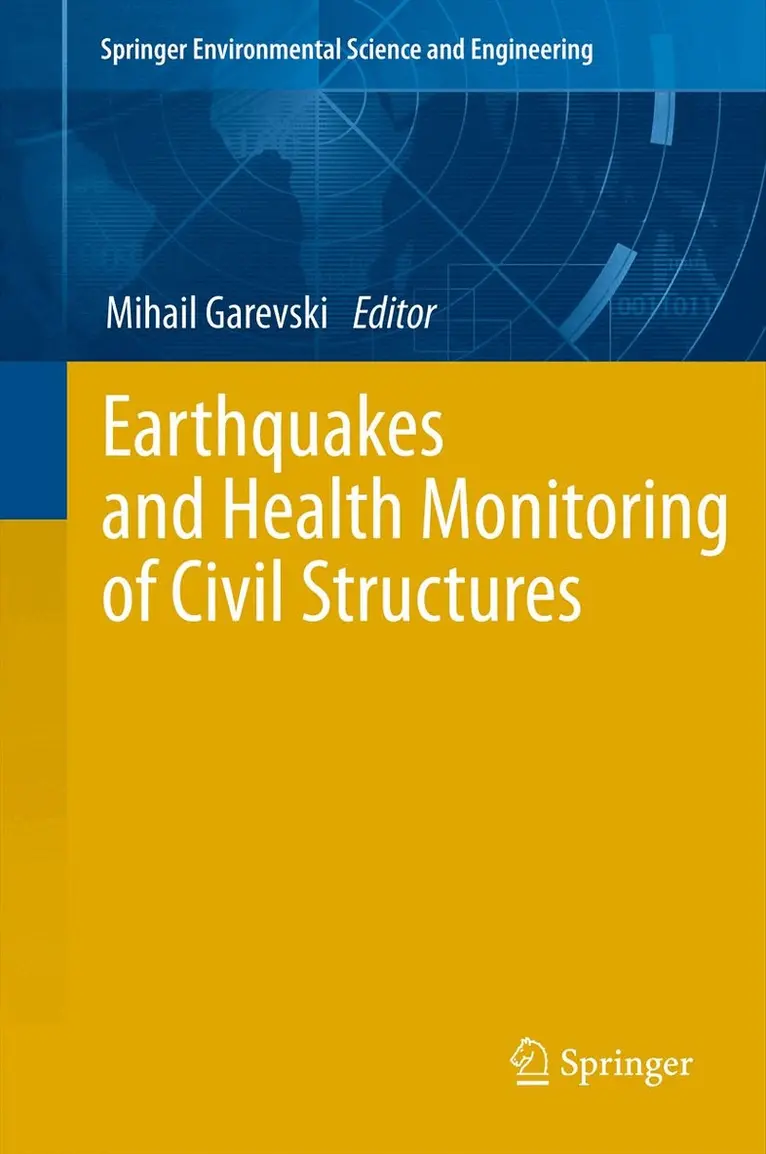
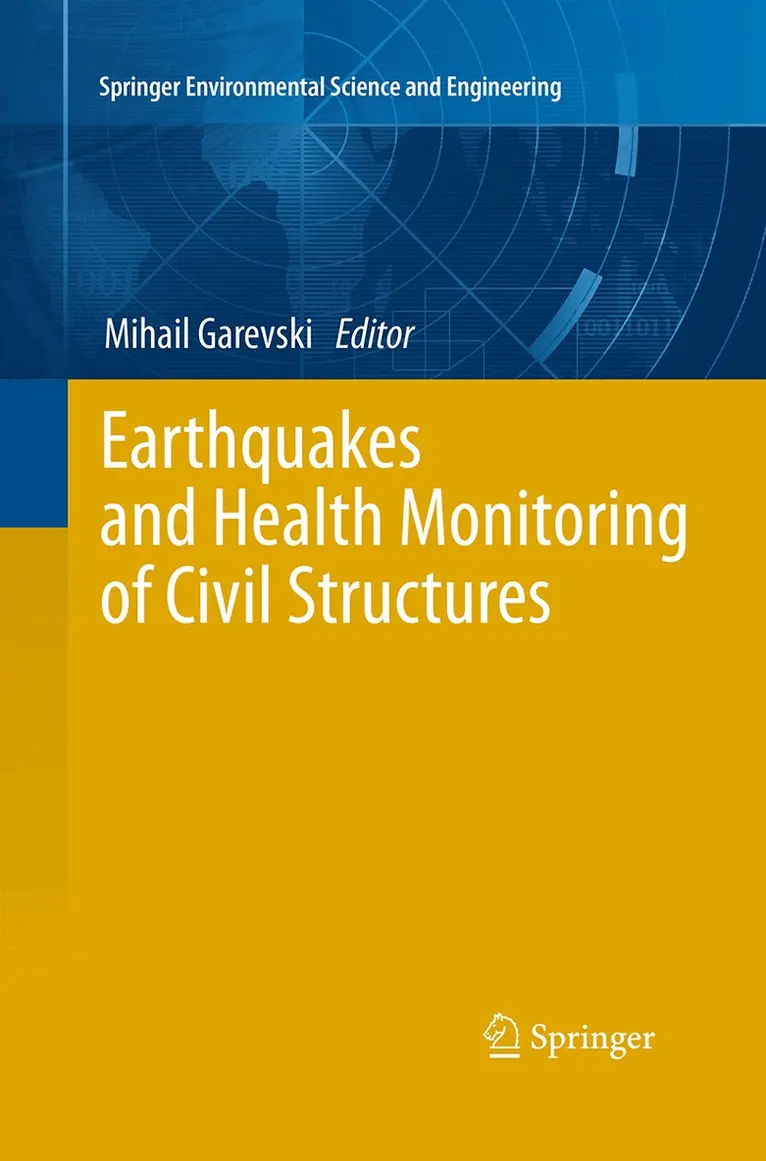
Health monitoring of civil structures (HMS) is a new discipline, which contributes to successful and on time detection of damages to structures. This book is a collection of chapters on different topics written by leading scientists in the field. It is primarily focused on the latest achievements in monitoring the earthquake effect upon the health of civil structures. The first chapter of the book deals with the geotechnical and structural aspects of the 2010-2011 Christchurch earthquakes. Further chapters are dedicated to the latest HMS techniques of identification of damage to structures caused by earthquakes. Real time damage detection as well as sensors and acquisition systems used for that purpose are presented. The attention is focused on automated modal analysis, dynamic artificial neural networks and wavelet techniques used in HMS. Particular emphasis is put on wireless sensors and piezo-impendance transducers used for evaluation of seismically induced structural damage. The discussion is followed by presentation of case studies of application of health monitoring for buildings and other civil structures, including a super tall structure. The book ends with a presentation of shaking table tests on physical models for the purpose of monitoring their behaviour under earthquake excitation. AudienceThe book is primarily intended for engineers and scientists working in the field of application of the HMS technique in earthquake engineering. Considering that real time health monitoring of structures represents a sophisticated approach applying the latest techniques of monitoring of structures, many experts from other industries will also find this book useful.
1 582 kr
Skickas inom 10-15 vardagar
Health monitoring of civil structures (HMS) is a new discipline, which contributes to successful and on time detection of damages to structures. This book is a collection of chapters on different topics written by leading scientists in the field. It is primarily focused on the latest achievements in monitoring the earthquake effect upon the health of civil structures. The first chapter of the book deals with the geotechnical and structural aspects of the 2010-2011 Christchurch earthquakes. Further chapters are dedicated to the latest HMS techniques of identification of damage to structures caused by earthquakes. Real time damage detection as well as sensors and acquisition systems used for that purpose are presented. The attention is focused on automated modal analysis, dynamic artificial neural networks and wavelet techniques used in HMS. Particular emphasis is put on wireless sensors and piezo-impendance transducers used for evaluation of seismically induced structural damage. The discussion is followed by presentation of case studies of application of health monitoring for buildings and other civil structures, including a super tall structure. The book ends with a presentation of shaking table tests on physical models for the purpose of monitoring their behaviour under earthquake excitation. AudienceThe book is primarily intended for engineers and scientists working in the field of application of the HMS technique in earthquake engineering. Considering that real time health monitoring of structures represents a sophisticated approach applying the latest techniques of monitoring of structures, many experts from other industries will also find this book useful.
Del 17 - Geotechnical, Geological and Earthquake Engineering
Earthquake Engineering in Europe
Häftad, Engelska, 2016
1 067 kr
Skickas inom 10-15 vardagar
This book contains 9 invited keynote and 12 theme lectures presented at the 14th European Conference on Earthquake Engineering (14ECEE) held in Ohrid, Republic of Macedonia, from August 30 to September 3, 2010. The conference was organized by the Macedonian Association for Earthquake Engineering (MAEE), under the auspices of European Association for Earthquake Engineering (EAEE).The book is organized in twenty one state-of-the-art papers written by carefully selected very eminent researchers mainly from Europe but also from USA and Japan. The contributions provide a very comprehensive collection of topics on earthquake engineering, as well as interdisciplinary subjects such as engineering seismology and seismic risk assessment and management. Engineering seismology, geotechnical earthquake engineering, seismic performance of buildings, earthquake resistant engineering structures, new techniques and technologies and managing risk in seismic regions are all among the different topics covered in this book. The book also includes the First Ambraseys Distinguished Award Lecture given by Prof. Theo P. Tassios in the honor of Prof. Nicholas N. Ambraseys.The aim is to present the current state of knowledge and engineering practice, addressing recent and ongoing developments while also projecting innovative ideas for future research and development. It is not always possible to have so many selected manuscripts within the broad spectrum of earthquake engineering thus the book is unique in one sense and may serve as a good reference book for researchers in this field.Audience: This book will be of interest to civil engineers in the fields of geotechnical and structural earthquake engineering; scientists and researchers in the fields of seismology, geology and geophysics. Not only scientists, engineers and students, but also those interested in earthquake hazard assessment and mitigation will find in this book the most recent advances.