Mihalis Lazaridis – författare
Visar alla böcker från författaren Mihalis Lazaridis. Handla med fri frakt och snabb leverans.
5 produkter
5 produkter
1 925 kr
Skickas inom 5-8 vardagar
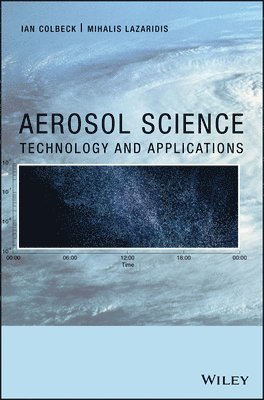
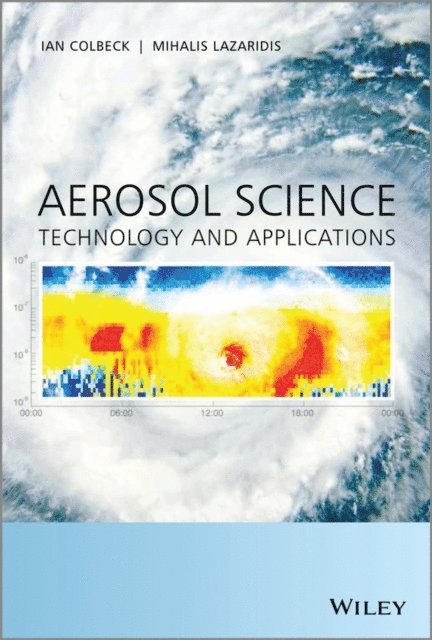
AEROSOL SCIENCETECHNOLOGY AND APPLICATIONS Aerosols influence many areas of our daily life. They are at the core of environmental problems such as global warming, photochemical smog and poor air quality. They can also have diverse effects on human health, where exposure occurs in both outdoor and indoor environments. However, aerosols can have beneficial effects too; the delivery of drugs to the lungs, the delivery of fuels for combustion and the production of nanomaterials all rely on aerosols. Advances in particle measurement technologies have made it possible to take advantage of rapid changes in both particle size and concentration. Likewise, aerosols can now be produced in a controlled fashion. Reviewing many technological applications together with the current scientific status of aerosol modelling and measurements, this book includes: Satellite aerosol remote sensingThe effects of aerosols on climate changeAir pollution and healthPharmaceutical aerosols and pulmonary drug deliveryBioaerosols and hospital infectionsParticle emissions from vehiclesThe safety of emerging nanomaterialsRadioactive aerosols: tracers of atmospheric processesWith the importance of this topic brought to the public's attention after the eruption of the Icelandic volcano Eyjafjallajökull, this book provides a timely, concise and accessible overview of the many facets of aerosol science.
1 637 kr
Skickas inom 10-15 vardagar
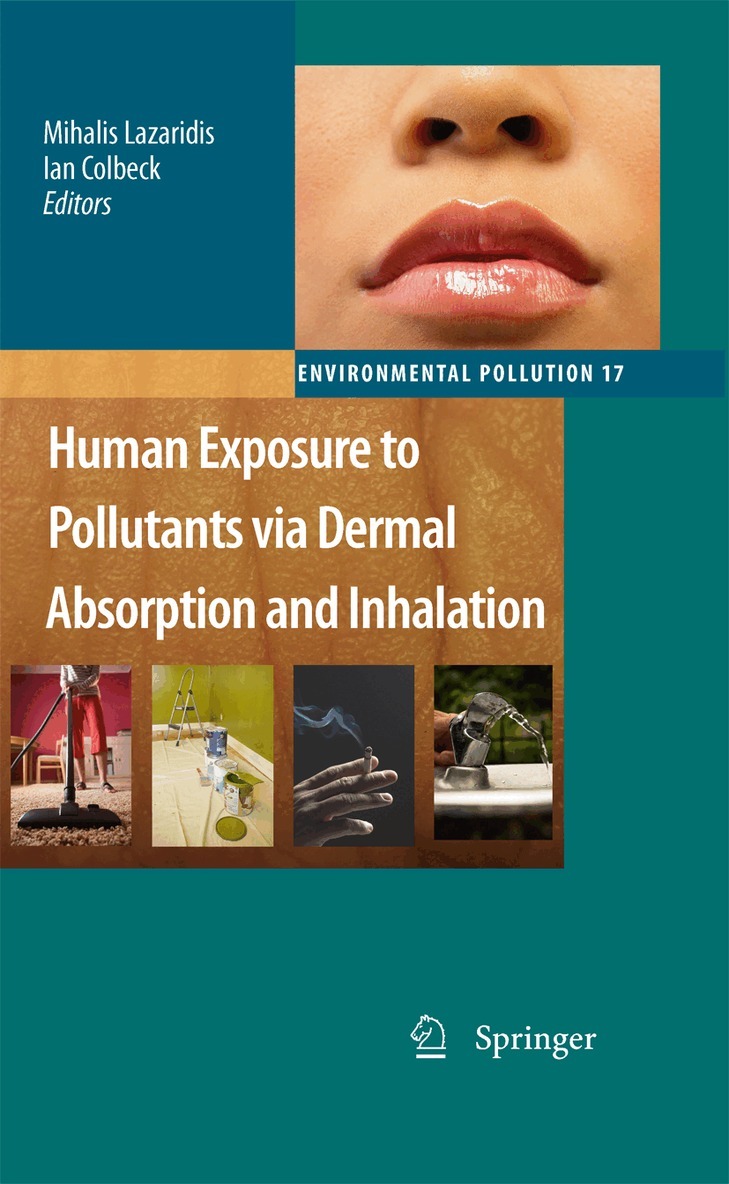
Estimates of the air pollution health impact play a crucial role in environmental protection. These estimates require accurate data on the pollutant exposure and dose to the population as well as the dose–response relationships to calculate the health impact. From an air quality manager’s perspective there is concern about the validity and accuracy of these calculations. There is a need for information and possible ways to adjust the assessment. One important topic for air quality managers is to understand the relative cont- bution of sources to the total exposure. These sources may be coming from both different outdoor sources from sectors such as transport, industry and energy ind- tries, and from a number of indoor sources, such as heating, ventilation and indoor activities as well as out-gassing from building material and furniture. Indoor air quality is now drawing the attention of policy makers. The basic right to, and importance of, healthy indoor air was emphasized by the World Health Organization as early as 2000 and several countries have described target conc- trations for various pollutants. The WHO Air Quality Guidelines 2005 rec- mended the development of specific guidelines for indoor air quality and these are expected to be published soon. Indoor air pollutants have not been as extensively monitored as outdoor air pollutants and the evidence base for contributions to health effects needs to be strengthened.
1 637 kr
Skickas inom 10-15 vardagar
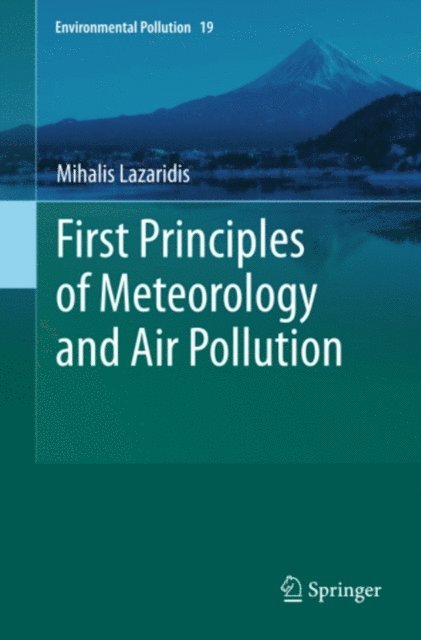
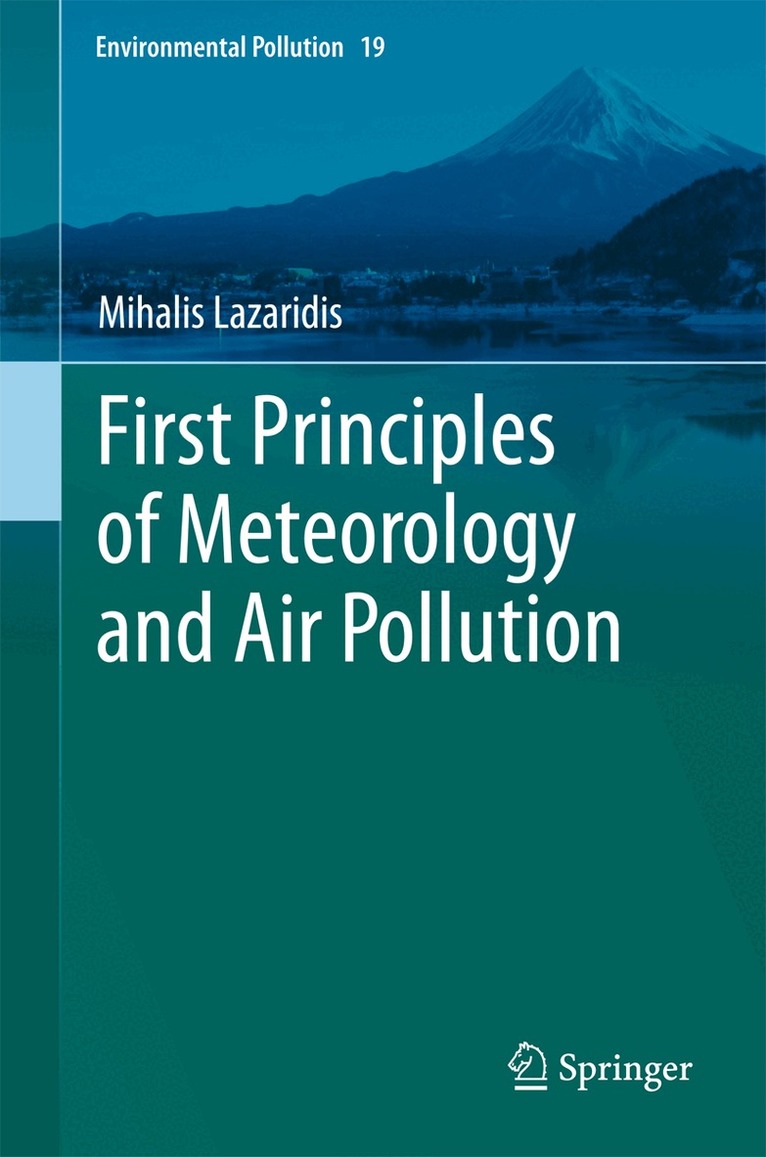
This book’s main objective is to decipher for the reader the main processes in the atmosphere and the quantification of air pollution effects on humans and the environment, through first principles of meteorology and modelling/measurement approaches. The understanding of the complex sequence of events, starting from the emission of air pollutants into the atmosphere to the human health effects as the final event, is necessary for the prognosis of potential risk to humans from specific chemical compounds and mixtures of them. It fills a gap in the literature by providing a solid grounding in the first principles of meteorology and air pollution, making it particularly useful for undergraduate students. Its broad scope makes it a valuable text in many related disciplines, containing a comprehensive and integrated methodology to study the first principles of air pollution, meteorology, indoor air pollution, and human exposure. Problem-solving exercises help to reinforce concepts.
1 637 kr
Skickas inom 10-15 vardagar
Estimates of the air pollution health impact play a crucial role in environmental protection. These estimates require accurate data on the pollutant exposure and dose to the population as well as the dose–response relationships to calculate the health impact. From an air quality manager’s perspective there is concern about the validity and accuracy of these calculations. There is a need for information and possible ways to adjust the assessment. One important topic for air quality managers is to understand the relative cont- bution of sources to the total exposure. These sources may be coming from both different outdoor sources from sectors such as transport, industry and energy ind- tries, and from a number of indoor sources, such as heating, ventilation and indoor activities as well as out-gassing from building material and furniture. Indoor air quality is now drawing the attention of policy makers. The basic right to, and importance of, healthy indoor air was emphasized by the World Health Organization as early as 2000 and several countries have described target conc- trations for various pollutants. The WHO Air Quality Guidelines 2005 rec- mended the development of specific guidelines for indoor air quality and these are expected to be published soon. Indoor air pollutants have not been as extensively monitored as outdoor air pollutants and the evidence base for contributions to health effects needs to be strengthened.
1 637 kr
Skickas inom 10-15 vardagar
This book’s main objective is to decipher for the reader the main processes in the atmosphere and the quantification of air pollution effects on humans and the environment, through first principles of meteorology and modelling/measurement approaches. The understanding of the complex sequence of events, starting from the emission of air pollutants into the atmosphere to the human health effects as the final event, is necessary for the prognosis of potential risk to humans from specific chemical compounds and mixtures of them. It fills a gap in the literature by providing a solid grounding in the first principles of meteorology and air pollution, making it particularly useful for undergraduate students. Its broad scope makes it a valuable text in many related disciplines, containing a comprehensive and integrated methodology to study the first principles of air pollution, meteorology, indoor air pollution, and human exposure. Problem-solving exercises help to reinforce concepts.