Mikael Leidenhag – författare
Visar alla böcker från författaren Mikael Leidenhag. Handla med fri frakt och snabb leverans.
6 produkter
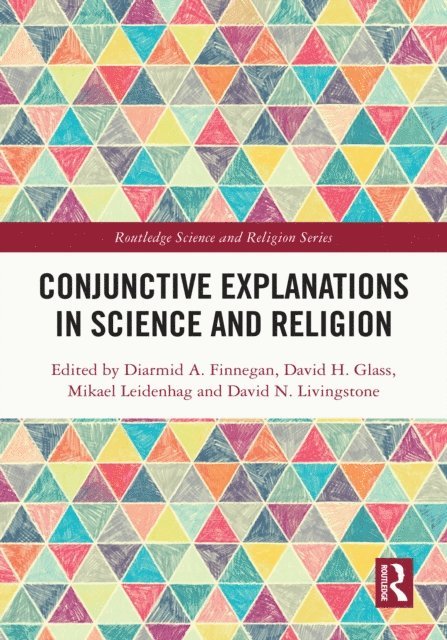
Conjunctive Explanations in Science and Religion
Av David N. Livingstone, Mikael Leidenhag m. fl.
E-bok, 2023
746 kr
Lägg i varukorg
This book investigates the nature and relevance of conjunctive explanations in the context of science and religion. It explores questions concerning how scientific and religious explanations for features of the world or phenomena within it relate to each other and whether they might work together …
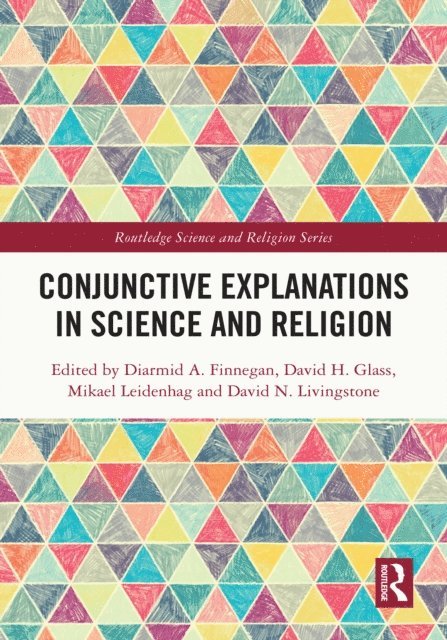
Conjunctive Explanations in Science and Religion
Av David N. Livingstone, Mikael Leidenhag m. fl.
E-bok, 2023
746 kr
Lägg i varukorg
This book investigates the nature and relevance of conjunctive explanations in the context of science and religion. It explores questions concerning how scientific and religious explanations for features of the world or phenomena within it relate to each other and whether they might work together …
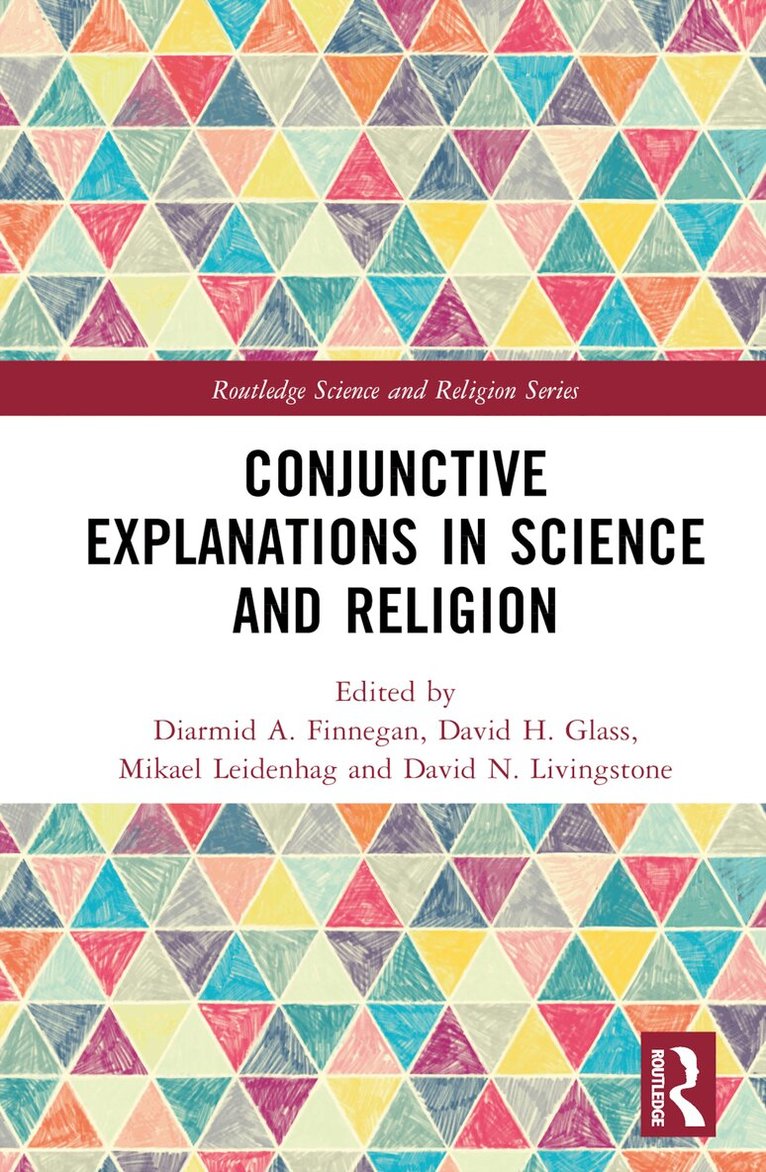
Conjunctive Explanations in Science and Religion
Av Diarmid A. Finnegan, David H. Glass m. fl.
Inbunden, 2023
2136 kr
Lägg i varukorg
This book investigates the nature and relevance of conjunctive explanations in the context of science and religion. It explores questions concerning how scientific and religious explanations for features of the world or phenomena within it relate to each other and whether they might work together …
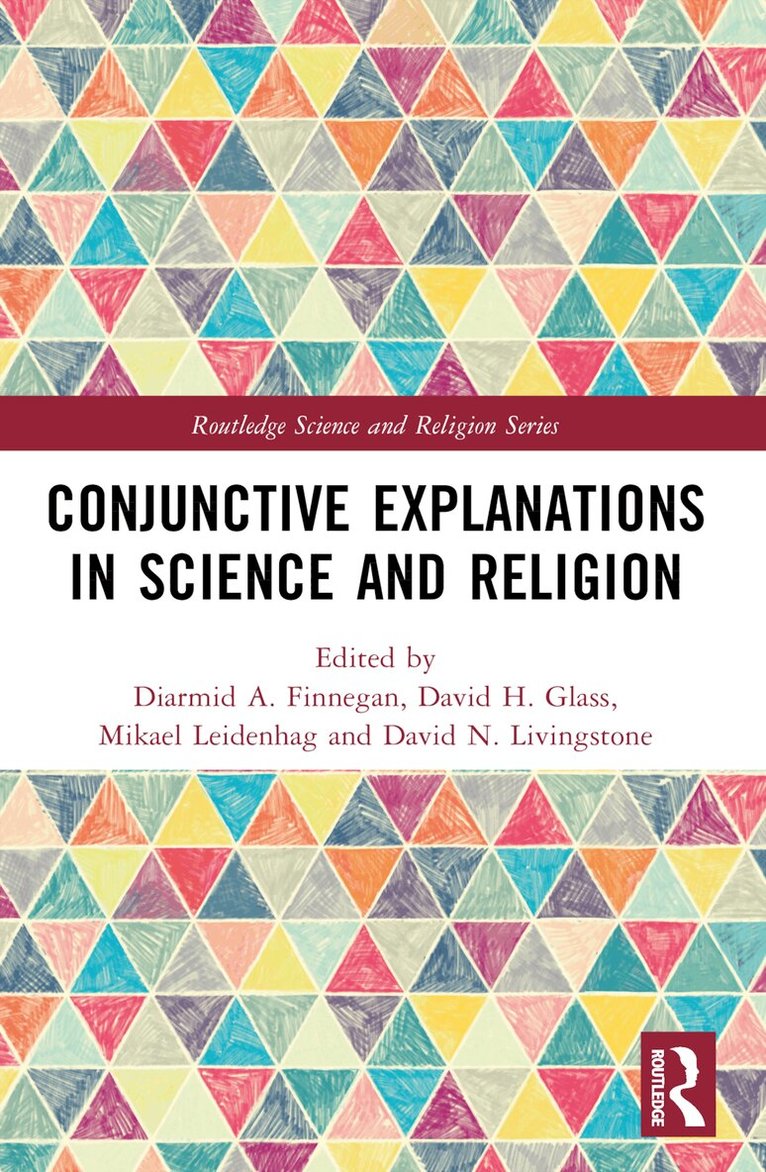
Conjunctive Explanations in Science and Religion
Av Diarmid A. Finnegan, David H. Glass m. fl.
Häftad, 2024
649 kr
Lägg i varukorg
This book investigates the nature and relevance of conjunctive explanations in the context of science and religion. It explores questions concerning how scientific and religious explanations for features of the world or phenomena within it relate to each other and whether they might work together …
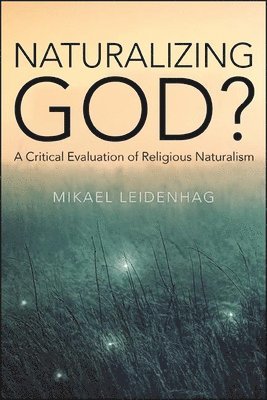
Naturalizing God?
A Critical Evaluation of Religious Naturalism
Häftad, 2022
596 kr
Lägg i varukorg
Evaluates religious naturalists' attempts to find a middle path between supernaturalism and atheistic secularism, and explores naturalistic, theistic, and panpsychist solutions.Can nature be considered a religious object? Religious naturalists answer yes, as they seek to carve out a middle path …
Naturalizing God?
A Critical Evaluation of Religious Naturalism
Inbunden, 2021
1286 kr
Lägg i varukorg
Evaluates religious naturalists' attempts to find a middle path between supernaturalism and atheistic secularism, and explores naturalistic, theistic, and panpsychist solutions.Can nature be considered a religious object? Religious naturalists answer yes, as they seek to carve out a middle path …