Mike Anastario - Böcker
Visar alla böcker från författaren Mike Anastario. Handla med fri frakt och snabb leverans.
3 produkter
3 produkter
361 kr
Skickas inom 7-10 vardagar
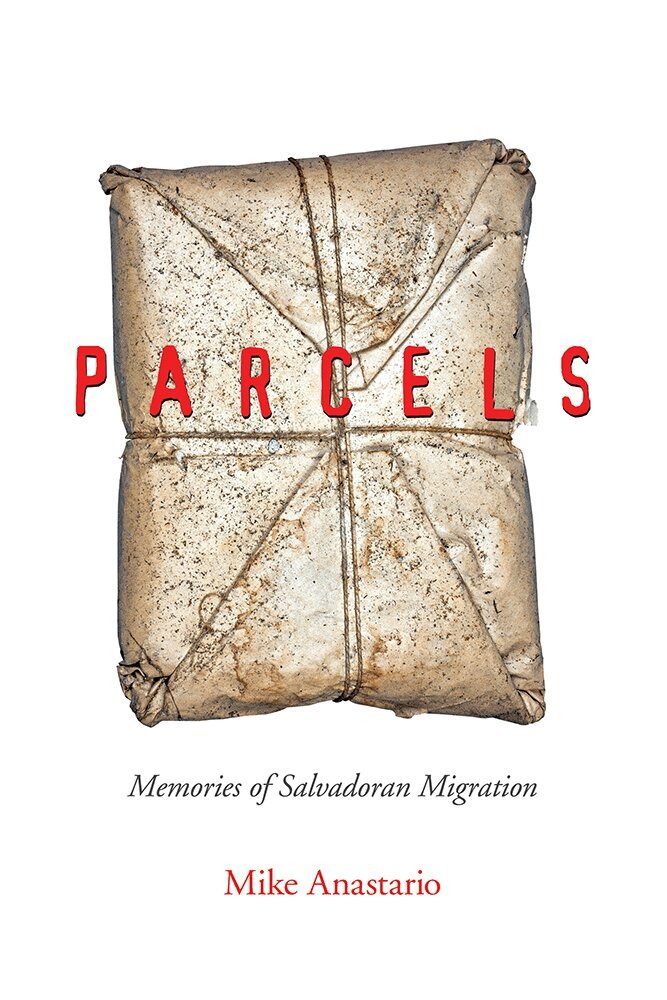
In light of new proposals to control undocumented migrants in the United States, Parcels prioritizes rural Salvadoran remembering in an effort to combat the collective amnesia that supports the logic of these historically myopic strategies. Mike Anastario investigates the social memories of individuals from a town he refers to as "El Norteño," a rural municipality in El Salvador that was heavily impacted by the Salvadoran Civil War, which in turn fueled a mass exodus to the United States. By working with two viajeros (travelers) who exchanged encomiendas (parcels containing food, medicine, documents, photographs and letters) between those in the U.S. and El Salvador, Anastario tells the story behind parcels and illuminates their larger cultural and structural significance. This narrative approach elucidates key arguments concerning the ways in which social memory permits and is shaped by structural violence, particularly the U.S. actions and policies that have resulted in the emotional and physical distress of so many Salvadorans. The book uses analyses of testimonies, statistics, memories of migration, the war and, of course, the many parcels sent over the border to create an innovative and necessary account of post-Civil War El Salvador.
1 581 kr
Skickas inom 7-10 vardagar
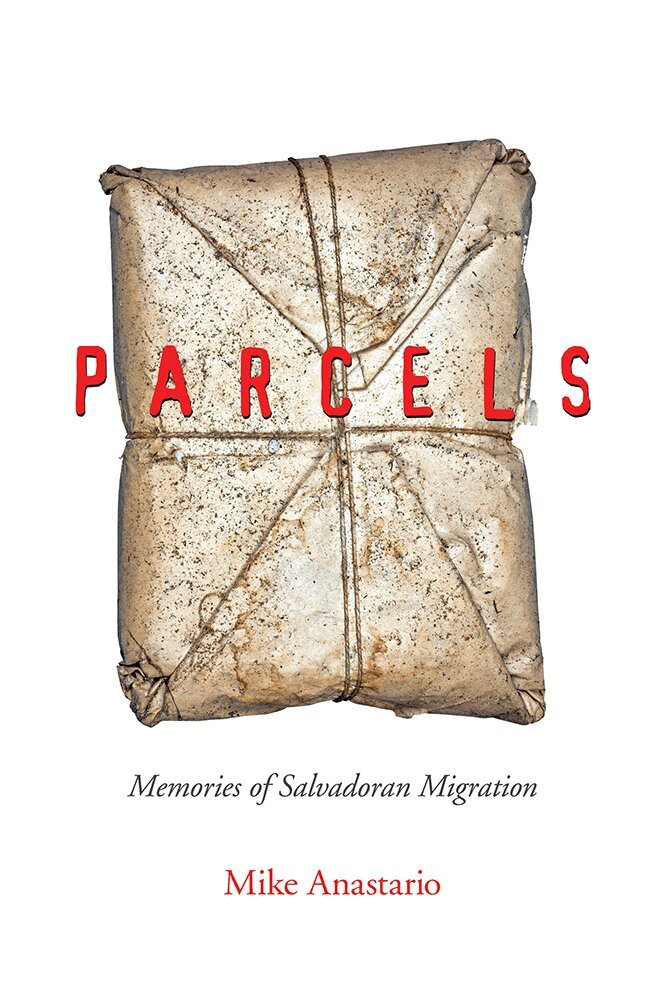
In light of new proposals to control undocumented migrants in the United States, Parcels prioritizes rural Salvadoran remembering in an effort to combat the collective amnesia that supports the logic of these historically myopic strategies. Mike Anastario investigates the social memories of individuals from a town he refers to as "El Norteño," a rural municipality in El Salvador that was heavily impacted by the Salvadoran Civil War, which in turn fueled a mass exodus to the United States. By working with two viajeros (travelers) who exchanged encomiendas (parcels containing food, medicine, documents, photographs and letters) between those in the U.S. and El Salvador, Anastario tells the story behind parcels and illuminates their larger cultural and structural significance. This narrative approach elucidates key arguments concerning the ways in which social memory permits and is shaped by structural violence, particularly the U.S. actions and policies that have resulted in the emotional and physical distress of so many Salvadorans. The book uses analyses of testimonies, statistics, memories of migration, the war and, of course, the many parcels sent over the border to create an innovative and necessary account of post-Civil War El Salvador.
Kneeling Before Corn
Recuperating More-than-Human Intimacies on the Salvadoran Milpa
Häftad, Engelska, 2024
282 kr
Skickas inom 7-10 vardagar
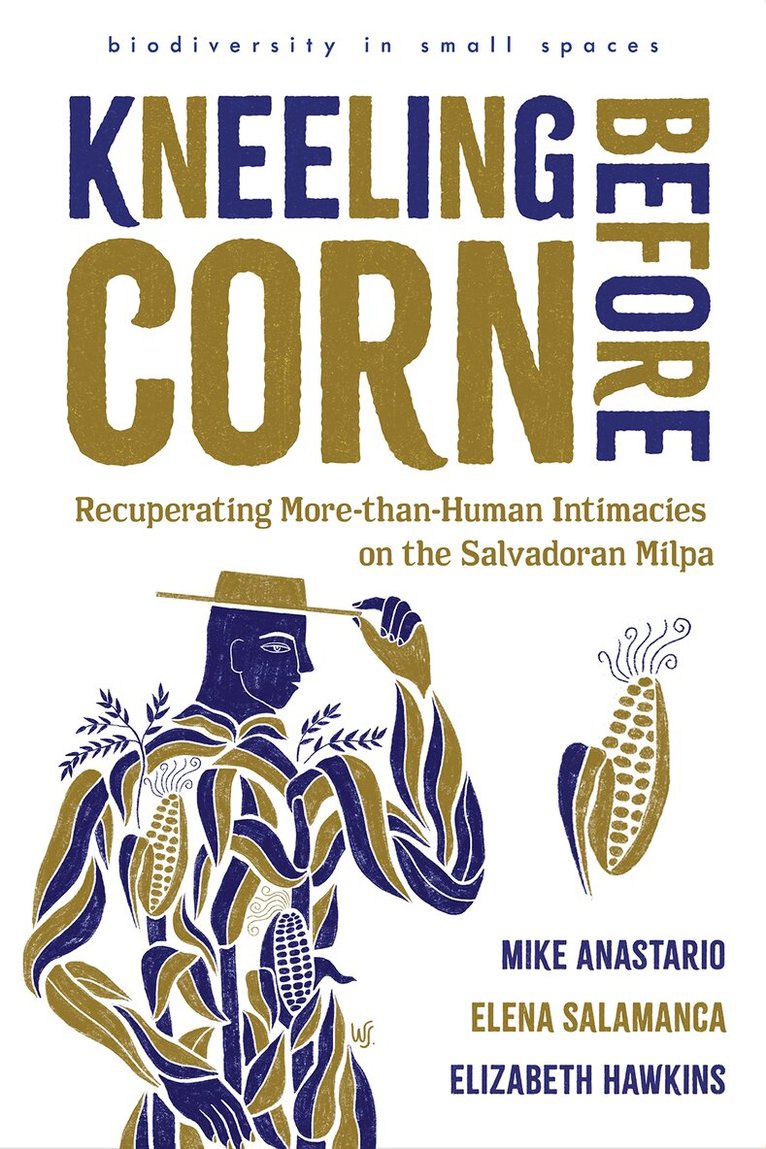
The cultivation of the three sisters (corn, beans, and squash) on subsistence farms in El Salvador is a multispecies, world-making, and ongoing process. Milpa describes a small subsistence corn farm. It is derived from the word milli (‘field’, or a piece of land under active cultivation) in Nahuatl. The milpa is a farming practice that uses perennial, intercropping, and swidden (fire and fallow) techniques that predates the Spanish conquest of the Americas.Kneeling Before Corn focuses on the intimate relations that develop between plants and humans in the milpas of the northern rural region of El Salvador. It explores the ways in which more-than-human intimacies travel away from and return to the milpa through human networks.Collective and multivocal, this work reflects independent lines of investigation and multiple conversations between co-authors—all of whom have lived in El Salvador for extended periods of time. Throughout the six chapters, the co-authors invite readers to consider more-than-human intimacies by rethinking, experimenting with, and developing new ways of documenting, analyzing, and knowing the intimacies that form between humans and the plants that they cultivate, conserve, long for, and eat. This book offers an innovative account of rural El Salvador in the twenty-first century.