Mike Loukides – författare
376 kr
Läs direkt efter köp
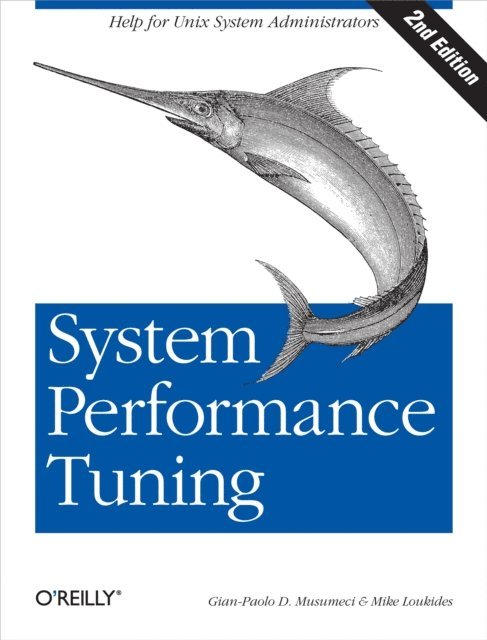
System Performance Tuning answers one of the most fundamental questions you can ask about your computer: How can I get it to do more work without buying more hardware? In the current economic downturn, performance tuning takes on a new importance. It allows system administrators to make the best use of existing systems and minimize the purchase of new equipment. Well-tuned systems save money and time that would otherwise be wasted dealing with slowdowns and errors. Performance tuning always involves compromises; unless system administrators know what the compromises are, they can''t make intelligent decisions.Tuning is an essential skill for system administrators who face the problem of adapting the speed of a computer system to the speed requirements imposed by the real world. It requires a detailed understanding of the inner workings of the computer and its architecture. System Performance Tuning covers two distinct areas: performance tuning, or the art of increasing performance for a specific application, and capacity planning, or deciding what hardware best fulfills a given role. Underpinning both subjects is the science of computer architecture. This book focuses on the operating system, the underlying hardware, and their interactions. Topics covered include:
Real and perceived performance problems, introducing capacity planning and performance monitoring (highlighting their strengths and weaknesses). An integrated description of all the major tools at a system administrator''s disposal for tracking down system performance problems. Background on modern memory handling techniques, including the memory-caching filesystem implementations in Solaris and AIX. Updated sections on memory conservation and computing memory requirements. In depth discussion of disk interfaces, bandwidth capacity considerations, and RAID systems. Comprehensive discussion of NFS and greatly expanded discussion of networking. Workload management and code tuning. Special topics such as tuning Web servers for various types of content delivery and developments in cross-machine parallel computing For system administrators who want a hands-on introduction to system performance, this is the book to recommend.590 kr
Läs direkt efter köp
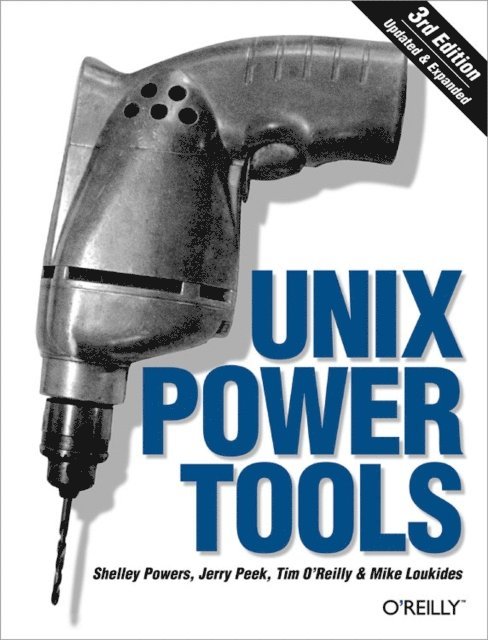
With the growing popularity of Linux and the advent of Darwin, Unix has metamorphosed into something new and exciting. No longer perceived as a difficult operating system, more and more users are discovering the advantages of Unix for the first time. But whether you are a newcomer or a Unix power user, you''ll find yourself thumbing through the goldmine of information in the new edition of Unix Power Tools to add to your store of knowledge. Want to try something new? Check this book first, and you''re sure to find a tip or trick that will prevent you from learning things the hard way.The latest edition of this best-selling favorite is loaded with advice about almost every aspect of Unix, covering all the new technologies that users need to know. In addition to vital information on Linux, Darwin, and BSD, Unix Power Tools 3rd Edition now offers more coverage of bash, zsh, and other new shells, along with discussions about modern utilities and applications. Several sections focus on security and Internet access. And there is a new chapter on access to Unix from Windows, addressing the heterogeneous nature of systems today. You''ll also find expanded coverage of software installation and packaging, as well as basic information on Perl and Python.Unix Power Tools 3rd Edition is a browser''s book...like a magazine that you don''t read from start to finish, but leaf through repeatedly until you realize that you''ve read it all. Bursting with cross-references, interesting sidebars explore syntax or point out other directions for exploration, including relevant technical details that might not be immediately apparent. The book includes articles abstracted from other O''Reilly books, new information that highlights program tricks and gotchas, tips posted to the Net over the years, and other accumulated wisdom.Affectionately referred to by readers as "the" Unix book, UNIX Power Tools provides access to information every Unix user is going to need to know. It will help you think creatively about UNIX, and will help you get to the point where you can analyze your own problems. Your own solutions won''t be far behind.
590 kr
Läs direkt efter köp
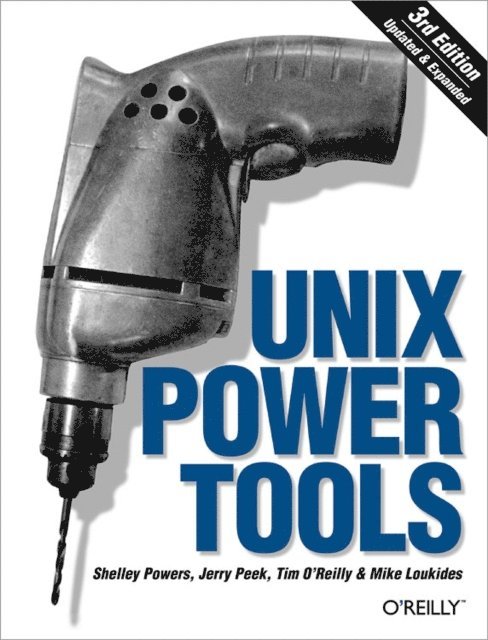
With the growing popularity of Linux and the advent of Darwin, Unix has metamorphosed into something new and exciting. No longer perceived as a difficult operating system, more and more users are discovering the advantages of Unix for the first time. But whether you are a newcomer or a Unix power user, you''ll find yourself thumbing through the goldmine of information in the new edition of Unix Power Tools to add to your store of knowledge. Want to try something new? Check this book first, and you''re sure to find a tip or trick that will prevent you from learning things the hard way.The latest edition of this best-selling favorite is loaded with advice about almost every aspect of Unix, covering all the new technologies that users need to know. In addition to vital information on Linux, Darwin, and BSD, Unix Power Tools 3rd Edition now offers more coverage of bash, zsh, and other new shells, along with discussions about modern utilities and applications. Several sections focus on security and Internet access. And there is a new chapter on access to Unix from Windows, addressing the heterogeneous nature of systems today. You''ll also find expanded coverage of software installation and packaging, as well as basic information on Perl and Python.Unix Power Tools 3rd Edition is a browser''s book...like a magazine that you don''t read from start to finish, but leaf through repeatedly until you realize that you''ve read it all. Bursting with cross-references, interesting sidebars explore syntax or point out other directions for exploration, including relevant technical details that might not be immediately apparent. The book includes articles abstracted from other O''Reilly books, new information that highlights program tricks and gotchas, tips posted to the Net over the years, and other accumulated wisdom.Affectionately referred to by readers as "the" Unix book, UNIX Power Tools provides access to information every Unix user is going to need to know. It will help you think creatively about UNIX, and will help you get to the point where you can analyze your own problems. Your own solutions won''t be far behind.
354 kr
Läs direkt efter köp
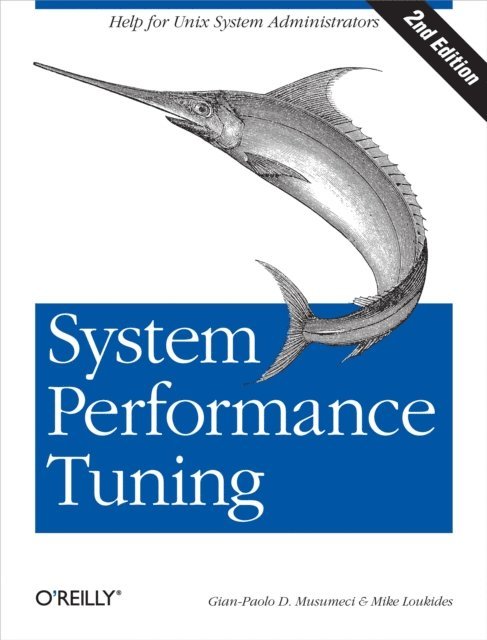
System Performance Tuning answers one of the most fundamental questions you can ask about your computer: How can I get it to do more work without buying more hardware? In the current economic downturn, performance tuning takes on a new importance. It allows system administrators to make the best use of existing systems and minimize the purchase of new equipment. Well-tuned systems save money and time that would otherwise be wasted dealing with slowdowns and errors. Performance tuning always involves compromises; unless system administrators know what the compromises are, they can''t make intelligent decisions.Tuning is an essential skill for system administrators who face the problem of adapting the speed of a computer system to the speed requirements imposed by the real world. It requires a detailed understanding of the inner workings of the computer and its architecture. System Performance Tuning covers two distinct areas: performance tuning, or the art of increasing performance for a specific application, and capacity planning, or deciding what hardware best fulfills a given role. Underpinning both subjects is the science of computer architecture. This book focuses on the operating system, the underlying hardware, and their interactions. Topics covered include:
Real and perceived performance problems, introducing capacity planning and performance monitoring (highlighting their strengths and weaknesses). An integrated description of all the major tools at a system administrator''s disposal for tracking down system performance problems. Background on modern memory handling techniques, including the memory-caching filesystem implementations in Solaris and AIX. Updated sections on memory conservation and computing memory requirements. In depth discussion of disk interfaces, bandwidth capacity considerations, and RAID systems. Comprehensive discussion of NFS and greatly expanded discussion of networking. Workload management and code tuning. Special topics such as tuning Web servers for various types of content delivery and developments in cross-machine parallel computing For system administrators who want a hands-on introduction to system performance, this is the book to recommend.